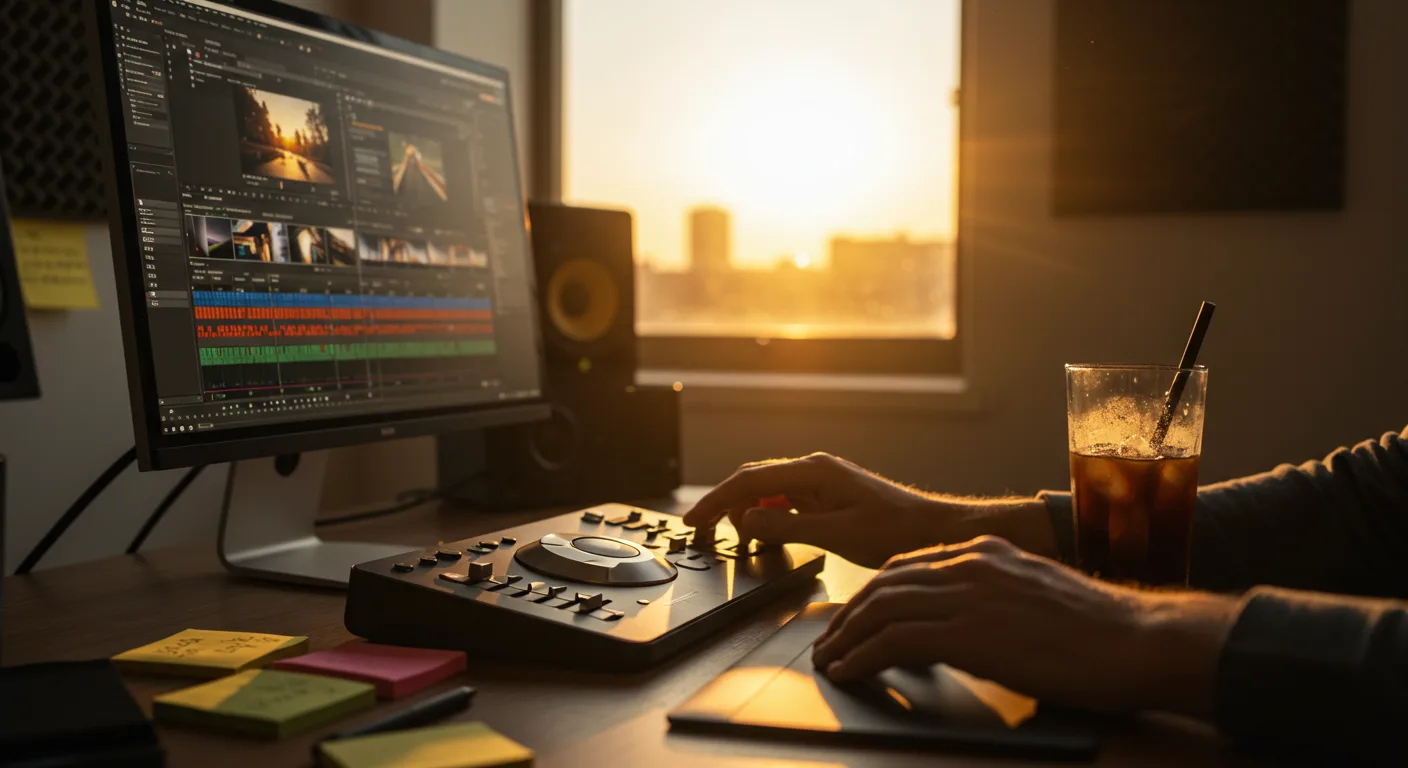
Unlocking Marketing Success with Video Editing Software Tutorials
In today’s competitive digital landscape, mastering video marketing is essential for businesses seeking to engage their audience and drive conversions. But where do you begin? Many marketers struggle to navigate the complexities of video editing software, hindering their ability to create compelling content. Are you ready to transform your marketing strategy with the power of video, but need guidance on choosing and using the right tools?
Choosing the Right Video Editing Software: A Marketing Perspective
Selecting the appropriate video editing software is a crucial first step. The best option depends heavily on your specific marketing needs, budget, and technical expertise. Consider these factors when making your decision:
- Ease of Use: For beginners, user-friendly interfaces like those found in iMovie (for Mac users) or Filmora are excellent starting points. These programs offer intuitive workflows and pre-built templates that simplify the editing process.
- Features: As your skills grow, you may require more advanced features such as motion tracking, chroma keying (green screen), and audio editing capabilities. Software like Adobe Premiere Pro offers a comprehensive suite of tools for professional-grade video production.
- Budget: Video editing software ranges from free open-source options like OpenShot to subscription-based models like Adobe Premiere Pro. Evaluate your budget and choose a program that offers the best value for your investment.
- Platform Compatibility: Ensure the software is compatible with your operating system (Windows, macOS, Linux) and hardware specifications.
For marketing teams, collaboration features are essential. Consider software that allows for shared projects, version control, and integrated feedback mechanisms. This streamlines the workflow and ensures consistency across all video content.
Based on experience working with marketing teams, cloud-based solutions like Frame.io can significantly improve collaboration and reduce project turnaround times.
Mastering Basic Editing Techniques for Marketing Videos
Once you’ve selected your software, it’s time to learn the fundamental video editing techniques. These skills form the foundation for creating engaging and effective marketing videos:
- Importing and Organizing Footage: Begin by importing your raw video footage into the software. Organize your clips into folders based on scene, topic, or date to maintain a streamlined workflow.
- Cutting and Trimming: Use the cutting and trimming tools to remove unwanted footage, such as pauses, mistakes, or irrelevant content. Aim for concise and impactful clips that capture the viewer’s attention.
- Adding Transitions: Transitions smooth the flow between clips and create a seamless viewing experience. Experiment with different types of transitions, such as dissolves, fades, and wipes, but use them sparingly to avoid distracting the viewer.
- Adding Text and Graphics: Text overlays and graphics can enhance your message and provide additional context. Use clear, concise text and visually appealing graphics that align with your brand identity.
- Audio Editing: Pay close attention to the audio quality of your videos. Remove background noise, adjust volume levels, and add music or sound effects to create a more immersive experience.
Effective marketing videos often incorporate b-roll footage (supplementary video) to add visual interest and break up talking head segments. Use b-roll strategically to illustrate key points and keep viewers engaged.
Advanced Video Editing for Enhanced Marketing Impact
Beyond the basics, mastering advanced video editing for marketing can significantly elevate your content and achieve greater impact:
- Color Correction and Grading: Enhance the visual appeal of your videos by adjusting the color balance, contrast, and saturation. Consistent color grading across all your videos helps establish a cohesive brand aesthetic.
- Motion Graphics and Animation: Incorporate motion graphics and animation to create visually dynamic videos that capture attention and convey complex information in an engaging manner. Tools like After Effects can be integrated into your workflow for more complex projects.
- Chroma Keying (Green Screen): Use chroma keying to remove the background from your video and replace it with a different image or video. This technique is useful for creating professional-looking videos with custom backgrounds.
- Multi-Camera Editing: If you’re working with footage from multiple cameras, use multi-camera editing tools to seamlessly switch between different angles and perspectives. This technique is particularly effective for live events, interviews, and product demonstrations.
Consider using templates for consistent branding. Many platforms offer templates for intros, outros, and lower thirds that can be easily customized with your brand colors, fonts, and logos.
Optimizing Videos for Different Marketing Channels
Creating a great video is only half the battle. To maximize its impact, you need to optimize it for different video marketing channels. Each platform has its own unique requirements and best practices:
- YouTube: Optimize your video titles, descriptions, and tags with relevant keywords to improve search visibility. Create eye-catching thumbnails that entice viewers to click. Use cards and end screens to promote other videos and encourage subscriptions.
- Facebook: Upload videos directly to Facebook rather than sharing links from YouTube. Use captions to make your videos accessible to viewers who watch with the sound off. Experiment with different video formats, such as live videos and 360° videos.
- Instagram: Create short, attention-grabbing videos that are optimized for mobile viewing. Use Instagram Stories and Reels to share behind-the-scenes content and engage with your audience in real-time.
- LinkedIn: Share professional-quality videos that showcase your expertise and thought leadership. Target your videos to specific industries and job titles to reach the right audience.
- TikTok: Create short, engaging videos that are optimized for the platform’s unique style and format. Use trending sounds and hashtags to increase visibility and reach a wider audience.
According to a 2025 HubSpot report, videos with captions receive 15% more watch time than those without. Always prioritize accessibility when optimizing your video content.
Leveraging Video Editing Software for Marketing Case Studies
Video editing software for marketing case studies allows you to showcase your successes in a compelling and engaging format. Here’s how to create impactful case study videos:
- Plan Your Story: Start by outlining the key elements of your case study, including the problem, the solution, and the results. Structure your video as a narrative that keeps viewers engaged.
- Gather Testimonials: Interview satisfied customers and capture their testimonials on video. Ask them to describe the challenges they faced, how your product or service helped them, and the positive outcomes they achieved.
- Showcase Visual Evidence: Use screen recordings, product demos, and before-and-after footage to visually demonstrate the impact of your product or service.
- Keep it Concise: Aim for a video length of 2-3 minutes to maintain viewer attention. Focus on the most important information and avoid unnecessary details.
- Include a Call to Action: End your video with a clear call to action, such as visiting your website, contacting your sales team, or requesting a demo.
A well-produced case study video can be a powerful tool for building trust and credibility with potential customers. Make sure to include quantifiable results whenever possible to demonstrate the value of your product or service.
Measuring the Success of Your Video Marketing Efforts
Finally, it’s essential to track and analyze the performance of your video marketing campaigns to determine what’s working and what’s not. Use analytics tools to measure key metrics such as:
- Views: The number of times your video has been viewed.
- Watch Time: The total amount of time viewers have spent watching your video.
- Engagement: The number of likes, comments, shares, and subscriptions your video has received.
- Click-Through Rate (CTR): The percentage of viewers who clicked on a link in your video or description.
- Conversion Rate: The percentage of viewers who took a desired action, such as making a purchase or filling out a form.
Use this data to optimize your video content, targeting, and distribution strategies. Experiment with different approaches and track the results to continuously improve your video marketing performance. Google Analytics can be integrated to track website traffic and conversions from video campaigns.
According to a 2026 study by Wistia, videos embedded on landing pages can increase conversion rates by up to 80%.
Conclusion
Mastering tutorials on video editing software is critical for modern marketing success. By selecting the right software, honing your editing skills, optimizing your videos for different channels, and tracking your results, you can create compelling content that engages your audience and drives conversions. Don’t be afraid to experiment and learn from your mistakes. Take the first step today by choosing a video editing software and start creating impactful marketing videos!
What is the best video editing software for beginners in marketing?
For beginners, iMovie (for Mac) or Filmora are excellent choices due to their user-friendly interfaces and pre-built templates. These programs simplify the editing process and allow you to create professional-looking videos without a steep learning curve.
How important is audio quality in marketing videos?
Audio quality is extremely important. Poor audio can distract viewers and make your video unwatchable. Invest in a good microphone and take the time to remove background noise and adjust volume levels to ensure clear and professional audio.
What are some essential video editing techniques for marketing?
Essential techniques include cutting and trimming footage, adding transitions, incorporating text and graphics, and editing audio. Mastering these basics will allow you to create engaging and effective marketing videos that capture your audience’s attention.
How can I optimize my marketing videos for different social media platforms?
Each platform has its own unique requirements and best practices. Optimize your video titles, descriptions, and tags with relevant keywords. Use captions to make your videos accessible. Experiment with different video formats, such as live videos and short-form videos, to see what resonates with your audience.
What metrics should I track to measure the success of my video marketing campaigns?
Key metrics to track include views, watch time, engagement (likes, comments, shares), click-through rate (CTR), and conversion rate. Analyzing these metrics will help you understand what’s working and what’s not, allowing you to optimize your video content and strategies for better results.





