 By Ashley Liu
A staggering 93% of consumers report that personalization influences their purchasing decisions, fundamentally reshaping the marketing field. This isn’t a minor preference. It’s a foundational shift in how brands build relationships and secure lasting shopper loyalty. How can businesses move beyond superficial customization to create truly impactful, data-driven personalized experiences?
Key Takeaways
- Brands using advanced personalization strategies see a 20% increase in customer satisfaction scores compared to those with basic segmentation, leading directly to higher retention.
- Implementing AI-driven product recommendation engines can boost average order value by up to 15% by presenting relevant, timely offers to individual shoppers.
- Companies that prioritize personalized communication across multiple channels, including email and in-app messaging, achieve a 30% uplift in repeat purchases within the first year.
- The ROI on personalization technology investments averages 12:1 for businesses that integrate data from CRM, POS, and web analytics platforms effectively.
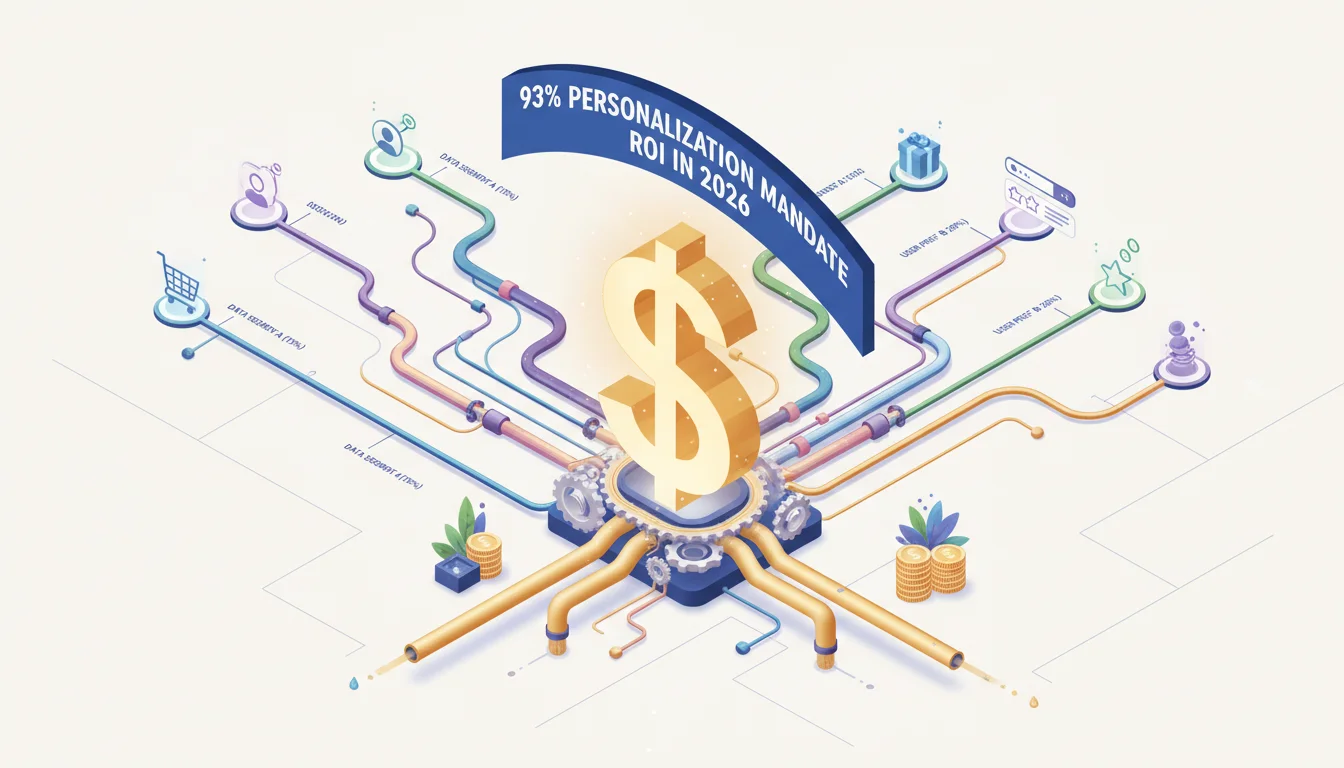
The 93% Personalization Mandate: More Than Just a Number
The statistic that 93% of shoppers are swayed by personalization isn’t just a talking point. It’s an imperative. This figure, often cited in various industry reports, shows a fundamental shift in consumer expectations. Customers no longer tolerate generic, one-size-fits-all messaging. They expect brands to understand their individual preferences, past behaviors, and even their current context. For example, a report from eMarketer consistently shows that consumers are more likely to engage with brands that offer tailored product recommendations and relevant content. This isn’t about simply addressing a customer by their first name in an email. It’s about anticipating their needs and providing value before they even explicitly ask for it.
My professional experience confirms this. I’ve seen firsthand how a well-executed personalization strategy, one that goes beyond surface-level tactics, can dramatically improve conversion rates and customer lifetime value. Consider the difference between a mass email blast announcing a general sale and an email specifically highlighting items a customer has browsed, or similar products to their last purchase, perhaps even offering a small, targeted discount. The latter, consistently, outperforms the former by significant margins. The 93% figure reflects this deep-seated desire for relevance in an increasingly noisy digital world. Brands that ignore this do so at their peril, risking not just lost sales, but a broader erosion of trust and loyalty.
The Impact of AI-Driven Recommendations: Beyond Basic Algorithms
The evolution of personalization is intrinsically tied to advancements in artificial intelligence and machine learning. Basic collaborative filtering, while a starting point, has been largely surpassed by sophisticated AI models capable of processing vast amounts of data points to generate highly accurate product recommendations. According to data published by Nielsen, companies using AI for personalized recommendations see an average increase of 10% to 15% in their average order value (AOV). This isn’t merely suggesting products that are frequently bought together. It’s about understanding the subtle nuances of individual taste, predicting future needs, and even identifying cross-category opportunities.
This level of precision comes from integrating data across various touchpoints: browsing history, purchase history, search queries, demographic information, geographic location, and even social media interactions. A strong recommendation engine, such as those offered by platforms like Amazon Personalize or Salesforce Marketing Cloud Personalization, can dynamically adjust recommendations in real-time as a user interacts with a site or app. For instance, if a shopper adds a specific brand of running shoes to their cart, the system might immediately suggest compatible running apparel, GPS watches, or even local running events based on their location. The key is the ability of these systems to learn and adapt, continuously refining their suggestions based on new data. This creates a feedback loop that makes each interaction more relevant and valuable for the customer, fostering a sense of being understood by the brand.
The Loyalty Dividend: How Personalization Drives Retention
Personalization isn’t just about immediate sales. It’s a powerful engine for long-term customer loyalty. Research from HubSpot indicates that businesses that excel at personalization experience a 20% higher customer retention rate. This isn’t surprising. When customers feel valued and understood, they are far less likely to defect to competitors. This loyalty dividend manifests in several ways: repeat purchases, higher customer lifetime value (CLTV), and increased brand advocacy.
Consider a subscription box service that tailors its offerings based on detailed preference surveys and past feedback. A customer who consistently receives items they genuinely enjoy, rather than generic products, will likely remain subscribed for much longer. Similarly, in e-commerce, personalized loyalty programs that offer rewards for specific behaviors or provide exclusive access to products based on past purchases create a strong incentive for continued engagement. This goes beyond simple points systems. It involves recognizing milestones, offering bespoke experiences, and communicating in a way that resonates with the individual. This isn’t just about discounts. It’s about building a relationship where the customer feels seen and appreciated. The cumulative effect of these personalized touches builds an emotional connection that is difficult for competitors to replicate.
The Data Privacy Paradox: Trust as the Foundation of Personalization
Here’s where I often disagree with the conventional wisdom that more data always equals better personalization. While data is undeniably the fuel for effective personalization, a critical element often overlooked is trust. Consumers are increasingly aware of how their data is collected and used. A 2025 Statista report showed that a significant percentage of consumers are concerned about their data privacy. This creates a paradox: they want personalization, but they also want their data protected. Brands that fail to address this tension risk alienating the very customers they are trying to engage.
The conventional approach often focuses solely on data acquisition and algorithmic sophistication. However, I argue that transparency and ethical data practices are just as, if not more, important. Brands must clearly communicate their data policies, offer easy opt-out mechanisms, and demonstrate a genuine commitment to protecting customer information. A breach of trust, or even the perception of misuse, can undo years of personalization efforts in an instant. For example, a customer might appreciate a personalized product recommendation, but if they feel their data was acquired without consent or is being shared indiscriminately, that positive sentiment quickly turns negative. The future of personalization isn’t just about what you can do with data. It’s about what you should do, and how you build confidence with your customer base. Without trust, even the most sophisticated personalization engine becomes a liability, not an asset.
Conclusion
The evidence is clear: personalization is no longer a luxury but a fundamental expectation that directly impacts shopper loyalty and a brand’s bottom line. Businesses must move beyond basic segmentation, embracing sophisticated AI-driven strategies while rigorously upholding data privacy and transparency to build enduring customer relationships.
What is the primary benefit of personalization for businesses?
The primary benefit is increased customer loyalty and retention, which leads to higher customer lifetime value and stronger brand advocacy.
How does AI contribute to personalization efforts?
AI enables advanced product recommendations, dynamic content adjustments, and predictive analytics, allowing brands to anticipate customer needs and deliver highly relevant experiences in real-time.
What role does data privacy play in personalization?
Data privacy is foundational. Without customer trust in how their data is handled, even the most sophisticated personalization efforts can backfire, leading to alienation and reputational damage.
Can personalization increase average order value?
Yes, by presenting relevant product recommendations and timely offers, businesses can significantly increase their average order value, often by 10% to 15% or more.
What are some common pitfalls to avoid in personalization?
Avoid superficial personalization, neglecting data privacy, failing to integrate data across channels, and not continuously refining strategies based on customer feedback and performance metrics.


