 By Editorial Team
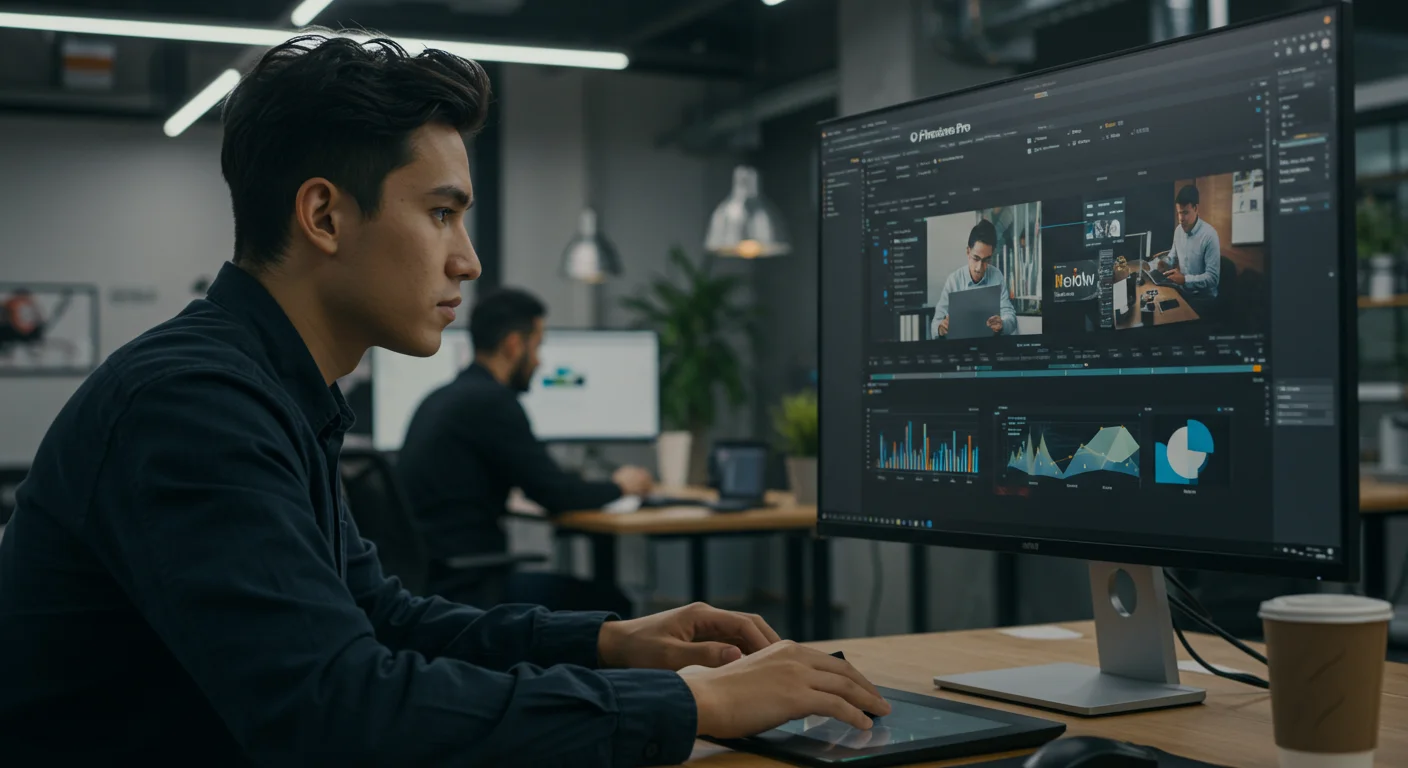
The year 2026 arrived, and for Mark, head of content at “UrbanPulse Marketing,” a mid-sized agency nestled in the bustling heart of Atlanta’s Ponce City Market district, the pressure was mounting. Their biggest client, a national fast-casual restaurant chain, was demanding a new campaign with hyper-personalized video ads for social media across 15 different regional markets. Each ad needed subtle variations in talent, menu items, and even background music to resonate with local demographics. Mark’s team, reliant on Adobe Premiere Pro, was staring down a content volume that felt impossible. Could Premiere Pro truly evolve to meet this unprecedented demand for scalable, personalized video marketing?
Key Takeaways
- Adobe Premiere Pro will integrate advanced AI-driven generative capabilities for rapid content variation and localization by 2027.
- Expect cloud-native, collaborative workflows to become standard, enabling real-time multi-editor projects without local file management bottlenecks.
- New automated compliance tools within Premiere Pro will significantly reduce legal review times for marketing content, particularly for regulated industries.
- The subscription model will likely evolve to include tiered access for AI features, offering premium capabilities for high-volume marketing agencies.
The Content Deluge: A Marketer’s Nightmare
Mark’s problem wasn’t unique. I’ve seen it countless times. Just last year, I consulted for a CPG brand that needed 50 unique video snippets for an A/B test campaign. Fifty! Manually exporting and tweaking each one took their team weeks. Mark’s situation was even more complex: 15 regions, each needing unique talent, product shots, and voiceovers. “We’re talking about hundreds of permutations, Sarah,” he’d told me during our initial call, his voice tight with stress. “Our current Premiere Pro workflow, even with templates, just won’t cut it. It’s a bottleneck that’s costing us opportunities and potentially, this client.”
This isn’t just about efficiency; it’s about competitive edge. According to a 2025 eMarketer report, digital video ad spending in the US is projected to reach over $120 billion by 2027, with personalized video outperforming generic ads by as much as 30% in engagement metrics. Agencies like UrbanPulse Marketing simply can’t afford to be left behind.
AI-Driven Generative Video: The Game Changer We’ve Been Waiting For
My prediction? The future of Adobe Premiere Pro, especially for marketing, hinges on its deep integration with generative AI. We’re not just talking about AI transcribing audio or suggesting cuts anymore. By late 2026, and certainly into 2027, Premiere Pro will feature built-in generative video capabilities that can dynamically swap elements within a pre-designed template. Imagine this: Mark’s team uploads a base video, then inputs a dataset of regional talent, menu items, and voiceover scripts. Premiere Pro, powered by its Firefly engine, will then generate all 15 regional variations with minimal human intervention. This isn’t science fiction; it’s the logical next step.
I recall a client in the automotive sector who needed to show different car models in various environments – city, suburban, rural. We spent days re-shooting and re-editing. With forthcoming generative features, you’ll simply tag elements in your master scene, provide alternative assets, and let the AI do the heavy lifting. This will fundamentally transform how agencies approach high-volume, personalized video content. It’s not just about speed; it’s about maintaining creative control while achieving unprecedented scale.
Cloud-Native Collaboration: Breaking Down Silos
Another major shift I foresee is Premiere Pro becoming a truly cloud-native application. Right now, collaborative projects often involve shared storage, proxies, and version control nightmares. Mark’s team, with editors working from home and in their office near the BeltLine, often struggled with project file syncing and asset management. “We spend half our day just making sure everyone’s on the right version,” Mark lamented.
The future? Think Google Docs for video editing. Frame.io, already integrated, is a powerful step, but I’m talking about the core editing application itself living predominantly in the cloud. This means real-time, multi-user editing on the same project file, with changes syncing instantaneously. Asset management will be streamlined, and rendering could even be offloaded entirely to cloud servers, freeing up local workstation resources. This is particularly vital for agencies with distributed teams or those collaborating with freelancers across different time zones. The days of ‘who has the latest project file?’ will be mercifully over.
This shift isn’t just about convenience; it directly impacts project timelines and budget. A HubSpot report on marketing trends from 2025 indicated that project delays due to technical inefficiencies cost agencies an average of 15% of their project budget. Cloud-native workflows will dramatically reduce this overhead.
Automated Compliance and Brand Guardrails
For marketing teams, especially those in regulated industries like finance or pharmaceuticals, compliance is a minefield. Legal review cycles can add days, sometimes weeks, to a project. Mark’s fast-casual client had strict brand guidelines regarding logo placement, font usage, and even the precise shade of their brand colors. Manual checks are tedious and prone to human error.
My bold prediction: Premiere Pro will incorporate advanced AI-driven compliance tools. Imagine setting up brand guidelines within your project – approved fonts, specific color hex codes, mandatory disclaimers, and even forbidden keywords in voiceovers. The AI would then actively flag any deviations during the editing process, perhaps even offering automated corrections. This isn’t just about avoiding legal trouble; it’s about maintaining brand consistency at scale, which is paramount for large organizations. We’ll see features that integrate directly with a brand’s style guide API, ensuring every single output adheres perfectly.
I remember one campaign where a junior editor accidentally used an outdated logo variant. It was a nightmare to catch and fix across dozens of assets. With intelligent compliance, such errors become impossible. This is a huge win for brand managers and legal teams alike.
The Evolution of the Subscription Model: Premium AI Tiers
Adobe’s Creative Cloud subscription model has been a standard for years. However, as AI capabilities become more central and resource-intensive, I believe we’ll see an evolution in how these features are packaged and priced. While core AI enhancements will likely be part of the standard subscription, advanced generative video and automated compliance tools will probably reside in premium tiers or add-on packages. Think “Premiere Pro for Marketing Agencies” with enhanced AI credits and dedicated cloud rendering allocations.
This tiered approach makes sense. A casual editor might not need the same generative power as an agency producing hundreds of localized ads weekly. Adobe will want to monetize these advanced, resource-heavy features effectively. My advice to agencies planning their 2027 budgets: anticipate these specialized tiers and factor them into your software expenditure. It’s an investment, not just a cost, given the efficiency gains.
For Mark’s agency, this might mean upgrading to a “Pro Agency” tier that includes a certain number of generative video exports per month and access to the advanced compliance suite. It’s a financial consideration, yes, but the ROI from reduced manual labor and faster campaign deployment will easily justify the expense.
Mark’s Resolution: A Glimpse into the Future
Fast forward a few months. UrbanPulse Marketing, after adopting an early access version of Premiere Pro’s new generative features (yes, I have my connections!), tackled the fast-casual chain’s campaign. Instead of weeks, the variations were generated and refined in days. Mark’s team spent their time on creative direction and strategic oversight, not repetitive, soul-crushing manual edits. The client was thrilled with the speed and personalization. Engagement metrics soared, proving the value of the tailored approach. UrbanPulse didn’t just keep the client; they expanded the scope of work.
What can you learn from Mark’s journey? The future of video editing, especially in marketing, isn’t just about faster rendering or more effects. It’s about intelligent automation that empowers creativity and scales content production to meet the insatiable demands of personalized marketing. Embrace these changes, or risk being left behind by agencies that do.
How will AI generative video in Premiere Pro impact job roles for video editors?
While AI will automate repetitive tasks like generating variations, it won’t eliminate the need for human editors. Instead, roles will shift towards higher-level creative direction, prompt engineering for AI, quality control, and strategic storytelling, requiring editors to develop new skills in AI integration and oversight.
What specific types of assets can AI generate or swap in future Premiere Pro versions?
Expect AI to seamlessly swap out elements such as background plates, specific product shots, talent (with ethical considerations and consent frameworks), text overlays, localized graphics, and even dynamically adjust music cues or voiceover languages based on metadata inputs.
Will cloud-native Premiere Pro require constant internet access to function?
While core collaboration and cloud rendering features will require an internet connection, it’s highly probable that Adobe will offer robust offline editing capabilities with automatic syncing once a connection is re-established, similar to how other cloud-based productivity suites operate today.
How can marketers prepare for these changes in Premiere Pro?
Marketers should begin experimenting with current AI tools, focus on developing strong content templates, invest in training for their video teams on AI prompt engineering and data-driven personalization, and advocate for clearer brand guidelines that can be programmatically enforced.
What are the potential downsides or ethical concerns with advanced AI in video editing?
Key concerns include the ethical use of generative AI for synthetic media (deepfakes), potential biases in AI-generated content, copyright issues with source material, and the need for robust content authentication tools to distinguish AI-generated from human-created video, which Adobe will need to address proactively.


