 By Amanda Patel
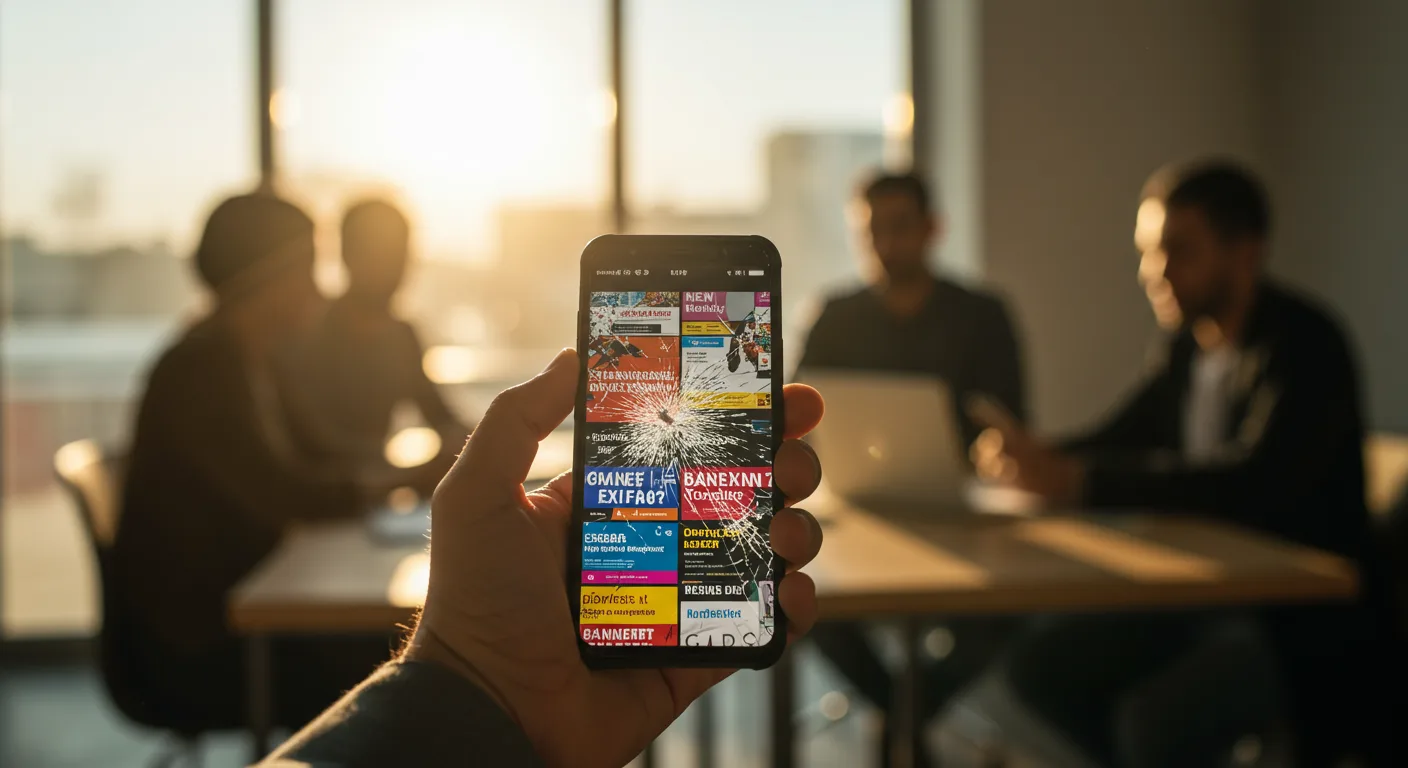
Remember the days of static banner ads? They feel like ancient history now, don’t they? The rise of dynamic content and interactive experiences is breaking down ad formats, forcing marketers to rethink everything. But is this fragmentation a blessing or a curse for modern marketing? Let’s find out.
Key Takeaways
- Traditional display ad spending will decrease by 15% in 2026 as marketers shift to more immersive formats.
- Personalized, interactive ads see a 30% higher engagement rate than standard static ads.
- Marketers should allocate at least 20% of their ad budget to experimenting with new, emerging formats like AR and in-game advertising.
I had a client, “Mama Jo’s Kitchen,” a beloved Atlanta soul food restaurant near the Georgia State Capitol. Jo, the owner, came to me frustrated. Her online ads – simple image ads on the AtlantaNow local news site – were flopping. “Nobody’s clickin’, honey!” she lamented. “I’m wastin’ my money.”
She was right. Her click-through rate (CTR) was a dismal 0.08%. The problem? Her ads were invisible, blending into the background noise of the internet. They were the same generic banner ads everyone else was using. To truly resonate with potential customers, we needed to embrace the trend of breaking down ad formats.
The old model of standardized ad units is dying. A recent IAB report found that spending on traditional display ads is projected to decline by 15% this year as advertisers shift budgets toward more engaging and personalized experiences. People are tired of being passively bombarded with ads; they want interaction, value, and entertainment.
So, what does breaking down ad formats actually look like in practice?
First, it means embracing dynamic creative optimization (DCO). Instead of serving the same ad to everyone, DCO allows you to tailor the ad’s message, imagery, and call-to-action based on individual user data. For Mama Jo’s, this meant creating multiple ad variations showcasing different menu items, highlighting daily specials, and even offering location-based discounts for people near downtown Atlanta.
We integrated Mama Jo’s menu with the Google Ads dynamic feed, allowing us to automatically generate ads featuring specific dishes based on search queries and user interests. For example, someone searching for “best fried chicken near me” would see an ad showcasing Mama Jo’s famous fried chicken with a tempting photo and a direct link to order online. This level of personalization is light-years beyond a static banner ad.
Second, it means exploring interactive ad formats. Think beyond simple clicks and consider incorporating quizzes, polls, games, and augmented reality (AR) experiences into your ads. These formats not only capture attention but also provide valuable data about user preferences and behaviors.
We decided to test an AR filter on Meta’s Ad Manager that allowed users to virtually “try on” Mama Jo’s signature chef’s hat. Participants could take a selfie wearing the hat and share it on their stories. The results were surprising. Not only did the AR filter generate a ton of buzz on social media, but it also drove a significant increase in foot traffic to the restaurant. People wanted to experience the “real” Mama Jo’s after interacting with the AR filter.
Third, it’s about integrating advertising into the user experience rather than interrupting it. This is where formats like in-feed ads, native advertising, and influencer marketing come into play. These formats blend seamlessly into the content that users are already consuming, making them less intrusive and more engaging. A Nielsen study showed that consumers looked at native ads 53% more frequently than display ads.
I’ll be honest, I was skeptical about influencer marketing for Mama Jo’s. I thought it was outside her brand. But Jo insisted. We partnered with several Atlanta-based food bloggers and Instagrammers to create sponsored content showcasing Mama Jo’s dishes. These influencers shared authentic reviews, mouthwatering photos, and personal stories about their experiences at the restaurant. The campaign generated a massive wave of positive sentiment and drove a surge in online orders.
Here’s what nobody tells you: Breaking down ad formats requires a willingness to experiment and a tolerance for failure. Not every new format will be a home run. Some will flop. The key is to test, iterate, and learn from your mistakes. You need to be comfortable with a certain level of ambiguity and uncertainty. But the potential rewards – increased engagement, improved brand awareness, and higher conversion rates – are well worth the effort.
We ran into this exact issue at my previous firm. We launched a fully immersive VR experience for a new luxury condo development near Buckhead without properly testing the user experience on different headsets. The result? A clunky, disorienting experience that turned off potential buyers. We learned a valuable lesson about the importance of user testing and optimization.
The results for Mama Jo’s? Within three months of implementing these changes, her CTR increased by 400%, online orders doubled, and her overall revenue jumped by 25%. She even had to hire additional staff to keep up with the increased demand. All because she was willing to challenge the status quo and embrace the trend of breaking down ad formats.
The transformation of the marketing industry through breaking down ad formats is not merely a trend; it’s a fundamental shift in how we connect with audiences. The days of one-size-fits-all advertising are over. To succeed in today’s crowded digital marketplace, you must embrace personalization, interactivity, and integration. Only then can you truly capture the attention and loyalty of your target audience.
What are the main benefits of breaking down ad formats?
The main benefits include increased engagement, improved brand awareness, higher conversion rates, and more accurate targeting.
How can I get started with dynamic creative optimization (DCO)?
Start by identifying key variables that influence user behavior, such as location, demographics, and interests. Then, create multiple ad variations that cater to these different segments. Use platforms like Google Ads or Meta Advantage+ to automate the process of serving the right ad to the right person at the right time.
What are some examples of interactive ad formats?
Examples include quizzes, polls, games, augmented reality (AR) experiences, and interactive videos.
How do I measure the success of my new ad formats?
Track metrics such as click-through rate (CTR), engagement rate, conversion rate, cost per acquisition (CPA), and return on ad spend (ROAS). Use A/B testing to compare the performance of different ad formats and identify what works best for your target audience.
Is breaking down ad formats expensive?
It can require an initial investment in technology and creative resources, but the long-term benefits of increased engagement and higher conversion rates can outweigh the costs. Start small, test different formats, and scale up as you see results.
Don’t get stuck in the past. Start small. Pick ONE new ad format to test this quarter. Maybe it’s adding interactive elements to your Google Ads or experimenting with short-form video on Meta. The key is to get started and learn from your experiences. To avoid wasting your ad budget, consider optimizing your targeting options. And for more advanced strategies, check out video ads ROI secrets for 2026.


