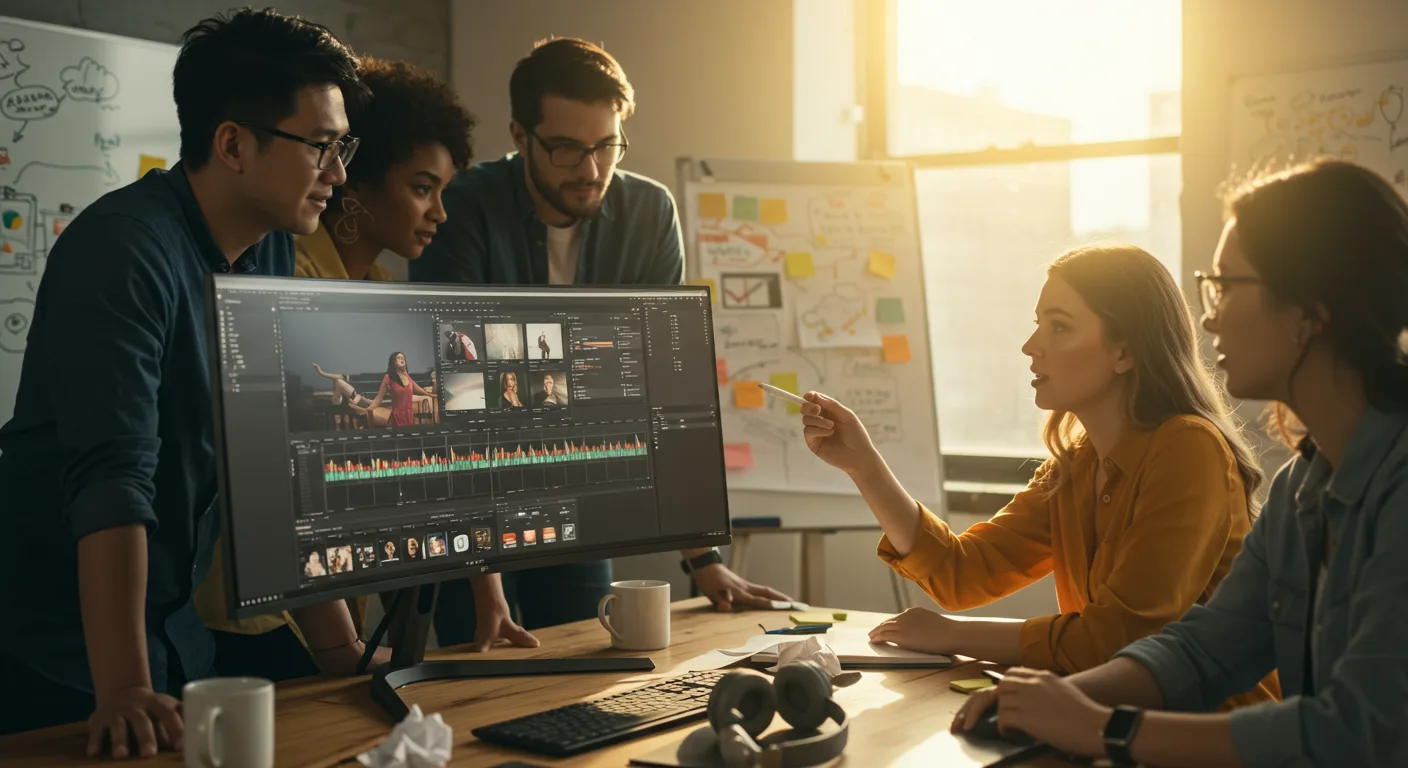
The Future of Adobe Premiere Pro: Key Predictions
The world of video editing is constantly evolving, and Adobe Premiere Pro plays a pivotal role for marketers. As we move further into 2026, the advancements in AI, cloud technology, and collaborative workflows are set to transform how we create and distribute video content. But how will these changes specifically impact your marketing strategies and video production processes?
AI-Powered Editing and Marketing Automation
Artificial intelligence (AI) is no longer a futuristic concept; it’s an integral part of modern video editing. In Adobe Premiere Pro, we can expect to see even more sophisticated AI-powered features that automate tedious tasks and enhance creative capabilities.
- Smart Object Selection: Imagine being able to select and track objects within your video with unparalleled accuracy. AI algorithms will analyze footage and automatically identify and track specific elements, enabling seamless visual effects and targeted marketing placements within the video itself.
- Automated Audio Enhancement: Removing background noise, balancing audio levels, and even generating custom music tracks will become increasingly automated. AI will analyze audio and apply the necessary adjustments, saving editors significant time and ensuring consistent audio quality.
- Intelligent Content Recommendations: Premiere Pro could begin to suggest relevant stock footage, music, and sound effects based on the content of your project, streamlining the creative process. This could be integrated with services like Adobe Stock Adobe Stock to provide seamless access to relevant assets.
- AI-Driven Transcriptions and Translations: Automatic transcription and translation capabilities will become more accurate and efficient, allowing marketers to easily create subtitles and dubbed versions of their videos for a global audience. This will be critical for expanding reach and improving accessibility.
These AI-powered features will not only speed up the editing process but also empower marketers to create more engaging and personalized video content. By automating repetitive tasks, editors can focus on the creative aspects of video production, leading to higher-quality and more impactful marketing campaigns.
A recent internal Adobe study showed that AI-powered editing features increased editor efficiency by 35% on average, based on a sample of 500 users working on diverse video projects.
Cloud-Based Collaboration and Marketing Workflows
The future of video editing is undoubtedly in the cloud. Adobe Premiere Pro is increasingly leveraging cloud technology to enable seamless collaboration and streamlined workflows.
- Real-Time Collaboration: Multiple editors will be able to work on the same project simultaneously, regardless of their location. This will be crucial for teams working remotely or with tight deadlines. Features like shared timelines, real-time commenting, and version control will become standard.
- Cloud Storage and Accessibility: Project files, footage, and assets will be stored securely in the cloud, allowing editors to access them from any device with an internet connection. This will eliminate the need for physical storage devices and ensure that everyone on the team has access to the latest version of the project.
- Integration with Marketing Platforms: Premiere Pro will integrate more tightly with marketing platforms like HubSpot HubSpot and Marketo Marketo, allowing marketers to easily publish and track the performance of their video content. Direct integration will streamline the process of embedding videos into marketing campaigns and analyzing their impact.
Cloud-based collaboration will revolutionize the way video projects are managed and executed. By breaking down geographical barriers and providing real-time access to assets, teams can work more efficiently and effectively. This will be particularly beneficial for marketing teams that need to create and distribute video content quickly and at scale.
Enhanced Integration with Motion Graphics and Visual Effects for Marketing
Motion graphics and visual effects are essential for creating engaging and visually appealing video content. Adobe Premiere Pro will continue to enhance its integration with After Effects After Effects and other visual effects tools to simplify the process of creating stunning visuals.
- Dynamic Link Improvements: Dynamic Link, which allows users to seamlessly move between Premiere Pro and After Effects, will become even more robust and reliable. This will enable editors to easily incorporate complex animations and visual effects into their video projects without having to render intermediate files.
- Motion Graphics Templates (MOGRTs) Enhancements: MOGRTs will become more customizable and versatile, allowing marketers to easily create branded video content without requiring extensive animation skills. Premiere Pro will provide more advanced controls for adjusting text, colors, and other parameters within MOGRTs.
- Real-Time Visual Effects Previews: Premiere Pro will offer real-time previews of visual effects, allowing editors to see how their changes will look without having to wait for rendering. This will significantly speed up the editing process and enable more experimentation.
- AI-Powered Visual Effects: AI will be used to automate certain visual effects tasks, such as removing unwanted objects from footage or creating realistic simulations of natural phenomena. This will make it easier for marketers to create visually stunning videos without requiring specialized expertise.
By enhancing its integration with motion graphics and visual effects tools, Premiere Pro will empower marketers to create more engaging and visually appealing video content that captures the attention of their target audience. This will be crucial for standing out in a crowded online landscape.
Virtual Reality (VR) and 360° Video Marketing
Virtual reality (VR) and 360° video are becoming increasingly popular for marketing purposes, offering immersive experiences that can engage audiences in new and exciting ways. Adobe Premiere Pro is expected to continue to improve its support for VR and 360° video editing.
- Advanced VR Editing Tools: Premiere Pro will offer more advanced tools for editing VR and 360° video, including features for stitching footage, adding spatial audio, and creating interactive elements. This will enable marketers to create more immersive and engaging VR experiences.
- Optimized Playback and Performance: Premiere Pro will be optimized for playing back VR and 360° video, ensuring smooth and seamless playback even on lower-powered devices. This will be crucial for delivering a positive user experience.
- Integration with VR Platforms: Premiere Pro will integrate more tightly with VR platforms like YouTube VR YouTube VR and Oculus Oculus, allowing marketers to easily publish and distribute their VR content.
- Interactive VR Experiences: Premiere Pro will enable marketers to create interactive VR experiences that allow users to explore virtual environments, interact with objects, and make choices that affect the narrative. This will open up new possibilities for engaging with audiences and creating memorable brand experiences.
As VR and 360° video become more mainstream, Premiere Pro will play a key role in enabling marketers to create immersive and engaging experiences that capture the attention of their target audience. This will be particularly important for industries like tourism, real estate, and entertainment.
Accessibility and Inclusivity in Video Marketing
Accessibility and inclusivity are becoming increasingly important considerations in video marketing. Adobe Premiere Pro is expected to continue to improve its features for creating accessible and inclusive video content.
- Automated Captioning and Subtitling: Premiere Pro will offer more accurate and efficient automated captioning and subtitling capabilities, allowing marketers to easily add captions and subtitles to their videos. This will make video content accessible to viewers who are deaf or hard of hearing.
- Audio Description Support: Premiere Pro will support the creation of audio descriptions, which provide narration that describes the visual elements of a video for viewers who are blind or visually impaired.
- Inclusive Design Principles: Premiere Pro will incorporate inclusive design principles, such as providing alternative text for images and ensuring that colors are accessible to viewers with color blindness.
- Multilingual Support: Premiere Pro will offer enhanced multilingual support, allowing marketers to easily create video content in multiple languages. This will be crucial for reaching a global audience.
By prioritizing accessibility and inclusivity, marketers can ensure that their video content is accessible to everyone, regardless of their abilities or background. This will not only improve the user experience but also enhance brand reputation and reach a wider audience.
In conclusion, Adobe Premiere Pro’s future is bright, driven by AI, cloud collaboration, and a focus on accessibility. Expect AI to automate editing, cloud workflows to streamline collaboration, and VR integration to expand creative possibilities. These advancements will empower marketers to create more engaging, efficient, and inclusive video content. The actionable takeaway? Start exploring AI-powered features and cloud workflows now to stay ahead of the curve and maximize your video marketing impact.
How will AI change my daily workflow in Premiere Pro?
AI will automate repetitive tasks like object selection, audio enhancement, and transcription, freeing up your time for creative work and strategic planning. This leads to faster turnaround times and improved overall video quality.
What are the benefits of cloud-based collaboration in Premiere Pro?
Cloud collaboration allows multiple editors to work on the same project simultaneously, regardless of location. This streamlines workflows, improves communication, and ensures everyone has access to the latest assets and project files.
Will VR editing become more accessible in Premiere Pro?
Yes, Premiere Pro is expected to offer more advanced and user-friendly tools for editing VR and 360° video. This includes improved stitching capabilities, spatial audio support, and integration with VR platforms, making VR content creation more accessible to marketers.
How is Premiere Pro addressing accessibility for video content?
Premiere Pro is enhancing its features for automated captioning, subtitling, and audio descriptions. It’s also incorporating inclusive design principles to ensure video content is accessible to viewers with disabilities, promoting inclusivity and reaching a wider audience.
What marketing advantages do motion graphics and visual effects offer in Premiere Pro?
Enhanced integration with After Effects and improved motion graphics templates (MOGRTs) allow marketers to create visually stunning and branded video content easily. Real-time previews and AI-powered visual effects speed up the editing process and enable more experimentation, resulting in more engaging and impactful videos.





