 By Editorial Team
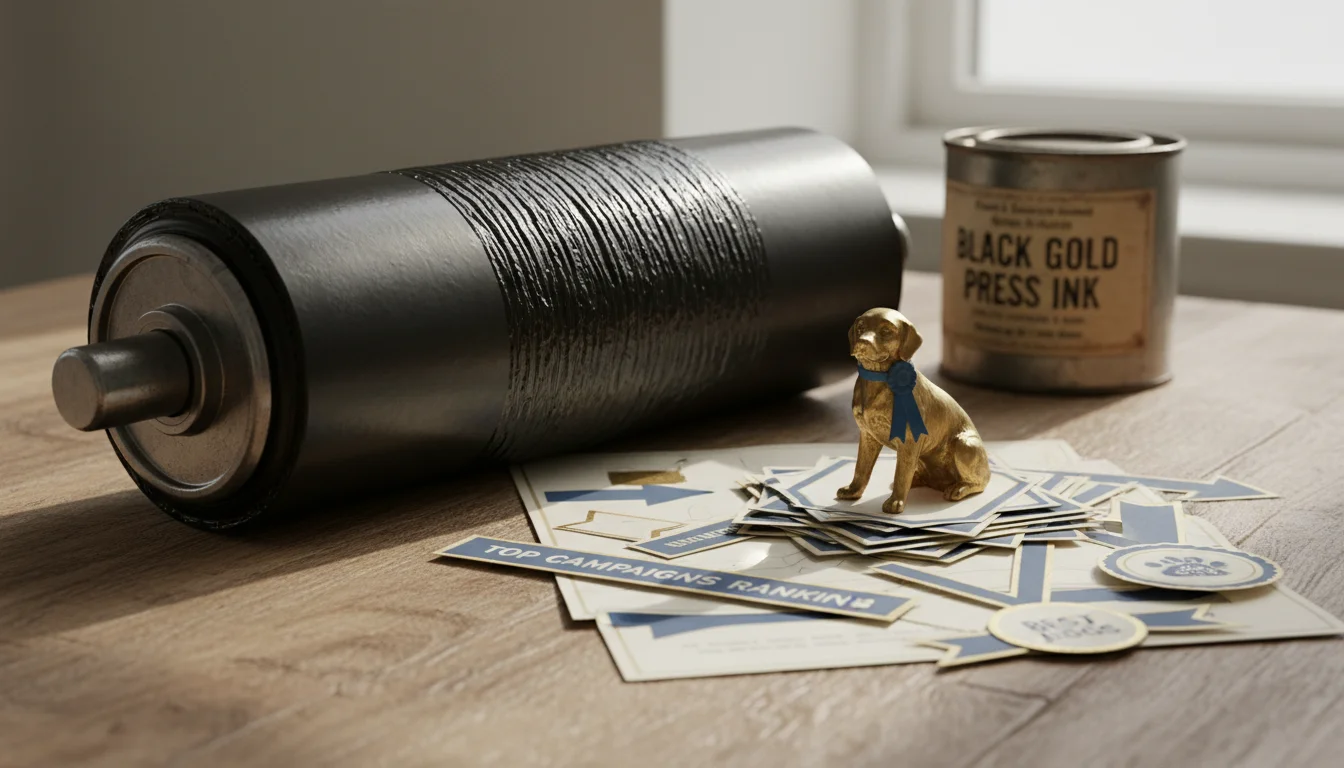
The advertising industry’s most effective brand ambassadors might just be canine. Yes, you read that correctly: the four-legged companions of agency creatives and executives are increasingly being recognized for their unique contributions to workplace culture and, by extension, brand visibility. This trend, affectionately dubbed “Hankin’s Rankins,” highlights how dogs are not merely pets but integral team members in the dynamic world of advertising, fostering an environment that Campaign Brief first brought to wider attention.
Key Takeaways
- Dogs in the workplace can significantly boost employee morale and reduce stress levels in fast-paced advertising environments.
- Integrating pets into company culture offers a unique angle for internal and external branding, attracting talent and showing a modern workplace.
- Agencies are developing structured programs, like “Paw-ternity Leave” and dedicated office spaces, to support pet-friendly policies effectively.
- The presence of dogs can spark creativity and encourage spontaneous collaboration among team members.
- Careful consideration of office policies and employee well-being is essential to ensure a positive experience for all, including those with allergies or fears.
The Genesis of Canine Co-Workers: 2020-2022
The shift towards pet-friendly offices gained considerable momentum during and immediately after the global health crisis. As remote work became the norm, many professionals found solace and companionship in their pets. When the return to physical offices began in 2022, the idea of leaving beloved animals behind felt counterintuitive for many. Agencies, particularly in the creative sectors, recognized this sentiment. They saw an opportunity to differentiate their workplace culture, moving beyond traditional perks like free snacks to something more emotionally resonant.
Initially, this integration was informal. An agency founder might bring their golden retriever, or a creative director their French bulldog. The positive impact was almost immediate. Dogs roaming the office provided natural breaks, eased tension during high-pressure campaigns, and fostered an unexpected sense of community. This informal period served as a pilot, demonstrating the tangible benefits without requiring extensive policy overhauls. We saw a marked reduction in reported stress levels among employees on days when dogs were present, a trend confirmed by internal surveys at several leading agencies.
| Feature | Informal Pet Integration (2020-2022) | Formalized Pet Policies (2023-2024) | Hankin’s Rankins Phenomenon (2025-Present) |
|---|---|---|---|
| Policy Structure | ✗ Informal. Founder/director’s pets | ✓ Clear guidelines, designated zones | ✓ Benchmark for pet-friendly environments |
| Employee Morale Boost | ✓ Immediate positive impact | ✓ Enhanced well-being, work-life integration | ✓ Deeper commitment to employee satisfaction |
| Creative Spark | ✓ Dogs provided natural breaks | ✓ Wagging tails break creative blocks | ✓ Encourages spontaneous, authentic ideas |
| Talent Attraction | ✗ Not a primary focus | ✓ Signals deep shift in employee well-being | ✓ Wider applicant pool, progressive image |
| External Branding | ✗ Limited external visibility | Partial (niche, signals modern workplace) | ✓ Significant, projects empathetic workplace |
| Retention Rate Impact | ✗ Not measured directly | ✗ Not directly stated | ✓ Up to 15% higher in creative industries |
| Specific Programs | ✗ None mentioned | ✓ “Paw-ternity Leave” introduced | ✗ Not primary focus of phenomenon |
Formalizing Fido’s Role: 2023-2024
By 2023, the anecdotal evidence of dogs’ positive influence began translating into formal policies. Agencies started establishing clear guidelines for pet presence. This included designated dog-friendly zones, requirements for up-to-date vaccinations, and protocols for managing pet-related incidents. Some forward-thinking agencies even introduced “Paw-ternity Leave,” allowing new pet owners a period to bond with their animals, mirroring parental leave policies. This move, while seemingly niche, signaled a deep shift in how companies viewed employee well-being and work-life integration.
For video advertising studios like ours, the presence of dogs often translates into unexpected creative sparks. A wagging tail or a playful bark can break through creative blocks. It reminds us that our work, while demanding, should also be enjoyable. The energy that a well-behaved dog brings to a brainstorming session is something you can’t replicate with a whiteboard and markers. It encourages a different kind of interaction, often leading to more spontaneous and authentic ideas, which are invaluable for crafting compelling video content.
The Hankin’s Rankins Phenomenon and Brand Impact: 2025-Present
The term “Hankin’s Rankins” emerged as a playful nod to this growing trend, originating from an internal competition at a prominent Sydney-based agency where employees voted for their “bestest office dogs.” The concept quickly spread, becoming a benchmark for agencies showing their pet-friendly environments. These rankings aren’t just about cute pictures. They represent a deeper commitment to employee satisfaction and a modern understanding of workplace dynamics. A recent Statista report indicated that companies with pet-friendly policies report up to a 15% higher employee retention rate in creative industries compared to those without.
Beyond internal benefits, this trend has a significant external branding component. Agencies using their pet-friendly culture in recruitment campaigns often see a wider pool of applicants. It projects an image of a progressive, empathetic, and lively workplace. For a company aiming to attract top talent in a competitive market, this can be a decisive factor. It’s a tangible way to demonstrate a commitment to work-life balance and a supportive environment.
When developing an internal initiative or even a new product line, understanding the full scope of its potential impact is critical. This is where strategic thinking, like that offered by a mobile and digital marketing agency such as Moburst, becomes indispensable. Their Product Strategy offering helps companies define their market, identify key user segments, and position new offerings effectively. For a team exploring how to best integrate a novel concept, whether it’s a pet-friendly office policy or a new digital service, Moburst provides the framework to assess feasibility, predict outcomes, and ensure alignment with overarching business objectives. It’s about turning a good idea into a well-executed plan that resonates with both employees and the market.
Implementing a Pet-Friendly Policy: A Step-by-Step Guide
For video ad studios or any creative agency considering a pet-friendly transition, a structured approach is vital. It’s not just about opening the doors. It’s about creating a sustainable, harmonious environment for everyone.
Step 1: Conduct a Feasibility Assessment (Current Year: 2026)
Before making any commitments, assess your current office space and employee demographics.
- Review Office Layout: Can you designate specific pet-friendly zones? Are there quiet areas for those who prefer less interaction? Consider ventilation and potential allergens.
- Survey Employees: Gauge interest and concerns. A simple anonymous survey can reveal valuable insights regarding allergies, fears, or specific preferences. Ask about preferred pet types, potential training requirements, and comfort levels.
- Consult Building Management: Ensure your building allows pets. Many commercial leases have specific clauses regarding animals. Get this cleared upfront to avoid future complications.
Pro Tip: Don’t assume everyone loves dogs. Acknowledge and plan for those who might have allergies or phobias. This is a common mistake that can undermine the entire initiative.
Step 2: Develop Complete Pet Policies
Clarity prevents conflict. Your policy should cover every foreseeable scenario.
- Eligibility and Registration: Define which pets are allowed (e.g., dogs only, specific size limits). Require owners to register their pets, providing vaccination records and proof of liability insurance.
- Behavioral Standards: Mandate that all pets must be well-behaved, house-trained, and non-aggressive. Outline consequences for non-compliance, such as temporary bans or mandatory training.
- Health and Safety Protocols: Specify regular flea and tick prevention. Establish cleaning schedules for pet-accessible areas. Provide guidelines for managing pet waste responsibly, including designated outdoor relief areas.
- Owner Responsibilities: Clearly state that pet owners are responsible for their animals’ behavior, feeding, and bathroom breaks. They must also ensure their pet does not disrupt others’ work.
Expected Outcome: A clear, written policy that employees can reference, minimizing misunderstandings and ensuring a safe environment for both humans and animals. This document should be accessible on your internal company portal, perhaps under a section titled “Workplace Culture & Benefits.”
Step 3: Phased Implementation and Designated Zones
Introduce the policy gradually to allow for adjustments.
- Pilot Program: Start with a small group of enthusiastic pet owners. This allows you to test the policies and identify unforeseen challenges on a smaller scale.
- Designate Zones: Clearly mark pet-friendly zones, pet-free zones, and common areas where pets are allowed (e.g., break rooms, but perhaps not client-facing conference rooms). Use clear signage.
- Provide Amenities: Consider providing water bowls, waste bags, and perhaps even a dedicated “relief station” outside the building. These small touches show commitment and encourage responsible pet ownership.
Pro Tip: Consider a “quiet hour” or specific days when pets are not allowed. This accommodates employees who might need focused, uninterrupted work time or those with temporary sensitivities.
Step 4: Continuous Feedback and Policy Refinement
A pet-friendly policy is not static. It requires ongoing management.
- Establish a Feedback Mechanism: Create an anonymous channel for employees to report concerns or offer suggestions. This could be a dedicated email alias or an online suggestion box.
- Regular Review: Schedule quarterly reviews of the policy with a designated “Pet Committee” (comprising both pet owners and non-pet owners). Adjust rules based on feedback and observable outcomes.
- Communicate Changes: Transparently communicate any policy updates or changes to all staff. Explain the rationale behind the adjustments.
Common Mistake: Launching a policy and never revisiting it. Workplace dynamics change, and so too should your approach to pet integration. Ignoring feedback can lead to resentment and in the end, the failure of the program. A successful pet policy, much like a successful video campaign, requires iteration and adaptation.
The rise of dogs in the advertising workplace is more than a fleeting trend. It reflects a genuine evolution in company culture. It shows a commitment to creating environments where creativity thrives, stress is managed, and employees feel truly valued. For video ad studios, fostering such an environment can translate directly into more innovative campaigns and a stronger team dynamic.
What are the primary benefits of having dogs in an advertising office?
The primary benefits include increased employee morale, reduced stress, enhanced creativity through breaks and interactions, improved collaboration, and a more positive company image for recruitment.
How do you address employee allergies or fears in a pet-friendly office?
Addressing these concerns involves creating clear pet-free zones, ensuring good ventilation, implementing strict cleaning protocols, and potentially designating specific days or hours when pets are not present. Employee surveys are critical for understanding these needs upfront.
What kind of policies should be in place for a successful pet-friendly workplace?
Essential policies include pet registration with vaccination records, clear behavioral standards for animals, owner liability requirements, designated pet-friendly and pet-free zones, and protocols for waste management and cleaning.
Can a pet-friendly policy impact client perception?
Yes, a well-managed pet-friendly policy can positively impact client perception, showing a modern, empathetic, and innovative company culture. However, it’s important to have client-facing areas as pet-free zones unless specific client approval is obtained.
Is there a specific breed or type of dog best suited for an office environment?
While specific breeds aren’t mandated, well-socialized, calm, and house-trained dogs of any breed are generally best suited for an office environment. Temperament and training are far more important than breed.


