 By Editorial Team
The fragmented nature of modern advertising channels often creates inefficiencies, but artificial intelligence offers a compelling solution for achieving true cross-channel sync in video ad delivery. Brands failing to unify their video messaging across platforms risk not only diluted impact but also significant wasted spend. AI promises to knit these disparate threads into a cohesive, impactful narrative that resonates with audiences wherever they consume content.
Key Takeaways
- AI-driven platforms can analyze real-time audience engagement data across social media, CTV, and display networks to dynamically adjust video ad sequencing and creative elements.
- Implementing an integrated campaign strategy with AI ad delivery reduces ad fatigue by preventing redundant exposures while ensuring consistent brand messaging across diverse touchpoints.
- Advertisers should prioritize AI solutions that offer transparent reporting on attribution models, allowing for precise measurement of how each channel contributes to conversion goals.
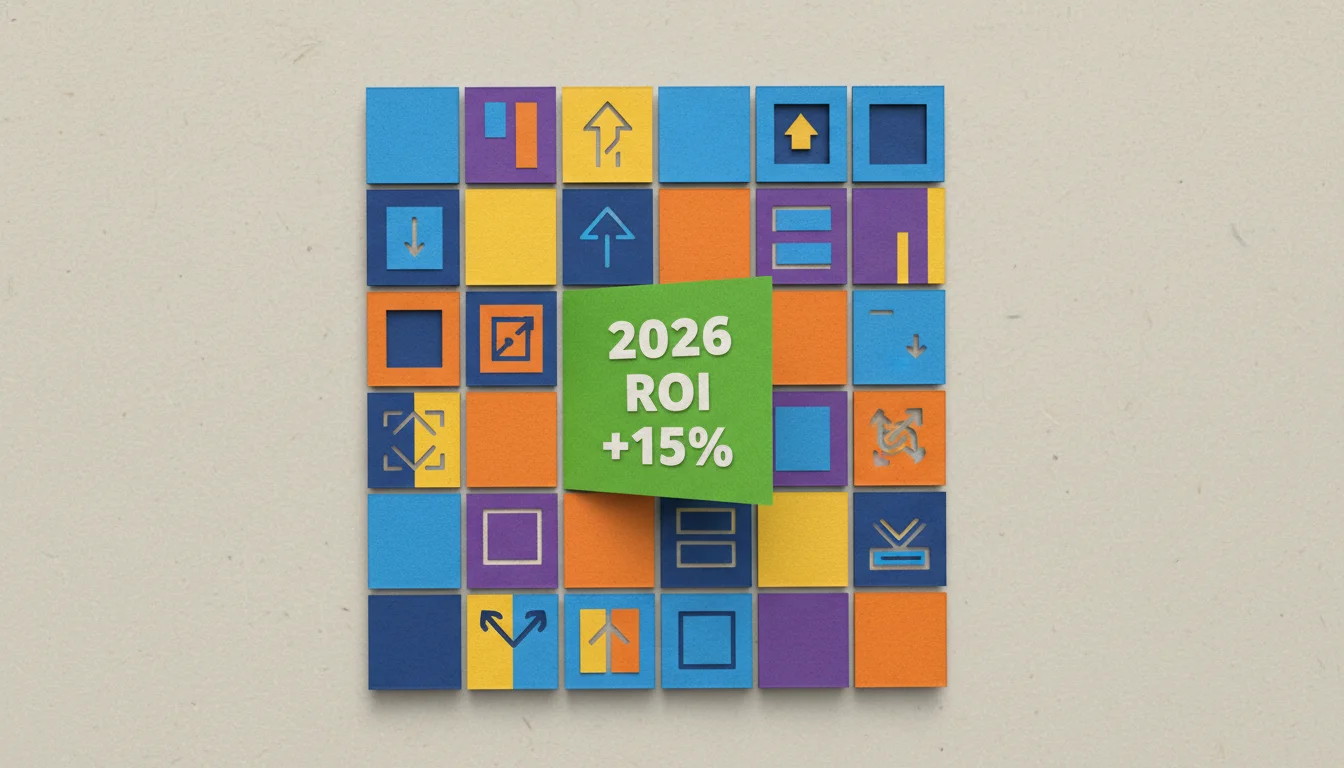
- By 2026, AI-powered predictive analytics for video ad placement will enable budget reallocation to channels demonstrating the highest probability of conversion, potentially improving ROI by 15% or more.
- A successful AI integration for cross-channel video requires a unified data strategy, consolidating audience insights from all platforms into a central data warehouse for AI processing.
“Cost savings matter, but they’re secondary. According to Gartner, software spending continues to climb even as organizations add more tools. The biggest returns come from reinvesting operational gains — better data, faster workflows, fewer integration failures — into execution.”
The Imperative for Unified Video Ad Delivery
In 2026, consumers navigate a complex media field, flitting between connected TV (CTV), social media feeds, and various digital platforms. This fragmented attention means a video ad seen on YouTube might be forgotten by the time the same user encounters a similar message on Instagram. The core challenge for advertisers has always been consistency and relevance across these diverse environments. Without a mechanism for integrated campaigns, brands often resort to siloed strategies, leading to repetitive exposures for some users and complete misses for others. This isn’t just inefficient. It actively erodes brand perception and diminishes the effectiveness of even the most compelling creative.
Consider the typical user journey: someone watches a product demo on a streaming service, then later sees a static banner ad for the same product on a news website, and finally, a short-form video featuring a different aspect of the product on TikTok. Without intelligence coordinating these touchpoints, these individual exposures function in isolation. The opportunity lies in making each interaction build upon the last, creating a narrative arc that moves the prospect closer to conversion. This requires a level of data processing and real-time decision-making that human teams simply cannot achieve at scale. The sheer volume of audience data points, channel specificities, and creative variations demands an automated, intelligent approach.
How AI Facilitates Cross-Channel Sync
Artificial intelligence provides the computational power necessary to achieve true cross-channel sync for video advertising. At its heart, AI ad delivery relies on advanced algorithms that ingest and analyze vast quantities of data from every conceivable touchpoint. This includes viewing habits on CTV platforms, engagement metrics on social media like LinkedIn Ads and Meta Business Suite, and even interactions with display ads on publisher sites. The AI doesn’t just collect this data. It learns from it, identifying patterns and predicting optimal pathways for individual users.
One primary mechanism is the creation of dynamic audience segments. Instead of broad demographic targeting, AI can identify micro-segments based on specific behaviors, interests, and their current position in the conversion funnel. For example, a user who watched 75% of a brand’s video ad on Hulu and then visited the product page on the brand’s website might be flagged for a follow-up ad on X (formerly Twitter) showing user testimonials, rather than the initial product overview. This intelligent sequencing ensures that each subsequent ad exposure provides new, relevant information, preventing ad fatigue and maintaining engagement. The precision here is key. It moves beyond simple retargeting to genuinely personalized ad journeys.
Plus, AI models are adept at optimizing bid strategies and budget allocation in real time. They can identify which channels are currently delivering the highest return on ad spend for specific audience segments and automatically shift budget to capitalize on those opportunities. This dynamic reallocation means that if CTV viewership spikes in a particular demographic while social media engagement dips, the AI can adjust spend accordingly, maximizing efficiency without constant manual intervention. This capability is not just about saving money. It’s about accelerating campaign performance and achieving goals faster. A 2023 IAB report on AI in Advertising highlighted that brands implementing AI for media buying saw a significant improvement in campaign efficiency and targeting accuracy, a trend that has only accelerated into 2026.
The Data Foundation for Integrated Campaigns
Achieving effective integrated campaigns through AI hinges entirely on the quality and accessibility of data. Without a unified data strategy, even the most sophisticated AI algorithms will struggle. The first step involves consolidating data from all advertising platforms, customer relationship management (CRM) systems, and website analytics into a central data warehouse or Customer Data Platform (CDP). This single source of truth allows the AI to develop a well-rounded view of each customer’s journey, rather than fragmented insights from isolated platforms.
Data cleanliness and standardization are also paramount. Inconsistent naming conventions, missing fields, or duplicate entries can severely hamper an AI’s ability to draw accurate conclusions. Brands must invest in strong data governance practices, ensuring that all incoming data is properly tagged, formatted, and de-duplicated. This can involve implementing strict data entry protocols or employing automated data cleansing tools. I’ve seen campaigns falter not because the AI was flawed, but because the underlying data it was fed was riddled with inconsistencies. Garbage in, garbage out, as the saying goes, applies acutely to AI-driven advertising.
Beyond raw impression and click data, the most valuable inputs for AI include granular engagement metrics. This means tracking not just whether a video was viewed, but for how long, whether it was muted, if the user clicked through, and what subsequent actions they took on the landing page. For CTV, this might involve integrating viewership data with household IP addresses to connect it with other digital interactions. For social media, it’s about understanding comments, shares, and reactions. The richer and more detailed this behavioral data, the more intelligently the AI can personalize the ad experience and refine its predictive models for future placements.
Challenges and Considerations in AI Ad Delivery
While the benefits of AI for AI ad delivery are clear, implementing these solutions isn’t without its hurdles. One significant concern revolves around data privacy and compliance with regulations like GDPR and CCPA. AI systems process vast amounts of personal data, necessitating stringent safeguards and transparent consent mechanisms. Brands must ensure their data collection and usage practices are fully compliant, and that their chosen AI vendors adhere to these standards. Failure to do so can result in hefty fines and severe reputational damage. This is not merely a technical challenge. It’s a legal and ethical one that demands continuous vigilance.
Another challenge lies in the complexity of integrating disparate systems. Many organizations operate with legacy advertising technologies that weren’t designed for smooth data sharing. Connecting these systems to a central AI platform often requires custom API integrations, significant development work, and ongoing maintenance. This can be a substantial upfront investment, both in terms of time and resources. It’s why many brands opt for complete platforms that offer integrated solutions, though even these require careful configuration to align with specific business needs.
Finally, there’s the human element. While AI automates many tasks, it doesn’t eliminate the need for skilled marketers. Rather, it shifts their role from manual execution to strategic oversight, data interpretation, and creative development. Marketers need to understand how the AI works, how to feed it the right data, and how to interpret its recommendations. Training teams on these new tools and methodologies is a critical, often overlooked, aspect of successful AI adoption. The most effective campaigns are those where human creativity and strategic thinking are amplified by AI’s analytical power, not replaced by it.
Measuring Success in a Cross-Channel AI Environment
Defining and measuring success in an AI-driven, cross-channel sync environment requires a shift from traditional, last-click attribution models. With AI orchestrating multiple touchpoints, it becomes imperative to understand the cumulative impact of each interaction on the customer journey. This necessitates moving towards multi-touch attribution models, such as linear, time decay, or U-shaped models, which assign credit to various touchpoints leading to a conversion. AI itself can play a role here, using machine learning to develop custom attribution models that more accurately reflect how different channels contribute to specific business outcomes.
Key performance indicators (KPIs) should extend beyond simple clicks and impressions to include metrics like view-through conversions, video completion rates across platforms, sequential ad exposure rates, and the impact on brand lift studies. For example, an AI might demonstrate that users exposed to a specific video ad sequence across CTV and mobile display have a 20% higher purchase intent compared to those who only saw the ad on a single channel. This kind of insight provides a much clearer picture of ROI than simply comparing cost-per-click on individual platforms. According to Nielsen’s 2024 report on full-funnel marketing metrics, integrating brand lift with performance metrics is becoming essential for understanding true campaign effectiveness.
Plus, regular auditing of the AI’s performance is non-negotiable. This involves reviewing the algorithms’ decisions, identifying any biases in targeting or delivery, and ensuring that the AI is consistently aligning with campaign goals. While AI offers automation, it’s not a set-it-and-forget-it solution. Marketers must maintain an active role in monitoring, testing, and refining the AI’s parameters to ensure it continues to deliver optimal results. This iterative process of learning and adjustment is what truly unlocks the long-term value of AI in advertising. For more insights into optimizing your campaigns, explore strategies for AI video ad audits.
The future of video advertising is undoubtedly intertwined with AI, offering unprecedented precision and efficiency for cross-channel campaigns. Brands that embrace this technology, grounded in strong data strategies and clear measurement frameworks, will be exceptionally well-positioned to capture audience attention and drive meaningful business growth. Understanding what marketers must know for 2026 regarding ad algorithms will be important for this success.
What is cross-channel sync in video advertising?
Cross-channel sync in video advertising refers to the coordinated delivery of video ad content across various digital platforms and devices, ensuring a consistent and progressive brand message that builds over time for individual users, rather than repeating or showing disconnected ads.
How does AI improve video ad delivery across multiple channels?
AI improves video ad delivery by analyzing real-time audience behavior and engagement data across all channels, then dynamically optimizing ad sequencing, creative variations, and budget allocation to deliver the most relevant message to each user at the optimal moment, reducing waste and increasing impact.
What kind of data is essential for effective AI-driven integrated campaigns?
Effective AI-driven campaigns require complete data including impression and click data, granular video engagement metrics (e.g., view-through rates, completion rates), website analytics, CRM data, and audience demographic/psychographic information, all consolidated into a unified platform.
What are the main challenges when implementing AI for cross-channel video ads?
Key challenges include ensuring data privacy compliance, integrating disparate legacy advertising systems, maintaining data quality and consistency, and training marketing teams to effectively manage and interpret AI-driven insights and campaign adjustments.
How should success be measured for AI-powered integrated video campaigns?
Success should be measured using multi-touch attribution models that credit various touchpoints across channels, alongside KPIs suchs as view-through conversions, sequential ad exposure rates, brand lift metrics, and overall return on ad spend, rather than relying solely on last-click attribution.


