 By Editorial Team
The Shifting Sands: How AI is Reshaping the Future for Freelance Creatives
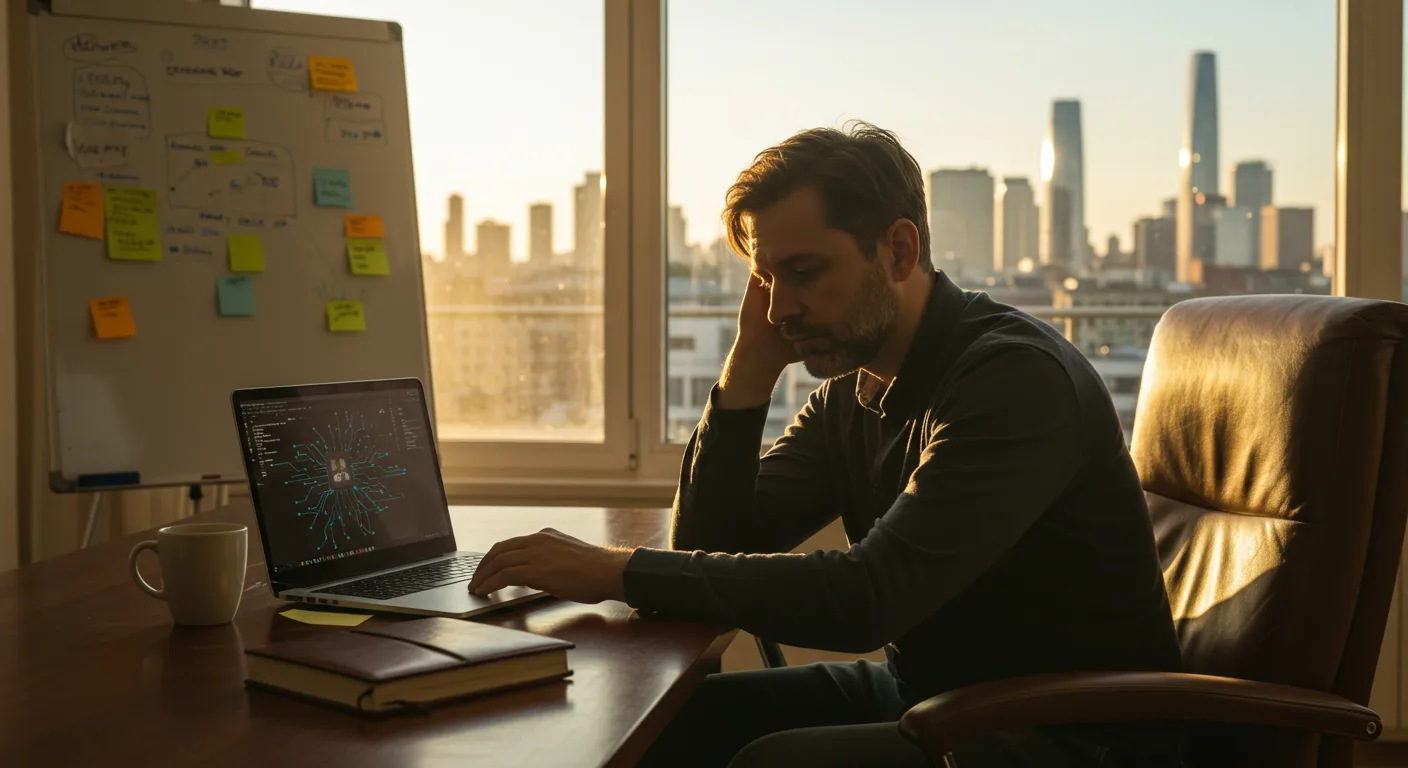
The year is 2026, and Sarah, a talented freelance graphic designer in Atlanta, is sweating. Not from the Georgia heat, but from the creeping realization that AI tools are rapidly encroaching on her livelihood. Her once-steady stream of logo design projects has dwindled to a trickle. Can she adapt, or will she become another casualty of the AI revolution?
Key Takeaways
- Freelance creatives must embrace AI tools to augment their skills and remain competitive, focusing on areas where human creativity still reigns supreme.
- Marketing strategies for freelance creatives should shift towards showcasing unique human elements like emotional intelligence and nuanced understanding of client needs.
- Platforms like YouTube offer a powerful avenue for freelance creatives to build personal brands and demonstrate expertise in navigating the AI-driven creative landscape.
Sarah’s not alone. I’ve seen this anxiety firsthand with several creatives I’ve mentored. The rise of AI image generators and automated video editing software is causing widespread concern among freelance creatives. The fear is real: will AI replace human creativity entirely? The answer, thankfully, is more nuanced than a simple yes or no.
The problem Sarah faced wasn’t a lack of talent, but a failure to adapt. She was still relying on the same techniques and marketing strategies she’d used for years, while the world around her was changing at warp speed. She needed a new approach.
One of the first things I advised Sarah to do was to embrace AI tools. I know, it sounds counterintuitive. But think of it this way: AI can handle the tedious, repetitive tasks, freeing up your time to focus on the truly creative aspects of your work. For example, instead of spending hours manually removing backgrounds from images, she could use an AI-powered tool to do it in seconds, then use that extra time to refine the design and add her personal touch.
According to a recent IAB report on AI and marketing [IAB Report on AI and Marketing](https://www.iab.com/insights/ai-and-marketing/), 78% of marketers believe AI will significantly change the creative process within the next two years. It’s not about replacing humans, but about augmenting their abilities.
Sarah started experimenting with different AI tools. She found that Adobe Creative Cloud now integrates AI features directly into its applications, allowing her to streamline her workflow. She began using AI-powered tools for tasks like color correction, image upscaling, and even generating initial design concepts.
But here’s the thing: AI can’t replicate human emotion, empathy, or nuanced understanding. That’s where freelance creatives still have a significant advantage. We had a case last year at my firm where a client, a local bakery called “Sweet Surrender” near the intersection of Peachtree and Piedmont, tried using an AI to generate marketing copy for their new line of gluten-free treats. The AI produced grammatically correct, factually accurate text, but it lacked the warmth and personality that Sweet Surrender was known for. The client ultimately came back to us, because they wanted copy that captured the feeling of biting into one of their delicious pastries.
That brings me to my next point: rethink your marketing strategy. Stop focusing on what AI can do, and start highlighting what you can do that AI can’t. Emphasize your ability to understand client needs, build relationships, and bring a unique human perspective to every project. Thinking about a new approach to ads? You might want to consider modular ads for hyper-personalization.
Sarah started showcasing her process on YouTube. She created videos that showed her working on projects, explaining her design decisions, and sharing her insights into the creative process. She even made a video where she compared her own work to AI-generated designs, highlighting the subtle differences that made her work stand out. This wasn’t just self-promotion; it was about educating potential clients and demonstrating the value of human creativity. A Nielsen study [Nielsen Data](https://www.nielsen.com/insights/) found that consumers are 70% more likely to trust brands that provide transparent and authentic content. Sarah understood this intuitively.
It’s also important to specialize. Don’t try to be a jack-of-all-trades. Identify your niche, and become the go-to expert in that area. Sarah, for example, decided to focus on branding for small businesses in the Atlanta area. She understood the local market, she knew the challenges that small businesses faced, and she could offer a personalized service that AI couldn’t match. This kind of hyperlocal ROI is hard to beat.
Another critical area is building a strong personal brand. In a world saturated with AI-generated content, it’s more important than ever to stand out from the crowd. Your personal brand is what sets you apart from the machines. This means having a professional website, an active presence on social media, and a clear and consistent message.
I’ll be blunt: nobody tells you how much time goes into personal branding and self-promotion as a freelancer. It’s easily half the work, if you want to succeed.
Sarah started attending local networking events, like the ones hosted by the Atlanta chapter of the American Marketing Association. She connected with other creatives, potential clients, and industry influencers. She also started writing articles for industry blogs and participating in online forums.
And it worked. Slowly but surely, Sarah’s business started to rebound. She was still using AI tools to streamline her workflow, but she was now positioning herself as a creative partner, not just a service provider. She was offering something that AI couldn’t: a human touch, a personal connection, and a deep understanding of her clients’ needs.
Her YouTube channel gained traction, attracting potential clients who appreciated her insights and her willingness to share her knowledge. Her branding expertise for local businesses became her unique selling point, drawing in clients who wanted a personalized approach.
According to eMarketer [eMarketer research](https://www.emarketer.com/), social media marketing spending is projected to reach $100 billion by 2027. Sarah was smart to tap into this trend.
Remember that bakery, Sweet Surrender? They hired Sarah to revamp their entire brand, from their logo to their website to their social media presence. She created a brand that was both modern and authentic, capturing the essence of Sweet Surrender’s delicious treats and their commitment to the community. The result? Increased brand awareness, higher customer engagement, and a significant boost in sales. If you’re looking for similar outcomes, consider these marketing checklists for success.
The future for freelance creatives isn’t about competing with AI. It’s about collaborating with AI, and leveraging its power to enhance your own creativity. It’s about focusing on the human elements that AI can’t replicate, and positioning yourself as a valuable partner in a world that’s increasingly driven by technology.
How can freelance creatives effectively use YouTube for marketing in 2026?
YouTube is a powerful platform to showcase your expertise and build a personal brand. Create tutorials, share your creative process, offer insights into industry trends, and engage with your audience. Consistency is key; aim for regular uploads to keep your audience engaged.
What are the most important skills for freelance creatives to develop in the age of AI?
Focus on skills that AI struggles to replicate: emotional intelligence, critical thinking, complex problem-solving, and creativity. Develop strong communication and collaboration skills to work effectively with clients and other professionals.
How can freelance creatives differentiate themselves from AI-generated content?
Emphasize your unique human perspective, your ability to understand client needs, and your commitment to building relationships. Showcase your personality and your passion for your work. Focus on creating content that is authentic, engaging, and relatable.
What types of AI tools should freelance creatives be exploring?
Explore AI-powered tools for tasks like image editing, video editing, copywriting, and social media management. Experiment with different tools to find the ones that best fit your workflow and your creative style. Look for tools that can automate repetitive tasks and free up your time to focus on the more creative aspects of your work.
How can freelance creatives stay up-to-date with the latest AI trends and technologies?
Follow industry blogs, attend webinars, and participate in online forums. Network with other creatives and technology professionals. Experiment with new AI tools and technologies as they emerge. Be a lifelong learner, and be willing to adapt to the ever-changing landscape of AI.
The lesson here? Don’t fear the machines. Embrace them. Understand them. And use them to amplify your own unique human creativity. The future isn’t about AI replacing creatives; it’s about AI empowering them. So, instead of resisting the change, freelance creatives must adapt their skills and marketing approaches to thrive in this new era. If you are looking for more ways to thrive, check out this article on how to thrive in the gig economy.
Don’t wait for the future to arrive; start building your personal brand on YouTube today. Create a video showcasing your unique skills and perspective. You might be surprised at the results.


