The Algorithmic Muse: Will AI Replace Creative Inspiration?
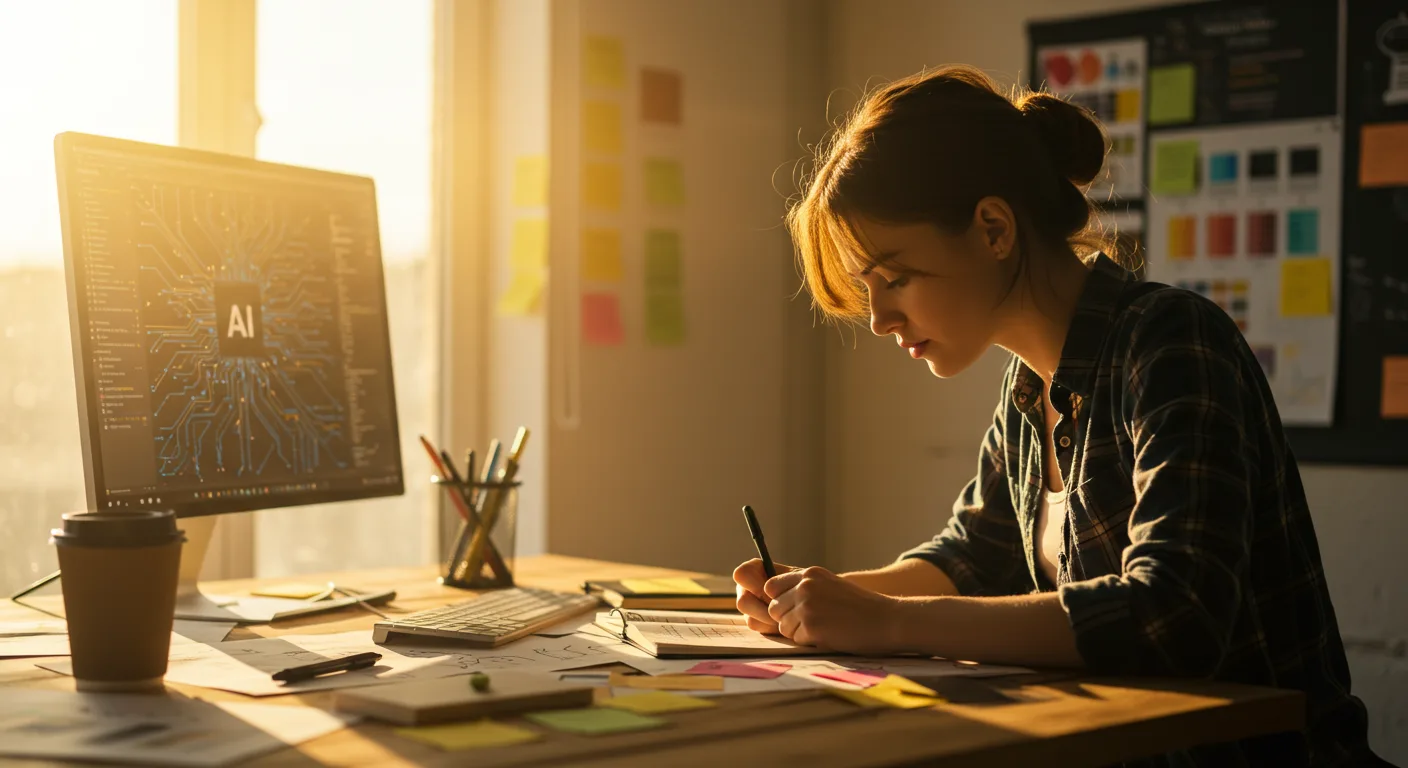
Sarah stared at her screen, the cursor blinking mockingly on the blank canvas of her latest ad campaign brief. As the Creative Director for “Peach State Provisions,” a Georgia-based company specializing in artisanal peach preserves and pecan candies, she was usually brimming with ideas. But today? Nothing. Her deadline loomed, and the usual spark of creative inspiration felt like a distant ember. Was this the future of marketing? A constant battle against creative burnout, only to be replaced by AI-generated mediocrity?
Peach State Provisions had been riding high. Their “Southern Comfort in a Jar” campaign, featuring stunning photography of North Georgia orchards and heartwarming stories of local farmers, had been a huge success, boosting online sales by 35% in Q3 2025. But that was then. Now, Sarah felt stuck. The pressure to replicate that success, combined with the constant barrage of new AI tools promising to automate creativity, was stifling her. She wondered if this was another case of wasting ad dollars.
“Another day, another AI article claiming to ‘replace’ creatives,” she muttered, scrolling through her LinkedIn feed. She saw an ad for “MuseAI,” a platform claiming to generate entire marketing campaigns from a single prompt. Tempting, sure, but… soulless.
I’ve been in marketing for over 15 years, and I’ve seen trends come and go. But this AI push feels different. It’s not just about automation; it’s about fundamentally changing how we approach creativity.
The Rise of Algorithmic Assistance
The truth is, AI is already impacting creative workflows. Platforms like Adobe Creative Cloud have integrated AI-powered features for years, from content-aware fill in Photoshop to automated audio mixing in Audition. But these are tools to assist creatives, not replace them.
The real shift is happening in content generation. We’re seeing AI tools that can write blog posts, design social media graphics, and even compose music. According to a recent report by eMarketer, 67% of marketers are experimenting with AI-powered content creation tools in 2026. eMarketer
But here’s what nobody tells you: most of that AI-generated content is… bland. It lacks the originality, the emotional resonance, and the sheer humanity that makes great marketing stand out.
The Case of the Clueless Campaign
Sarah, desperate for a breakthrough, decided to test MuseAI. She input a detailed brief: “Promote Peach State Provisions’ new line of sugar-free peach preserves to health-conscious consumers in the Atlanta metro area. Highlight the use of locally sourced peaches and the product’s natural sweetness.”
MuseAI churned out a campaign in minutes: a series of generic social media posts, a bland email sequence, and a landing page that looked like it was ripped from a 2010 template. The headline? “Peach Preserves: A Healthy Treat!” Groundbreaking.
The AI even suggested targeting keywords like “sugar-free snacks” and “healthy desserts.” Sure, those are relevant, but they completely missed the brand’s essence: the connection to Georgia, the artisanal craftsmanship, the feeling of Southern hospitality. Perhaps she should have focused on Target Marketing Pros.
Sarah sighed. It was technically correct, but utterly devoid of soul. She showed it to her team. The response was unanimous: “It’s… fine.” Fine wasn’t going to cut it.
The Human Element: Still Essential
So, what’s the solution? Are we doomed to a future of AI-generated mediocrity? Not at all. The key is to understand the limitations of AI and to focus on what humans do best: strategic thinking, emotional connection, and original ideation.
“AI can be a powerful tool,” explains Dr. Anya Sharma, a professor of Marketing at Georgia State University. “But it’s only as good as the data it’s trained on. It can identify patterns and generate content based on those patterns, but it can’t create something truly new or unexpected.”
Dr. Sharma pointed to the IAB’s latest report on the state of digital advertising, which emphasizes the importance of “human-centric creativity” in building brand trust and driving engagement. IAB
I agree with Dr. Sharma. AI can help us automate repetitive tasks, analyze data, and generate initial ideas. But it can’t replace the human spark that makes marketing truly memorable. If you want to create video ads that convert, you still need that human element.
Finding the Spark Again
Sarah realized she needed to reconnect with the essence of Peach State Provisions. She decided to visit one of the local peach orchards they worked with, Mercier Orchards in Blue Ridge. Spending the day surrounded by the sweet scent of ripe peaches, talking to the farmers, and learning about their passion for their craft, reignited her creative inspiration.
She came back to the office with a new idea: a campaign that focused on the story of the peaches themselves. Instead of generic health claims, she wanted to showcase the beauty of the Georgia landscape, the dedication of the farmers, and the simple pleasure of enjoying a taste of summer.
The “Georgia Sunshine in Every Spoonful” Campaign
The new campaign, titled “Georgia Sunshine in Every Spoonful,” was a resounding success. It featured stunning videography of Mercier Orchards, showcasing the peach harvest and the process of making the preserves. It included interviews with the farmers, sharing their stories and their passion for their work. And it highlighted the natural sweetness of the peaches, without resorting to generic health claims.
The results? Online sales of the sugar-free preserves increased by 42% in Q1 2026, and Peach State Provisions saw a significant boost in brand awareness and customer loyalty. The campaign even won a “Golden Peach” award at the annual Georgia Food Industry Association gala.
Here’s the kicker: Sarah did use AI in the campaign. She used an AI-powered tool to optimize the video editing workflow, saving her team hours of tedious work. And she used AI-powered analytics to track the campaign’s performance and identify areas for improvement. But the core idea, the emotional resonance, the human connection – that was all her.
The Future is Hybrid
The future of creative inspiration in marketing isn’t about AI replacing humans; it’s about humans and AI working together. It’s about using AI to automate tasks, analyze data, and generate initial ideas, while still relying on human creativity, strategic thinking, and emotional intelligence to create truly impactful campaigns.
We ran into this exact issue at my previous firm. We were so focused on the shiny new AI tools that we forgot about the fundamentals of good marketing: understanding your audience, crafting a compelling story, and building a genuine connection. It’s easy to fall into the trap of listicle fails when relying too heavily on AI.
So, the next time you’re feeling stuck, don’t just rely on AI to generate ideas. Go out, experience the world, talk to people, and reconnect with the essence of your brand. That’s where the real creative inspiration lies.
The key to future success is not fearing AI, but embracing it as a tool to augment our own abilities. By focusing on our unique strengths – empathy, critical thinking, and imagination – we can ensure that marketing remains a human-driven endeavor, even in the age of algorithms.
Will AI eventually replace creative marketers?
I don’t believe so. While AI can automate tasks and generate content, it lacks the emotional intelligence and strategic thinking that are essential for effective marketing. The best marketers will be those who can combine their human skills with the power of AI.
What skills will be most important for marketers in the future?
Skills like critical thinking, problem-solving, communication, and emotional intelligence will be crucial. Marketers will also need to be comfortable working with data and technology, including AI-powered tools. Adaptability and a willingness to learn will be key to success.
How can marketers stay inspired in an increasingly AI-driven world?
It’s important to stay connected to the real world. Attend industry events, read books, travel, and talk to people from different backgrounds. Don’t be afraid to experiment and try new things. And remember to take breaks and recharge your creative batteries.
What are some ethical considerations when using AI in marketing?
Transparency and honesty are essential. Be upfront with customers about how you’re using AI. Avoid using AI to manipulate or deceive people. And be mindful of bias in AI algorithms, ensuring that your marketing campaigns are fair and inclusive.
How can small businesses leverage AI for marketing without breaking the bank?
Start small and focus on specific tasks that can be automated, such as social media scheduling or email marketing. There are many affordable AI-powered tools available. Also, consider partnering with other businesses or freelancers to share resources and expertise.
Don’t fear the rise of AI. Embrace it. Use it to amplify your creativity. But never forget the human connection that makes marketing truly meaningful. That’s the future.





