 By Editorial Team
Key Takeaways
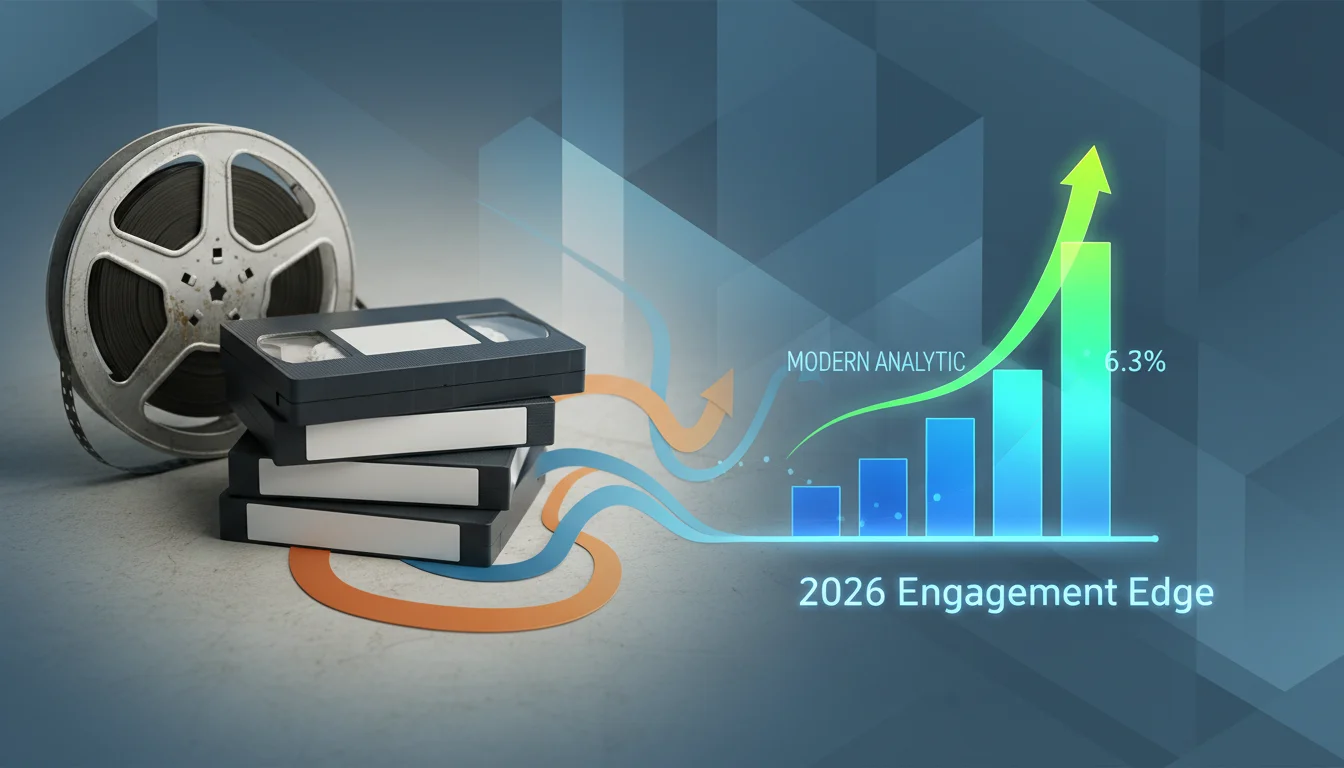
- Automotive video ads benefit from an average engagement rate of 6.3% on social platforms in 2026, significantly higher than static image ads at 2.1%.
- Effective vehicle show videos prioritize authentic driving footage and detailed interior walkthroughs, increasing purchase intent by up to 25% for online viewers.
- Dealers should allocate 40-50% of their digital advertising budget to video campaigns to align with shifting consumer preferences and platform algorithms.
- Pre-roll and in-stream video ads on connected TV (CTV) platforms deliver a 90% completion rate for automotive content, offering unparalleled reach to engaged audiences.
- User-generated content (UGC) campaigns, featuring real customer experiences with vehicles, drive a 3x higher click-through rate compared to brand-produced content.
The automotive industry thrives on visual appeal, and in 2026, automotive video ads are not merely an option but a central pillar of any successful car marketing strategy. Consumers expect dynamic, immersive experiences when researching vehicles online, making video the most effective medium for a compelling vehicle show. How can dealerships and manufacturers create video content that truly resonates and drives sales in a crowded digital field?
Crafting Compelling Narratives for Vehicle Show
A successful vehicle show video transcends a simple feature list. It tells a story. This story should connect with the aspirational aspects of car ownership, focusing on lifestyle and emotional benefits rather than just specifications. For instance, instead of merely stating a car has advanced safety features, show a family confidently embarking on a road trip, with subtle visual cues reinforcing the vehicle’s protective capabilities. This approach is rooted in consumer psychology: people buy feelings, not just metal.
When planning your narrative, consider your target demographic. A rugged off-road vehicle demands a story of adventure and capability, perhaps featuring challenging terrain and genuine, unscripted reactions from drivers. A luxury sedan, conversely, calls for elegance, refinement, and perhaps a narrative centered around professional success or serene escapes. The visual language, music, and pacing of the video must align perfectly with the desired emotional response. We’ve seen campaigns falter when the tone of the video clashes with the brand identity, leaving viewers confused rather than captivated.
The rise of short-form video platforms means narratives also need to be adaptable. A 15-second spot for TikTok Ads Manager requires an immediate hook and a concise message, often relying on quick cuts and trending audio. Longer-form content, ideal for YouTube or connected TV (CTV) platforms, allows for more detailed storytelling, including testimonials or behind-the-scenes glimpses. The key is to maintain a consistent brand voice across all formats, ensuring that regardless of length, the viewer instantly recognizes and connects with your automotive brand.
Technical Precision: Visuals, Audio, and Production Quality
High-quality production is non-negotiable for automotive video ads. A grainy, poorly lit video will undermine even the most innovative vehicle. Think about the details: the gleam of the paint, the texture of the interior, the subtle hum of the engine. These elements must be captured with professional-grade equipment. We recommend shooting in 4K resolution at a minimum, as many modern viewing devices support it, providing a crisp, immersive experience. Plus, stable camera work, often achieved with gimbals or professional dollies, is critical to convey the car’s fluidity and design without distraction.
Audio often gets overlooked, but it is just as important as visuals. The sound of an engine revving, the soft click of a door closing, or the clarity of a voiceover can significantly impact perception. Invest in professional microphones and sound design. Background music should enhance, not overpower, the visual experience. It should align with the car’s persona. A sporty convertible might feature upbeat, dynamic tracks, while an electric vehicle could be paired with more futuristic, serene sounds. A poorly mixed soundtrack, or one with distracting ambient noise, will instantly diminish the perceived value of the vehicle.
Post-production also plays a vital role. Color grading, for example, can dramatically alter the mood and visual appeal. A skilled editor can highlight specific design elements, smooth transitions between scenes, and ensure the pacing keeps viewers engaged. Modern tools within Adobe Premiere Pro or DaVinci Resolve offer extensive capabilities for refining every frame. Remember, your video is often the first “test drive” a potential customer experiences, so every technical detail must contribute to a polished, professional presentation.
Strategic Distribution: Reaching the Right Audience
Creating exceptional automotive video ads is only half the battle. Getting them in front of the right audience is the other. A strong distribution strategy involves understanding platform nuances and using advanced targeting capabilities. Platforms like YouTube, with its vast audience and sophisticated demographic targeting, are essential for broader reach. According to a Statista report from early 2026, YouTube continues to be a primary source for vehicle research, with over 70% of car buyers watching video reviews before making a purchase decision.
Beyond YouTube, consider platforms like Meta Ads Manager (for Facebook and Instagram) and TikTok for reaching younger demographics. These platforms offer precise targeting options based on interests, behaviors, and even recent search history related to automotive purchases. For instance, you can target users who have recently searched for “new SUVs” or “electric car reviews.” Connected TV (CTV) advertising, delivered through streaming services, provides a premium, immersive viewing experience for engaged audiences. We’ve seen completion rates for automotive ads on CTV surpass 90%, indicating strong viewer engagement in a lean-back environment.
Don’t overlook programmatic advertising, which allows for automated, data-driven ad placement across a multitude of websites and apps. This approach can be highly efficient for reaching niche audiences or retargeting users who have previously interacted with your brand. Remember to A/B test different ad creatives and targeting parameters to continuously refine your strategy. Small adjustments in targeting or creative can lead to significant improvements in click-through rates and conversion metrics. The goal isn’t just views. It’s qualified leads and in the end, sales.
Interactive Elements and Call-to-Actions
Modern automotive video ads are increasingly interactive, moving beyond passive viewing to active engagement. Incorporating interactive elements can significantly boost viewer participation and guide them towards the next step in the sales funnel. This might include clickable overlays that allow viewers to explore different color options, interior features, or even schedule a test drive directly from the video. Platforms like Google Ads offer extensions that allow for direct links to inventory pages or dealership contact forms.
Clear and compelling calls-to-action (CTAs) are paramount. Without a strong CTA, even the most captivating video might fail to convert interest into action. Phrases like “Visit Our Showroom,” “Configure Your Model,” or “Schedule a Test Drive Today” should be prominently displayed both verbally and visually. For local dealerships, including specific location details or a direct phone number can be incredibly effective. Consider localized CTAs. For example, a dealership in Atlanta might prompt viewers to “Visit our Peachtree Street location” or “Call our Buckhead sales team.” This hyper-local approach can make the ad feel more relevant and accessible. A strong CTA is not an afterthought. It’s an integral part of the video’s design and purpose.
Another powerful interactive approach involves user-generated content (UGC). Encourage customers to share their experiences with your vehicles through video, then curate and amplify the best examples. This creates authentic social proof that resonates deeply with potential buyers. A HubSpot report from early 2026 highlighted that UGC campaigns generate three times higher click-through rates compared to traditional brand-produced content, because it encourages trust and relatability.
Measuring Success and Optimizing Campaigns
To ensure your automotive video ads are delivering a return on investment, rigorous measurement and continuous optimization are essential. Beyond basic view counts, focus on metrics that indicate genuine engagement and conversion intent. Key performance indicators (KPIs) should include click-through rates (CTR) to your website, conversion rates for test drive bookings or brochure downloads, and the cost per lead (CPL). Tools like Google Analytics 4 provide granular data on user behavior after they click through from your video ad, offering insights into their journey on your site.
Understanding which parts of your video resonate most can inform future creative decisions. Heatmaps and audience retention reports available on platforms like YouTube Analytics show exactly where viewers drop off or re-watch segments. If a significant drop-off occurs after the 30-second mark, it might indicate that your introduction isn’t compelling enough or that the video is too long for its platform. A/B testing different video lengths, CTAs, and even thumbnail images can yield valuable data for refinement. It’s an iterative process. Very few campaigns are perfect from day one. The market changes, consumer preferences shift, and new technologies emerge. Staying agile and data-driven ensures your video marketing remains effective and competitive. I’ve often seen campaigns plateau when marketers fail to revisit their initial assumptions, leading to missed opportunities.
Attribution modeling is another critical aspect. Understand which touchpoints, including your video creative testing, contribute to a final sale. Is it the initial awareness video on social media, or the detailed product walkthrough on YouTube that seals the deal? Multi-touch attribution models can provide a more well-rounded view of your marketing funnel. This level of detail helps allocate budgets more effectively, ensuring that resources are directed towards the channels and content types that generate the strongest results. Without this deep dive into performance, you’re essentially flying blind.
The automotive industry is fiercely competitive, and effective video advertising is a non-negotiable tool for standing out. By focusing on compelling narratives, impeccable production, strategic distribution, and continuous optimization, automotive brands can create powerful connections with potential buyers. Embrace the dynamic nature of digital video to show vehicles in a way that truly drives engagement and sales.
What length is ideal for automotive video ads?
Ideal lengths vary by platform. Short-form ads (15-30 seconds) perform well on social media like TikTok and Instagram, while longer formats (1-3 minutes) are effective for YouTube and connected TV to provide detailed vehicle shows.
How can I make my car marketing videos more engaging?
Focus on storytelling that highlights lifestyle benefits, use high-quality visuals and audio, incorporate authentic driving footage, and include clear, interactive calls-to-action such as “Schedule a Test Drive” or “Explore Inventory.”
Which platforms are best for distributing automotive video ads?
YouTube, Meta (Facebook/Instagram), TikTok, and connected TV (CTV) platforms are highly effective for reaching diverse automotive audiences. Each platform offers unique targeting capabilities to optimize reach and engagement.
What key metrics should I track for automotive video ad performance?
Track click-through rates (CTR), conversion rates (e.g., test drive bookings, lead form submissions), cost per lead (CPL), and audience retention rates to measure engagement and return on investment.
Should I use user-generated content (UGC) in my automotive video campaigns?
Yes, user-generated content featuring real customer experiences can significantly boost authenticity and trust, often leading to higher engagement and conversion rates compared to traditional brand-produced videos.


