Remember when everyone declared Facebook dead? Turns out, reports of its demise were greatly exaggerated. For businesses seeking a wide reach and targeted marketing opportunities, Facebook remains a powerhouse in 2026. But why? Is it simply inertia, or does the platform still offer unique advantages?
Key Takeaways
- Facebook’s detailed ad targeting, based on user data, allows businesses to reach specific demographics and interests, improving ROI.
- Facebook Groups are invaluable for community building and direct engagement with potential customers, fostering loyalty and brand advocacy.
- Ignoring Facebook as a marketing channel means missing out on a large and diverse audience, potentially hindering growth, especially for local businesses.
I recently spoke with Maria Sanchez, owner of “Dulce Sueños Bakery” in the heart of Atlanta’s Little Five Points. Maria was at her wit’s end. Her once-thriving bakery, known for its custom cakes and Latin pastries, was struggling. Foot traffic had slowed, and her previous reliance on word-of-mouth wasn’t cutting it anymore. “I felt like I was screaming into a void,” she confessed. “I tried boosting some posts on Instagram, but it didn’t seem to make a difference. My neighbor told me about Facebook, but I thought that was for older people.”
Maria’s situation isn’t unique. Many small business owners, especially those who initially found success through traditional methods, are hesitant to embrace Facebook marketing. They often perceive it as outdated or irrelevant, focusing instead on newer platforms. This is a mistake.
The reality is, Facebook’s user base remains massive and diverse. While younger demographics may favor other platforms, Facebook still boasts a significant presence across all age groups, particularly those with disposable income. According to a recent IAB report (IAB), Facebook continues to be a leading platform for digital ad spend, indicating its effectiveness in reaching consumers. It’s not about abandoning other platforms; it’s about recognizing Facebook’s unique strengths and integrating it into a holistic marketing strategy.
Maria, initially skeptical, agreed to a consultation. We started by defining her target audience: local residents within a 5-mile radius of the bakery, aged 25-55, interested in baking, Latin culture, and special events. I explained how Facebook’s detailed ad targeting capabilities allowed us to reach this specific demographic with precision. We could target users based on their interests, behaviors, demographics, and even their life events (like birthdays or engagements – perfect for cake orders!).
One of the biggest advantages of Facebook marketing is its granular targeting. You can get incredibly specific. For example, we targeted users who had recently engaged with local wedding planning pages or expressed interest in Latin American cuisine. This level of detail ensures that your ads are seen by people who are most likely to be interested in your product or service. As the Meta Business Help Center (Meta) explains, custom audiences can be created from website visitors, customer lists, and app users, further refining your reach.
We created a series of ads showcasing Dulce Sueños’ signature cakes and pastries, emphasizing the bakery’s commitment to using fresh, locally sourced ingredients. We also ran ads promoting special offers and discounts, encouraging people to visit the bakery and try their products. We used the “Boost Post” feature judiciously, but primarily focused on creating targeted ad campaigns through Facebook Ads Manager.
I’ll be frank: boosting posts alone rarely delivers significant results. It’s a blunt instrument compared to the precision of Ads Manager. You need to define your objectives, target your audience, and track your results to see a real return on investment.
But the real turning point came when we decided to leverage Facebook Groups. We created a group called “Atlanta’s Latin Baking Community,” a space for local residents to share recipes, tips, and stories related to Latin American baking. Maria actively participated in the group, sharing her expertise, answering questions, and building relationships with potential customers. A Nielsen study (Nielsen) showed that brands that actively engage in online communities see a significant increase in customer loyalty and brand advocacy.
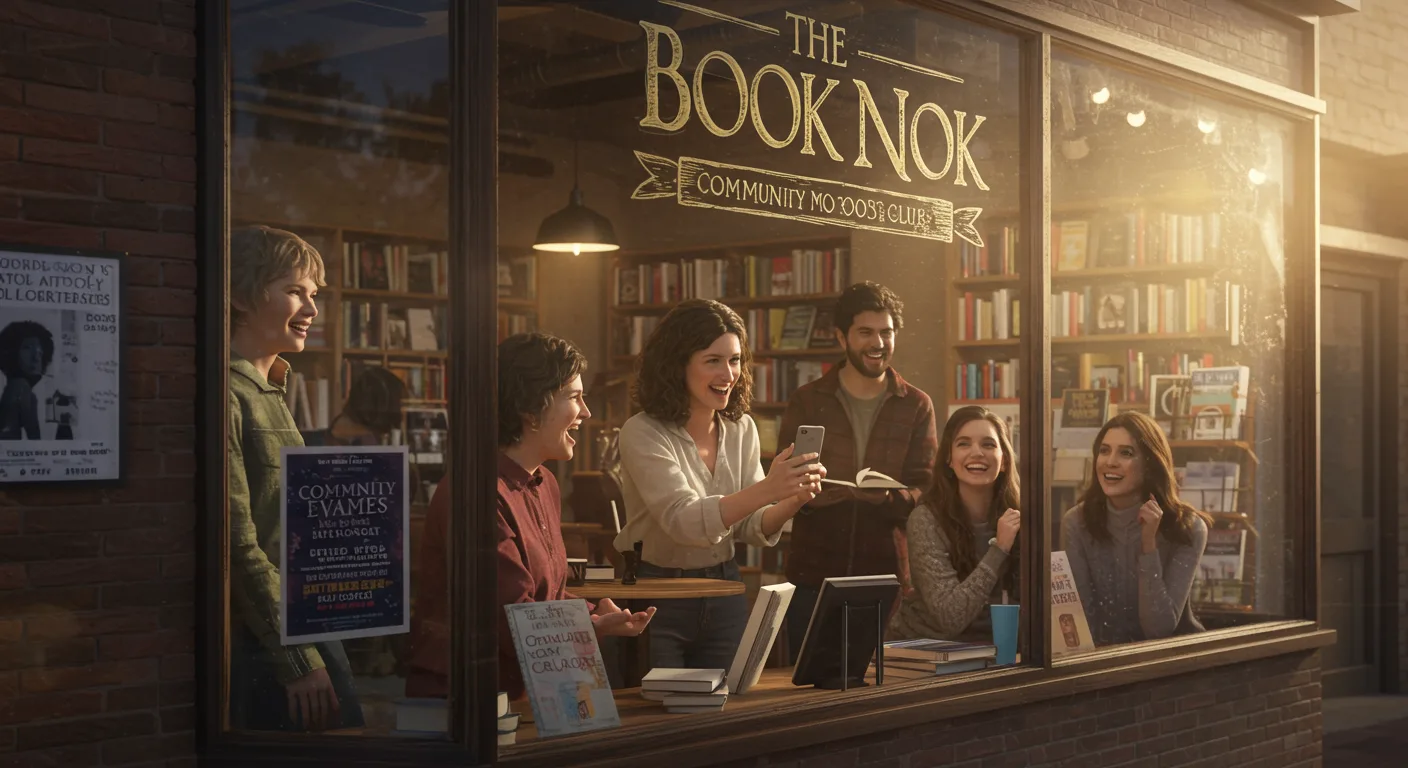
This is where Facebook truly shines. It’s not just about broadcasting your message; it’s about building a community. By creating a space for people to connect and share their passion for Latin baking, Maria was able to establish herself as a trusted authority and build a loyal following. I had a client last year, a local bookstore near the Decatur Square, who used a similar strategy with a book club group. They saw a 30% increase in sales within three months.
Within a few weeks, Maria started seeing a noticeable increase in foot traffic and online orders. Customers were coming into the bakery specifically mentioning the Facebook group and the delicious-looking cakes they had seen in the ads. Her engagement in the group fostered a sense of community around her brand, which translated directly into sales. She even started hosting baking workshops at the bakery, further solidifying her position as a local expert.
After three months, Maria’s bakery saw a 40% increase in sales compared to the previous quarter. Her online orders doubled, and she was receiving inquiries for custom cakes from all over the metro Atlanta area. (Yes, even Sandy Springs!) She even had to hire two new bakers to keep up with the demand. All from embracing Facebook!
Maria’s success demonstrates that Facebook remains a powerful marketing tool in 2026. It’s not about the platform itself; it’s about how you use it. By leveraging its targeting capabilities, building a community, and providing valuable content, you can reach a large and engaged audience and drive real results for your business. Don’t dismiss Facebook as outdated. Instead, see it as an opportunity to connect with your target audience in a meaningful way.
If you’re ready to build your business page right, be sure to optimize it for local search.
One of the biggest mistakes businesses make is wasting ad dollars on the wrong strategies. It’s essential to use data to inform your bidding.
And if you find that Instagram marketing is failing, Facebook can provide a more reliable alternative.
Is Facebook really effective for reaching younger audiences?
While younger demographics may be more active on platforms like TikTok and Snapchat, Facebook still reaches a significant portion of this audience. More importantly, their parents and grandparents are on Facebook, and they are often the ones with the buying power, especially for gifts or family-oriented products.
How much does Facebook advertising cost?
The cost of Facebook advertising varies depending on your target audience, ad placement, and bidding strategy. However, it’s generally considered to be a cost-effective way to reach a large audience compared to traditional advertising methods. According to HubSpot (HubSpot), the average cost-per-click (CPC) on Facebook is around $0.50 to $2.00.
What are some common mistakes businesses make with Facebook marketing?
Common mistakes include failing to define a clear target audience, not creating engaging content, ignoring customer feedback, and not tracking results. Many businesses also make the mistake of simply “boosting” posts without a strategic approach.
How often should I post on Facebook?
The optimal posting frequency depends on your audience and industry. However, a general guideline is to post at least 3-5 times per week to maintain engagement and visibility. Experiment with different posting times and frequencies to see what works best for your business.
What are the best types of content to share on Facebook?
The best types of content to share on Facebook include engaging videos, high-quality images, informative articles, and interactive polls or quizzes. Content that is relevant to your audience’s interests and provides value is more likely to be shared and engaged with.
So, ditch the outdated notions about Facebook. Embrace the platform’s targeting power, build a vibrant community, and watch your marketing efforts pay off. Start today by identifying three key interests of your ideal customer and create a targeted ad campaign around those interests. You might be surprised by the results.





