 By Ashley Miller
Sarah, the marketing director for “GreenLeaf Organics,” a burgeoning e-commerce brand specializing in sustainable home goods, stared at the Q3 performance report in late 2025. Their product line was exceptional, their website conversion rate solid, yet growth had plateaued. Traditional feed ads on social platforms were delivering diminishing returns, a common challenge in the increasingly crowded digital marketplace. “We need something more immediate, more captivating,” she told her team during their weekly sprint meeting. “Something that genuinely grabs attention before people scroll past.” Her focus quickly shifted to Instagram Stories, a format she knew dominated mobile screen time, but one where their video ad creatives felt… flat. The problem wasn’t just reaching users. It was about truly engaging them within those fleeting 15-second windows. How could GreenLeaf Organics transform their approach to mobile-first ads to break through the noise?
Key Takeaways
- Prioritize vertical video production (9:16 aspect ratio) for all Instagram Story ads to ensure native display and prevent black bars.
- Implement a three-second hook strategy, using dynamic visuals or a direct question, to capture viewer attention immediately in video ads.
- Integrate interactive elements like polls, quizzes, or swipe-up links directly into Story ads to increase engagement rates by up to 20%.
- Maintain a consistent, authentic brand voice and visual style across all Story ad creatives, aligning with organic content for better recall.
- Test at least three distinct creative variations per ad set, focusing on different hooks or calls to action, to identify top-performing assets.
The Vertical Imperative: Crafting for the Screen
Sarah’s initial analysis revealed a fundamental disconnect: GreenLeaf Organics was largely repurposing horizontal video content, often with noticeable black bars on the sides, for their Instagram Story ads. This immediately put them at a disadvantage. “It looks like an afterthought,” she admitted, critiquing one of their own ads. “Why would anyone stop for an afterthought?” The answer, as any seasoned digital marketer will tell you, lies in mobile-first design. The vast majority of Instagram Story consumption happens on smartphones held vertically. According to a 2025 report by eMarketer, over 80% of social media users primarily access platforms via mobile devices. This isn’t a trend. It’s the default user behavior.
Creating content specifically for the 9:16 aspect ratio isn’t merely about aesthetics. It’s about maximizing screen real estate and delivering an immersive experience. When an ad fills the entire screen, it eliminates distractions and creates a more intimate viewing environment. I’ve seen countless brands struggle here, pouring resources into high-production horizontal videos only to crop them awkwardly or, worse, shrink them down. That approach wastes both budget and viewer attention. GreenLeaf Organics needed to shift their production mindset entirely, envisioning their products within a vertical frame from conception. This meant rethinking how their eco-friendly cleaning supplies or sustainable kitchenware were presented, perhaps focusing on close-ups of textures or quick, dynamic shots of usage within a home setting.
The Three-Second Hook: Halting the Scroll
The average attention span online is notoriously short, and in the rapid-fire environment of Instagram Stories, it’s even more compressed. HubSpot research consistently indicates that the first few seconds of any video are critical for retention. For Story ads, this translates into a ruthless editing philosophy: if it doesn’t grab attention in the first three seconds, it’s likely to be swiped away. Sarah tasked her creative team with dissecting their existing video ad creatives. “What’s the absolute most compelling shot or message we can deliver immediately?” she challenged them. Their previous ads often began with a slow pan or a title card, valuable seconds lost before the product even appeared.
A strong three-second hook is non-negotiable. This could be a dramatic product reveal, a surprising statistic related to the problem the product solves, a direct question posed to the viewer, or a visually stunning effect. For GreenLeaf Organics, this meant experimenting with quick cuts showing the far-reaching power of their products, like a before-and-after shot of a sparkling clean surface or a close-up of a sustainably sourced material. They also considered starting with a bold, on-screen text overlay asking, “Tired of plastic waste?” This direct engagement often halts the scroll more effectively than passive imagery. My own experience shows that ads employing a clear, concise visual or textual hook in the opening seconds consistently outperform those with a slow build-up, sometimes by as much as 15-20% in initial view-through rates.
Interactive Engagement: Beyond the Swipe-Up
Instagram Stories aren’t just passive viewing experiences. They are inherently interactive. Brands that treat them as one-way broadcasts miss a significant opportunity. Sarah understood that simply placing a “Shop Now” swipe-up link wasn’t enough. “We need to make people feel like they’re part of the conversation,” she stated. This led GreenLeaf Organics to explore the full suite of interactive stickers available for Instagram Story ads. Features like polls, quizzes, and question stickers transform a static ad into a dynamic engagement point. For example, an ad for their plant-based cleaning spray could feature a poll: “Which room needs a refresh? Kitchen / Bathroom.” This simple interaction encourages a tap, making the viewer more invested in the ad’s content.
The data backs this up: Meta Business Help Center documentation often highlights how interactive elements can significantly boost engagement metrics. The key is to make the interaction relevant and low-friction. A quiz about sustainable living habits that subtly introduces GreenLeaf’s products, or a question sticker asking about common household cleaning challenges, can lead to higher click-through rates on the subsequent swipe-up. It’s a soft sell that builds rapport before the direct call to action. We’ve seen engagement rates on Story ads jump by double-digit percentages when interactive stickers are thoughtfully integrated, particularly when the interaction feels natural to the content and not forced.
Authenticity and Brand Voice: Blending In
One of the biggest challenges with Instagram Story ads is avoiding the “ad fatigue” that comes from overly polished, inauthentic content that sticks out like a sore thumb. Users are accustomed to seeing raw, unedited, and personal content in their friends’ Stories. When an ad looks too much like a traditional commercial, it can be jarring. Sarah emphasized the need for GreenLeaf Organics’ ads to feel native to the platform. “Our ads shouldn’t scream ‘advertisement’,” she insisted. “They should feel like something a friend might share, or a creator we trust.” This meant adopting a more casual tone, using natural lighting, and even incorporating user-generated content (UGC) where appropriate.
Maintaining a consistent brand voice and visual style, even within this more informal context, remains paramount. For GreenLeaf Organics, this meant ensuring their commitment to sustainability and natural ingredients was subtly woven into every ad. A quick shot of a product being used in a real home, or a testimonial from a genuine customer, can resonate far more than a perfectly lit studio shot. The goal isn’t to deceive users, but to create content that respects the platform’s aesthetic and the user’s viewing habits. This often means less heavy-handed branding in the initial seconds and more focus on storytelling or problem-solving. It’s a delicate balance, but one that yields significant dividends in terms of ad recall and positive brand association.
A/B Testing and Iteration: The Path to Performance
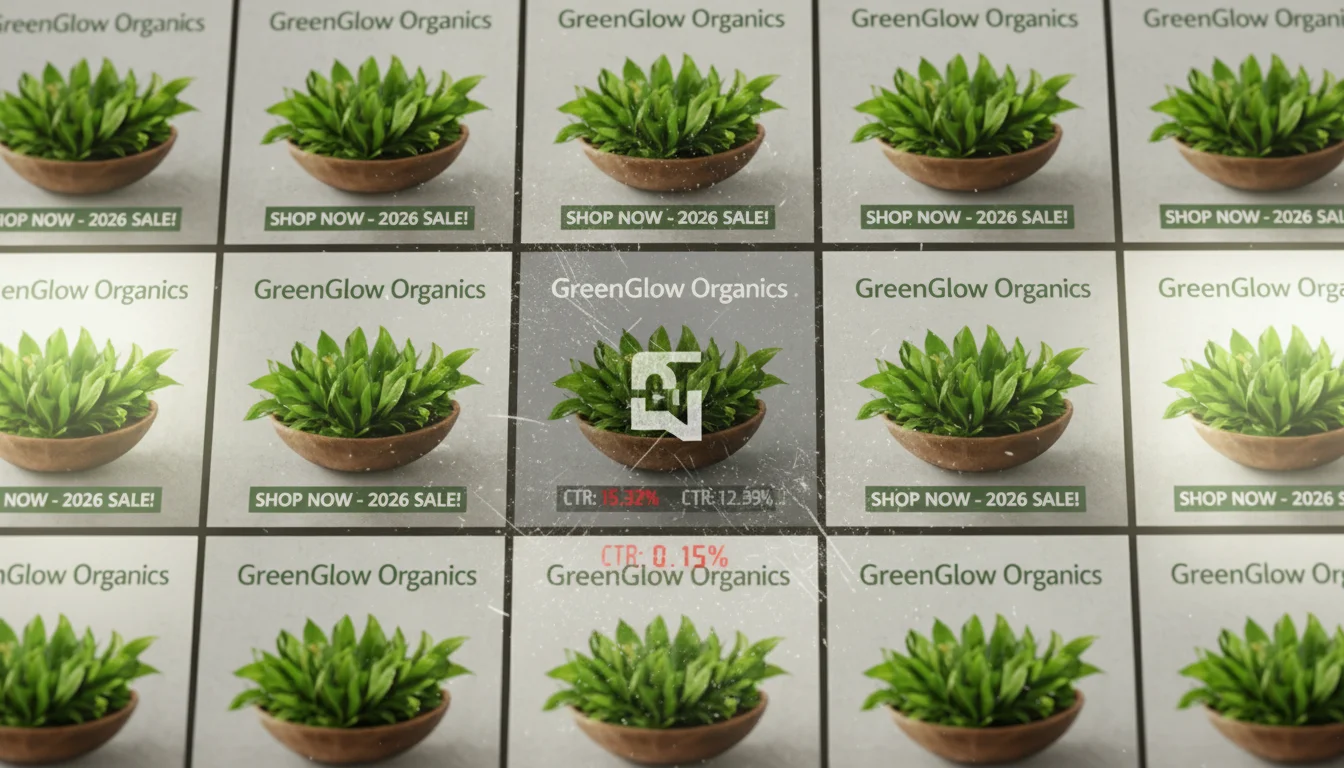
Even with the best creative strategies, success in Instagram Story ads is rarely achieved on the first attempt. It’s an iterative process demanding rigorous testing and analysis. Sarah implemented a strict A/B testing protocol for GreenLeaf Organics’ new campaigns. “We’re not just launching one ad,” she explained. “We’re launching several, each with a slightly different hook, call to action, or visual style, to see what truly resonates.” This approach, often referred to as creative testing, allows marketers to identify winning ad creatives and scale their efforts effectively.
For example, they might test three different opening hooks for the same product: one with a direct question, one with a visually striking product reveal, and one featuring a micro-influencer testimonial. They would also experiment with different calls to action (e.g., “Learn More,” “Shop Now,” “Get Your Kit”) and different background music or text overlays. Analyzing metrics like swipe-up rates, view-through rates, and in the end, conversion rates provides invaluable feedback. The key is to isolate variables and make data-driven decisions. What works for one product line or audience segment might not work for another. This continuous cycle of creating, testing, analyzing, and refining is the bedrock of any successful digital advertising strategy, especially in dynamic environments like Instagram Stories. Without it, even the most brilliant creative idea remains an unproven hypothesis.
By Q4 2025, GreenLeaf Organics’ Instagram Story ad performance had seen a marked improvement. Their vertical video ad creatives, designed with a strong three-second hook and incorporating interactive elements, were generating significantly higher engagement and click-through rates. Sarah’s team had embraced the mobile-first mindset, understanding that success wasn’t about adapting traditional ads, but about reinventing them for the unique Story format. The brand’s online sales saw a noticeable uplift, directly attributable to these refined ad strategies. The lesson was clear: effective Instagram Story ads demand specific creative attention, a commitment to testing, and a deep understanding of how users consume content on their phones. It’s not just another placement. It’s a distinct canvas requiring its own artistic and strategic approach.
What is the ideal aspect ratio for Instagram Story ads in 2026?
The ideal aspect ratio for Instagram Story ads is 9:16 (vertical). This ensures the ad fills the entire mobile screen, providing an immersive viewing experience and preventing unsightly black bars.
How important are the first few seconds of an Instagram Story ad?
The first three seconds of an Instagram Story ad are critically important for capturing viewer attention and preventing them from swiping away. A strong visual or textual hook is essential to halt the scroll.
What types of interactive elements can be used in Story ads?
Instagram Story ads support various interactive elements, including polls, quizzes, question stickers, and swipe-up links. These features encourage direct engagement and can increase ad performance.
Should Instagram Story ads look different from traditional video ads?
Yes, Instagram Story ads should ideally adopt a more native, authentic, and less overtly “commercial” aesthetic to blend smoothly with organic Story content. This often means using natural lighting, quick cuts, and a conversational tone.
Why is A/B testing important for Instagram Story ad creatives?
A/B testing is important because it allows marketers to systematically test different creative elements (hooks, calls to action, visuals) to identify which variations resonate most effectively with their target audience, leading to improved ad performance and ROI.


