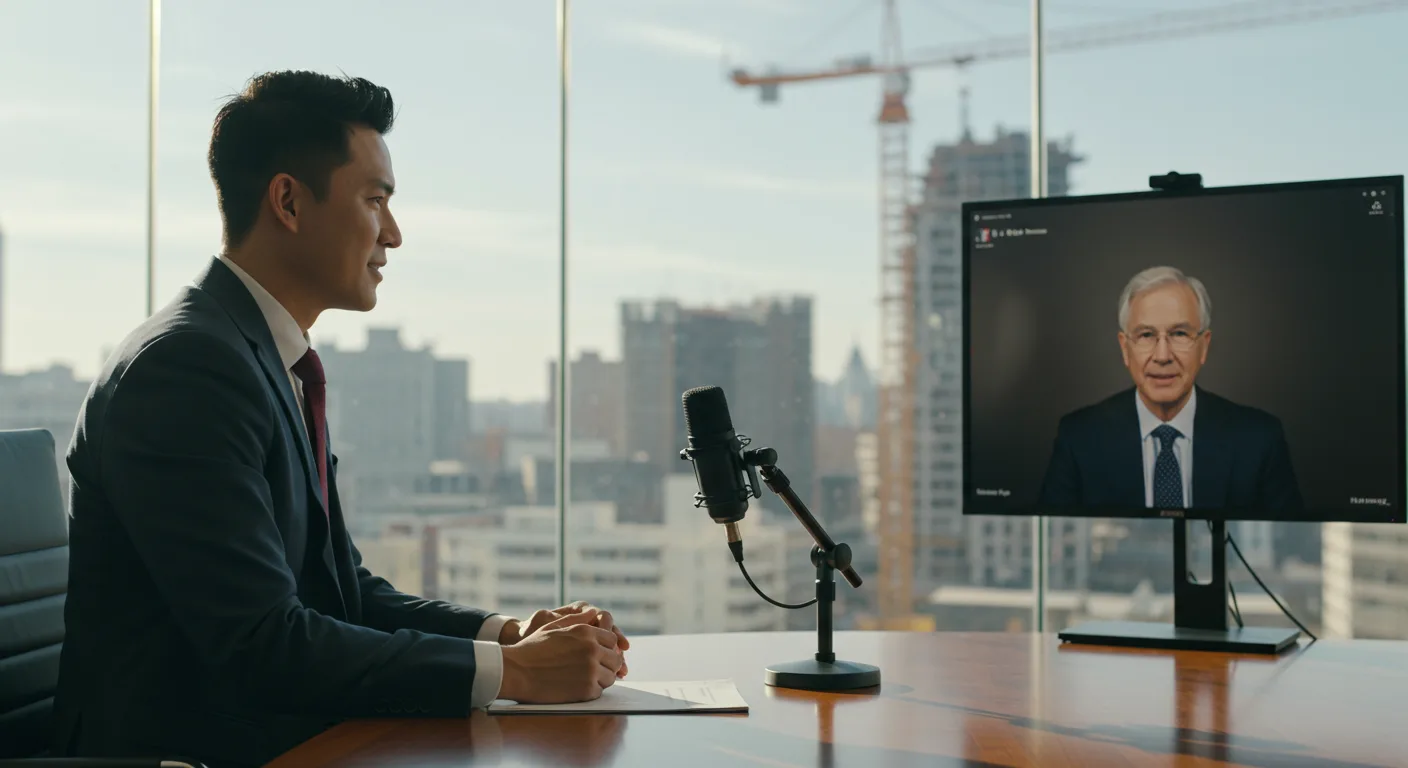
How to Get Started with Interviews with Industry Leaders in 2026
Are you ready to elevate your marketing strategy? One of the most effective, yet often overlooked, tactics is conducting interviews with industry leaders. These interviews not only provide valuable insights and content but also boost your brand’s credibility and reach. But where do you begin? What are the secrets to securing those coveted interviews? Let’s explore how to launch your own series of industry leader interviews and transform your marketing efforts.
Defining Your Target Audience and Interview Goals
Before you start reaching out to potential interviewees, it’s crucial to define your target audience and set clear goals for your interviews with industry leaders. Ask yourself: Who are you trying to reach? What kind of information are they seeking? What action do you want them to take after consuming the interview content?
Identifying your audience helps you tailor your interview questions and choose the right industry leaders to feature. For example, if your target audience is composed of small business owners interested in social media marketing, you’ll want to interview social media experts who can provide practical tips and actionable strategies.
Setting clear goals will allow you to measure the success of your interview series. Are you aiming to increase website traffic, generate leads, boost brand awareness, or establish yourself as a thought leader? Define specific, measurable, achievable, relevant, and time-bound (SMART) goals. For instance, you might aim to increase website traffic by 20% within three months of launching your interview series.
Once you have these elements defined, you can begin to identify key performance indicators (KPIs) that you’ll monitor throughout the process, such as website traffic, social media engagement, lead generation, and media mentions. This data-driven approach will ensure that your efforts are aligned with your overall marketing objectives and allow you to make informed adjustments along the way.
According to a recent HubSpot study, companies that consistently publish high-quality content, including interviews, experience a 6x higher conversion rate than those that don’t.
Identifying and Researching Potential Interviewees
The next step is identifying and researching potential interviewees for your marketing initiative. This involves creating a list of individuals who are recognized as leaders in your industry and whose insights would be valuable to your target audience.
Start by brainstorming a list of potential candidates. Consider individuals who:
- Have a strong reputation and track record of success.
- Are active on social media and have a significant following.
- Are known for their thought leadership and expertise.
- Have published books, articles, or research papers in your industry.
- Have been featured in reputable publications or media outlets.
Once you have a list of potential interviewees, conduct thorough research on each individual. This includes:
- Reading their articles, blog posts, and books.
- Following them on social media and engaging with their content.
- Watching their interviews and presentations.
- Researching their company and their accomplishments.
- Identifying their areas of expertise and their unique perspectives.
This research will help you craft personalized outreach messages and develop thoughtful, engaging interview questions. It also demonstrates that you value their time and expertise, increasing the likelihood that they will agree to be interviewed.
Tools like LinkedIn, Crunchbase, and Google Scholar can be invaluable resources for identifying and researching potential interviewees. Use these platforms to find industry experts, learn about their backgrounds, and discover their latest work.
Crafting Compelling Outreach Messages
Securing an interview with industry leaders requires crafting compelling outreach messages that grab their attention and demonstrate the value of participating. Remember, these individuals are often busy and receive numerous requests, so your message needs to stand out.
Here are some tips for crafting effective outreach messages:
- Personalize your message: Avoid generic templates and tailor each message to the individual you are contacting. Reference their work, mention something specific you admire about their expertise, and explain why you believe their insights would be valuable to your audience.
- Clearly state the purpose of the interview: Explain what you hope to achieve with the interview and how it will benefit both your audience and the interviewee. Highlight the potential exposure and brand awareness they will gain by participating.
- Provide a concise overview of your platform: Briefly describe your website, blog, podcast, or video channel and its audience demographics. This will help the interviewee understand the reach and impact of the interview.
- Suggest a few potential topics: Offer a few specific topics or questions you would like to discuss during the interview. This demonstrates that you have done your research and have a clear plan for the conversation.
- Make it easy for them to say yes: Provide clear instructions on how to schedule the interview and offer flexible scheduling options. Be responsive to their questions and concerns.
For example, instead of sending a generic email that says, “I would like to interview you for my blog,” try something like this:
“Dear [Interviewee Name],
I’ve been following your work on [Specific Topic] for quite some time, and I’m incredibly impressed with your insights on [Specific Achievement]. I believe your expertise would be invaluable to my audience of [Audience Demographics], who are eager to learn more about [Specific Topic].
I’m reaching out to invite you to participate in an interview for my [Platform Name]. We could discuss [Potential Topic 1], [Potential Topic 2], or any other topic you feel would be relevant to our audience.
Would you be open to a brief 30-minute interview sometime next week? Please let me know if you’re interested, and I’ll be happy to provide more details.
Thank you for your time and consideration.
Sincerely,
[Your Name]”
Remember to follow up if you don’t receive a response within a week. A polite reminder can often make the difference between securing an interview and being overlooked.
Conducting Engaging and Insightful Interviews
Once you’ve secured an interview with industry leaders, the next step is to conduct an engaging and insightful conversation that provides value to your audience. This requires careful preparation, active listening, and the ability to ask thoughtful follow-up questions.
Before the interview, create a detailed outline of the topics you want to cover and the questions you want to ask. However, be prepared to deviate from the outline if the conversation takes an unexpected turn. The best interviews often arise from spontaneous moments and unexpected insights.
During the interview, focus on active listening. Pay attention to what the interviewee is saying, and ask clarifying questions to ensure you understand their perspective. Don’t be afraid to challenge their assumptions or ask them to elaborate on their ideas.
Here are some tips for conducting engaging interviews:
- Start with an icebreaker: Begin the interview with a lighthearted question to help the interviewee relax and feel comfortable.
- Ask open-ended questions: Encourage the interviewee to share their thoughts and experiences in detail. Avoid questions that can be answered with a simple “yes” or “no.”
- Listen attentively: Pay attention to the interviewee’s body language and tone of voice, and respond accordingly.
- Ask follow-up questions: Probe deeper into the interviewee’s answers and ask them to provide specific examples or anecdotes.
- Be respectful of their time: Stick to the agreed-upon time frame and thank the interviewee for their participation.
After the interview, send a thank-you note to the interviewee and offer to share the final product with them before it is published. This demonstrates your appreciation for their time and ensures that they are comfortable with the way their insights are presented.
Promoting and Leveraging Interview Content for Marketing
The final step in your marketing strategy is promoting and leveraging the interview content to reach a wider audience and achieve your desired goals. Simply publishing the interview is not enough; you need to actively promote it across multiple channels to maximize its impact.
Here are some effective strategies for promoting and leveraging interview content:
- Share the interview on social media: Create engaging social media posts that highlight key takeaways from the interview and encourage your followers to watch, listen, or read the full version. Use relevant hashtags to increase visibility.
- Email your subscribers: Send an email to your subscribers announcing the new interview and highlighting its key benefits. Include a compelling call to action that encourages them to engage with the content.
- Repurpose the content: Transform the interview into multiple formats, such as blog posts, infographics, short video clips, and social media updates. This allows you to reach a wider audience and cater to different learning preferences.
- Reach out to the interviewee’s network: Encourage the interviewee to share the interview with their network. This can significantly expand your reach and expose your content to a new audience.
- Submit the interview to industry publications: Consider submitting the interview to relevant industry publications or websites. This can help you reach a highly targeted audience and establish yourself as a thought leader.
- Use paid advertising: If you have a budget, consider using paid advertising on social media or search engines to promote the interview to a wider audience.
By actively promoting and leveraging your interview content, you can increase website traffic, generate leads, boost brand awareness, and establish yourself as a thought leader in your industry. For example, create a series of quote cards using a tool like Canva, each featuring a key insight from the interview. These can be easily shared across social media platforms.
Analyzing Results and Optimizing Your Interview Strategy
No marketing strategy is complete without analyzing the results and optimizing your approach. After publishing and promoting your interviews with industry leaders, track your KPIs and evaluate the effectiveness of your efforts.
Use Google Analytics to monitor website traffic, engagement metrics, and conversion rates. Track social media engagement, such as likes, shares, comments, and click-through rates. Monitor lead generation and sales to determine the ROI of your interview series.
Based on your findings, identify areas for improvement and make adjustments to your interview strategy. For example, if you find that certain topics resonate more with your audience, focus on those topics in future interviews. If you find that certain promotion channels are more effective than others, allocate more resources to those channels.
Continuously experiment with different approaches and strategies to optimize your interview series and achieve your desired goals. By tracking your results and making data-driven decisions, you can ensure that your interviews with industry leaders are a valuable and effective component of your marketing strategy.
Remember to solicit feedback from your audience and your interviewees. Ask them what they liked about the interviews, what they would like to see improved, and what topics they would like to see covered in the future. This feedback can provide valuable insights and help you refine your interview strategy.
By following these steps, you can launch a successful series of interviews with industry leaders and transform your marketing efforts. Remember to define your target audience, identify and research potential interviewees, craft compelling outreach messages, conduct engaging interviews, promote your content, and analyze your results.
In conclusion, conducting interviews with industry leaders is a powerful way to enhance your marketing efforts. By defining clear goals, researching potential interviewees, and crafting engaging content, you can boost brand awareness, generate leads, and establish yourself as a thought leader. Remember to actively promote your interviews and analyze your results to optimize your strategy. Now, go out there and start interviewing!
What is the best way to find industry leaders to interview?
Start by identifying individuals who are active in your niche, have a strong online presence, and are recognized for their expertise. Use platforms like LinkedIn, industry publications, and Google Scholar to find potential candidates. Look for individuals who have published books, articles, or research papers in your industry, and who are known for their thought leadership and innovation.
How do I convince industry leaders to agree to an interview?
Personalize your outreach messages and demonstrate that you have done your research. Explain the purpose of the interview, highlight the potential benefits for both your audience and the interviewee, and offer flexible scheduling options. Be respectful of their time and demonstrate your appreciation for their expertise.
What types of questions should I ask during an interview?
Ask open-ended questions that encourage the interviewee to share their thoughts and experiences in detail. Focus on topics that are relevant to your audience and that showcase the interviewee’s expertise. Ask follow-up questions to probe deeper into their answers and to clarify any points that are unclear.
How can I promote my interview content effectively?
Share the interview on social media, email your subscribers, and repurpose the content into multiple formats, such as blog posts, infographics, and short video clips. Encourage the interviewee to share the interview with their network, and consider submitting the interview to industry publications.
How do I measure the success of my interview series?
Track your KPIs, such as website traffic, social media engagement, lead generation, and sales. Use Google Analytics to monitor website traffic and engagement metrics. Monitor lead generation and sales to determine the ROI of your interview series. Solicit feedback from your audience and your interviewees to identify areas for improvement.




