 By Editorial Team
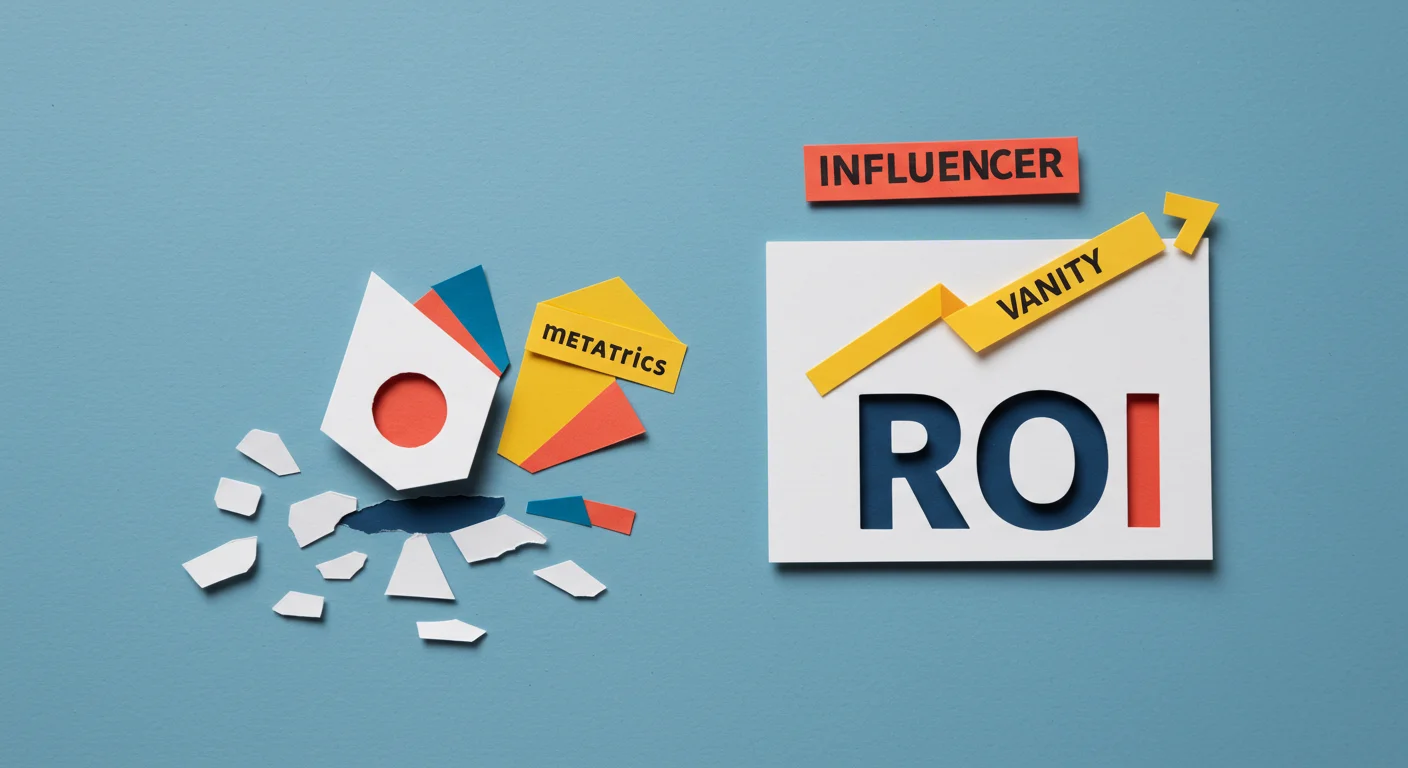
The world of influencer marketing is rife with misinformation, and nowhere is this more apparent than in the metrics marketers obsess over. Forget what you think you know about simply counting followers; true influencer metrics go far deeper. The notion that a high follower count automatically translates to success is a dangerous one, a myth I’ve seen derail countless campaigns. We need to shift our focus from vanity metrics to those that genuinely reflect authentic engagement and, ultimately, campaign ROI.
Key Takeaways
- Engagement Rate, calculated as interactions divided by followers, offers a more accurate picture of audience connection than follower count alone, with benchmarks varying by platform (e.g., 2-5% on Instagram often indicates healthy engagement).
- Audience Demographics and psychographics, accessible through platform analytics or third-party tools like Grin, are critical for ensuring an influencer’s audience aligns with your target customer base, preventing wasted ad spend.
- Conversion Metrics such as click-through rates (CTR) from unique tracking links (e.g., UTM parameters) and direct sales attributed to influencer codes provide quantifiable proof of campaign effectiveness, moving beyond brand awareness.
- Sentiment Analysis, often performed using AI-powered tools or manual review of comments, helps gauge the qualitative impact of an influencer’s content, revealing audience perception and brand affinity that numbers might miss.
- Cost Per Engagement (CPE), determined by dividing total influencer spend by total authentic engagements, allows for direct comparison of influencer value across different campaigns and helps optimize budget allocation.
Myth #1: Follower Count is the Ultimate Measure of Reach and Influence
This is perhaps the most pervasive and damaging myth out there. I’ve heard it countless times from clients, “Just get me someone with a million followers!” My response is always the same: “Why?” A large following means absolutely nothing if those followers are not genuinely interested in the content, or worse, if they’re bots. The digital landscape of 2026 makes it easier than ever for individuals to buy fake followers, creating an illusion of popularity that crumbles under scrutiny. This isn’t just my opinion; industry reports consistently highlight this issue. For instance, a recent Statista report from 2024 estimated that influencer marketing fraud, including fake followers and engagement, cost businesses billions. That’s real money, folks, just evaporating into the ether.
What marketers should be looking at is reach coupled with authenticity. How many unique users actually saw the content? More importantly, how many of those users are real people, genuinely interested in the niche? I had a client last year, a boutique coffee roaster in Atlanta’s Old Fourth Ward, who insisted on working with an influencer boasting 500,000 followers. We pushed for a smaller, niche food blogger with 30,000 highly engaged local followers instead. The big influencer’s campaign yielded abysmal click-through rates on their unique discount code, and almost no foot traffic. The smaller blogger, whose audience genuinely loved local food and drink, drove a significant increase in online sales and even had people mentioning her by name when they visited the shop. That’s the difference between vanity and value.
Myth #2: Engagement Rate is Just Likes and Comments
Many marketers stop at likes and comments when assessing engagement, thinking these are the be-all and end-all. That’s a rookie mistake. While likes and comments are components, they don’t tell the whole story. A truly engaged audience does more than just tap a heart icon; they interact meaningfully. Think about it: a comment like “Nice pic!” is far less valuable than a thoughtful question about the product or a recommendation to a friend. The platforms themselves are evolving to prioritize deeper interactions.
When we talk about authentic engagement, we’re talking about a spectrum of actions. This includes shares, saves, direct messages, clicks on links in bios or stories, and even time spent viewing video content. For example, on platforms like Instagram, the “saves” metric is incredibly powerful because it indicates a user found the content so valuable they wanted to revisit it later. It’s a clear signal of intent and interest. Similarly, on video-centric platforms, watch time percentage is a far better indicator of engagement than just views. If an influencer’s 60-second video consistently has an average watch time of 10 seconds, that’s a red flag, regardless of how many “likes” it gets.
We need to move beyond simple counts and analyze the quality of engagement. Is the conversation positive? Are people asking questions? Are they sharing user-generated content inspired by the influencer? These qualitative insights, often gathered through sentiment analysis tools or manual review, are gold. I always tell my team to look for discussions, not just declarations. That’s where the real connection lies.
Myth #3: ROI is Impossible to Measure in Influencer Marketing
This is a convenient excuse for poor planning and execution, and frankly, it infuriates me. The idea that influencer marketing is purely for “brand awareness” and therefore untrackable is antiquated and wrong. While brand awareness is certainly a component, we absolutely can and must measure ROI. If you can’t measure it, you can’t manage it, and you certainly can’t justify the spend to your CFO.
Measuring ROI in influencer marketing requires a strategic approach from the outset. It starts with clear, measurable goals. Do you want sales? Leads? Website traffic? App downloads? Each goal requires specific tracking mechanisms. For sales, unique discount codes and affiliate links are non-negotiable. These allow you to directly attribute conversions to a specific influencer. For website traffic, UTM parameters are your best friend, allowing you to see exactly where traffic is coming from within your analytics dashboard. For app downloads, unique tracking URLs provided by your mobile measurement partner (AppsFlyer, Adjust, etc.) are essential.
We once ran a campaign for a new SaaS product targeting small businesses in the Southeast. We worked with three micro-influencers, each given a unique trial code and a custom landing page URL. One influencer, a business coach based out of Nashville, generated 35 qualified leads and 12 paying subscribers within a month. Her cost was $2,000. That’s a direct ROI calculation: $2,000 spent for 12 new customers, each paying $99/month. We could easily project the lifetime value of those customers against the initial investment. This wasn’t guesswork; it was data-driven proof of concept. Anyone who tells you ROI isn’t measurable simply isn’t trying hard enough, or they’re working with the wrong partners.
Myth #4: All Analytics Are Created Equal
Just because a platform provides “analytics” doesn’t mean they’re comprehensive or even accurate for your specific needs. Relying solely on an influencer’s screenshots of their native platform analytics is like trying to drive a car by looking through a keyhole. You might get a glimpse, but you’re missing the entire road. Different platforms prioritize different metrics, and what’s easily accessible on LinkedIn might be completely different from Pinterest. Moreover, these native analytics often lack crucial cross-platform insights or the ability to segment data in ways truly useful for marketers.
To truly understand influencer metrics, you need to go beyond the basics. This means integrating data from multiple sources. We often use third-party tools that pull data from various social platforms, combine it with our own website analytics, and even incorporate CRM data. This holistic view allows us to see the entire customer journey, from initial exposure to final conversion. For example, understanding an influencer’s audience demographics is paramount. Tools like CreatorIQ or Captiv8 can provide deep insights into an influencer’s audience, including age, gender, location, interests, and even brand affinities. This level of detail ensures your message is reaching the right eyes and ears, not just any eyes and ears.
One critical aspect often overlooked is audience overlap. If you’re working with multiple influencers, are they reaching unique audiences, or are they all speaking to the same people? Overlap analysis helps prevent ad fatigue and ensures you’re expanding your reach efficiently. Relying solely on an influencer’s self-reported “reach” without verifying audience segmentation is a recipe for wasted budget. We prioritize tools that offer robust audience analysis because, frankly, knowing who you’re talking to is half the battle.
Myth #5: One-Off Campaigns Are Enough to Build Lasting Influence
The “one-and-done” approach to influencer marketing is a relic of the past. It’s like trying to build a relationship by sending one text message and expecting a lifetime commitment. Influence, by its very nature, is built on trust and consistency. A single post, while it might generate a temporary spike in awareness, rarely translates into sustained interest or brand loyalty. I’ve seen brands throw significant budgets at a single influencer for a single campaign, only to be disappointed when the buzz quickly fades. The problem isn’t the influencer; it’s the strategy.
True authentic engagement and long-term ROI come from sustained partnerships. Think about developing relationships with a core group of influencers who genuinely love your brand. These long-term collaborations allow influencers to become authentic advocates, integrating your product or service naturally into their content over time. This builds credibility with their audience, leading to much higher conversion rates and brand affinity. Imagine a skincare influencer who features a product once versus one who incorporates it into her daily routine videos for months, sharing genuine results and tips. Which one do you think will drive more sales?
We advocate for always-on influencer programs or at least multi-phase campaigns. This allows for iterative learning, optimization, and the development of deeper connections. It also provides more data points for measuring metrics like Cost Per Engagement (CPE) over time, allowing us to see how an influencer’s value evolves. A sustained relationship allows for more nuanced storytelling and deeper integration, which ultimately resonates more powerfully with the audience. It’s about building a community, not just broadcasting a message.
The influencer marketing landscape is complex, but by debunking these common myths and focusing on meaningful influencer metrics, marketers can move beyond vanity and truly measure authentic engagement and drive tangible ROI. It’s about smart strategy, robust tracking, and a commitment to understanding the real impact of your campaigns.
What is a good engagement rate benchmark for influencer campaigns in 2026?
While benchmarks vary by platform and niche, a healthy engagement rate on Instagram for micro-influencers often falls between 2% and 5%. For larger influencers, it can be lower, sometimes 1% to 3%. On TikTok, engagement rates tend to be higher, often ranging from 5% to 15% due to the platform’s algorithm favoring virality and interaction. We always compare an influencer’s engagement rate to their specific niche and follower tier, as a blanket number can be misleading.
How can I accurately track sales attributed to an influencer?
To accurately track sales, implement unique, trackable discount codes for each influencer. Additionally, provide unique affiliate links or URLs with specific UTM parameters that direct to your product pages. Integrate these tracking mechanisms with your e-commerce platform’s analytics (e.g., Shopify, Salesforce Commerce Cloud) to monitor conversions directly. This allows for clear attribution and calculation of return on ad spend (ROAS) for each influencer.
What role do audience demographics play in selecting the right influencer?
Audience demographics are paramount. They ensure the influencer’s followers align directly with your target customer base. If your product targets Gen Z women in urban areas, an influencer whose audience is predominantly Gen X men in rural regions, regardless of their follower count, is a poor fit. Utilize third-party analytics tools or request detailed audience reports from influencers to verify age, gender, location, and interests before committing to a partnership. This prevents wasted budget and ensures your message reaches the most receptive audience.
Beyond traditional metrics, what qualitative data should I consider?
Qualitative data provides invaluable context that numbers alone cannot. Focus on sentiment analysis of comments and direct messages to gauge audience perception and brand affinity. Look for genuine questions, positive testimonials, and user-generated content inspired by the influencer’s posts. Pay attention to how the influencer responds to their audience; a genuine connection fosters trust and loyalty. These insights reveal the depth of influence and the potential for long-term brand advocacy, which are harder to quantify but critical for brand building.
Is it better to work with many micro-influencers or a few macro-influencers?
Generally, working with multiple micro-influencers (typically 10,000 to 100,000 followers) often yields higher authentic engagement and better ROI compared to a few macro-influencers (over 1 million followers). Micro-influencers typically have more niche, dedicated audiences and higher engagement rates, leading to more genuine connections and conversions. While macro-influencers offer broader reach, their engagement rates can be lower, and their audience less targeted. The optimal strategy often involves a tiered approach, combining a few mid-tier influencers with a larger cohort of micro-influencers for diversified reach and deep engagement.


