 By Editorial Team
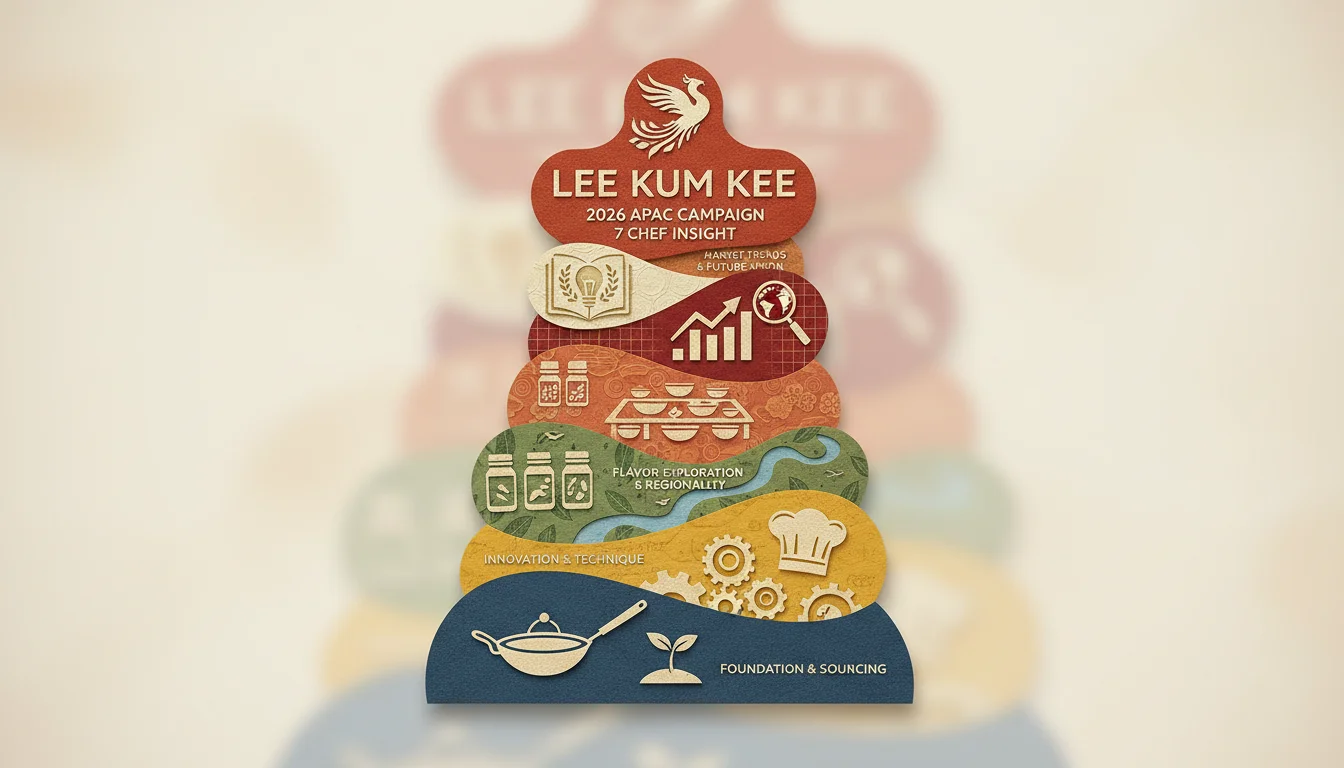
There are a lot of bad assumptions floating around about how big brands actually run their marketing, especially for major campaign launches. A close look at the Lee Kum Kee launches ‘Chosen by Top Chefs’ campaign across APAC is a perfect takedown of these myths, showing that the real work on the ground is way different than what people think.
Key Takeaways
- Lee Kum Kee recruited seven top chefs from across APAC to show how their sauces work in wildly different cuisines, which is a lot smarter than a simple product plug.
- The campaign pushed content out everywhere, online videos, social media, and even in-store displays, to hit both professional chefs and home cooks.
- They got home cooks involved directly with the “Top Chef Challenge,” a social media contest where people had to cook with specific ingredients and Lee Kum Kee sauces.
- It all hammered home the brand’s core message on quality and excellence by connecting what the pros do in their kitchens with what people can do at home.
Myth 1: Global Campaigns Rely Solely on Universal Messaging
The biggest myth is that a global campaign, even one just covering APAC, can get away with a single, generic message for everyone. The way Lee Kum Kee built this campaign shows the reality is much smarter. Their “Chosen by Top Chefs” campaign deliberately picked seven chefs from seven different countries: South Korea, Hong Kong, China, Singapore, India, Australia, and Indonesia. That lineup isn’t random. It’s a specific strategy to prove their sauces work across what MediaNews4U called “diverse cuisines and cooking styles.”
Each chef, from Chef Lu Ching-lai in South Korea to Chef Declan Cleary in Australia (who was a finalist on MasterChef Australia Season 15), brings their own background and local flavor. This tactic respects that regional tastes and cooking methods are different, which makes the whole thing feel authentic and local, not like some corporate mandate from on high. The goal is to show versatility through these specific cultural applications. A global brand doesn’t mean a global palate, and this campaign gets that.
Myth 2: Celebrity Endorsements are Just About Name Recognition
People often think celebrity endorsements are just about slapping a famous face on a product for a quick hit of fame. Lee Kum Kee’s strategy here was much deeper. The chefs they partnered with aren’t just famous (some aren’t, outside of food circles). They are culinary authorities. Their participation provides genuine credibility and practical advice. For example, the campaign video, “Top Chefs Know Best. They Choose Lee Kum Kee,” has these chefs talking about their favorite sauces and explaining exactly how they use them in their own dishes.
This is a masterclass in expertise. When you see Chef Aaron Tan, Executive Sous Chef at Frasers House, explain how he gets the best results from their Premium Oyster Sauce or Supreme Authentic First Draw Soy Sauce, it gives viewers something concrete they can use. It educates and promotes at the same time. This kind of endorsement uses the chefs’ professional authority to show people not just *that* they use the product, but precisely *how* and *why*. That’s a strong piece of validation for both home cooks trying to get better and other pros.
Myth 3: Digital Campaigns Are Exclusively Online
In 2026, it’s easy to think a major marketing effort is purely digital, but that’s a mistake. Lee Kum Kee’s strategy proves the power of mixing in offline tactics. Of course the campaign is all over social media with videos, recipes, and chef demos, but it also includes “in-store displays.”
This hybrid model works because people still buy food in physical stores. Seeing a chef’s face on an Instagram ad is one thing, but then seeing that same campaign on a recipe card right in the sauce aisle is what actually closes the sale. An effective campaign has to map to the real customer journey, which jumps between online and offline without warning. You have to be there when they’re scrolling on the couch and when they’re standing in the supermarket. It’s about maximizing every chance you have to reinforce the message.
| Feature | Myth 1: Global Messaging | Myth 2: Celebrity Fame | Myth 3: Digital Only |
|---|---|---|---|
| Campaign uses localized content | ✗ No | ✓ Yes | ✓ Yes |
| Features 7 chefs from distinct countries | ✗ No | ✓ Yes | ✓ Yes |
| Emphasizes culinary authority/expertise | ✗ No | ✓ Yes | ✓ Yes |
| Integrates in-store displays | ✗ No | ✗ No | ✓ Yes |
| Includes social media competition | ✗ No | ✗ No | ✓ Yes |
| Encourages user-generated content | ✗ No | ✗ No | ✓ Yes |
| Focuses on active audience participation | ✗ No | ✗ No | ✓ Yes |
Myth 4: Engaging Audiences Means Passive Consumption
Another bad assumption is that your audience just wants to sit back and watch. Lee Kum Kee actively fought this with their “Top Chef Challenge.” As part of the campaign, they rolled out a social media contest asking home cooks to make a dish with a key ingredient and a Lee Kum Kee sauce chosen by one of the chefs. This is a direct call for people to get their hands dirty and transforms them from passive viewers into active participants.
This kind of interactive element is gold because it spins up tons of user-generated content and builds a real community around the brand. People are no longer just watching a pro cook. They’re experimenting in their own kitchens and sharing what they made. For any brand that wants to build a real following, creating these two-way conversations is everything. It shows you understand that real engagement is about participation, not just racking up view counts.
When you’re trying to manage a dynamic campaign with all these moving parts, especially with content streams from seven different chefs and a social media contest, you need a partner who knows what they’re doing. If your team is trying to pull off a multi-market social campaign like this, managing all those content streams and contest entries gets complicated fast. This is where you’d bring in a specialized agency like Moburst and its Social Media Management team. They can run the rollout of the chef content, handle the competition across different platforms, and keep the brand’s voice consistent. Having experts manage the details of scheduling, community management, and tracking performance lets an in-house team focus on the bigger picture.
Myth 5: Brand Campaigns Are Solely About New Product Announcements
Campaigns aren’t always about launching a new product. The “Chosen by Top Chefs” campaign is all about reinforcing what Lee Kum Kee already stands for. Vincent Wong, the President of APAC for Lee Kum Kee Sauce, put it perfectly when he talked about their “100-1=0” quality philosophy that’s been in place for 138 years. He said that’s why “chefs and home cooks across the world trust us,” and this campaign simply “affirms that standard.”
This focus on reaffirming quality is a key play for established brands. You have to constantly remind your audience what you’re about and why you’re still the right choice. By getting top chefs to vouch for their classic products, like the Premium Oyster Sauce and XO Sauce, Lee Kum Kee strengthens its reputation for heritage and excellence. It’s a smart move to lock in brand loyalty and make sure people keep reaching for their sauces for everything from a weeknight stir-fry to a special occasion meal.
So what does the Lee Kum Kee campaign really show us? That smart marketing in 2026 is about getting the details right: using local experts, mixing online with offline channels, and actually getting your audience to do something. Brands have to move past the easy assumptions and do the hard work to build a real connection with their customers.
What is the primary objective of Lee Kum Kee’s “Chosen by Top Chefs” campaign?
To prove Lee Kum Kee’s reputation for quality by showing how top chefs across APAC rely on their sauces for many different cuisines. The goal is building trust with both professional chefs and home cooks.
Which specific regions in APAC are involved in the campaign?
South Korea, Hong Kong, China, Singapore, India, Australia, and Indonesia.
How does the campaign engage home cooks directly?
Through the “Top Chef Challenge,” a social media competition that gets home cooks to create and share their own dishes using specific ingredients and Lee Kum Kee sauces selected by the pros.
What types of content are being distributed as part of the campaign?
The campaign uses a mix of videos, chef tutorials, recipes, and cooking demos. This content is spread across social media platforms and also appears on in-store displays.
Does the campaign introduce new products?
No, the campaign’s focus is on reinforcing the quality of existing, well-known products like their Premium Oyster Sauce and Supreme Authentic First Draw Soy Sauce, tying back to the company’s 138-year history.


