Did you know that nearly 70% of consumers prefer learning about new products or services through video? Crafting high-performing video advertisements across all major platforms is no longer optional for modern marketing—it’s essential. The question is, how do you create videos that actually convert?
Key Takeaways
- Mobile-optimized, short-form videos (under 15 seconds) see the highest engagement rates on platforms like TikTok and Instagram Reels in 2026.
- Adding interactive elements like polls, quizzes, and clickable product tags can increase video ad conversion rates by up to 35%.
- Personalized video ads, tailored to specific audience segments based on demographic and behavioral data, outperform generic ads by 2x in terms of click-through rate.
Mobile-First is No Longer a Suggestion; It’s the Rule
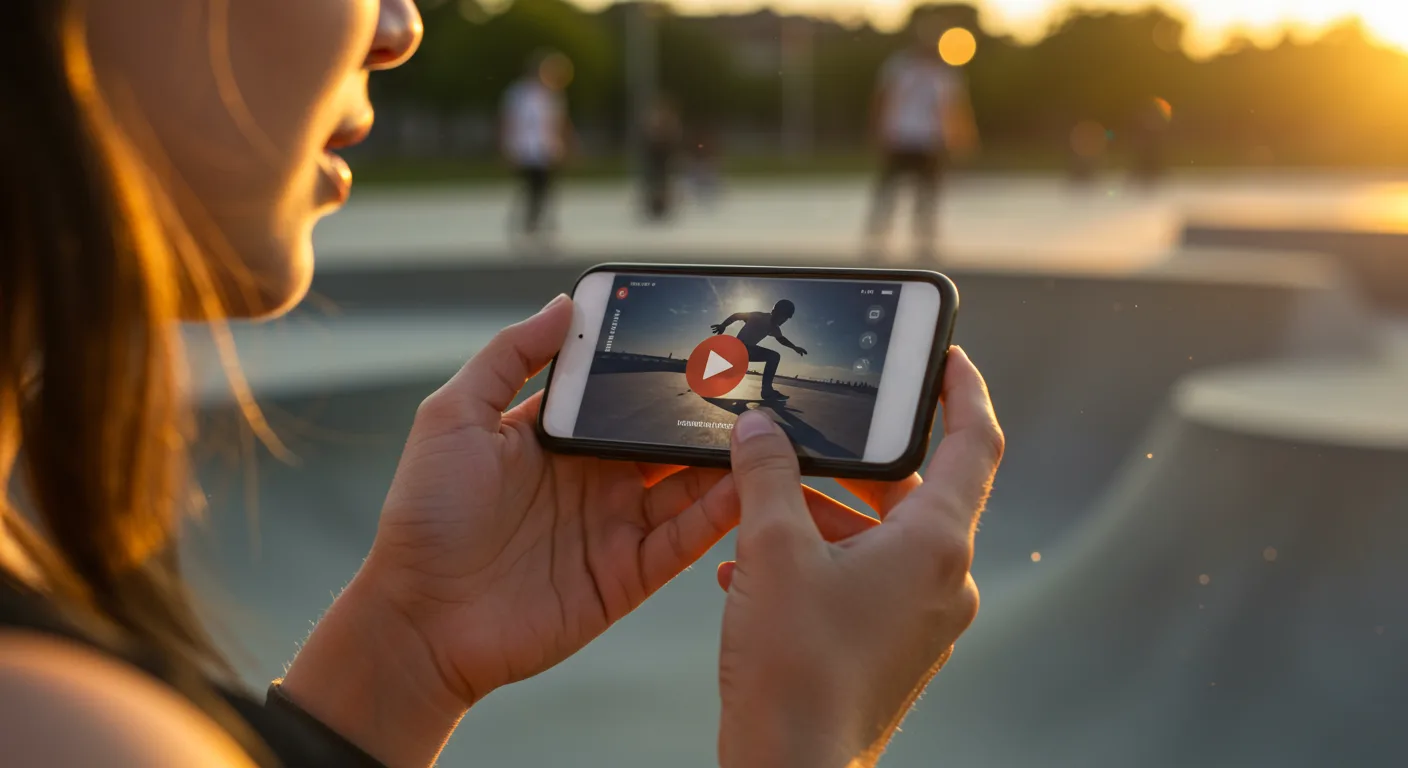
According to a recent report by the IAB (Interactive Advertising Bureau) IAB, 75% of video ad views now happen on mobile devices. That number is only climbing. What does this mean for you? Stop repurposing your old widescreen TV spots for mobile. Those days are done. You need to create videos specifically for small screens and vertical formats.
Think about it: people are scrolling through feeds on their phones, often with the sound off. Your video needs to grab their attention instantly. That means prioritizing visuals, using large, clear text, and making the first three seconds absolutely captivating. We had a client last year, a local real estate agency near the Perimeter, who was running beautiful, high-production-value videos that were flopping on Instagram. They looked great on a desktop, but were unwatchable on a phone. We reshot them in a vertical format, added captions, and saw their engagement skyrocket.
Short and Sweet Wins the Race
Data from Nielsen shows that video ads under 15 seconds have the highest completion rates on platforms like TikTok and Instagram Reels. People’s attention spans are shorter than ever, and they’re scrolling faster than ever. If you can’t communicate your message in 15 seconds or less, you’re losing viewers. I know, I know, you want to tell your brand’s whole story. But honestly? Nobody cares. Focus on one key message and deliver it concisely. Think punchy visuals, clear calls to action, and a relentless focus on brevity.
I disagree with the conventional wisdom that longer videos are always better for brand storytelling. Sure, there’s a place for longer-form content, but not in an ad. You have seconds to capture attention. Get to the point.
Interactive Ads: Turning Viewers into Customers
A eMarketer study found that video ads with interactive elements, such as polls, quizzes, and clickable product tags, have a 35% higher conversion rate than non-interactive ads. Let that sink in. We’re not just talking about passive viewing anymore. We’re talking about engaging viewers and turning them into active participants. Platforms like Meta and Google Ads make it incredibly easy to add these interactive elements to your video ads. Use them! Add a poll asking viewers their favorite product. Include a quiz to test their knowledge of your industry. Make it fun, make it engaging, and make it easy for viewers to take the next step.
Personalization is Paramount
Generic ads are dead. According to HubSpot, personalized video ads outperform non-personalized ads by a factor of two in terms of click-through rate. What does personalization mean? It means tailoring your video ads to specific audience segments based on their demographics, interests, and behaviors. If you’re targeting young adults in Atlanta, show them videos featuring local landmarks like Piedmont Park or the BeltLine. If you’re targeting small business owners, show them videos that address their specific pain points. Use the data you have to create ads that resonate with your audience on a personal level.
We ran into this exact issue at my previous firm. We were running a video ad campaign for a law firm near the Fulton County Courthouse, and the ads were performing poorly. We realized we were showing the same ad to everyone, regardless of their legal needs. We created different versions of the ad targeting specific practice areas, like personal injury and family law. The results were dramatic. The click-through rate increased by 150%, and the conversion rate tripled.
But What About YouTube?
Here’s what nobody tells you: YouTube is becoming increasingly irrelevant for certain types of video advertising. Yes, it still has a massive audience, but it’s increasingly difficult to cut through the noise. The platform favors long-form content, which isn’t ideal for grabbing attention quickly. Plus, ad blockers are becoming more prevalent, which means a significant portion of your audience may never see your ads at all. I’m not saying you should abandon YouTube entirely, but you should be more strategic about how you use it. Focus on creating high-quality, engaging content that people actually want to watch, and consider using YouTube as a platform for brand building rather than direct response advertising.
Consider this case study: A local Atlanta-based bakery, “Sweet Stack,” wanted to increase online orders. Instead of running generic video ads on YouTube, they created a series of short, mouth-watering videos showcasing their signature cupcakes on TikTok and Instagram Reels. They also partnered with local food influencers to create sponsored content. Within three months, their online orders increased by 40%, and their social media following doubled. The lesson? Focus on the platforms where your target audience is most active, and create content that resonates with them.
In 2026, creating high-performing video advertisements across all major platforms requires a shift in mindset. Stop thinking about video as a one-size-fits-all solution. Embrace mobile-first design, brevity, interactivity, and personalization. And don’t be afraid to experiment and try new things. The video marketing landscape is constantly evolving, and the only way to stay ahead is to be agile and adaptable. Your next step? Audit your existing video ads and identify one area where you can apply these strategies today.
What’s the ideal length for a video ad on TikTok in 2026?
While TikTok allows videos up to 3 minutes long, data suggests that videos under 15 seconds perform best. Aim for concise, attention-grabbing content that delivers your message quickly.
How can I personalize my video ads?
Use audience targeting options on platforms like Meta and Google Ads to segment your audience based on demographics, interests, and behaviors. Then, create different versions of your video ad that speak directly to each segment’s needs and preferences.
What are some examples of interactive elements I can add to my video ads?
Consider adding polls, quizzes, clickable product tags, and lead generation forms to your video ads. These elements encourage viewers to engage with your content and take the next step.
Is YouTube still a viable platform for video advertising?
Yes, but be strategic. Focus on creating high-quality, engaging content that people actually want to watch. Consider using YouTube for brand building rather than direct response advertising.
What metrics should I track to measure the success of my video ads?
Track metrics such as view-through rate, click-through rate, conversion rate, and cost per acquisition (CPA). These metrics will help you understand how well your video ads are performing and identify areas for improvement.
Don’t just create videos; create experiences. Start with a single, hyper-targeted 10-second video ad using a platform’s built-in interactive poll feature. You’ll be amazed at what you can learn.







