 By Editorial Team
In the fiercely competitive digital advertising arena of 2026, generic video ads are dead weight; they simply don’t convert. Businesses are drowning in marketing spend while struggling to connect with an audience desensitized to bland, one-size-fits-all messaging. The problem is clear: how do you break through the noise and deliver truly impactful video advertising that resonates deeply with individual consumers, driving tangible results? The answer, unequivocally, lies in mastering the art of leveraging first-party data for hyper-personalized video ads. This isn’t just about showing the right product; it’s about telling a story tailored uniquely to each viewer’s journey.
Key Takeaways
- Implement a robust Customer Data Platform (CDP) like Segment or Twilio Segment to unify disparate first-party data sources, creating a single, actionable customer view.
- Prioritize collecting behavioral data (e.g., website interactions, purchase history, content consumption) over demographic data to inform dynamic video content generation.
- Utilize AI-powered video personalization platforms, such as D-ID or Synthesia, to automate the creation of thousands of unique video variations at scale.
- Structure A/B tests to isolate the impact of personalized elements (e.g., specific product recommendations, localized messaging, unique calls to action) on conversion rates.
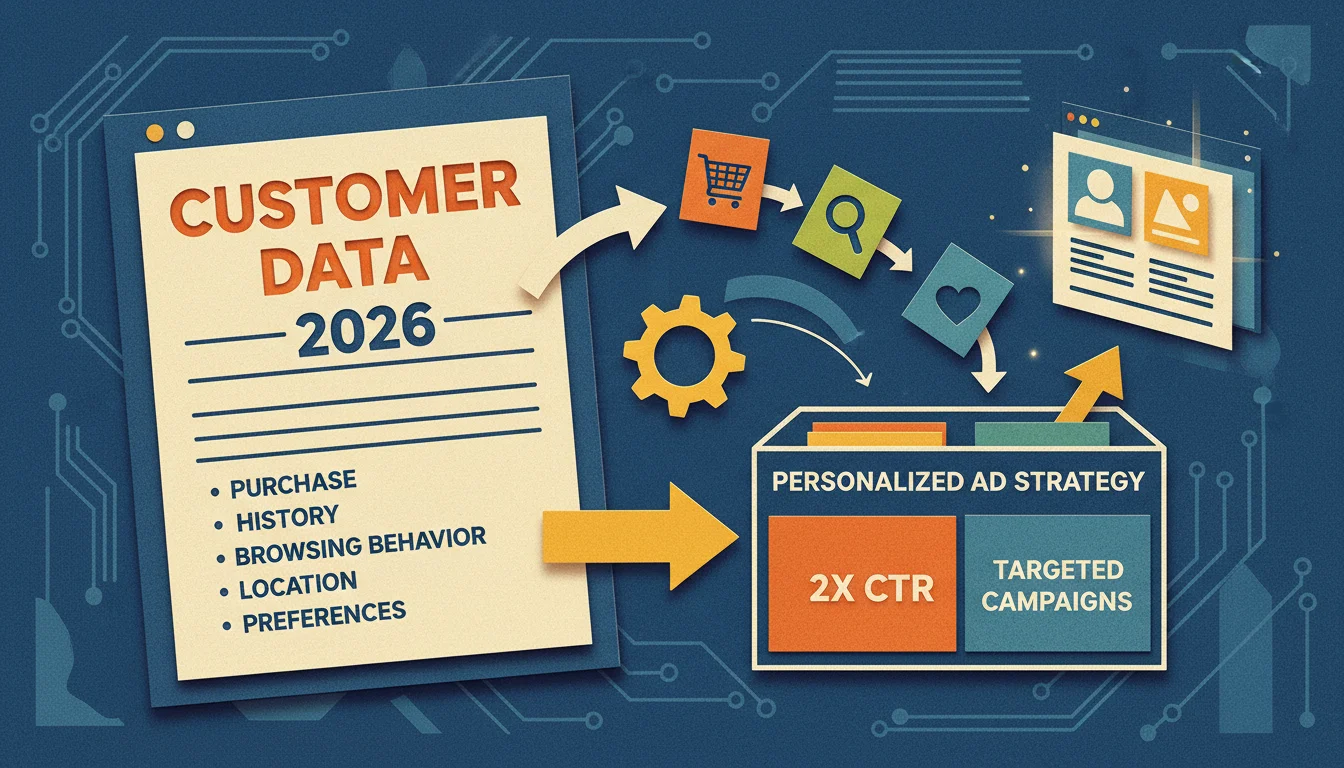
- Expect to see at least a 2x improvement in click-through rates and a 30% reduction in customer acquisition costs when moving from static to highly personalized video campaigns.
What Went Wrong First: The Pitfalls of “Spray and Pray”
For years, many marketers, myself included, chased vanity metrics with broad-stroke video campaigns. We’d craft a beautiful, high-production video, then blast it across platforms, hoping for the best. We called it “awareness,” but often it was just noise. I remember a client, a mid-sized e-commerce fashion brand, who poured a significant chunk of their budget into a general brand video pushing their new summer collection. They targeted a wide age range and interest group on Google Ads and social media. The video was visually stunning, no doubt about it. But the engagement was abysmal, and sales attributed directly to that campaign were barely a blip. Why? Because a 22-year-old student in downtown Atlanta, interested in streetwear, was seeing the exact same ad as a 45-year-old professional in Buckhead looking for business casual. The message simply wasn’t relevant to either of them. It was the digital equivalent of shouting into a hurricane.
We tried segmenting, of course. Basic demographic targeting: age, gender, location. Then interest-based targeting: “people who like fashion,” “online shoppers.” These were marginal improvements, but still insufficient. The fundamental flaw was a lack of granular understanding of the individual consumer’s journey and preferences. We were guessing, not knowing. We were relying on third-party cookies, which, let’s be honest, are increasingly obsolete and unreliable. The data was fragmented, often outdated, and never truly owned by the brand. Without a cohesive view of their customers, our video efforts were destined to underperform. According to a eMarketer report from late 2023, only 35% of marketers felt confident in their ability to accurately personalize customer experiences using their existing data infrastructure. That number, I believe, is still too high, given the continued reliance on inadequate data strategies.
The Solution: Building a Robust First-Party Data Strategy for Video Personalization
The turning point, for us, came with a radical shift towards owning and activating first-party data. This isn’t just a buzzword; it’s the lifeblood of modern marketing. First-party data is information you collect directly from your audience or customers, with their consent. This includes website browsing behavior, purchase history, email interactions, app usage, survey responses, and even loyalty program data. It’s accurate, reliable, and gives you an unparalleled view of your customer. Here’s how we broke it down:
Step 1: Consolidate Your Data with a CDP
The first, and arguably most critical, step is to unify your scattered data points. Most organizations have customer data siloed across various systems: CRM, e-commerce platforms, email marketing tools, customer service databases. This fragmentation is a personalization killer. You need a Customer Data Platform (CDP). Think of a CDP as the central nervous system for all your customer information. It ingests data from every touchpoint, cleans it, de-duplicates it, and stitches it together to create a single, comprehensive, and persistent profile for each customer. We implemented Segment for our fashion client, and the transformation was immediate. Before, we had separate records for “Jane Doe, website visitor” and “Jane Doe, email subscriber” and “Jane Doe, recent purchaser.” After, we had one consolidated “Jane Doe” profile, showing her entire journey, from her first website visit to her last purchase, including the specific products she viewed, the categories she favored, and the emails she opened.
Choosing the right CDP involves careful consideration of your existing tech stack, data volume, and internal team capabilities. Don’t underestimate the implementation phase; it requires cross-departmental collaboration and a clear data governance strategy. But the payoff? Immense. A unified customer profile is the bedrock upon which all effective personalization is built. Without it, you’re just guessing.
Step 2: Define Your Personalization Segments and Triggers
Once your data is centralized, you can start defining meaningful audience segments. This goes far beyond basic demographics. We focused on behavioral data. What products did they browse but not buy? What content did they consume? When was their last purchase? Are they a first-time visitor or a loyal repeat customer? For our fashion client, we created segments like:
- “Cart Abandoners: Specific Product” (viewed Product X, added to cart, didn’t purchase within 24 hours).
- “Repeat Purchasers: Category X Enthusiast” (bought 3+ items from the “Sustainable Denim” category in the last 6 months).
- “First-Time Visitors: High-Intent Browsers” (visited 5+ product pages in a single session, spent more than 3 minutes on site).
- “Seasonal Shoppers: Winter Apparel” (purchased winter coats or sweaters in previous years).
Each segment had specific triggers. For instance, a cart abandonment would trigger a personalized video ad within an hour. A new collection launch would trigger ads tailored to “Category X Enthusiasts.” This proactive, data-driven approach is what separates the winners from the also-rans.
Step 3: Dynamic Video Content Creation
This is where the magic truly happens. With robust first-party data and defined segments, you can move beyond static videos to dynamic, personalized video ads. This doesn’t mean shooting thousands of different videos. It means creating modular video templates and using automation to insert personalized elements. Imagine a video where:
- The opening scene addresses the viewer by name (if available).
- The featured products are the exact ones they abandoned in their cart, or similar items based on their browsing history.
- The call to action is tailored to their status (e.g., “Complete your order now and get 10% off” for abandoners, or “Explore our new arrivals curated just for you” for loyal customers).
- The background or models subtly reflect their preferred aesthetic or location (e.g., showing a model walking through a park in Midtown Atlanta if the data suggests an urban, outdoor-loving persona).
Tools like Synthesia or D-ID are becoming incredibly sophisticated in this space, allowing for AI-driven avatar creation and voice modulation to deliver highly customized messages at scale. We leveraged a combination of these platforms, feeding them data from our CDP. Instead of a single summer collection video, our client now had hundreds of variations, each dynamically generated to speak directly to the individual viewer’s preferences and purchase intent. It’s a game-changer for engagement.
Step 4: Orchestration and Measurement
Finally, you need to orchestrate the delivery of these personalized videos across various channels: social media, display networks, connected TV, and email. This requires integrating your CDP with your ad platforms. Platforms like Meta Business Suite and Google Ads have robust APIs that allow for dynamic audience syncing and ad customization. We focused heavily on A/B testing every personalized element. Did addressing the customer by name in the video actually increase click-through rates? Did showing alternative products to cart abandoners perform better than just reminding them about their abandoned item? These are the questions you must constantly ask and answer with data. We set up clear attribution models to track the entire customer journey, from ad view to conversion, ensuring we could directly link our personalized video efforts to revenue generation.
The Result: Measurable Impact on Performance
The results for our fashion client were nothing short of remarkable. Within six months of fully implementing their first-party data strategy for personalized video ads, they saw:
- A 2.5x increase in video ad click-through rates (CTR) compared to their previous generic campaigns. This meant their ad spend was working harder, driving more qualified traffic to their site.
- A 40% reduction in customer acquisition cost (CAC). By delivering highly relevant ads, they were attracting customers who were more likely to convert, efficiently.
- A 25% increase in average order value (AOV) from customers exposed to personalized video ads. The targeted product recommendations clearly resonated and encouraged larger purchases.
- A significant boost in customer lifetime value (CLTV). Personalized engagement fostered stronger brand loyalty, leading to repeat purchases and higher retention rates.
One specific campaign stands out: we targeted “Sustainable Denim Enthusiasts” with a video showcasing new eco-friendly jeans, featuring models of similar body types to their previous purchases, and a personalized call to action for a loyalty discount. This campaign alone yielded a 5x return on ad spend (ROAS), far exceeding anything they had achieved before. This wasn’t luck; it was the direct outcome of a meticulously built first-party data infrastructure and a commitment to true personalization.
The takeaway is clear: in 2026, if your video advertising isn’t powered by your own data, you’re leaving money on the table. You’re wasting budget on irrelevant impressions and missing the opportunity to forge deeper connections with your audience. Invest in your data infrastructure, understand your customers at an individual level, and then tell them a story that only you can tell, because you know them best.
What exactly is first-party data in the context of personalized video ads?
First-party data refers to information collected directly by your business from your audience or customers, with their consent. For personalized video ads, this includes website browsing history, purchase records, app usage, email engagement, customer service interactions, and loyalty program data. It’s the most reliable and relevant data for understanding individual customer preferences and behaviors.
How does a Customer Data Platform (CDP) help with personalized video ads?
A CDP unifies all your disparate first-party data sources into a single, comprehensive customer profile. This unified view allows marketers to create highly specific audience segments based on detailed behaviors and preferences. For personalized video ads, the CDP feeds this rich data into dynamic video creation tools and ad platforms, enabling the delivery of highly relevant and customized content to each individual viewer.
Is it expensive to create thousands of personalized video variations?
While traditional video production is costly, modern AI-powered video personalization platforms significantly reduce the expense and effort. These tools use modular templates, dynamic content insertion, and AI-generated avatars or voiceovers to create countless unique video variations from a single base template, making hyper-personalization scalable and cost-effective.
What are some common challenges when implementing a first-party data strategy for video ads?
Common challenges include data fragmentation across different systems, ensuring data quality and accuracy, obtaining explicit customer consent for data collection, and integrating various marketing technologies (CDP, ad platforms, video personalization tools). Overcoming these requires a clear data governance strategy, robust technical infrastructure, and cross-functional team collaboration.
What kind of ROI can I expect from investing in personalized video ads driven by first-party data?
While results vary by industry and implementation, businesses commonly report significant improvements. Expect to see at least a 2x increase in click-through rates, a 30% to 50% reduction in customer acquisition costs, and a notable boost in conversion rates and customer lifetime value. The improved relevance of personalized ads leads to more efficient ad spend and stronger customer relationships.


