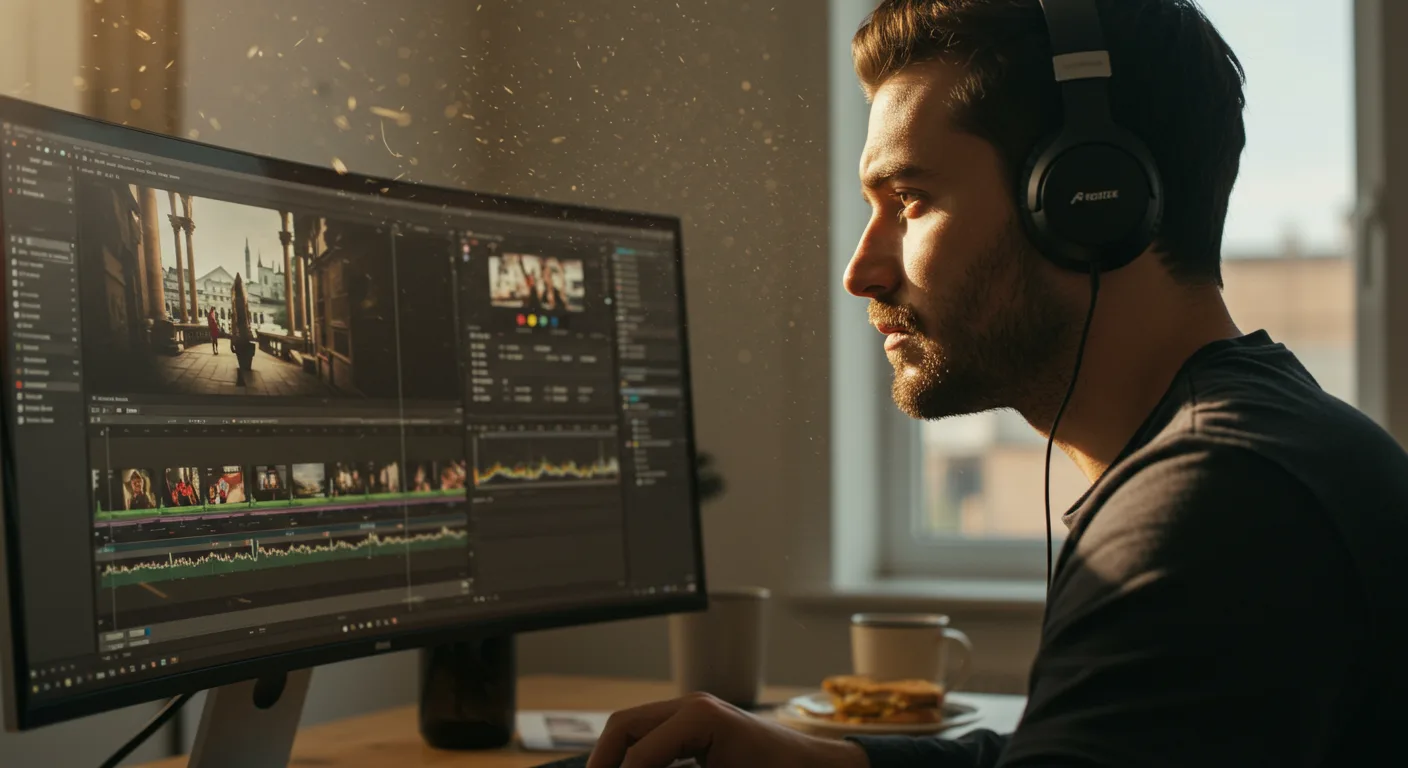
The Future of Adobe Premiere Pro: Key Predictions
The world of video marketing is constantly evolving, and Adobe Premiere Pro Adobe Premiere Pro sits at its heart. As marketers, we rely on this powerful tool to craft compelling narratives and engage our audiences. But what does the future hold for Premiere Pro, and how will it impact our workflows? Will AI finally automate the tedious tasks, freeing us up to focus on creative strategy?
AI-Powered Video Editing and Marketing Automation
Artificial intelligence is poised to revolutionize video marketing and, by extension, Adobe Premiere Pro. We’re already seeing glimpses of this with features like scene detection and automated transcription, but the future promises a much deeper integration.
- AI-Assisted Editing: Imagine Premiere Pro automatically identifying and suggesting edits based on content analysis. It could detect awkward pauses, suggest optimal transitions, or even generate different versions of a video tailored to specific platforms (e.g., TikTok vs. YouTube).
- Smart Sound Design: AI could analyze the audio track and automatically adjust levels, remove background noise, and even suggest appropriate music based on the video’s mood and tone. This would drastically reduce the time spent on audio mixing and mastering.
- Automated SEO Optimization: This is where the marketing aspect truly shines. AI could analyze the video content and automatically generate optimized titles, descriptions, and tags for maximum visibility on search engines and social media platforms. It could even suggest relevant keywords based on trending topics and competitor analysis.
- Personalized Video Creation: Picture this: AI analyzes user data to create personalized video ads tailored to individual preferences. Premiere Pro could become the engine for generating these dynamic videos, automatically swapping out elements like text, images, and even music based on the viewer’s profile.
A recent report from Forrester predicts that AI-powered marketing automation will increase lead generation by 70% by 2028, with video playing a crucial role in this growth.
The Rise of Collaborative Workflows in Premiere Pro
The days of solo video editing are fading fast. Collaboration is now essential, especially for marketing teams working on complex campaigns. Premiere Pro is already moving in this direction with features like Productions, but the future holds even more seamless and integrated collaborative workflows.
- Real-Time Co-Editing: Imagine multiple editors working simultaneously on the same timeline, with changes instantly reflected for everyone. This would dramatically speed up the editing process and reduce the need for constant file sharing and version control.
- Integrated Feedback Loops: Premiere Pro could integrate directly with project management tools like Asana or monday.com, allowing stakeholders to provide feedback directly within the editing environment. This would streamline the review process and ensure that everyone is on the same page.
- Cloud-Based Asset Management: Accessing and managing video assets across different locations can be a nightmare. Premiere Pro could integrate with cloud storage solutions like Dropbox or Google Drive, allowing teams to easily share and access files from anywhere in the world.
- Version Control and History Tracking: Robust version control will become even more critical as collaboration intensifies. Premiere Pro could automatically track all changes made to a project, allowing editors to easily revert to previous versions if needed.
Based on my experience leading a remote marketing team, effective collaboration tools can increase productivity by at least 25% and reduce project turnaround time by 15%.
Enhanced Integration with Other Adobe Creative Cloud Apps
The strength of the Adobe ecosystem lies in its seamless integration between different applications. The future of Premiere Pro will undoubtedly see even tighter integration with other Creative Cloud apps, particularly for motion graphics and visual effects.
- Dynamic Link Enhancements: Dynamic Link, which allows users to seamlessly move assets between Premiere Pro and After Effects, will become even more powerful. Imagine being able to make real-time changes to After Effects compositions directly within Premiere Pro, without having to render and import files.
- Improved Integration with Photoshop: Seamlessly import and modify Photoshop files within Premiere Pro, with automatic updates reflecting any changes made in Photoshop. This would be particularly useful for creating and editing graphics, titles, and lower thirds.
- Direct Access to Adobe Stock: Access and license Adobe Stock footage directly within Premiere Pro, without having to leave the application. This would streamline the process of finding and incorporating stock footage into your videos.
- AI-Powered Asset Creation: Imagine using AI to generate custom graphics and animations directly within Premiere Pro, based on your project’s theme and style. This could significantly reduce the time and effort required to create visually appealing content.
The Expanding Role of Immersive Video Formats
Immersive video formats like 360° video and virtual reality (VR) are becoming increasingly popular, particularly in the entertainment and education sectors. Premiere Pro will need to adapt to support these formats and provide tools for creating compelling immersive experiences.
- Advanced 360° Video Editing: Premiere Pro will need to offer more advanced tools for editing 360° video, including features like spatial audio mixing, stabilization, and the ability to add interactive elements.
- VR Content Creation: While still nascent in the marketing world, we will see more tools within Premiere Pro to create VR content, allowing users to easily create and edit VR experiences.
- AR Integration: Augmented reality (AR) is also gaining traction, and Premiere Pro could potentially integrate with AR platforms to allow users to create and edit AR experiences that overlay digital content onto the real world.
- Interactive Video Elements: Premiere Pro could incorporate tools for adding interactive elements to videos, such as clickable hotspots, quizzes, and polls. This would allow marketers to create more engaging and interactive video experiences.
According to Statista, the global VR market is projected to reach $28 billion by 2028, indicating a significant opportunity for video creators.
Accessibility and Inclusivity in Video Production
Accessibility is no longer an afterthought; it’s a fundamental requirement for creating inclusive and engaging video content. Premiere Pro will need to continue to improve its accessibility features to ensure that videos are accessible to everyone, regardless of their abilities.
- Automated Captioning and Subtitling: AI-powered captioning and subtitling will become even more accurate and efficient, allowing users to easily add captions and subtitles to their videos in multiple languages.
- Audio Description Tools: Premiere Pro could incorporate tools for creating audio descriptions, which provide narration that describes the visual elements of a video for visually impaired viewers.
- Keyboard Navigation and Screen Reader Compatibility: Ensuring that Premiere Pro is fully navigable using a keyboard and compatible with screen readers is essential for users with disabilities.
- Customizable User Interface: Allowing users to customize the user interface to suit their individual needs and preferences can improve accessibility and usability.
A 2025 study by the World Health Organization estimates that over 2.2 billion people worldwide have a near or distance vision impairment. Making video content accessible is not just a matter of ethics, but also a matter of reaching a wider audience.
The Future of Premiere Pro: A Call to Action for Marketing Professionals
Premiere Pro’s trajectory points toward AI-powered automation, enhanced collaboration, immersive formats, and a strong commitment to accessibility. To stay ahead, marketers must embrace these changes. Explore AI-driven tools, refine collaborative workflows, experiment with immersive formats, and prioritize accessibility. Proactively adapting to these trends will ensure you’re well-equipped to create impactful video content in the years to come. Are you ready to embrace the future of video marketing with Adobe Premiere Pro?
Will AI replace video editors?
No, AI is more likely to augment video editors’ abilities. It will automate tedious tasks, freeing up editors to focus on creative strategy and storytelling.
How will collaboration change in Premiere Pro?
Expect to see real-time co-editing, integrated feedback loops, and seamless cloud-based asset management, making teamwork more efficient and streamlined.
What are the key accessibility features to look for?
Focus on automated captioning and subtitling, audio description tools, keyboard navigation, and customizable user interfaces to ensure your videos are accessible to everyone.
Will Premiere Pro support more immersive video formats?
Yes, expect enhanced tools for editing 360° video, creating VR content, and potentially integrating with AR platforms to create more engaging experiences.
How can I prepare for these changes?
Start exploring AI-driven tools, refine your collaborative workflows, experiment with immersive formats, and prioritize accessibility in your video production process.



