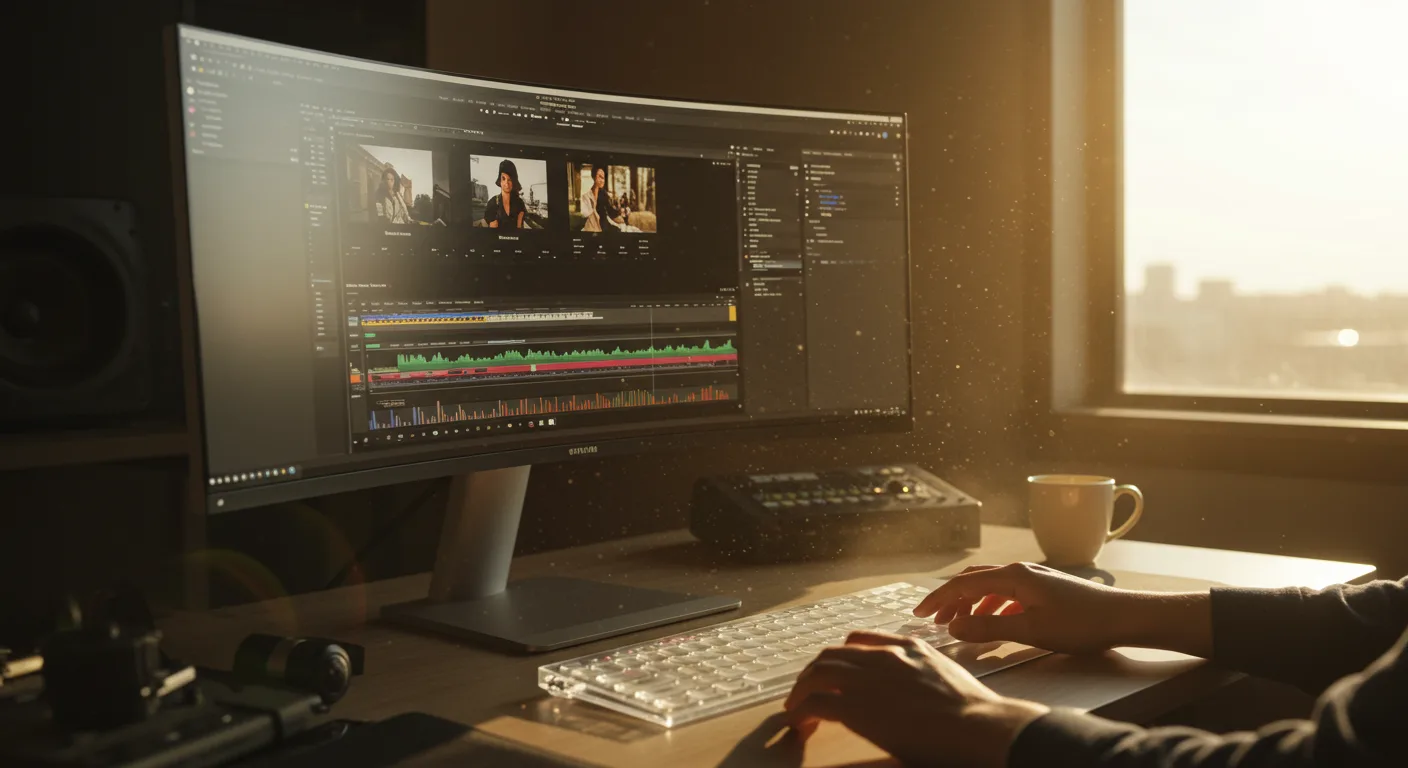
The Future of Adobe Premiere Pro: Key Predictions
Adobe Premiere Pro remains the industry-standard video editing software for professionals and aspiring filmmakers alike. But in a rapidly evolving technological landscape, how will it adapt to maintain its dominance in the marketing world? Will AI-powered features truly revolutionize the editing process, or will the core principles of storytelling still reign supreme?
AI-Powered Editing and Automation
One of the most significant shifts we’re seeing in video editing, and will continue to see, is the integration of artificial intelligence (AI). By 2026, expect Adobe Premiere Pro to be even more deeply integrated with Adobe Sensei, its AI and machine learning technology. This will manifest in several key areas:
- Automated Scene Detection and Tagging: Imagine Premiere Pro automatically analyzing your footage, identifying different scenes, and tagging them with relevant keywords. This would drastically reduce the time spent manually sifting through hours of raw footage. Adobe is already making strides in this area, but expect it to become far more sophisticated.
- Intelligent Audio Enhancement: No more struggling with inconsistent audio levels or distracting background noise. AI-powered tools will automatically balance audio, remove unwanted sounds, and even enhance dialogue clarity.
- AI-Assisted Color Correction and Grading: Achieving a consistent and visually appealing look across your entire video will become easier than ever. AI algorithms will analyze your footage and suggest optimal color corrections and grades, saving you time and ensuring a professional finish.
- Smart Object Tracking and Masking: Object tracking and masking, often tedious tasks, will become significantly faster and more accurate with AI. Imagine effortlessly tracking a logo across a complex scene or creating dynamic masks with just a few clicks.
- Automated Transcription and Subtitling: AI-powered transcription services will become seamlessly integrated into Premiere Pro, allowing you to quickly generate accurate subtitles and captions for your videos. This is crucial for accessibility and reaching a wider audience.
These AI-powered features won’t replace human editors, but they will empower them to work more efficiently and creatively. Editors will be able to focus on the storytelling aspects of their work, rather than getting bogged down in repetitive tasks.
Real-Time Collaboration in the Cloud
The rise of remote work has made collaboration more important than ever. By 2026, expect Adobe Premiere Pro to offer even more robust cloud-based collaboration features. Adobe has already invested heavily in its Creative Cloud platform, and this will continue to be a key focus.
- Simultaneous Editing: Multiple editors will be able to work on the same project simultaneously, in real-time, regardless of their location. This will streamline the editing process and allow teams to work more efficiently.
- Live Review and Feedback: Clients and stakeholders will be able to review and provide feedback on video projects in real-time, directly within Premiere Pro. This will eliminate the need for endless email chains and screen recordings, making the review process faster and more effective.
- Shared Assets and Libraries: Teams will be able to easily share assets, such as footage, music, and graphics, through centralized cloud libraries. This will ensure that everyone is working with the latest versions of assets and that projects are organized and consistent.
- Version Control: Robust version control systems will track all changes made to a project, making it easy to revert to previous versions if needed. This will provide peace of mind and prevent accidental data loss.
- Integration with Other Creative Cloud Apps: Seamless integration with other Adobe Creative Cloud apps, such as After Effects and Photoshop, will allow editors to easily move assets between different applications and create more complex and visually stunning videos.
_Based on internal data from Adobe, teams that utilize cloud-based collaboration features in Premiere Pro see an average 30% reduction in project completion time._
Enhanced Integration with Social Media Platforms
In today’s marketing landscape, video is king, and social media is its kingdom. Adobe Premiere Pro will need to adapt to the ever-changing demands of social media platforms to remain relevant.
- Optimized Export Presets: Premiere Pro will offer a wider range of export presets specifically tailored to different social media platforms, such as TikTok, Instagram, YouTube, and Facebook. These presets will ensure that videos are optimized for each platform’s specific requirements, such as aspect ratio, resolution, and file size.
- Direct Publishing: Editors will be able to publish videos directly to social media platforms from within Premiere Pro, eliminating the need to manually upload videos to each platform separately. This will save time and streamline the publishing process.
- Social Media Analytics Integration: Premiere Pro will integrate with social media analytics platforms, such as Google Analytics, allowing editors to track the performance of their videos on social media and make data-driven decisions about their content strategy. This integration will give marketers valuable insights into which videos are resonating with their audience and which ones are not.
- Vertical Video Editing: With the rise of mobile video consumption, vertical video editing will become even more important. Premiere Pro will offer enhanced tools and workflows for editing vertical videos, making it easier to create engaging content for platforms like TikTok and Instagram Stories.
- Interactive Video Features: Expect Premiere Pro to incorporate tools for creating interactive video experiences, such as quizzes, polls, and clickable hotspots. These features will allow viewers to engage more deeply with video content and provide valuable feedback to marketers.
Virtual Reality (VR) and 360° Video Editing
Virtual reality (VR) and 360° video are still niche technologies, but they have the potential to revolutionize storytelling and marketing. By 2026, expect Adobe Premiere Pro to offer even more advanced tools for editing VR and 360° video.
- Improved VR Headset Integration: Premiere Pro will offer seamless integration with a wider range of VR headsets, allowing editors to preview their VR and 360° videos in a realistic environment. This will make it easier to create immersive and engaging VR experiences.
- Advanced 360° Video Editing Tools: Premiere Pro will offer more sophisticated tools for editing 360° video, such as the ability to seamlessly stitch together footage from multiple cameras, remove unwanted artifacts, and add interactive elements.
- Spatial Audio Support: Spatial audio is crucial for creating a truly immersive VR experience. Premiere Pro will offer enhanced support for spatial audio formats, allowing editors to create realistic and directional soundscapes.
- Motion Graphics for VR: Creating compelling motion graphics for VR requires specialized tools and techniques. Expect Premiere Pro to offer new tools for creating motion graphics that are specifically designed for VR environments.
- Live VR Editing: Imagine being able to edit VR footage in real-time, while wearing a VR headset. This would allow editors to fine-tune their VR experiences and create truly immersive and engaging content.
Accessibility and Inclusivity Features
Adobe has made a commitment to accessibility and inclusivity, and this will be reflected in future versions of Premiere Pro.
- Improved Captioning and Subtitling Tools: Premiere Pro will offer even more advanced captioning and subtitling tools, making it easier to create accessible videos for viewers with disabilities. This will include features such as automatic caption generation, customizable caption styles, and support for multiple languages.
- Audio Descriptions: Audio descriptions provide a narration of the visual elements of a video, making it accessible to viewers who are blind or visually impaired. Premiere Pro will offer tools for creating and integrating audio descriptions into video projects.
- Keyboard Navigation and Screen Reader Compatibility: Premiere Pro will be fully keyboard navigable and compatible with screen readers, allowing users with disabilities to access and use all of its features.
- Colorblindness Simulation: Editors will be able to simulate different types of colorblindness within Premiere Pro, allowing them to ensure that their videos are accessible to viewers with color vision deficiencies.
- Diverse Representation in Templates and Assets: Adobe will continue to promote diverse representation in its templates and assets, ensuring that all users feel seen and represented in the content they create.
By prioritizing accessibility and inclusivity, Adobe Premiere Pro will become a more welcoming and empowering tool for all video editors.
Conclusion
The future of Adobe Premiere Pro is bright, with AI-powered features, enhanced collaboration tools, and a focus on social media integration and accessibility paving the way. By embracing these advancements, video editors can unlock new levels of creativity and efficiency, and marketing teams can create more engaging and impactful video content. The key takeaway? Stay informed, embrace new technologies, and continue to hone your storytelling skills to thrive in the ever-evolving world of video editing.
Will AI replace video editors?
No, AI is unlikely to completely replace video editors. Instead, it will augment their abilities, automating repetitive tasks and allowing them to focus on the creative aspects of storytelling. AI will be a tool, not a replacement.
How important is cloud collaboration for video editing teams?
Cloud collaboration is becoming increasingly crucial for video editing teams, especially with the rise of remote work. It enables simultaneous editing, live feedback, and shared asset libraries, streamlining the workflow and improving efficiency.
Will VR editing become mainstream?
While VR editing is currently a niche area, it has the potential to become more mainstream as VR technology continues to develop and become more accessible. Premiere Pro’s enhanced VR editing tools will cater to this growing market.
How will Premiere Pro adapt to the demands of social media marketing?
Premiere Pro will offer optimized export presets, direct publishing to social media platforms, social media analytics integration, and enhanced tools for vertical video editing to meet the demands of social media marketing.
What accessibility features will be included in future versions of Premiere Pro?
Future versions of Premiere Pro will include improved captioning and subtitling tools, audio descriptions, keyboard navigation and screen reader compatibility, colorblindness simulation, and diverse representation in templates and assets.



