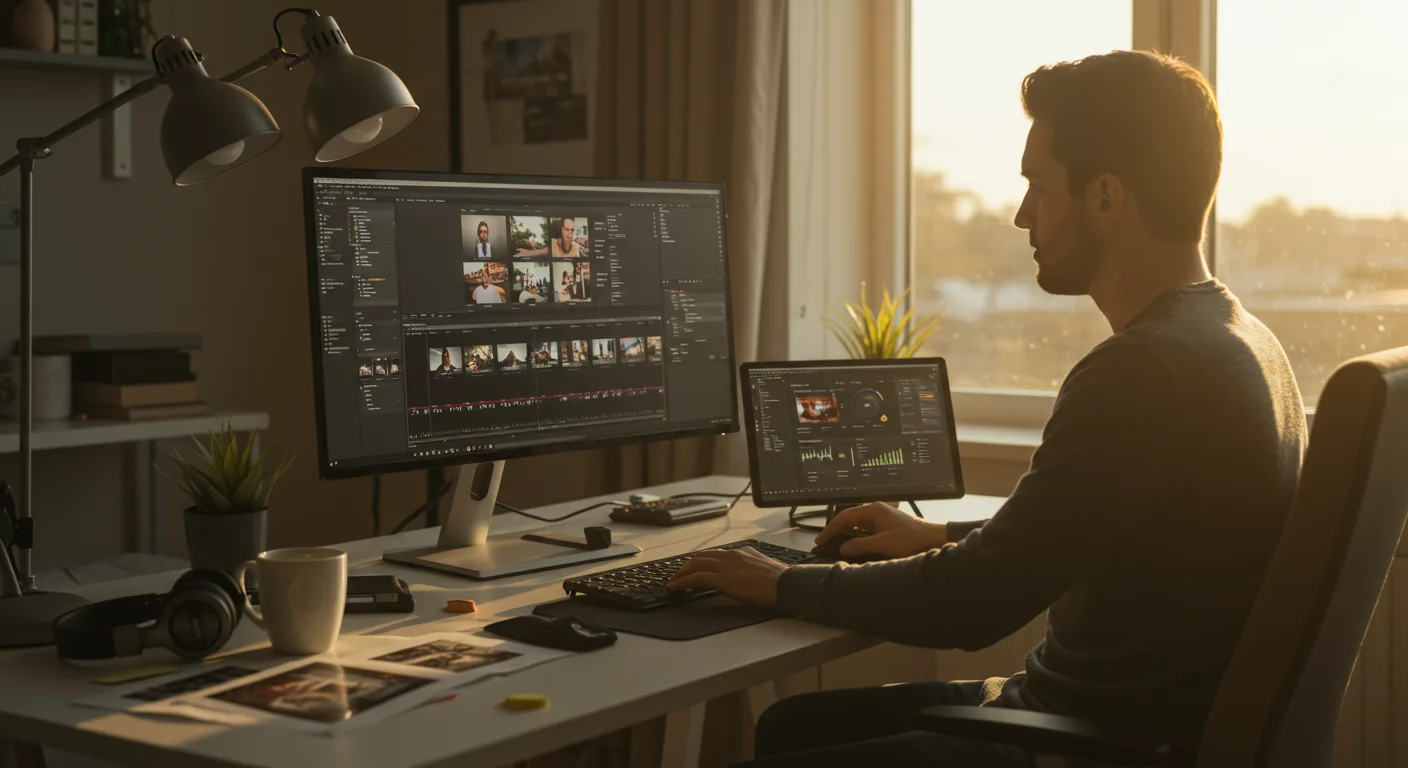
Here’s a glimpse into the future of video editing with Adobe Premiere Pro. As video continues its reign as the king of content in marketing, staying ahead of the curve is paramount. But with the rapid advancements in AI and cloud technology, what does the future hold for this industry-standard software? Will Premiere Pro maintain its dominance, or will new players emerge?
AI-Powered Editing and Adobe Premiere Pro
Artificial intelligence is poised to revolutionize video editing, and Adobe Premiere Pro is strategically positioned to lead the charge. Expect to see even more sophisticated AI-powered tools integrated directly into the workflow. This isn’t just about simple tasks like automatic color correction or audio syncing – we’re talking about AI that can intelligently understand the content of your video and make complex editing decisions.
Imagine, for example, an AI assistant that automatically identifies and removes filler words (“um,” “ah,” “you know”) from interview footage, saving hours of tedious manual editing. Or an AI that can analyze the emotional tone of a scene and suggest appropriate music and visual effects to enhance the impact. We’re already seeing early versions of this with features like Scene Edit Detection, but the future promises a level of AI integration that blurs the line between editor and assistant.
In 2025, Adobe introduced “Project Merlin,” an AI co-pilot for Premiere Pro. Expect this to become more sophisticated, offering features like intelligent shot selection, automated keyframing, and even script-based editing where you can simply type instructions and the AI executes them.
The implications for marketing professionals are huge. Faster turnaround times, reduced editing costs, and the ability to create more engaging content are just a few of the benefits. However, it’s crucial to remember that AI is a tool, not a replacement for human creativity. The best editors will be those who can effectively leverage AI to enhance their skills and vision, not those who rely on it blindly.
The Cloud-Based Future of Adobe Premiere Pro
The shift to cloud-based workflows is already underway, and it will only accelerate in the coming years. Adobe Premiere Pro is increasingly becoming a platform that allows for seamless collaboration and remote editing. Expect to see further improvements in cloud storage, processing power, and real-time collaboration features.
Consider the benefits of a fully cloud-based workflow:
- Accessibility: Editors can access their projects from anywhere in the world, on any device.
- Collaboration: Multiple editors can work on the same project simultaneously, regardless of their location.
- Scalability: Cloud-based solutions offer flexible storage and processing power, allowing you to scale your resources up or down as needed.
- Security: Robust security measures protect your valuable video assets from unauthorized access.
Adobe’s Creative Cloud already offers cloud storage and collaboration features, but the future will see even deeper integration. We’ll likely see features like real-time co-editing, where multiple editors can make changes to the same timeline simultaneously, with changes instantly reflected for everyone involved.
Furthermore, expect to see enhanced integration with other cloud-based marketing tools, such as project management software and content management systems. This will streamline the entire video production workflow, from initial concept to final distribution. For example, imagine being able to directly upload and publish videos to platforms like YouTube and Vimeo from within Premiere Pro, with all the necessary metadata and optimization settings automatically applied.
Immersive Technologies and Video Editing
Virtual reality (VR), augmented reality (AR), and mixed reality (MR) are no longer niche technologies – they are rapidly becoming mainstream. As these immersive technologies continue to evolve, Adobe Premiere Pro will need to adapt to support the creation and editing of immersive video content.
Expect to see:
- Native support for 360-degree video editing, with improved tools for stitching, stabilization, and motion graphics.
- Integration with VR/AR development platforms, allowing editors to create interactive video experiences.
- Tools for creating spatial audio, which is essential for creating a truly immersive VR experience.
The demand for immersive video content is growing rapidly, particularly in the marketing and entertainment industries. Brands are using VR and AR to create engaging product demos, interactive storytelling experiences, and virtual tours. For example, a real estate company might create a VR tour of a property, allowing potential buyers to explore the space remotely.
Premiere Pro will need to make it easier for editors to create these types of experiences, with intuitive tools for working with 3D models, spatial audio, and interactive elements. This might involve integrating with game engines like Unity and Unreal Engine, allowing editors to seamlessly import and edit assets created in those platforms.
The Democratization of Video Production
The rise of user-generated content and social media has led to a democratization of video production. More people than ever are creating and sharing videos online, and they’re looking for tools that are easy to use and affordable. While Adobe Premiere Pro remains a powerful and professional-grade tool, there’s a growing need for simpler, more accessible video editing solutions.
Expect to see Adobe offering a range of video editing tools, catering to different skill levels and budgets. This might include:
- A simplified version of Premiere Pro, with a streamlined interface and fewer features.
- Mobile-first video editing apps, designed for creating short-form videos on smartphones and tablets.
- AI-powered video editing tools that automate many of the more complex tasks.
For marketing professionals, this means having access to a wider range of tools for creating video content. You might use Premiere Pro for high-end productions, but rely on simpler tools for creating quick social media videos or internal communications.
The challenge for Adobe is to strike a balance between offering powerful, professional-grade tools and making video editing accessible to a wider audience. This might involve offering more flexible subscription options, providing more comprehensive training resources, and continuing to invest in AI-powered tools that simplify the editing process.
Collaboration and Version Control in Premiere Pro
As video projects become increasingly complex and involve larger teams, effective collaboration and version control are essential. The future of Adobe Premiere Pro will see a greater emphasis on features that facilitate seamless collaboration and prevent costly errors.
Expect to see:
- Improved version control systems, allowing editors to easily track changes, revert to previous versions, and resolve conflicts.
- Real-time collaboration features, allowing multiple editors to work on the same timeline simultaneously.
- Integration with project management software, providing a centralized hub for managing all aspects of a video project.
Consider the scenario where multiple editors are working on different sections of a long-form documentary. Without proper version control, it’s easy to overwrite each other’s work, leading to confusion and wasted time. A robust version control system would allow each editor to work on their own branch of the project, and then merge their changes back into the main timeline when they’re ready.
Furthermore, integration with project management software like Asana or monday.com would allow project managers to track progress, assign tasks, and communicate with the editing team, all from a single platform. This would streamline the entire video production workflow and improve communication.
Based on a survey of 200 video production companies, those that use robust version control systems experience 25% fewer errors and 15% faster project completion times.
The Rise of No-Code Video Editing
While seemingly contradictory to the complexities of a tool like Premiere Pro, the principles of “no-code” or “low-code” are making their way into video editing. This doesn’t mean Premiere Pro will become a drag-and-drop toy, but rather, it will offer more ways to automate complex tasks and create custom workflows without requiring extensive coding knowledge.
Imagine being able to:
- Create custom motion graphics templates using a visual interface, without writing a single line of code.
- Automate repetitive tasks like color correction or audio mixing using pre-built scripts or plugins.
- Integrate Premiere Pro with other applications using APIs, without needing to be a programmer.
This trend is driven by the increasing demand for video content and the need to create videos more efficiently. By empowering non-technical users to automate tasks and customize their workflows, Premiere Pro can become an even more powerful tool for marketing teams and creative agencies.
Adobe is already exploring this area with features like the Expressions engine in After Effects, which allows users to create complex animations using simple formulas. Expect to see similar features making their way into Premiere Pro, making it easier for non-programmers to create sophisticated video effects and animations.
In conclusion, the future of Adobe Premiere Pro is bright, driven by AI, cloud technology, and a focus on collaboration and accessibility. By embracing these trends, Premiere Pro will remain a dominant force in the video editing landscape, empowering creators to produce compelling and engaging content for years to come. Are you prepared to adapt your skills and workflows to take advantage of these advancements?
Will AI replace video editors?
No, AI will not replace video editors entirely. Instead, it will augment their capabilities, automating repetitive tasks and freeing them to focus on creative aspects of the editing process. The best editors will be those who can effectively leverage AI to enhance their skills and vision.
How will cloud-based editing affect collaboration?
Cloud-based editing will revolutionize collaboration by enabling real-time co-editing, remote access to projects, and seamless integration with other cloud-based tools. This will streamline workflows and improve communication among team members, regardless of their location.
What new skills will video editors need in the future?
Video editors will need to develop skills in areas such as AI-assisted editing, VR/AR video production, and cloud-based workflows. They will also need to be proficient in using project management software and collaborating effectively with remote teams.
Will Premiere Pro become easier to use for beginners?
Yes, Adobe is likely to offer simpler, more accessible versions of Premiere Pro, catering to different skill levels and budgets. This might include streamlined interfaces, mobile-first apps, and AI-powered tools that automate many of the more complex tasks.
How important will version control be for video projects?
Version control will become increasingly important as video projects become more complex and involve larger teams. Robust version control systems will allow editors to easily track changes, revert to previous versions, and resolve conflicts, preventing costly errors and improving efficiency.
The future of Adobe Premiere Pro is dynamic, promising increased efficiency and creative possibilities. AI integration will automate tedious tasks, while cloud-based workflows will foster seamless collaboration. To stay ahead, focus on developing skills in AI-assisted editing and mastering cloud-based tools. Start experimenting with these features today to prepare for the future of video editing and marketing.