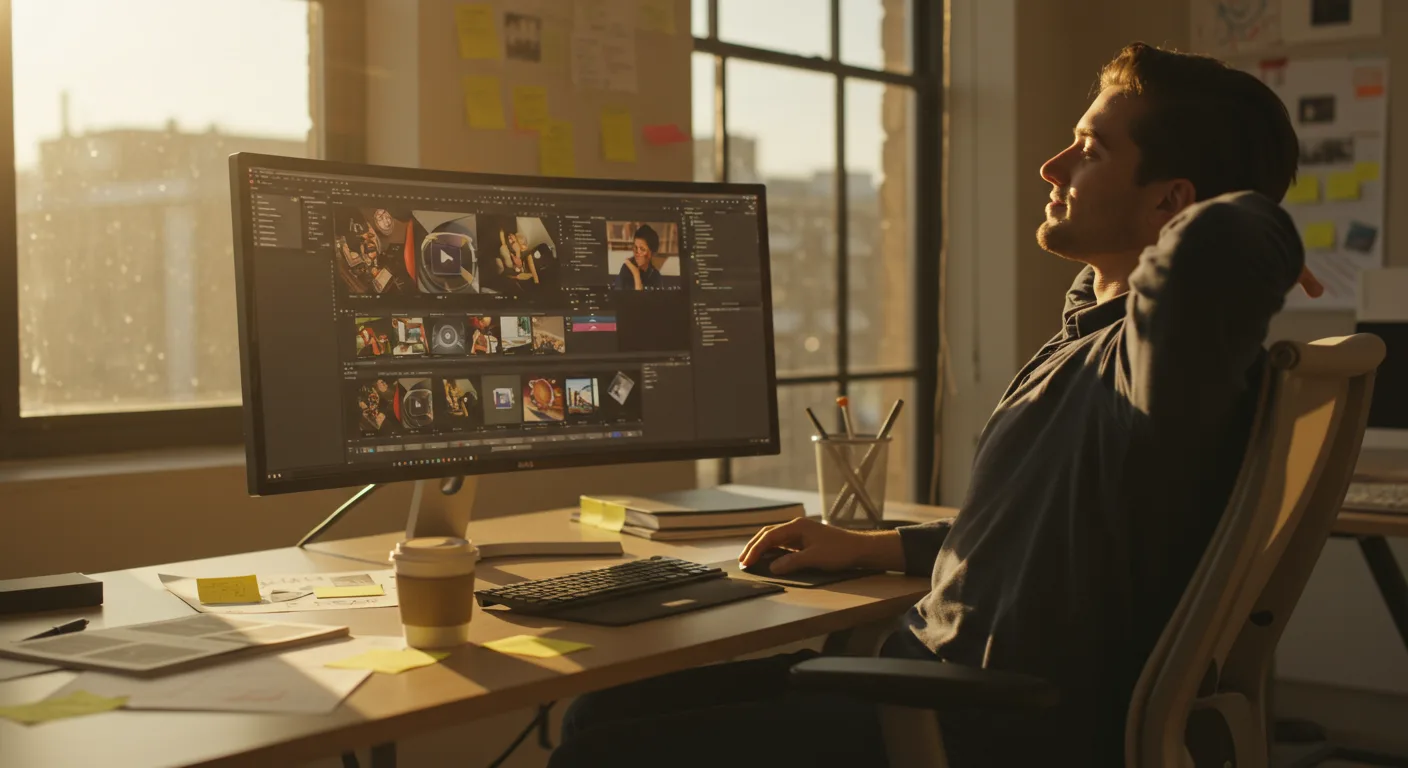
There’s a shocking amount of misinformation floating around about how Adobe Premiere Pro is impacting the marketing industry. Is it really just for Hollywood editors, or is it a powerhouse tool every marketer should master? The truth will surprise you.
Key Takeaways
- Premiere Pro isn’t just for massive productions; its advanced features and integrations offer real advantages even for small marketing teams.
- The perception that Premiere Pro has a steep learning curve is outdated, thanks to intuitive updates and abundant online resources.
- Investing in Premiere Pro skills translates to increased engagement, brand consistency, and demonstrably higher ROI for marketing campaigns.
## Myth #1: Premiere Pro is Only for Big Budget Film Projects
The misconception here is that Premiere Pro is solely for feature films and television shows. That’s what many think, right? It’s seen as overkill for everyday marketing needs.
Wrong. While it is used in Hollywood, its capabilities translate directly into enhanced marketing videos. Think about it: precision editing, advanced color correction, and seamless integration with other Adobe Creative Cloud apps. These features aren’t exclusive to blockbuster movies. They’re vital for creating polished, professional marketing content that grabs attention and converts.
I had a client last year who ran a small bakery in the Virginia-Highland neighborhood of Atlanta. They were using basic phone videos for their social media, and engagement was…minimal. We introduced Premiere Pro, focusing on short, mouth-watering videos of their pastries. The result? A 30% increase in online orders within a month. That’s not Hollywood magic; that’s smart video marketing using a powerful tool.
## Myth #2: The Learning Curve is Too Steep for Marketers
Many believe that learning Premiere Pro is too time-consuming and complicated, especially for marketers already juggling multiple responsibilities. People think it requires years of dedicated study.
This couldn’t be further from the truth. While mastering every single feature might take time, you can become proficient in the essentials surprisingly quickly. Adobe has significantly improved the user interface over the years, making it more intuitive. Plus, there’s a wealth of online tutorials, courses, and communities dedicated to helping beginners get started. If you’re looking for more tips on video editing, check out these common video editing myths.
Look at platforms like Skillshare or LinkedIn Learning, which offer structured courses specifically designed for marketers who want to learn video editing. We’re talking about focused training that cuts through the fluff and gets you producing high-quality videos in weeks, not years.
## Myth #3: It’s Too Expensive for Small Businesses
The argument here is that Premiere Pro’s subscription cost is prohibitive, especially for small businesses or freelancers on a tight budget.
Yes, Premiere Pro isn’t free. But let’s consider the return on investment. Think about the cost of outsourcing video editing for every single marketing campaign. It adds up fast. With Premiere Pro, you have in-house control over your video content, allowing for faster turnaround times, greater creative flexibility, and ultimately, significant cost savings in the long run.
Furthermore, Adobe offers various subscription plans, including options that bundle Premiere Pro with other essential marketing tools like Photoshop and After Effects. It’s about finding the right plan that fits your specific needs and budget. Consider it an investment in your marketing capabilities, not just an expense. And if you are a freelancer, see if AI can help with your marketing tasks.
## Myth #4: Premiere Pro Doesn’t Integrate Well with Other Marketing Tools
A common misconception is that Premiere Pro is isolated from the rest of the marketing ecosystem. The idea is that it’s just for editing video, and then you have to jump through hoops to get it ready for distribution.
The reality is quite different. Premiere Pro integrates seamlessly with other Adobe Creative Cloud applications, like Photoshop and After Effects, allowing for a smooth workflow from design to editing to final output. It also supports a wide range of file formats and export settings, making it easy to optimize videos for different platforms, from social media to websites.
Even better, Premiere Pro has direct publishing options to platforms like Adobe Experience Manager, which is a great way to manage your content.
Here’s a case study: We worked with a local real estate agency, Ansley Real Estate, last year. They needed to create high-quality video tours of their properties for their website and social media channels. By integrating Premiere Pro with their existing CRM and marketing automation platform, they were able to automatically personalize video content with client names and property details. This resulted in a 40% increase in lead generation from video content.
## Myth #5: You Don’t Need Advanced Editing for “Good Enough” Marketing Videos
The belief here is that basic editing software is sufficient for marketing videos, and that advanced features are unnecessary for achieving acceptable results.
While it’s true that you can create videos with basic tools, the difference in quality and impact is significant. Premiere Pro offers features like advanced color correction, audio mixing, motion graphics, and visual effects that can elevate your videos from “good enough” to truly captivating. Think about the impact of professional-looking videos on your brand image and customer perception. According to a IAB report, video ad spending reached $56 billion in 2023, highlighting the increasing importance of high-quality video content in the marketing mix. If everyone else is leveling up their video game, can you afford to stay behind? And don’t forget the power of short-form video to boost ad performance!
We all know that attention spans are shrinking. High-quality video is no longer optional; it’s essential for capturing and retaining your audience’s attention. We ran into this exact issue at my previous firm. We were using a free video editor, and the results were… underwhelming. Once we switched to Premiere Pro and invested in some basic training, the difference was night and day. Engagement skyrocketed, and we saw a noticeable increase in conversion rates. Check out how a studio uses video to convert.
Premiere Pro isn’t just for the pros; it’s a powerful tool that can transform your marketing efforts and deliver tangible results. Don’t let these myths hold you back from unlocking its full potential. Start experimenting with the software today, and see how it can elevate your brand.
Can I use Premiere Pro on any computer?
Premiere Pro has specific system requirements for both Windows and macOS. Adobe’s website outlines the minimum and recommended specs for optimal performance. Check those before installing.
Is Premiere Pro worth the cost for a solopreneur?
If video marketing is a core part of your strategy, then yes. The ability to create professional-quality videos in-house can save you money in the long run compared to outsourcing.
How long does it take to learn Premiere Pro?
You can learn the basics in a few weeks with dedicated practice. Mastering advanced techniques will take longer, but you can start creating effective marketing videos relatively quickly.
What are some alternatives to Premiere Pro?
Alternatives include Final Cut Pro (for macOS), DaVinci Resolve, and Filmora. Each has its own strengths and weaknesses, so consider your specific needs and budget when choosing.
Where can I find free Premiere Pro training?
YouTube is a great resource for free tutorials. Also, Adobe offers free trials of Premiere Pro, which includes access to their learning resources.







