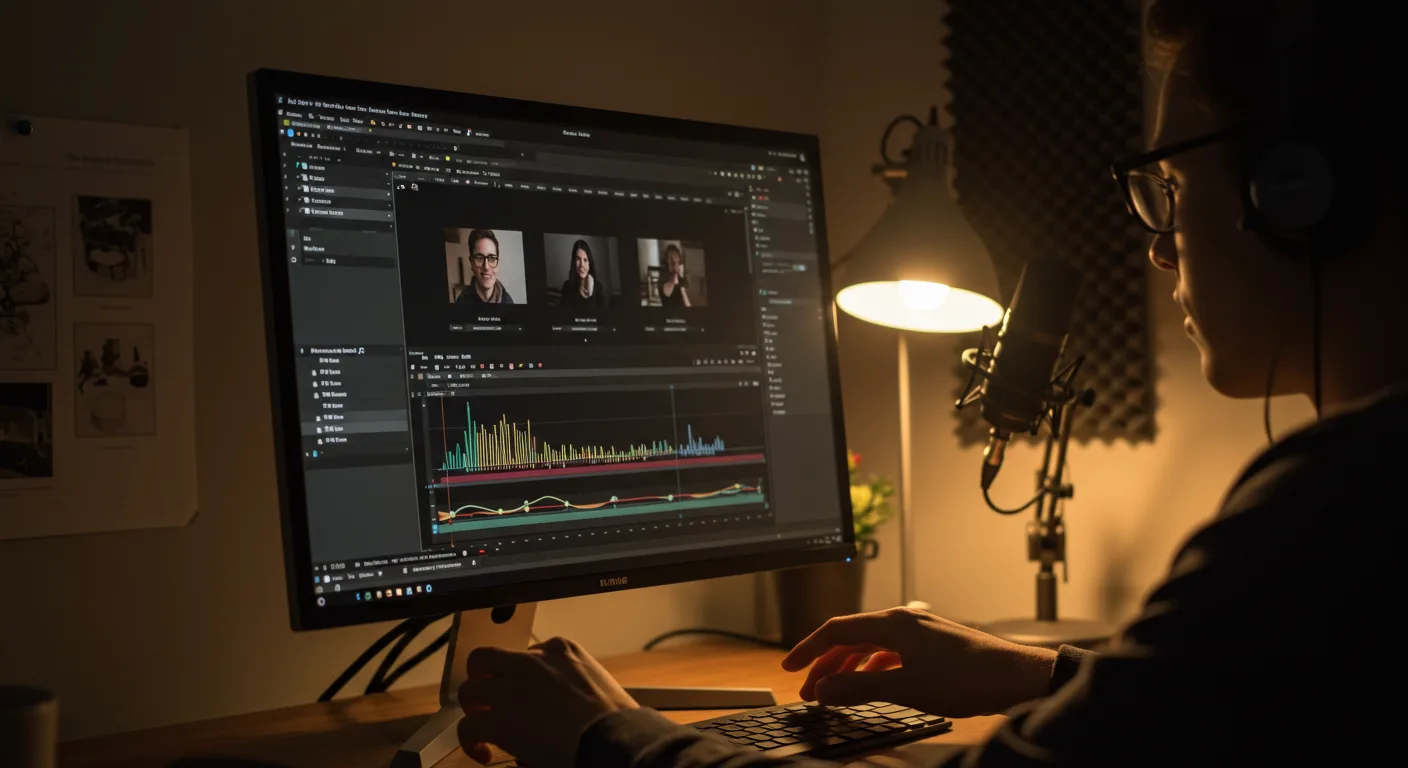
The world of video editing is in constant flux, and Adobe Premiere Pro remains a dominant force. But can it maintain its lead amidst rising competition and rapidly advancing technology? As video marketing becomes even more central to business strategy, understanding the future trajectory of Premiere Pro is crucial for anyone serious about video content creation. Let’s explore where this industry-standard software is headed and how it will continue to shape the landscape of video marketing. Will Premiere Pro continue to be the king, or will another editor take the crown?
Key Takeaways
- AI-powered editing features in Premiere Pro will automate repetitive tasks like color correction and audio mixing by 2026, freeing up editors for more creative work.
- Real-time collaboration tools will allow multiple editors to work on the same Premiere Pro project simultaneously, regardless of their physical location, improving efficiency for remote teams.
- Direct integration of Premiere Pro with marketing automation platforms will enable seamless video deployment and performance tracking, enhancing video marketing ROI.
AI-Powered Editing: The Rise of Automation
Artificial intelligence is already making waves in video editing, and its influence will only intensify. By 2026, expect AI-powered features to handle many of the tedious, time-consuming tasks that currently bog down editors. I’m talking about things like automatic color correction, intelligent audio mixing, and even scene detection. Think about the hours saved on just one project! This shift will allow editors to focus on the creative aspects of their work, crafting compelling narratives and pushing the boundaries of visual storytelling. We’ll see AI analyzing footage, suggesting edits, and even generating entire sequences based on user-defined parameters. The line between editor and AI assistant will become increasingly blurred.
While some may fear that AI will replace editors, I don’t see that happening. Instead, it will augment their abilities, enabling them to work faster, smarter, and more creatively. The human element – the artistic vision and storytelling expertise – will remain essential. AI will simply provide the tools to bring those visions to life more efficiently. It’s a partnership, not a replacement.
Collaboration Reimagined: Real-Time, Anywhere
The future of video editing is collaborative. Remote work has become the norm, and video editing workflows need to adapt. Real-time collaboration features in Premiere Pro will become even more sophisticated, allowing multiple editors to work on the same project simultaneously, regardless of their location. Imagine a team spread across Atlanta, Savannah, and even Valdosta, all working on the same timeline in real time. This will require robust cloud infrastructure and seamless integration with project management tools.
Beyond just simultaneous editing, expect to see enhanced communication features built directly into Premiere Pro. Think integrated video conferencing, real-time feedback tools, and shared workspaces where team members can easily exchange ideas and assets. This will eliminate the need for constant back-and-forth emails and file transfers, streamlining the entire collaborative process. I had a client last year who struggled immensely with coordinating edits across their team because of outdated file-sharing practices. With these advancements, those headaches will be a thing of the past.
Direct Integration with Marketing Platforms
Video editing doesn’t exist in a vacuum. It’s a crucial part of the broader marketing ecosystem. Expect to see deeper and more seamless integration between Premiere Pro and marketing automation platforms like HubSpot Marketing Hub or Salesforce Marketing Cloud. This will allow marketers to directly upload videos from Premiere Pro to their chosen platforms, track video performance metrics, and even personalize video content based on audience data. A report by the IAB (Interactive Advertising Bureau)[https://www.iab.com/insights/video-ad-spend-study-2023/] found that video ad spend continues to increase year-over-year, making this integration more vital than ever.
This integration will extend beyond simple uploading and tracking. Imagine being able to A/B test different versions of your video directly within Premiere Pro, using data from your marketing platform to inform your editing decisions. Or automatically generating different video formats optimized for various social media platforms. The possibilities are endless. We ran into this exact issue at my previous firm: manually resizing and reformatting videos for each platform. This integration will eliminate that tedious step, saving valuable time and resources.
The Rise of Niche Specialization
While Premiere Pro will continue to be a general-purpose video editing tool, expect to see a rise in niche specialization. Adobe will likely introduce specialized versions of Premiere Pro tailored to specific industries or workflows. For example, a version optimized for social media content creation, with built-in templates, effects, and integrations specific to platforms like TikTok and Instagram. Or a version designed for corporate video production, with advanced collaboration features and integration with enterprise content management systems.
This specialization will allow editors to work more efficiently and effectively within their chosen niche. They’ll have access to the tools and features they need most, without being bogged down by unnecessary complexity. It’s a smart move by Adobe to cater to the diverse needs of its user base. However, one potential downside is that it could create a more fragmented ecosystem, with editors needing to learn multiple versions of the software. Here’s what nobody tells you: mastering even one version of Premiere Pro takes years of dedicated practice. If you are looking for marketing videos that convert, you may want to consider Final Cut Pro marketing videos.
Premiere Pro and the Metaverse: Immersive Storytelling
The metaverse is still evolving, but its potential for video storytelling is undeniable. Expect to see Premiere Pro adapt to the demands of this new medium, with support for 360-degree video editing, virtual reality (VR) content creation, and augmented reality (AR) effects. Imagine creating immersive video experiences that transport viewers to another world, all within the familiar Premiere Pro interface. According to eMarketer[https://www.emarketer.com/], investment in metaverse technologies will continue to grow exponentially, making this a crucial area for Premiere Pro to address.
This will require significant advancements in Premiere Pro’s rendering capabilities and its ability to handle complex 3D environments. But the payoff could be huge, opening up new avenues for video marketing and storytelling. Think about interactive product demos, virtual tours, and immersive training experiences. The possibilities are limited only by our imagination. How will editors adapt to creating content for a world that exists beyond the screen? And if you are in Atlanta, you can explore Atlanta marketing strategies to stay ahead of the curve.
Speaking of future trends, it’s important to consider video ads in 2026 and how Premiere Pro will adapt to those changes.
Will Premiere Pro become subscription-only?
Adobe has already moved to a subscription model with Creative Cloud, and it’s highly unlikely they’ll revert to a perpetual license. Expect the subscription model to evolve, perhaps with more tiered pricing options based on usage or features.
Will Premiere Pro run natively on ARM-based Macs?
Premiere Pro is already optimized for Apple Silicon, and performance will only improve as Apple’s chips become more powerful. This means faster rendering times and smoother playback on Mac devices.
What file formats will Premiere Pro support in the future?
Premiere Pro will continue to support a wide range of file formats, including new and emerging codecs. Expect enhanced support for formats like AV1 and more seamless integration with cloud-based storage services.
How will Premiere Pro handle 8K and higher resolution video?
As 8K and higher resolution video become more common, Premiere Pro will need to optimize its performance to handle these massive files. This will involve improvements to its rendering engine, as well as better support for hardware acceleration.
Will Premiere Pro integrate with other Adobe Creative Cloud apps?
Yes, expect even tighter integration between Premiere Pro and other Creative Cloud apps like After Effects, Photoshop, and Audition. This will streamline workflows and allow for more seamless collaboration between different creative professionals.
The future of Adobe Premiere Pro is bright, filled with AI-powered automation, enhanced collaboration tools, and deeper integration with the marketing ecosystem. To stay competitive, video professionals must embrace these changes, adapt their skillsets, and leverage the power of Premiere Pro to create compelling and effective video content. Start experimenting with AI-powered editing plugins today – that is your first step.



