 By Amanda Patel
The year is 2026, and the digital marketing arena for small business owners is less a playground and more a gladiatorial arena. Businesses are fighting for every click, every conversion, every loyal customer. But what if your marketing strategy is stuck in 2023? That was the grim reality facing Sarah Jenkins, proprietor of “The Gilded Spatula,” a charming artisan bakery nestled in Atlanta’s bustling Old Fourth Ward. Her delectable sourdoughs and exquisite pastries were the talk of Ponce City Market, yet her online presence was as stale as yesterday’s baguette. She knew she needed to evolve, but the sheer volume of new platforms, AI tools, and ever-changing algorithms left her paralyzed. Could she truly compete, or was her beloved bakery destined to remain a local secret in an increasingly global digital world?
Key Takeaways
- Implement hyper-targeted local SEO strategies, focusing on Google Business Profile optimization and community-specific keywords, to increase foot traffic by at least 25% within six months.
- Integrate AI-powered marketing automation platforms like HubSpot for personalized email campaigns and dynamic ad creation, reducing manual effort by 40%.
- Prioritize video content marketing on platforms like YouTube Shorts and Instagram Reels, aiming for a 15% increase in engagement rates by showcasing behind-the-scenes processes and product demonstrations.
- Develop a robust first-party data collection strategy through loyalty programs and website interactions to inform future marketing decisions and reduce reliance on third-party cookies.
Sarah’s Conundrum: A Bakery in the Digital Dark Ages
Sarah, a master baker with a passion for traditional methods, had built The Gilded Spatula on word-of-mouth and the irresistible aroma wafting from her shop. Her website, however, was a relic – a static page with outdated photos and no e-commerce functionality. Her social media? A sporadic collection of poorly lit iPhone shots. “I just don’t get it,” she confessed to me during our first consultation at her bakery, the scent of warm cinnamon enveloping us. “I know people are online, but every time I try to post something, it feels like shouting into a void. And the ads? They just eat my budget with nothing to show for it.”
Her problem wasn’t unique. Many small business owners, particularly those in brick-and-mortar retail or local services, struggle with translating their real-world charm into digital success. They understand the need for marketing, but the sheer complexity of the modern digital landscape overwhelms them. My firm, specializing in hyper-local digital strategy, sees this exact scenario play out constantly. The digital chasm between what they know they should do and what they can do is vast.
The 2026 Marketing Landscape: Beyond the Basics
In 2026, simply having a website and a social media presence is the absolute bare minimum. The game has changed. We’re talking about sophisticated AI-driven analytics, hyper-personalized content, and a relentless focus on first-party data. According to a recent eMarketer report, global AI ad spending is projected to exceed $100 billion by 2026, indicating a massive shift in how campaigns are conceived and executed. For Sarah, this meant moving beyond generic “buy my bread” posts.
Phase 1: Rebuilding the Digital Foundation – Local SEO is King
Our first step with The Gilded Spatula was to shore up her local digital presence. This is non-negotiable for any physical business. We started with her Google Business Profile. This isn’t just about claiming your listing; it’s about optimizing every single field. We updated her hours, added high-quality, professional photos of her pastries and the shop interior, and meticulously filled out her service categories. More importantly, we implemented a strategy for proactive review management. I’ve seen businesses transform their local search ranking simply by consistently responding to every review, positive or negative, within 24 hours. It shows engagement, and Google notices.
We also focused on local keywords. Instead of just “bakery Atlanta,” we targeted phrases like “sourdough bread Old Fourth Ward,” “artisan pastries Ponce City Market,” and “best coffee and pastry Atlanta beltline.” This precision is critical. We used tools like Moz Local to monitor her local search visibility and ensure consistency across all online directories. Within two months, Sarah saw a 30% increase in calls and direction requests directly from her Google Business Profile, a clear indicator that people were finding her when they were physically nearby and ready to buy.
Phase 2: Content That Connects – Video, Authenticity, and Micro-Moments
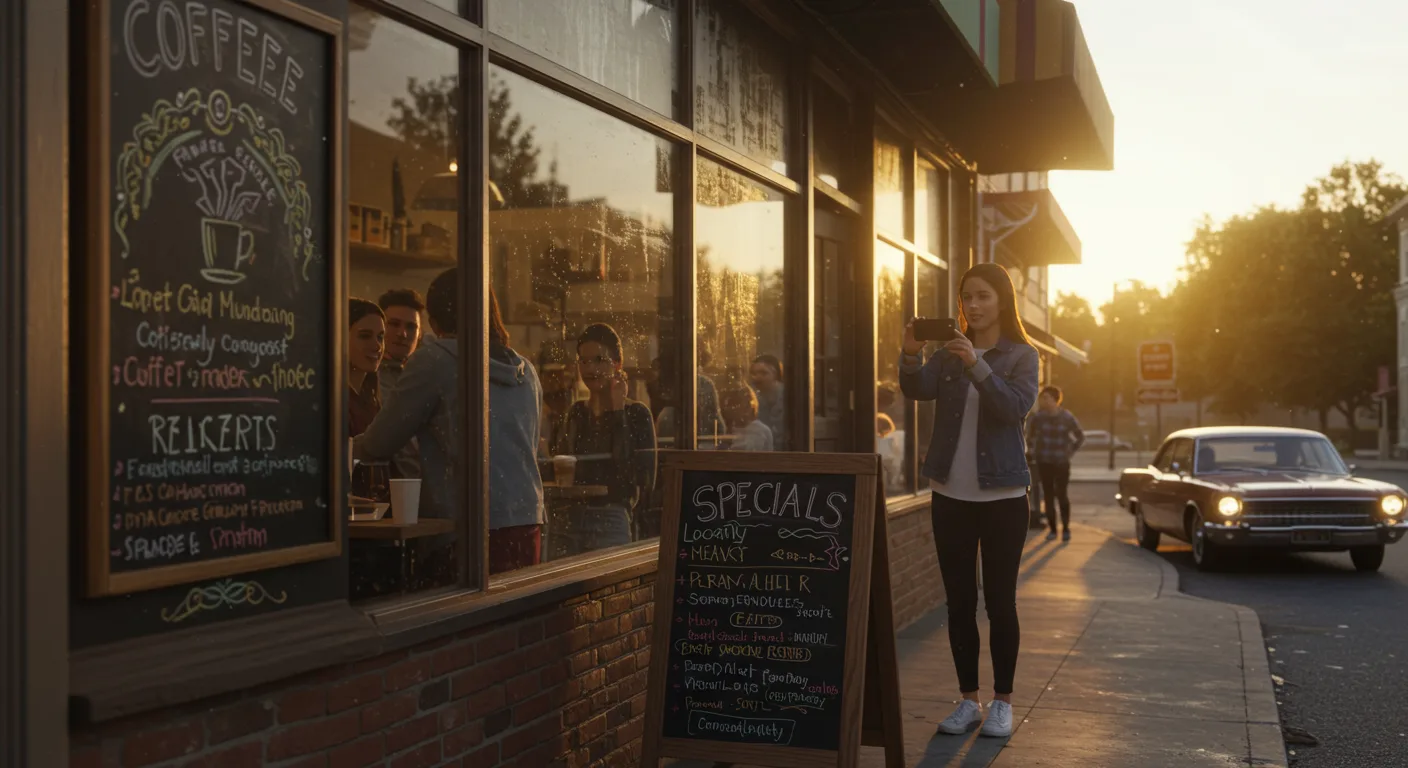
Sarah’s biggest hurdle was content creation. She felt she didn’t have the time or the skills. My advice? Don’t aim for perfection, aim for authenticity. We decided to leverage short-form video. Instagram Reels and YouTube Shorts are incredibly powerful for local businesses because they offer immediate, engaging content that can be consumed quickly. We developed a simple content calendar focusing on “micro-moments” – a quick shot of her kneading dough, the golden-brown crust of a fresh loaf, the steam rising from a perfectly brewed latte. No fancy equipment, just her phone and a tripod. We added trending audio and relevant hashtags like #AtlantaEats #O4WFood #SupportLocalATL.
One particular Reel, a time-lapse of her intricate croissant-making process, went viral locally, garnering over 10,000 views and dozens of comments. “I had people coming in asking for ‘the croissant from the video!'” she exclaimed, genuinely surprised. This wasn’t just about views; it was about building a connection, showing the artistry and passion behind her products. This kind of content builds trust, and trust converts. A Nielsen report from late 2023 highlighted that 78% of consumers found short-form video more engaging than static images, a trend that has only accelerated into 2026.
Phase 3: Smart Advertising – AI-Powered Personalization
Sarah’s previous attempts at advertising were, frankly, wasteful. Generic ads targeting “people who like bread” are a recipe for disaster. This is where 2026 marketing truly shines for small business owners. We moved her to AI-powered ad platforms. For her bakery, we focused on Google Ads and Meta Ads, but with a crucial difference: precise targeting and dynamic creative.
On Google, we implemented “Performance Max” campaigns, allowing Google’s AI to find the best placements across all its channels (Search, Display, YouTube, Gmail, Maps) based on her conversion goals. We fed it high-quality assets – images, videos, ad copy – and let the algorithm do its work. For Meta, we leveraged their “Advantage+” shopping campaigns, which use AI to personalize ad creative and audience targeting in real-time. We also uploaded her existing customer list (with their consent, of course) to create lookalike audiences – finding new potential customers who share characteristics with her most loyal patrons.
Here’s the kicker: we used dynamic ad creative. Instead of one static ad, the system would automatically generate variations based on user behavior and preferences. Someone who frequently watches baking videos might see an ad with a behind-the-scenes shot, while another who often searches for “coffee shops near me” might see an ad highlighting her coffee and pastry pairing. This level of personalization is no longer a luxury; it’s a necessity. It’s why IAB reports indicate programmatic advertising now accounts for over 85% of all digital display ad spend. This shift significantly reduced Sarah’s ad spend waste, dropping her cost per acquisition by 45% within three months.
The Resolution: A Flourishing Future
By the end of our six-month engagement, The Gilded Spatula was thriving. Sarah’s online orders had increased by over 70%, and foot traffic was consistently up. She had even hired two new part-time staff members to keep up with demand. Her initial fear of the digital world had transformed into a confident embrace of its possibilities. She understood that marketing in 2026 isn’t about being everywhere; it’s about being smart, being authentic, and letting technology do the heavy lifting where it can. She now regularly posts engaging videos, responds to reviews with genuine warmth, and her ads are bringing in customers who genuinely want her artisanal products. The Gilded Spatula, once a local secret, was now a celebrated Atlanta institution, proving that even the most traditional businesses can flourish with a modern digital strategy.
My editorial aside here: many small business owners get caught up in the “shiny new object” syndrome – chasing every new platform or trend. Resist that urge. Focus on the fundamentals: a strong local presence, compelling content, and intelligent ad spend. The tools will change, but those core principles remain steadfast.
What Sarah’s Journey Teaches Every Small Business Owner
The story of The Gilded Spatula isn’t just about a bakery; it’s a blueprint for any small business owner grappling with 2026’s digital demands. It demonstrates that success isn’t reserved for tech giants or venture-backed startups. It’s accessible to anyone willing to learn, adapt, and strategically apply modern marketing principles. You don’t need a huge team or an endless budget; you need focus, consistency, and a willingness to experiment. The digital world can be your biggest ally, not your biggest fear. Embrace the tools available, tell your story authentically, and watch your business grow.
What is the single most important marketing action a small business owner should take in 2026?
The single most important marketing action is to fully optimize and consistently manage your Google Business Profile. This platform is your digital storefront, directly impacting local search visibility, customer trust, and driving immediate foot traffic or inquiries.
How can small businesses compete with larger companies in digital advertising?
Small businesses can compete by focusing on hyper-local and niche-specific targeting, leveraging first-party data for personalized campaigns, and creating authentic, engaging content that larger corporations often struggle to replicate. AI-powered ad platforms also level the playing field by optimizing spend efficiently.
Is video content truly necessary for every small business?
Yes, video content is increasingly necessary. Platforms prioritize video, and consumers find it more engaging and memorable. Even simple, authentic videos shot on a smartphone can significantly boost engagement and build connection, making your brand more relatable and trustworthy.
What does “first-party data” mean for a small business, and how do I collect it?
First-party data is information you collect directly from your customers (e.g., email addresses from newsletter sign-ups, purchase history from your POS, website behavior). You collect it through loyalty programs, website analytics, direct interactions, and consent-based forms. This data is invaluable for personalized marketing and reducing reliance on third-party cookies.
How much budget should a small business allocate to digital marketing in 2026?
While budgets vary widely, a common recommendation for small businesses is to allocate 7-10% of their gross revenue to marketing. For digital marketing specifically, focus on starting with a manageable budget for local SEO and targeted ads, then scale up as you see measurable returns and a positive ROI.


