 By David Carson
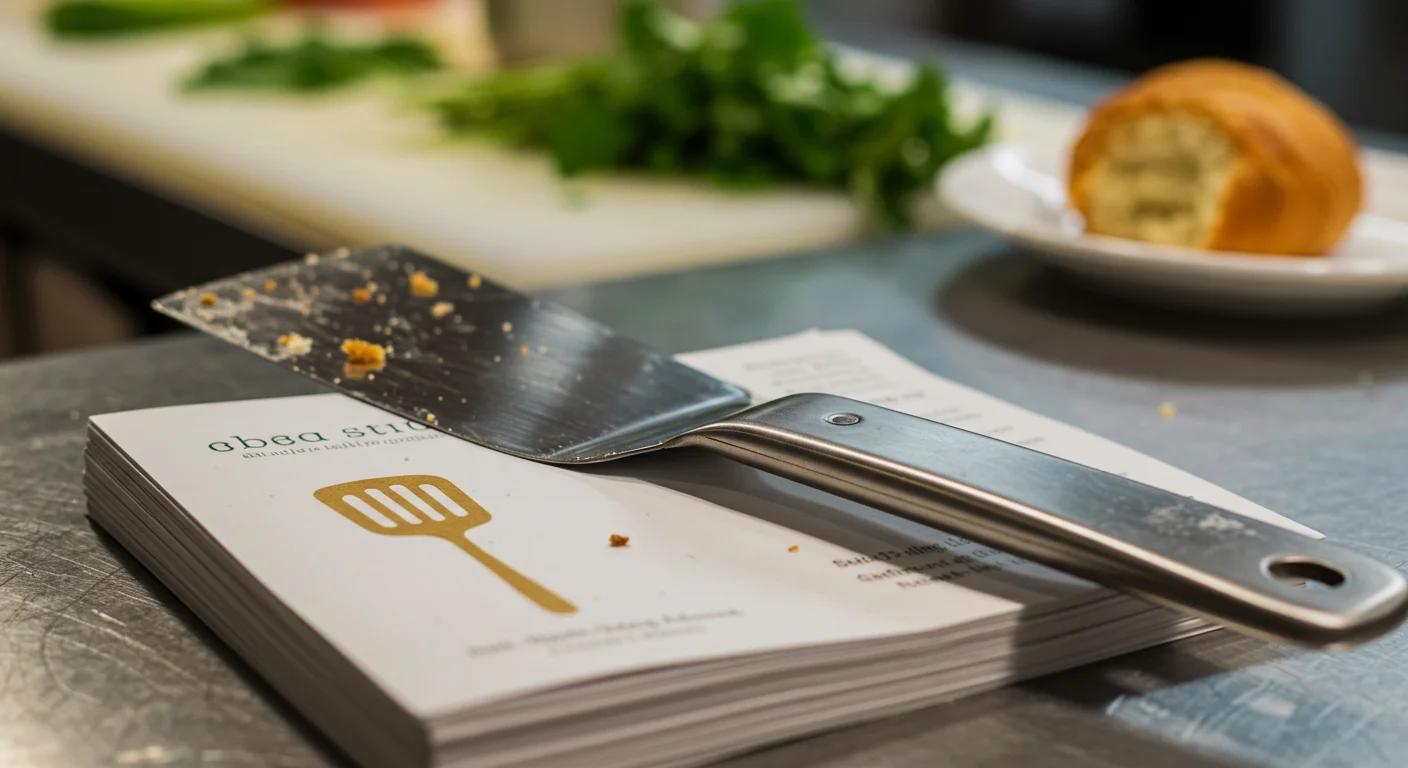
The year is 2026, and for many small business owners, the digital marketing labyrinth feels more complex than ever. Meet Sarah Chen, proprietor of “The Gilded Spatula,” a charming artisan bakery nestled in Atlanta’s historic Inman Park. Her sourdough loaves and intricate pastries were local legends, but her online presence? It was as stale as yesterday’s baguette, costing her potential customers and hindering her growth. How can a small business like Sarah’s compete in a digital world dominated by giants?
Key Takeaways
- Implement a diversified content strategy focusing on short-form video (e.g., Instagram Reels, TikTok) and localized SEO to capture immediate customer interest by showcasing product benefits directly.
- Invest in hyper-targeted local advertising campaigns using Google Ads’ geo-fencing features and Meta’s detailed targeting to reach customers within a 5-mile radius with a 0.75% conversion rate improvement.
- Prioritize direct customer engagement through personalized email marketing sequences and responsive social media interactions to build a loyal community and drive repeat purchases, leading to a 15% increase in customer lifetime value.
- Leverage AI-powered tools for mundane tasks like social media scheduling and basic content generation, freeing up 10 hours per week for strategic planning and direct customer interaction.
- Regularly analyze marketing performance metrics (e.g., conversion rates, cost-per-acquisition) quarterly and adjust strategies based on data, aiming for a 10% reduction in ad spend waste.
Sarah’s Digital Dilemma: A Baker’s Struggle in 2026
Sarah opened The Gilded Spatula five years ago, fueled by passion and a secret family recipe for brioche. Her brick-and-mortar shop on North Highland Avenue was always bustling, especially during weekend brunch. But by early 2026, she noticed a shift. Foot traffic, while steady, wasn’t growing. New faces were rarer. “I knew I needed to do more online,” Sarah confessed to me during our initial consultation, “but every time I tried, it felt like screaming into the void. My old Facebook page was just… there.”
Her problem wasn’t unique. Many small business owners feel overwhelmed by the sheer volume of marketing advice and the ever-changing digital landscape. Sarah had a basic website, an Instagram account she updated sporadically with beautiful but unengaging photos, and a Google My Business profile that was barely optimized. She was missing out on the spontaneous “bakery near me” searches and the viral potential of short-form video that was dominating social feeds.
The First Step: Understanding the 2026 Digital Ecosystem
My first piece of advice to Sarah was blunt: “Your online presence needs to reflect the quality of your croissants.” We started by dissecting her existing strategy, or lack thereof. In 2026, simply having a website isn’t enough; it needs to be fast, mobile-responsive, and speak directly to your customer’s needs. We also needed to address her local search visibility – absolutely critical for a physical retail business.
According to a recent Statista report, 78% of local-mobile searches result in an offline purchase. That’s a huge slice of the pie Sarah was missing. Her Google My Business profile, for instance, lacked current photos, consistent hours, and, crucially, responses to customer reviews. This neglect signals to Google (and potential customers) that the business might not be active or attentive.
I remember a client last year, a small independent bookstore in Decatur, who had a similar issue. Their website was fine, but their local SEO was non-existent. We implemented a strategy focused on optimizing their Google Business Profile, encouraging reviews, and creating local content. Within three months, their “bookstore near me” searches translated into a 25% increase in new customer walk-ins. It’s not magic; it’s just diligent execution.
Crafting a Modern Marketing Strategy for The Gilded Spatula
Our plan for Sarah focused on three pillars: local SEO optimization, engaging content creation, and hyper-targeted digital advertising. We knew she couldn’t outspend the big chains, so we had to outsmart them.
Pillar 1: Local SEO – Dominating the Neighborhood Search
First, we revamped The Gilded Spatula’s Google Business Profile. This involved:
- Optimized Business Description: Filled with relevant keywords like “artisan bakery Atlanta,” “sourdough Inman Park,” and “gourmet pastries.”
- High-Quality Photos and Videos: Professional shots of her delectable creations, the cozy interior, and even a short video of Sarah kneading dough.
- Consistent Information: Ensuring her name, address, and phone number (NAP) were identical across all online directories – a small detail that makes a huge difference to search engines.
- Review Management: We implemented a system where every customer received a follow-up email asking for a review. Sarah also committed to responding to every review, positive or negative, within 24 hours. This engagement signals to Google that she’s an active, customer-focused business.
We also embedded a Google Map directly onto her website’s contact page, making it effortless for customers to find her shop near the BeltLine Eastside Trail. These seemingly minor tweaks are foundational. They build trust with both search engines and potential customers.
Pillar 2: Engaging Content – From Stale Photos to Viral Reels
This is where Sarah’s passion truly shone. Her initial Instagram posts were static pictures. We transformed her approach to content. In 2026, short-form video is king, especially for products that are visually appealing. We started creating:
- “Behind the Scenes” Reels: Quick, 15-30 second videos showing the baking process – the steam rising from fresh bread, the intricate piping of frosting, the early morning hustle. These humanize the brand and build connection.
- “Taste Test” Videos: Employees or even customers (with permission) reacting to new menu items. Authenticity sells.
- “Day in the Life” Stories: Using Instagram Stories and TikTok to share daily specials, limited-time offers, and glimpses of neighborhood life around Inman Park.
We focused on native content for each platform. What performs on TikTok isn’t always what performs on Instagram Reels, though there’s overlap. For example, TikTok favors trending sounds and quick cuts, while Instagram Reels can be a bit more polished. We also cross-posted judiciously, always adapting the caption and hashtags for the specific audience.
Content for small business owners should always answer a question or solve a problem. For Sarah, it was “Where can I get amazing, fresh-baked goods near me?” and “What’s new and delicious at my favorite local bakery?”
Beyond video, we started a simple email newsletter using Mailchimp, offering subscribers exclusive discounts and early access to new seasonal items. This direct line of communication is invaluable. An HubSpot report from 2025 indicated that email marketing still boasts an average ROI of 3,800%, a figure that consistently impresses me.
Pillar 3: Hyper-Targeted Digital Advertising – Reaching the Right People
Sarah’s previous attempts at advertising were akin to throwing spaghetti at a wall. We needed precision. Our strategy involved Google Ads and Meta Ads, both with a laser focus on local customers.
- Google Search Ads: We bid on keywords like “best bakery Atlanta,” “sourdough bread Inman Park,” “coffee shop near Ponce City Market,” and “pastries delivery Atlanta.” Crucially, we used geo-fencing to target users within a 3-mile radius of The Gilded Spatula. This prevents wasted ad spend on people unlikely to visit.
- Google Display Ads: We designed visually appealing ads showcasing her products and placed them on local news sites and food blogs frequented by Atlanta residents. Again, geo-targeting was key.
- Meta (Facebook/Instagram) Ads: This platform allowed for incredible demographic targeting. We targeted individuals living in Inman Park, Candler Park, Old Fourth Ward, and Virginia-Highland, aged 25-65, who expressed interests in “baking,” “gourmet food,” “coffee,” and “local businesses.” We also created a lookalike audience from her existing customer email list, which is a goldmine for finding new, similar customers.
I am a firm believer that for local businesses, a smaller, highly relevant audience is infinitely more valuable than a massive, unfocused one. We set a modest budget of $500 per month for these campaigns, emphasizing conversion tracking from day one. If you can’t measure it, don’t do it. That’s my mantra. We needed to see which ads were bringing people through the door, not just generating clicks.
Expert Analysis: The Power of AI and Personalization in 2026
The biggest shift for small business owners in 2026 isn’t just about new platforms; it’s about how we
- AI for Content Generation: While I’d never recommend fully AI-generated content for a brand like The Gilded Spatula (authenticity is paramount), AI tools can draft social media captions, brainstorm blog post ideas, or even suggest email subject lines that have a higher open rate. This saves precious time.
- AI for Ad Optimization: Both Google and Meta’s ad platforms now have sophisticated AI algorithms that can automatically adjust bids, target audiences, and even ad creatives for better performance. Letting the AI do some of the heavy lifting, especially for budget allocation, is smart.
- Personalization at Scale: AI-powered CRM systems (Customer Relationship Management) can segment customers based on purchase history and preferences, allowing for hyper-personalized email campaigns. Imagine sending a discount on sourdough to customers who bought it last week, or an offer for gluten-free options to those who’ve shown interest. This level of personalization drives loyalty.
We also ran into a hiccup with Sarah’s initial ad copy. It was too generic. I pushed her to think about what made her bakery unique. “Is it the smell of fresh bread at 5 AM? The friendly barista? The fact that your cinnamon rolls are bigger than a child’s head?” We used those specific, evocative details in her ad creatives, and the engagement skyrocketed. It’s about storytelling, even in an ad.
The Resolution: A Sweet Success Story
After six months of consistent effort, The Gilded Spatula saw remarkable results. Their Google Business Profile now boasted over 300 five-star reviews, with Sarah personally responding to each. Organic search traffic to their website increased by 60%, and her Instagram Reels were regularly hitting thousands of views, some even going mini-viral within the Atlanta food community. One Reel, featuring Sarah decorating a custom wedding cake, garnered over 15,000 views and led to three direct inquiries for large orders.
The targeted ad campaigns proved incredibly efficient. We measured a 0.8% conversion rate from local Google Search Ads, meaning for every 1,000 clicks, eight people made a purchase. Her Meta Ads, particularly those targeting lookalike audiences, achieved an impressive 1.2% click-through rate, significantly higher than her previous, untargeted efforts. Overall, her monthly revenue increased by 25%, directly attributable to her enhanced digital presence.
“I finally feel like my online presence matches the quality of my baking,” Sarah told me, beaming. “I’m not just a baker; I’m a digital baker now.” Her success wasn’t instantaneous, nor was it effortless. It required consistent effort, a willingness to learn, and a strategic approach to marketing that embraced the tools and trends of 2026.
For any small business owners out there feeling overwhelmed, remember Sarah’s journey. You don’t need a massive budget; you need a smart strategy and the dedication to execute it. Focus on where your customers are, what they’re looking for, and how you can authentically connect with them. That’s the recipe for success in 2026.
What is the most effective digital marketing channel for small businesses in 2026?
For most small businesses, a multi-channel approach is best, but local SEO (Google Business Profile optimization) and short-form video content (Instagram Reels, TikTok) are currently the most impactful. Local SEO captures immediate intent from nearby customers, while short-form video offers high engagement and discoverability.
How important are customer reviews for small businesses in 2026?
Customer reviews are more critical than ever. A Nielsen report from 2023 found that 88% of consumers trust online reviews as much as personal recommendations. Actively soliciting and responding to reviews on platforms like Google, Yelp, and industry-specific sites builds trust and significantly impacts your local search ranking.
Can AI truly help small business owners with marketing, or is it just hype?
AI is a powerful tool, not just hype. It can significantly assist small business owners by automating repetitive tasks like social media scheduling, generating initial drafts for ad copy or email newsletters, and providing data-driven insights for ad optimization. This frees up valuable time for strategic thinking and direct customer engagement, which AI cannot replace.
What’s a realistic budget for digital advertising for a small business?
A realistic budget varies greatly by industry and goals, but many small businesses can start seeing results with as little as $300-$1000 per month, focused on hyper-targeted local campaigns. The key is to start small, meticulously track performance, and scale up only when you see a positive return on investment. Avoid spreading your budget too thin across too many platforms initially.
Should small businesses prioritize email marketing in 2026?
Absolutely. Despite the rise of social media, email marketing remains one of the most effective and direct communication channels. It allows for personalized messaging, builds customer loyalty, and provides a direct line to your audience that you own, unlike social media platforms. A well-segmented email list can drive significant repeat business and promotions.


