 By Editorial Team
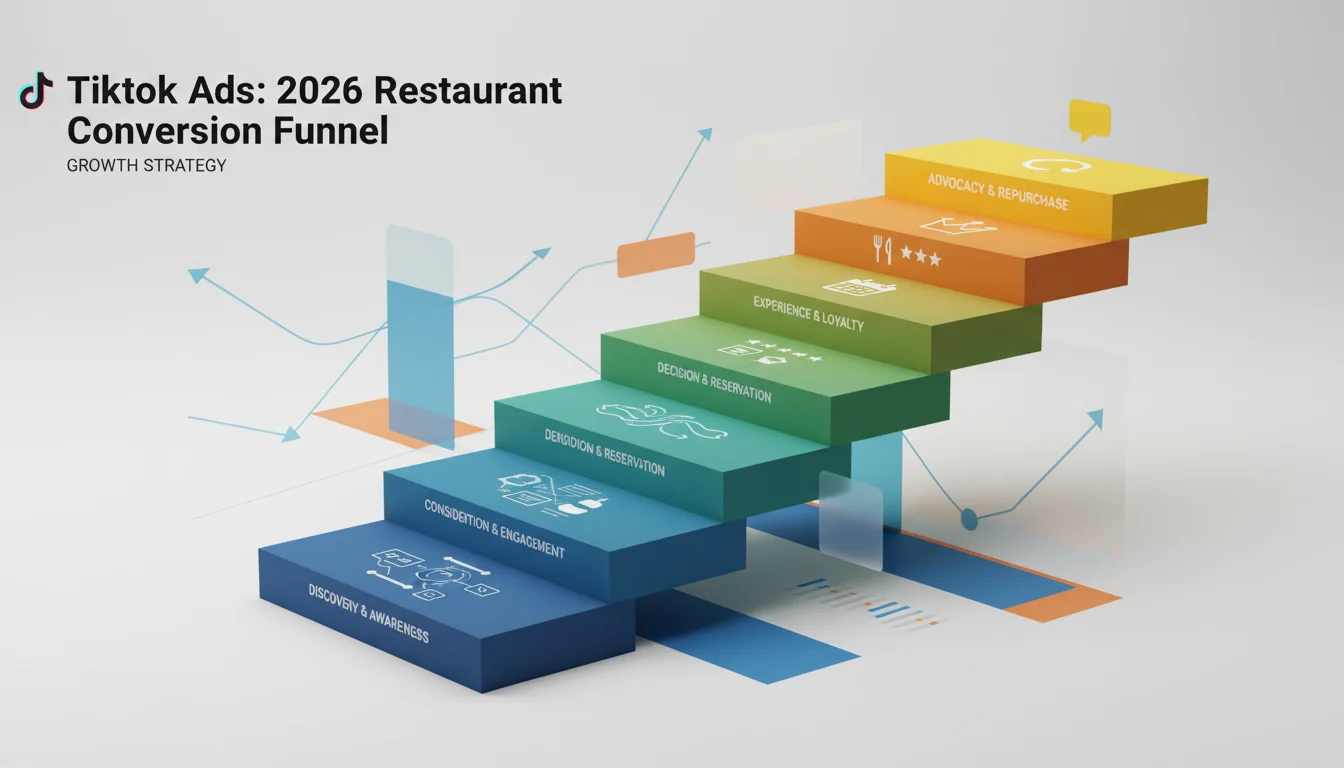
By 2026, people are finding places to eat on TikTok, period. For any restaurant, that means TikTok ads are the most direct way to get in front of local diners. The real question is how to build a video ad funnel that actually turns those scrollers into people sitting at your tables.
Key Takeaways
- Put at least 60% of your TikTok ad budget into “Awareness” stage ads, using high-quality, short-form video that shows off your signature dishes.
- For “Consideration” campaigns, get hyper-local with geographic targeting, shrinking the radius down to 2 miles around your restaurant during lunch and dinner hours.
- Use TikTok’s “Lead Generation” objective for the “Conversion” stage by offering a specific, time-sensitive discount code people can redeem in your restaurant.
- Check your campaign performance weekly, and if your click-through rates (CTR) aren’t above 1.5% or conversion rates aren’t hitting 5%, it’s time to adjust creative and bids.
- Find your best-performing organic TikToks and turn them into paid ads, it’s a cheap way to use creative you already know people like.
Crafting the Irresistible Hook: The Awareness Stage
At the top of the restaurant marketing funnel, the only job on TikTok is to stop the scroll. This is a restaurant’s first impression, a chance to show off its personality and signature plates to a wide but still local audience. We’re talking about “sizzle reels”, quick, visually arresting videos that make people hungry and curious. You have to forget about polished, big-budget commercials because TikTok thrives on stuff that feels real. The content needs to feel native to the platform, almost like something a user’s friend would post.
I always tell clients to focus on short, dynamic clips, usually in the 10 to 15-second range. Get close-ups of that sizzling steak, the cheese pull on a pasta dish, or the garnish being placed on a handcrafted cocktail. You can use trending sounds and effects, but don’t overdo it. A HubSpot report I saw recently noted that videos with trending audio get a 30% higher completion rate, which is a massive, free boost. And don’t just show the food. Show the experience. A quick shot of a chef plating, the buzz of a full dining room, or even just happy customers laughing can be gold. The main KPIs here aren’t sales, they’re reach, impressions, and especially video completion rates. You just want as many local eyeballs on your food as possible.
Building Desire: The Consideration Stage with Local Video
Once you’ve got their attention, the consideration stage is about turning that flicker of interest into a real desire to visit. Your local video strategy is everything here. These are more targeted campaigns aimed at people who’ve already watched your awareness videos or who are inside a very specific geographical area. TikTok’s ad platform has gotten really good with its targeting options, and restaurants need to use them. I’d build custom audiences from people who viewed your previous videos and combine that with tight location targeting, sometimes as narrow as a 1 to 3-mile radius around your front door. This makes sure your ad dollars are only spent on people who can actually get to you without a major trip.
Content at this stage can be a bit longer, maybe 20 to 30 seconds, and should offer more substance. This is a good place for a behind-the-scenes peek at the kitchen, a quick interview with your chef about a new seasonal dish, or a montage of real customer reactions. You could run a video about a weekday-only lunch special or promote your happy hour. The call to action (CTA) is softer, something like “View Our Menu” that links to your website or “Learn More” that points to a landing page with more info. You’re watching for metrics like click-through rate (CTR) to your site and profile visits. If you’re seeing a CTR above 1.5% on these campaigns, your creative and targeting are probably working well.
One tactic that consistently works is boosting video testimonials. Get some of your regulars to record short, authentic clips about their favorite dish or a great experience they had. With their permission, you can turn this user-generated content (UGC) into ads, and they often blow professionally shot videos out of the water because they feel so genuine. There’s a Nielsen report that says 88% of people trust recommendations from people they know, and 72% trust online reviews from strangers. That same trust factor is what makes amplifying real customer voices so effective for engagement.
| Feature | Awareness Stage | Consideration Stage | Conversion Stage |
|---|---|---|---|
| Budget Allocation | ✓ 60% of ad budget | ✗ Not specified | ✗ Not specified |
| Video Length | ✓ 10-15 seconds | ✓ 20-30 seconds | ✓ Short, punchy |
| Targeting Radius | ✗ Broad local audience | ✓ 1-3 mile radius | ✗ Highly targeted |
| Primary KPI | ✓ Reach, Impressions, Video Completion | ✓ CTR to website, Profile visits | ✓ Conversions, Lead Generation |
| Call to Action | ✗ Implied curiosity | ✓ Softer (View Menu, Learn More) | ✓ Direct (Book Now, Order Delivery) |
| Content Focus | ✓ Signature dishes, restaurant personality | ✓ Behind-the-scenes, testimonials | ✓ Specific offer, discount code |
| Performance Metric | ✗ Not specified | ✓ CTR above 1.5% | ✓ Conversion rates > 5% |
Driving Reservations: The Conversion Stage
Down at the bottom of the funnel, you’re pushing for a specific action: a reservation, an online order, or a visit. These campaigns need to be hyper-targeted and usually have a strong offer attached. TikTok gives you a few ad objectives that work well here, mainly “Conversions” and “Lead Generation.” If you’ve got an online ordering system or a reservation platform hooked into your website, the “Conversions” objective is perfect because you can track the actual bookings or orders that come directly from your ad clicks.
The video for a conversion ad has to be direct, with a clear and urgent call to action. We’re talking “Book Your Table Now,” “Order Delivery,” or “Claim Your 15% Off Coupon.” The visuals should back up the offer, like a quick shot of a table being set or someone easily completing an online order on their phone. Short, punchy text overlays that spell out the deal are very effective. A video of a gorgeous dessert with text that says “Limited Time: Free Dessert with Any Entree – Tap to Claim!” creates an immediate reason to act.
One of the most effective strategies I use for clients is TikTok’s “Lead Generation” objective. You can offer a solid discount code, like “TIKTOK20,” and in exchange, the user fills out a quick form with their email or phone number right in the app. This is great because you’re not only driving a potential sale but also collecting customer data you can use for email marketing later. The key is making the offer compelling enough and putting a deadline on it to create urgency, like “Get 20% off your next meal when you sign up! Offer expires this Sunday.” You need to track your cost per lead (CPL) and your conversion rate from those leads. For a local restaurant, a CPL under $5.00 is generally considered a big win, though it depends on your average check size.
Measuring Success and Iterating: Optimization is Key
TikTok ad campaigns require constant attention. You have to monitor and optimize them to maximize your return on ad spend (ROAS). Digging into your campaign data regularly is the only way to figure out what’s working. TikTok’s Ads Manager gives you everything you need: impressions, reach, clicks, completion rates, and all your conversion numbers. I usually have my clients check their ad performance at least three times a week, and daily when a campaign first launches.
You start to see patterns. Are certain videos getting a much better CTR? Is your cost per click (CPC) creeping up for one of your audiences? If you see that, it’s probably time to swap in new creative or tweak your targeting. The most common mistake I see is restaurants running the same ad for too long until it burns out from ad fatigue. People get sick of seeing the same thing, and performance always, always drops. A good rule of thumb is to plan on refreshing your awareness and consideration creatives every 2 to 4 weeks. For conversion ads, you might need to do it even faster if you see performance tanking. A/B testing different videos, CTAs, or even just the background music can give you surprising insights and really move the needle on your results.
Beyond the Funnel: Retargeting and Loyalty
The relationship doesn’t stop after one visit. A smart TikTok ad strategy must include retargeting to bring people back and build some real loyalty. You can create custom audiences from users who’ve already engaged with your ads, visited your website, or even uploaded a customer list of past purchasers. These are all warm leads who already know who you are, making them much more likely to respond to a good offer.
Your retargeting campaigns could be about anything from special events to loyalty program sign-ups or exclusive deals for repeat customers. For example, you could run a video ad showing a sneak peek of a new seasonal menu but target it only to people who have ordered from you in the last 60 days. Or, you could promote a “bring a friend” discount specifically to users who have liked or commented on your previous posts. Keeping a customer is way cheaper than finding a new one, which makes retargeting an incredibly efficient way to spend your ad budget. According to Statista, customer retention can be up to five times more cost-effective than acquisition, meaning every dollar you spend here goes a lot further.
Getting this ad funnel right on TikTok comes down to a clear strategy, compelling local video, and a commitment to constant optimization. By breaking the work down into the distinct stages of awareness, consideration, and conversion, restaurants can systematically turn casual scrollers into regulars. The platform’s mix of authentic content and powerful targeting gives local spots a serious chance to stand out and win.
What’s the best video length for my ads?
For top-of-funnel awareness ads, keep it short and sweet: 10-15 seconds is perfect to grab attention. For the consideration stage, you can go a little longer, around 20-30 seconds, to give more information. Conversion ads should be quick and to the point, usually under 15 seconds with a very clear CTA.
How often should I refresh my ad creative?
To avoid ad fatigue, you should plan to refresh your awareness and consideration ads every 2 to 4 weeks. For conversion campaigns where performance can drop off faster, you might need to swap in new creative more often, especially if you see your CTR or conversion rate declining.
Best ad objective for getting reservations?
The “Conversions” objective is your best bet if your website’s reservation system can track the bookings. If not, “Lead Generation” is a great alternative, you can offer a discount code to get someone’s contact info, and then your team can follow up to secure the reservation.
Can I actually use customer videos in my ads?
Yes, and you absolutely should. This is called user-generated content (UGC) and it often works better than slick, professional ads because it feels more real. Just ask your loyal customers to record a quick video, and make sure you get their permission before you boost it as a paid ad. It’s a great way to build trust.
What’s the right targeting radius for a restaurant?
For your mid- and bottom-funnel campaigns (consideration and conversion), a tight geographic radius of 1 to 3 miles around your physical location is usually the most effective. This ensures you’re spending money on people who can realistically get to you, making your budget work much harder.


