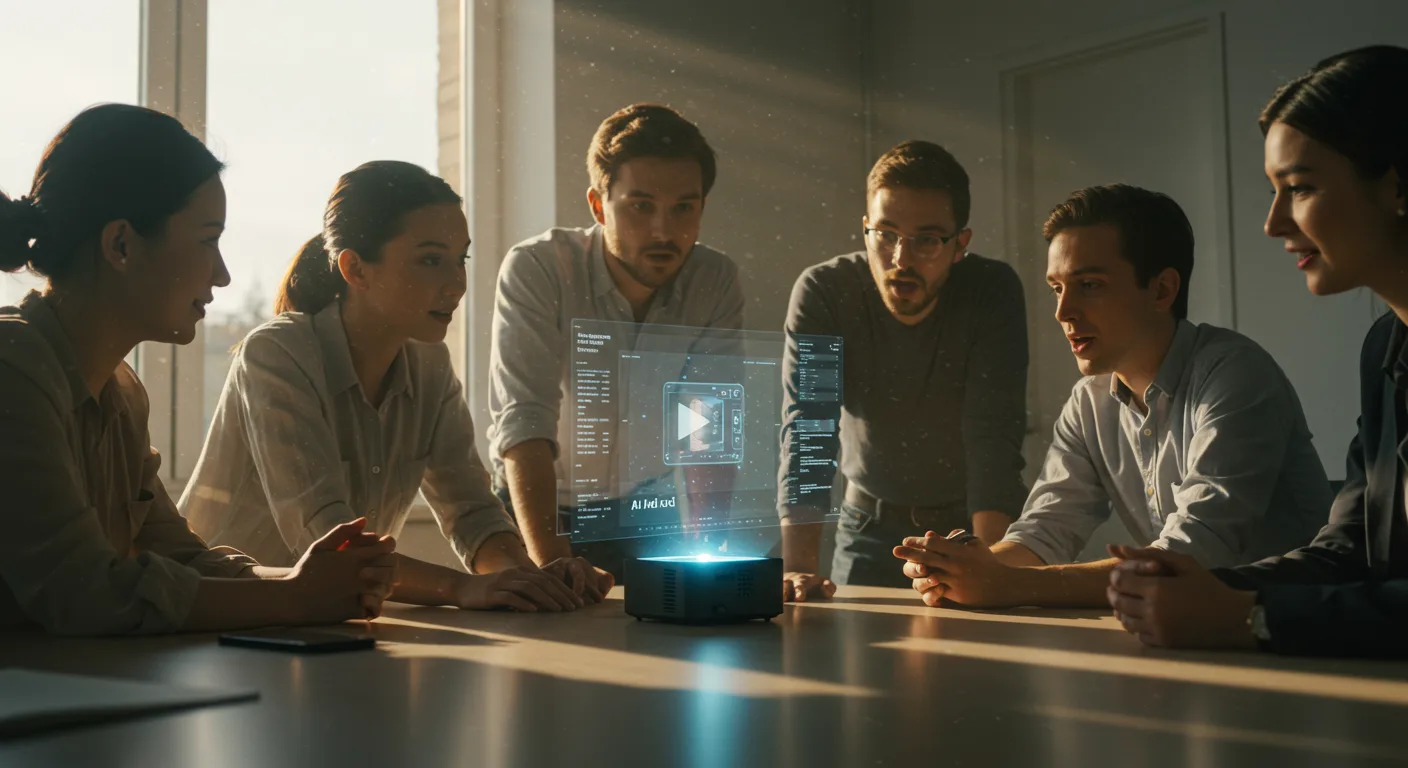
Get Started with Trending Video Ad Styles
The world of digital marketing is constantly evolving, and video advertising is at the forefront of this change. Understanding and breakdowns of trending video ad styles, including the rise of AI-powered video creation and its impact on marketing, is essential for staying competitive in 2026. Are you ready to unlock the potential of video ads to transform your marketing strategy?
Understanding the Current Video Ad Landscape
The video ad landscape in 2026 is dominated by short-form content, interactive experiences, and personalized messaging. Platforms like YouTube, TikTok, and Instagram continue to be key players, but emerging platforms and ad formats are also gaining traction.
- Short-Form Video: TikTok’s influence remains strong. Ads are concise, engaging, and often leverage trending sounds and challenges. The ideal length is typically 15-60 seconds.
- Interactive Ads: These ads encourage user participation through polls, quizzes, and clickable elements. They boost engagement and provide valuable data.
- Personalized Video: Data-driven ads that tailor content to individual user preferences and behaviors. This approach significantly improves click-through rates (CTR). According to a recent report by Accenture, personalized video ads can increase purchase intent by up to 35%.
- Live Video: Live streaming continues to be a powerful tool for building brand awareness and engaging with audiences in real-time.
- Shoppable Video: These ads allow viewers to purchase products directly from the video, streamlining the buying process.
A study conducted by Forrester Research in 2025 indicated that videos with interactive elements had a 20% higher completion rate compared to standard video ads.
Leveraging AI in Video Ad Creation
AI-powered video creation is no longer a futuristic concept; it’s a practical tool that’s transforming how marketers produce video ads. AI can assist with various aspects of video creation, including:
- Script Generation: AI can analyze data and generate compelling ad scripts based on target audience preferences.
- Video Editing: AI-powered tools can automate tedious editing tasks, such as cutting footage, adding transitions, and applying visual effects.
- Voiceovers: AI can generate realistic voiceovers in multiple languages, making it easier to create ads for diverse audiences.
- Personalization: AI can personalize video ads based on user data, such as demographics, interests, and browsing history.
- Performance Analysis: AI can analyze video ad performance and provide insights on how to improve engagement and conversion rates.
Tools like Synthesia and Pictory offer AI-driven video creation capabilities, allowing marketers to produce high-quality videos quickly and efficiently. For example, Synthesia allows you to create videos using AI avatars, eliminating the need for actors and filming equipment.
Trending Video Ad Styles and Formats
Staying on top of trending video ad styles is crucial for capturing audience attention and maximizing impact. Here are some of the most popular video ad formats in 2026:
- Vertical Video: Optimized for mobile viewing, vertical videos are ideal for platforms like TikTok and Instagram Stories.
- Square Video: Originally popular on Instagram, square videos are versatile and can be used on various platforms.
- Cinemagraphs: These are still images with subtle animated elements, creating a visually appealing and captivating effect.
- Animated Explainer Videos: These videos use animation to explain complex concepts or showcase product features.
- User-Generated Content (UGC): Authentic and relatable content created by customers can be highly effective in building trust and driving sales.
- Augmented Reality (AR) Ads: These ads overlay digital content onto the real world, creating immersive and interactive experiences.
- 360-Degree Videos: Allow viewers to explore a scene from all angles, providing a unique and engaging perspective.
According to a 2025 study by HubSpot, UGC ads have a 73% higher conversion rate than traditional branded ads.
Optimizing Video Ads for Different Platforms
Each platform has its own unique audience and ad specifications. To maximize the effectiveness of your video ads, you need to tailor your content to each platform:
- YouTube: Focus on longer-form content, tutorials, and product reviews. Utilize YouTube’s targeting options to reach specific demographics and interests. Optimize titles, descriptions, and tags for search.
- TikTok: Create short, engaging videos that leverage trending sounds and challenges. Use relevant hashtags to increase visibility.
- Instagram: Use a mix of vertical videos, square videos, and Stories ads. Focus on visually appealing content that aligns with your brand aesthetic.
- Facebook: Utilize Facebook’s detailed targeting options to reach specific demographics, interests, and behaviors. Test different ad formats to see what performs best.
- LinkedIn: Focus on professional and informative content. Target specific industries, job titles, and company sizes.
Measuring Video Ad Performance and ROI
Tracking the performance of your video ads is essential for optimizing your campaigns and maximizing your return on investment (ROI). Key metrics to monitor include:
- Views: The number of times your video has been viewed.
- Completion Rate: The percentage of viewers who watched your video to the end.
- Click-Through Rate (CTR): The percentage of viewers who clicked on your ad.
- Conversion Rate: The percentage of viewers who took a desired action, such as making a purchase or filling out a form.
- Cost Per View (CPV): The cost of each view.
- Return on Ad Spend (ROAS): The amount of revenue generated for every dollar spent on advertising.
Use analytics tools like Google Analytics and platform-specific analytics dashboards to track these metrics. A/B test different ad creatives, targeting options, and bidding strategies to identify what works best. Continuously analyze your data and make adjustments to your campaigns to improve performance.
Future Trends in Video Advertising
The video ad landscape will continue to evolve in the coming years. Here are some trends to watch:
- Increased Use of AI: AI will play an even greater role in video creation, personalization, and optimization.
- More Immersive Experiences: AR and VR will become more prevalent, creating more engaging and interactive ad experiences.
- Greater Emphasis on Personalization: Video ads will become even more personalized, tailored to individual user preferences and behaviors.
- Rise of Shoppable Video: Shoppable video will become more widespread, making it easier for consumers to purchase products directly from video ads.
- Integration with the Metaverse: Video ads will increasingly be integrated into metaverse experiences, creating new opportunities for brands to engage with consumers.
By staying ahead of these trends and adapting your strategies accordingly, you can ensure that your video ads remain effective and impactful.
In conclusion, mastering and breakdowns of trending video ad styles, and embracing advancements such as AI-powered video creation, are paramount for success in today’s dynamic marketing environment. By understanding the current landscape, leveraging AI, optimizing for different platforms, and continuously monitoring performance, you can unlock the full potential of video advertising. Start experimenting with these strategies today and watch your marketing results soar.
What is the ideal length for a TikTok video ad in 2026?
The ideal length for a TikTok video ad is typically between 15 and 60 seconds. Shorter, punchier videos tend to perform best on the platform.
How can AI help with video ad personalization?
AI can analyze user data, such as demographics, interests, and browsing history, to tailor video ads to individual preferences. This can include customizing the content, messaging, and even the visuals of the ad.
What are some key metrics to track when measuring video ad performance?
Key metrics include views, completion rate, click-through rate (CTR), conversion rate, cost per view (CPV), and return on ad spend (ROAS).
What is shoppable video, and why is it important?
Shoppable video allows viewers to purchase products directly from the video, streamlining the buying process. It’s important because it reduces friction and makes it easier for consumers to make a purchase.
How can I use user-generated content (UGC) in my video ad campaigns?
You can encourage customers to create videos showcasing your products or services. Share these videos on your social media channels and use them in your ad campaigns. UGC is authentic and relatable, which can help build trust and drive sales.





