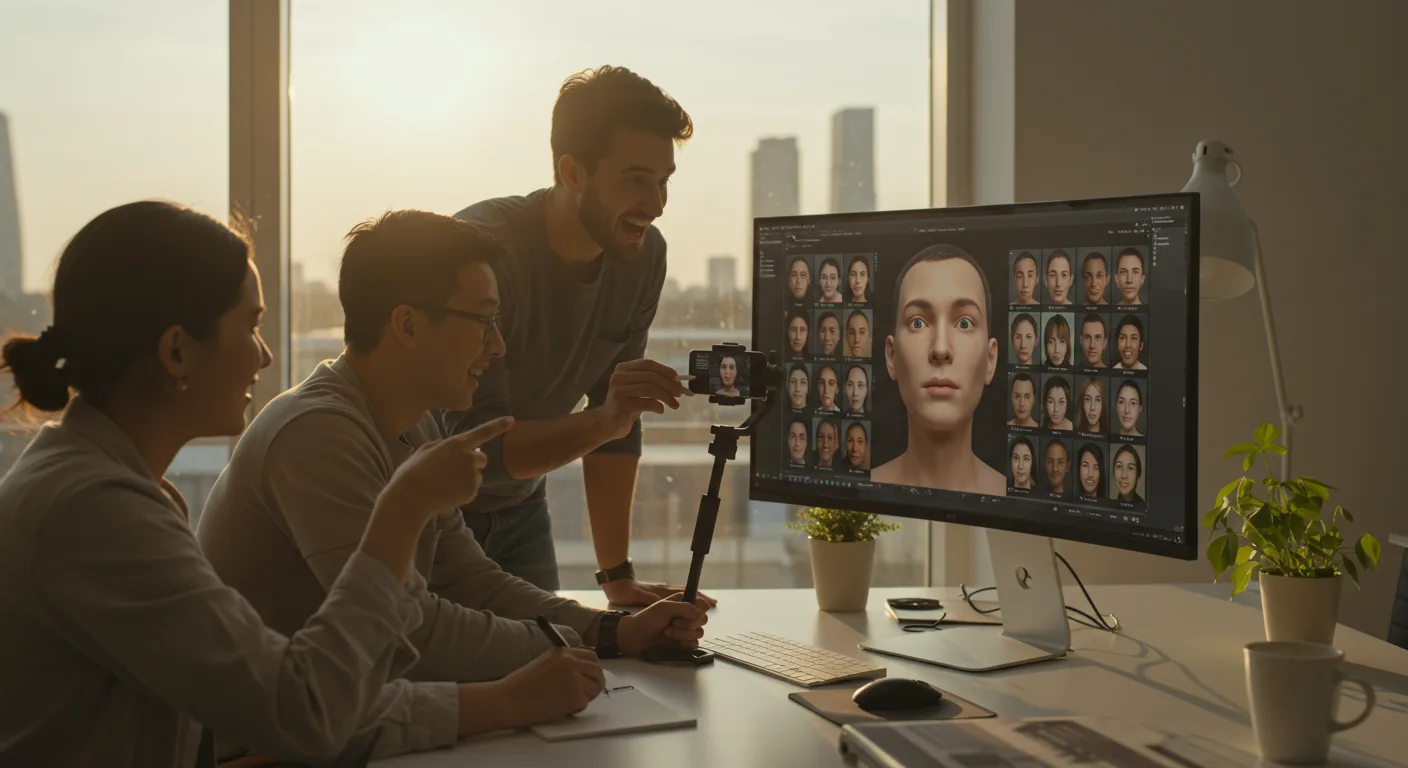
In the dynamic realm of digital marketing, video ads reign supreme. Staying ahead requires understanding the building blocks and breakdowns of trending video ad styles. We'll analyze emerging trends like AI-powered video creation and how they're reshaping marketing strategies. But with so many options and innovations, how do you choose the right video ad style to captivate your audience and drive results?
Decoding Short-Form Video Dominance
Short-form video continues its reign in 2026, primarily due to its consumption-friendly format on platforms like TikTok, Instagram Reels, and YouTube Shorts. The key to success here is authenticity and conciseness. Users are bombarded with content, so you have mere seconds to grab their attention.
Consider the "day in the life" format. These videos offer a behind-the-scenes glimpse into a brand or individual's routine, fostering a sense of connection and trust. For example, a sustainable clothing brand could showcase the ethical production process of their garments in a visually appealing 30-second video. Another popular style is the "how-to" video. These are quick tutorials that demonstrate the value of your product or service. A cooking appliance company could create a short video demonstrating a simple recipe using their latest blender.
However, remember that short doesn't mean sacrificing quality. High production value, engaging visuals, and a clear call to action are still essential. A recent study by HubSpot found that short-form video ads with a clear call to action have a 16% higher conversion rate compared to those without.
From my experience working with e-commerce clients, I've consistently seen a positive ROI from short-form video ads that feature user-generated content. This adds an extra layer of authenticity and social proof.
The Rise of AI-Powered Video Creation
AI is no longer a futuristic concept; it's a present-day tool revolutionizing video ad creation. AI-powered platforms like Synthesia and Lumen5 allow you to generate videos from text scripts, create realistic avatars, and even translate videos into multiple languages with ease. This significantly reduces production costs and time, making video marketing accessible to smaller businesses.
One of the most significant applications of AI is in personalization. AI can analyze user data to create personalized video ads that resonate with individual preferences and interests. Imagine a streaming service using AI to generate different trailer variations for a new show based on a user's viewing history. This level of personalization can significantly boost engagement and conversion rates.
However, it's crucial to use AI responsibly and ethically. Ensure that AI-generated content is transparent and doesn't mislead viewers. Authenticity remains paramount, even when leveraging AI.
Interactive Video Ads: Engaging Your Audience
Interactive video ads offer a unique opportunity to engage viewers and gather valuable data. These ads allow users to interact with the video content, making choices, answering questions, or exploring different product features. Popular formats include:
- Choose Your Own Adventure: These videos present viewers with different scenarios and choices, leading to multiple outcomes.
- 360° Videos: Allow viewers to explore a scene from all angles, creating an immersive experience.
- Shoppable Videos: Enable viewers to directly purchase products featured in the video.
The key to successful interactive video ads is to provide value and entertainment. Don't simply bombard viewers with product information; instead, create an engaging experience that leaves a lasting impression. A real estate company could create a 360° virtual tour of a property, allowing potential buyers to explore the space from the comfort of their homes. An apparel brand could create a "choose your own outfit" video, allowing viewers to mix and match different clothing items.
According to a 2025 report by Interactive Advertising Bureau (IAB), interactive video ads have a 32% higher engagement rate compared to traditional video ads.
Livestream Commerce: Real-Time Engagement and Sales
Livestream commerce continues to gain momentum, offering a powerful way to connect with audiences in real-time and drive sales. Platforms like Amazon Live and YouTube Live provide opportunities for brands to showcase products, answer questions, and interact with viewers in a live setting.
The key to successful livestream commerce is to create an engaging and interactive experience. Invite influencers or brand ambassadors to host the livestream, offer exclusive deals and promotions, and encourage viewers to ask questions and participate in polls. A beauty brand could host a live makeup tutorial, demonstrating how to use their products and answering viewers' questions in real-time. A tech company could host a live product launch, showcasing the features of their latest gadget and offering exclusive discounts to viewers.
However, remember that livestream commerce requires careful planning and preparation. Ensure that you have a reliable internet connection, a well-lit studio, and a clear script. It's also essential to have a team of moderators to manage comments and answer questions.
Data-Driven Optimization: Measuring and Refining Your Strategy
No matter which video ad style you choose, data-driven optimization is crucial for success. Track key metrics such as view rate, click-through rate, conversion rate, and return on ad spend (ROAS) to measure the effectiveness of your campaigns. Use tools like Google Analytics and platform-specific analytics dashboards to gather insights and identify areas for improvement.
A/B testing is a powerful technique for optimizing your video ads. Test different versions of your ads, such as different headlines, visuals, or calls to action, to see which performs best. For example, you could test two different thumbnails for your YouTube video to see which one generates a higher click-through rate. You could also test different ad copy to see which one resonates most with your target audience.
Furthermore, pay attention to audience segmentation. Analyze your data to identify different audience segments and tailor your video ads to their specific interests and needs. This can significantly improve the effectiveness of your campaigns.
Personalized Storytelling: Connecting with Viewers on an Emotional Level
While data and technology are vital, the core of effective video advertising remains compelling storytelling. In 2026, viewers crave authenticity and connection. Personalized storytelling allows you to connect with your audience on an emotional level by sharing relatable experiences, showcasing diverse perspectives, and highlighting the human impact of your brand or product.
Consider featuring customer testimonials that demonstrate how your product or service has positively impacted their lives. Create videos that tell the story of your brand's mission and values. Share behind-the-scenes glimpses into your company culture. A non-profit organization could create a video that tells the story of an individual whose life has been transformed by their programs. A small business could create a video that showcases the dedication and passion of their employees.
Research from Harvard Business Review suggests that emotionally resonant ads are twice as likely to be remembered and shared compared to purely rational ads.
By understanding the building blocks and breakdowns of trending video ad styles, embracing AI-powered video creation, and prioritizing data-driven optimization, you can create video ads that captivate your audience, drive results, and achieve your marketing goals. The key is to stay adaptable, experiment with new formats, and always put your audience first. Now, what are you waiting for? Start creating video ads that make an impact!
What is the ideal length for a short-form video ad in 2026?
While there's no magic number, aim for 15-60 seconds. The key is to convey your message quickly and engagingly. Analyze your audience and platform data to refine your optimal length.
How can AI help personalize video ads?
AI can analyze user data such as demographics, interests, and past behavior to create personalized video ads. This includes tailoring the message, visuals, and call to action to resonate with individual viewers.
What are the key elements of a successful livestream commerce event?
Engaging hosts, exclusive deals, interactive elements (polls, Q&A), a reliable internet connection, and a well-prepared script are crucial for a successful livestream commerce event.
What metrics should I track to measure the effectiveness of my video ads?
Track view rate, click-through rate (CTR), conversion rate, cost per acquisition (CPA), and return on ad spend (ROAS) to assess the performance of your video ads.
How important is storytelling in video advertising?
Storytelling is paramount. Viewers connect with authentic and relatable stories. Focus on sharing experiences, showcasing diverse perspectives, and highlighting the human impact of your brand or product.



