A Beginner’s Guide to Vertical Video Best Practices for Marketing
Vertical video has exploded in popularity, becoming a dominant force in digital content. This format, perfectly suited for smartphones, demands a shift in how marketers approach video creation. Are you ready to unlock the potential of vertical video best practices and transform your marketing strategy for maximum impact?
Understanding the Vertical Video Landscape
The rise of platforms like TikTok, Instagram Reels, and YouTube Shorts has cemented vertical video as a must-have in any modern marketing strategy. Unlike traditional horizontal video, vertical video is designed to be viewed on a smartphone without rotating the device. This seamless viewing experience contributes to higher engagement rates and increased brand visibility.
Consider these statistics: According to a 2026 report by Statista, mobile devices account for over 60% of global web traffic. Furthermore, studies show that viewers are nine times more likely to watch a vertical video to completion compared to a horizontal one on a mobile device. These numbers highlight the significant opportunity that vertical video presents for marketers.
The key difference lies in the user experience. Horizontal video, while still relevant for platforms like YouTube and desktop viewing, often requires users to rotate their phones, creating a barrier to engagement. Vertical video eliminates this friction, providing a more immersive and convenient viewing experience.
Crafting Compelling Content for Vertical Video
Creating engaging vertical video content requires a different mindset than traditional video production. Here are some key principles to keep in mind:
- Prioritize Visual Storytelling: With limited screen space, every frame counts. Use strong visuals, dynamic transitions, and captivating graphics to grab attention within the first few seconds.
- Optimize for Sound Off: Many users browse social media with the sound off. Use captions, text overlays, and visual cues to convey your message effectively without relying solely on audio. Studies have shown that videos with captions have significantly higher completion rates than those without.
- Embrace Authenticity: Vertical video thrives on authenticity and relatability. Ditch the overly polished, corporate feel and embrace a more casual, genuine approach. User-generated content and behind-the-scenes glimpses are particularly effective.
- Keep it Concise: Attention spans are short. Aim for shorter videos that deliver your message quickly and efficiently. Platforms like TikTok and Instagram Reels favor videos under 60 seconds.
- Design for Looping: Many vertical video platforms feature endless scrolling. Design your videos to loop seamlessly, encouraging viewers to watch multiple times.
According to a recent survey conducted by HubSpot, brands that consistently produce high-quality vertical video content see a 34% increase in brand awareness.
Technical Considerations for Vertical Video
Beyond content strategy, several technical aspects are crucial for producing high-quality vertical videos:
- Aspect Ratio: The standard aspect ratio for vertical video is 9:16. Make sure your video editing software is configured to this aspect ratio.
- Resolution: Aim for a resolution of at least 1080×1920 pixels for sharp, clear visuals.
- File Size: Optimize your video file size for faster loading times and smoother playback. Platforms like Adobe Premiere Pro and Final Cut Pro offer various compression settings to help you achieve this. Aim for file sizes under 50MB for shorter videos.
- Framing: Pay close attention to framing. Keep the most important elements of your video within the center of the screen, as some platforms may crop the edges.
- Lighting and Audio: While authenticity is key, don’t neglect the basics. Ensure adequate lighting and clear audio for a professional-looking final product. Investing in a simple lavalier microphone can significantly improve audio quality.
Leveraging Vertical Video for Marketing Goals
Vertical video can be used to achieve a variety of marketing goals, including:
- Brand Awareness: Create engaging content that showcases your brand’s personality and values.
- Lead Generation: Use vertical video to promote lead magnets, such as e-books or webinars. Include a clear call to action with a link in your bio or video description.
- Product Promotion: Showcase your products in action with short, visually appealing videos.
- Customer Engagement: Interact with your audience through polls, Q&A sessions, and behind-the-scenes content.
- Driving Traffic: Use vertical video to drive traffic to your website or landing pages.
To maximize the impact of your vertical video marketing efforts, consider using analytics tools like Google Analytics to track key metrics such as views, engagement rates, and website traffic. This data will help you optimize your content strategy and improve your results over time.
Optimizing Vertical Video for Different Platforms
While the core principles of vertical video remain the same, it’s important to tailor your content to each platform’s specific audience and features.
- TikTok: Embrace trending sounds, challenges, and filters. Focus on short, entertaining content that resonates with Gen Z and Millennials.
- Instagram Reels: Leverage Instagram’s editing tools, such as music, text overlays, and AR filters. Experiment with different video lengths and formats, such as tutorials, behind-the-scenes glimpses, and product demos.
- YouTube Shorts: Create short, engaging videos that drive traffic to your main YouTube channel. Use YouTube’s analytics to track performance and identify what resonates with your audience.
- Facebook and LinkedIn Stories: Share quick updates, announcements, and behind-the-scenes content. Use interactive features like polls and quizzes to engage with your followers.
A study by Sprout Social found that brands that tailor their content to each platform see a 27% increase in engagement rates.
Measuring the Success of Your Vertical Video Marketing Campaigns
To determine the effectiveness of your vertical video marketing efforts, track the following key metrics:
- Views: The number of times your video has been viewed.
- Engagement Rate: The percentage of viewers who have interacted with your video (e.g., likes, comments, shares).
- Completion Rate: The percentage of viewers who have watched your video to completion.
- Website Traffic: The amount of traffic driven to your website from your vertical video content.
- Conversion Rate: The percentage of viewers who have taken a desired action, such as signing up for your email list or making a purchase.
By tracking these metrics, you can gain valuable insights into what’s working and what’s not. Use this data to optimize your content strategy and improve your results over time. Buffer and Hootsuite are two popular social media management platforms that offer analytics dashboards to help you track these metrics.
In conclusion, mastering vertical video best practices is essential for any marketer looking to thrive in today’s mobile-first world. By understanding the unique characteristics of this format, crafting compelling content, and optimizing for different platforms, you can unlock the full potential of vertical video and achieve your marketing goals. Don’t hesitate to experiment with different styles and approaches to see what resonates best with your audience. Start creating your first vertical video today and see the impact it can have on your brand.
What is the ideal length for a vertical video?
The ideal length depends on the platform and your content. For TikTok and Instagram Reels, aim for videos under 60 seconds. YouTube Shorts can be up to 60 seconds as well. For platforms like Facebook and LinkedIn Stories, shorter, more concise videos (15-30 seconds) are generally more effective.
What equipment do I need to create vertical videos?
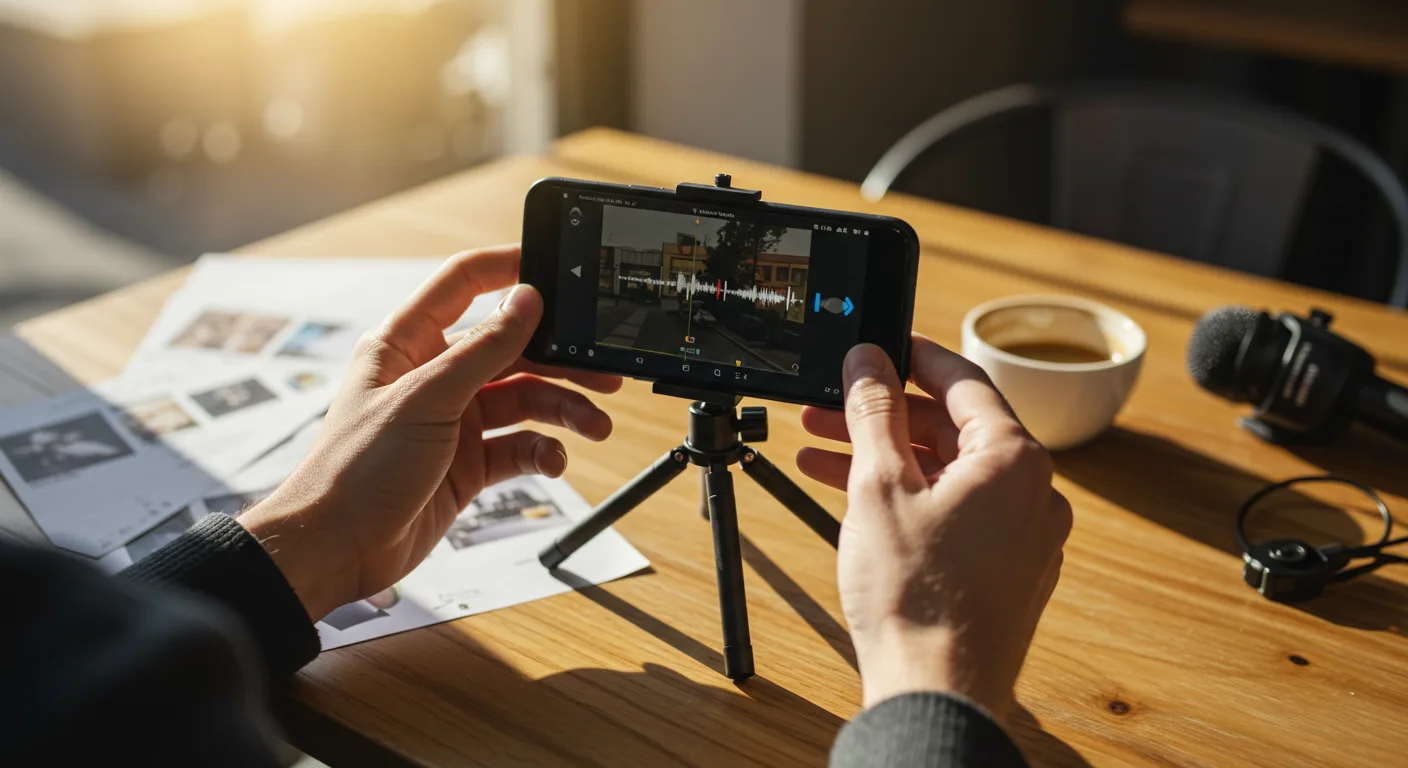
You can start with just a smartphone! However, investing in a few key pieces of equipment can improve the quality of your videos. Consider a tripod for stability, a lavalier microphone for clear audio, and good lighting (natural or artificial).
How can I make my vertical videos more engaging?
Use strong visuals, dynamic transitions, and captivating graphics. Incorporate text overlays and captions to convey your message without relying on audio. Embrace authenticity and relatability. Use trending sounds and participate in challenges.
How do I optimize my vertical videos for search?
Use relevant keywords in your video titles, descriptions, and tags. Optimize your video file name. Create engaging thumbnails. Encourage viewers to like, comment, and share your videos. Promote your videos on other social media platforms.
What are some common mistakes to avoid when creating vertical videos?
Avoid using low-quality footage, neglecting audio, failing to optimize for mobile viewing, ignoring analytics, and not tailoring your content to each platform. Don’t forget to add a clear call to action!




