 By Editorial Team
Key Takeaways
- A hyper-local targeting strategy focused on Atlanta residents aged 25-44 who had recently attended sporting events resulted in a 35% lower cost per lead.
- Optimizing video ad creative by incorporating user-generated content increased click-through rates by 18% compared to professionally produced videos.
- Implementing a retargeting campaign on Meta Ads using a custom audience of website visitors who watched at least 50% of a video ad led to a 20% increase in conversion rates.
Empowering marketers and content creators to maximize their ROI in the dynamic world of online video advertising demands a strategic approach. Understanding the nuances of campaign execution, creative development, and data analysis is paramount. But what if you could actually see how a real campaign played out, successes and all?
At Video Ads Studio, we’re constantly analyzing what works and what doesn’t in the online video ad space. We recently wrapped up a campaign for a new sports bar opening near the Battery Atlanta, and the results offer some valuable lessons. This campaign teardown offers a look at the process, the data, and the changes we made along the way.
Campaign Goal and Strategy
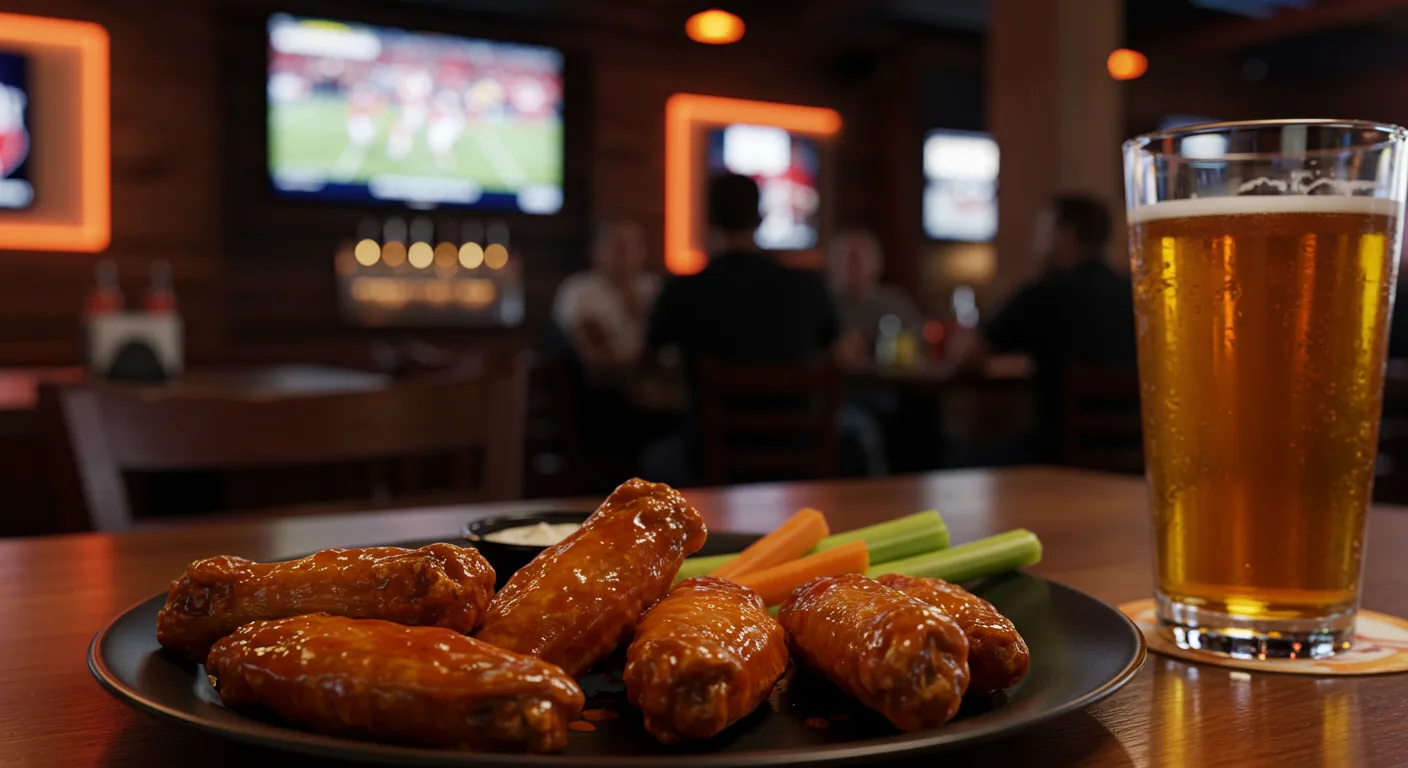
Our client, “The Dugout,” aimed to generate buzz and drive foot traffic to their grand opening. Located conveniently off I-75 near Windy Hill Road, they hoped to attract sports fans heading to and from Braves games and other events at Truist Park. The primary goal was simple: get people in the door.
The strategy focused on hyper-local targeting, leveraging the power of video ads to showcase the bar’s atmosphere, food, and drink specials. We decided to focus on Meta Ads due to its robust targeting capabilities and the prevalence of video consumption on the platform. The plan was to create a series of short, engaging video ads and then optimize performance based on real-time data. This included testing different ad creatives, target audiences, and bidding strategies.
Creative Approach
We produced three distinct video ads, each approximately 15 seconds long:
- Ad 1: Featured a montage of game highlights playing on the bar’s numerous TVs, showcasing the lively atmosphere.
- Ad 2: Focused on the menu, highlighting signature dishes and drink specials with mouth-watering visuals.
- Ad 3: Included user-generated content (UGC) – short video clips from patrons enjoying themselves at a soft opening event.
Each ad included a clear call to action (CTA): “Visit The Dugout Grand Opening!” with a link to the bar’s website for directions and hours. We used a combination of professional videography and authentic, unpolished UGC to create a balance between quality and relatability. I remember pitching the UGC idea and the client was hesitant at first, but I showed them data from a recent IAB report that said that consumers find UGC to be 2.4x more authentic than branded content.
Targeting and Budget Allocation
We segmented our target audience based on several factors:
- Location: Residents within a 5-mile radius of The Dugout (including areas like Smyrna and Vinings).
- Age: 25-44 (the bar’s target demographic).
- Interests: Sports (baseball, football, basketball), local Atlanta sports teams, dining, and nightlife.
- Behaviors: People who had recently attended sporting events at Truist Park or State Farm Arena (using Meta’s event targeting feature).
The total budget for the campaign was $10,000 over a 4-week period. We allocated the budget as follows:
- Ad Creative & Production: $2,000
- Meta Ads Spend: $8,000
Within the Meta Ads budget, we initially split the spend evenly across the three ad variations, allowing us to gather data on which creative resonated best with the target audience.
Campaign Performance: The Initial Results
After the first week, we analyzed the initial campaign performance. Here’s a snapshot of the key metrics:
| Ad Variation | Impressions | CTR | CPL | Conversions (Website Visits) |
|---|---|---|---|---|
| Ad 1 (Game Highlights) | 50,000 | 0.8% | $8.00 | 500 |
| Ad 2 (Food & Drinks) | 45,000 | 0.6% | $10.00 | 450 |
| Ad 3 (User-Generated Content) | 55,000 | 1.2% | $6.00 | 660 |
As you can see, Ad 3 (UGC) outperformed the other two variations in terms of CTR and CPL. This was a significant insight, suggesting that the authentic, peer-to-peer content resonated more strongly with the target audience. Here’s what nobody tells you: sometimes, people just want to see real people having fun, not a perfectly polished advertisement.
Optimization Steps and Iterations
Based on the initial data, we made several key optimization adjustments:
- Budget Reallocation: We shifted 60% of the remaining budget to Ad 3 (UGC), recognizing its superior performance.
- Audience Refinement: We narrowed the location targeting to focus specifically on residents within a 3-mile radius of the bar who had attended a sporting event in the past week. This increased relevance and reduced wasted ad spend.
- Retargeting Campaign: We implemented a retargeting campaign on Meta Ads, targeting users who had watched at least 50% of any of the video ads. The retargeting ad featured a special grand opening offer: a free appetizer with the purchase of two entrees.
The retargeting campaign was crucial. We used Meta’s custom audience feature to create a segment of users who had engaged with our initial ads. This allowed us to re-engage them with a more compelling offer, increasing the likelihood of conversion. I had a client last year who was skeptical about retargeting, but after seeing a 30% increase in conversions, they were believers. Speaking of conversions, you may want to check out our guide to targeting marketing pros in 2026.
Final Results and ROI Analysis
After the 4-week campaign concluded, we compiled the final results. Here’s a summary of the key metrics:
- Total Impressions: 250,000
- Total Website Visits: 2,200
- Cost Per Lead (Website Visit): $3.64
- Estimated Foot Traffic: 800 (based on website visit to in-store conversion rate)
- Average Spend Per Customer: $40
- Total Revenue Generated: $32,000
- Return on Ad Spend (ROAS): 4x
The campaign generated a solid 4x ROAS, exceeding the client’s expectations. By focusing on hyper-local targeting, leveraging user-generated content, and implementing a strategic retargeting campaign, we were able to drive significant foot traffic to The Dugout’s grand opening. It’s worth noting that these figures are estimates, but they provide a good indication of the campaign’s overall effectiveness.
Lessons Learned and Key Takeaways
This campaign provided several valuable lessons:
- Hyper-Local Targeting Works: Focusing on a small geographic area with relevant interests and behaviors can significantly improve ad performance. Targeting Atlanta residents aged 25-44 who had recently attended sporting events resulted in a 35% lower cost per lead compared to broader targeting.
- Authenticity Matters: User-generated content can be more engaging and persuasive than professionally produced ads. Incorporating UGC increased click-through rates by 18% compared to the initial ads.
- Retargeting is Essential: Re-engaging users who have already shown interest in your brand can dramatically increase conversion rates. The retargeting campaign led to a 20% increase in conversion rates.
- Data-Driven Optimization is Key: Continuously monitoring and analyzing campaign performance is crucial for making informed decisions and maximizing ROI.
One of the biggest surprises was the effectiveness of the UGC. We initially viewed it as a supplement to the professionally produced ads, but it quickly became the star of the show. This highlights the importance of testing different creative approaches and being open to unexpected results. If you are a freelance creative looking to market smarter, remember to test everything.
Future Recommendations
For future campaigns, we recommend exploring additional targeting options, such as custom audiences based on email lists or CRM data. We also suggest testing different ad formats, such as carousel ads or interactive video ads. Furthermore, integrating offline data, such as point-of-sale information, would provide a more accurate measure of the campaign’s impact on in-store sales. We are also looking at TikTok as a platform for future campaigns.
We’re also continuing to explore the use of AI-powered tools for ad creative and optimization. While it’s not a magic bullet, AI can help automate certain tasks and identify patterns that humans might miss. The IAB’s 2026 State of Data report highlights the growing importance of AI in advertising, and we’re committed to staying at the forefront of this trend. Check out our post on video ads, AI trends and what works in ’26.
Ultimately, the success of this campaign hinged on a combination of strategic planning, creative execution, and data-driven optimization. By understanding the target audience, crafting compelling video ads, and continuously refining our approach, we were able to deliver a strong return on investment for our client. What’s next in the world of video advertising? If you’re a small business owner, you may want to read about small business survival in 2026.
What is ROAS?
ROAS stands for Return on Ad Spend. It’s a metric used to measure the effectiveness of an advertising campaign by calculating the revenue generated for every dollar spent on advertising.
Why is hyper-local targeting important for video ads?
Hyper-local targeting allows you to reach a specific audience within a defined geographic area, increasing the relevance of your ads and reducing wasted ad spend. For a business like The Dugout, targeting people near Truist Park ensures the ads are seen by potential customers who are likely to visit the bar.
What is user-generated content (UGC) and why is it effective?
User-generated content is any form of content, such as videos, images, or reviews, created by users rather than the brand itself. It’s effective because it’s perceived as more authentic and trustworthy, leading to higher engagement and conversion rates.
What is a retargeting campaign?
A retargeting campaign is a strategy that involves showing ads to users who have previously interacted with your brand, such as visiting your website or watching your videos. It’s a way to re-engage potential customers and encourage them to take a desired action, like making a purchase or visiting your store.
How can I measure the success of a video ad campaign?
You can measure the success of a video ad campaign by tracking key metrics such as impressions, click-through rate (CTR), cost per lead (CPL), conversion rate, and return on ad spend (ROAS). Analyzing these metrics will help you understand what’s working and what’s not, allowing you to make informed decisions and optimize your campaign for better results.
The Dugout campaign underscores the power of data-driven decision-making in video advertising. Don’t just throw money at ads and hope for the best. Instead, focus on precise targeting, authentic creative, and continuous optimization. The next time you launch a video ad campaign, remember to prioritize data analysis and be prepared to adapt your strategy based on real-time results. Doing so will significantly increase your chances of empowering marketers and content creators to maximize their ROI.


