 By Ashley Lewis
A recent Statista report projects global video ad spending to reach over $230 billion by the end of 2026, yet 42% of brands still fail to adapt their video ad creative for local markets. This oversight leaves significant revenue on the table, creating a disconnect between global campaigns and regional consumer expectations. How can marketers bridge this gap effectively?
Key Takeaways
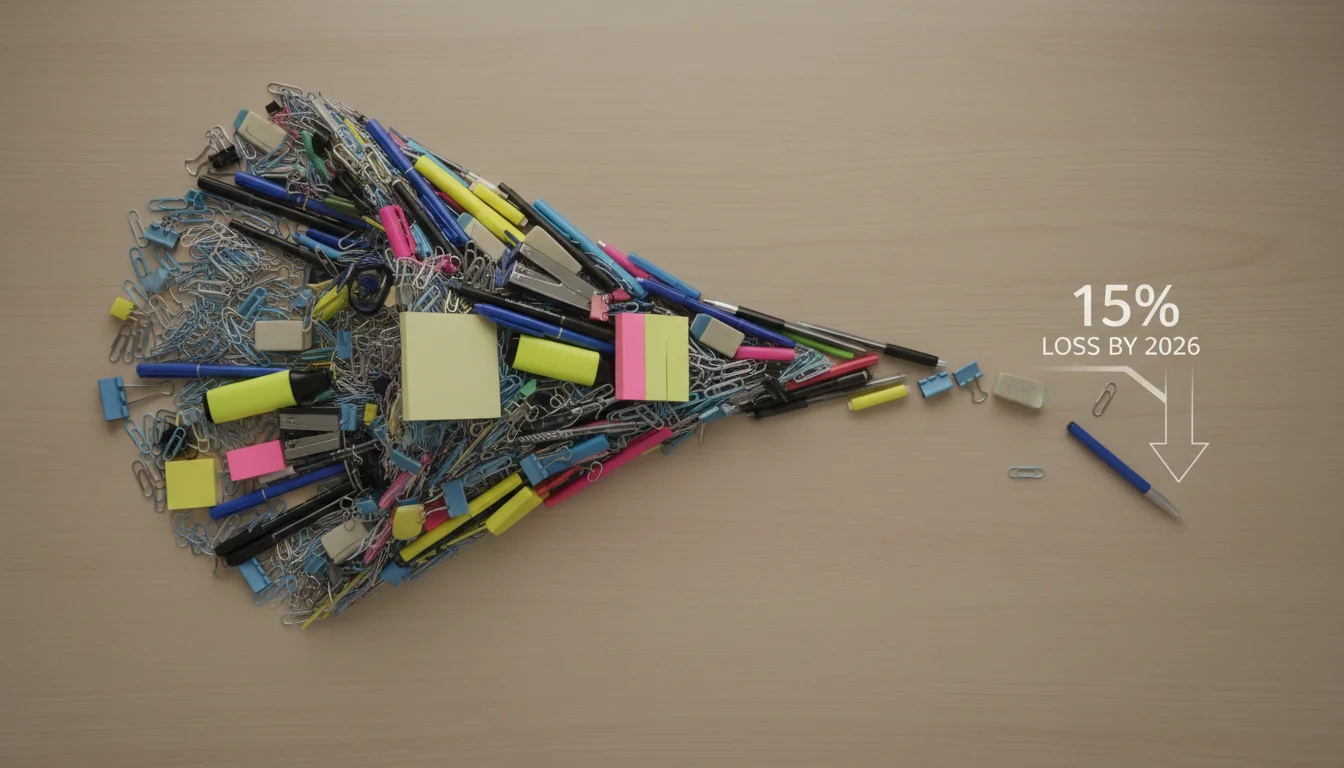
- Brands lose 15% of potential engagement when video ads lack localized cultural references, according to eMarketer research.
- Implementing AI-powered localization tools can reduce video ad adaptation costs by up to 30%, as shown by a 2026 IAB study.
- Regulatory fines for non-compliant video advertising can exceed $500,000 per violation in heavily regulated sectors like pharmaceuticals or finance.
- A/B testing localized video ad variants for at least three weeks before full deployment improves campaign ROI by an average of 18%.
- Tailoring call-to-actions to local payment methods and delivery options boosts conversion rates by 20% in e-commerce video campaigns.
42% of Brands Overlook Local Cultural Nuances in Video Ads
The statistic is stark: nearly half of all brands developing video advertising campaigns are still pushing out globally consistent creative without significant local adaptation. This isn’t just about language translation. It’s about a deeper understanding of cultural context, humor, social norms, and even color psychology. I’ve seen countless campaigns flounder because a universally appealing concept in one market falls flat, or worse, offends, in another. For instance, a major beverage company once used a hand gesture in an Asian market that, while positive in the West, was deeply insulting locally. The ad was pulled within days, costing millions in wasted media spend and reputational damage. This is a common pitfall. According to eMarketer research, brands lose 15% of potential engagement when video ads lack these localized cultural references. That’s a measurable impact on brand recall and purchase intent.
To counteract this, marketers must move beyond simple dubbing or subtitling. Consider the visual elements: clothing styles, architecture, even the types of food shown. A family meal scene in a video ad for a global food brand would look dramatically different in Tokyo compared to Atlanta. The emotional triggers, too, vary significantly. What evokes warmth and family bonding in one region might be perceived as overly sentimental or even alienating elsewhere. This requires a dedicated creative process, not just a post-production tweak. Engaging local creative agencies or consultants can provide invaluable insights, ensuring that your message resonates authentically rather than feeling like an imposition. We’re talking about more than just avoiding mistakes. We’re talking about building genuine connections.
AI-Powered Localization Tools Cut Adaptation Costs by 30%
The advent of sophisticated AI tools has significantly democratized the process of video ad localization, making it accessible even for smaller brands with tighter budgets. A 2026 IAB study highlights that implementing AI-powered localization tools can reduce video ad adaptation costs by up to 30%. This isn’t science fiction anymore. It’s current technology. Platforms like Synthesia and DeepMotion now offer capabilities to generate AI avatars speaking multiple languages with natural lip-sync, or even to subtly alter visual elements within existing footage to better suit a local demographic. Imagine a single video ad where the on-screen talent can smoothly switch languages and even subtly change their appearance to reflect regional diversity. This technology addresses the high costs traditionally associated with reshooting or re-editing for every market.
However, it’s important to understand that AI is a tool, not a complete replacement for human oversight. While AI can handle the heavy lifting of translation, voiceover generation, and even some visual adjustments, the final review by a native speaker with cultural expertise remains non-negotiable. Algorithms can miss nuanced humor, idiomatic expressions, or politically sensitive topics. My experience shows that the most successful implementations combine AI’s efficiency with human precision, creating a workflow where the AI generates multiple localized versions, and a local team refines and approves the best fit. This hybrid approach allows for rapid iteration and testing, something that was prohibitively expensive just a few years ago. The cost savings are real, but they come with the caveat of intelligent application. For more on this, explore how AI Video Ads use Premiere Pro 2026 innovation.
Regulatory Fines Exceed $500,000 for Non-Compliance
Perhaps the most overlooked aspect of local ad creative adaptation is the regulatory field. It’s not just about what consumers prefer. It’s about what the law mandates. In heavily regulated sectors like pharmaceuticals, finance, and even food and beverage, non-compliant video advertising can lead to fines exceeding $500,000 per violation. Consider the pharmaceutical industry in the United States, where direct-to-consumer (DTC) advertising is permitted but heavily scrutinized by the FDA for accuracy, balance, and disclosure of risks. A video ad approved for the US market would be entirely illegal in most European countries, which prohibit DTC prescription drug advertising. Similarly, financial services ads must adhere to specific disclosure requirements that vary wildly by jurisdiction, from the Financial Conduct Authority (FCA) in the UK to the Australian Securities and Investments Commission (ASIC).
This isn’t just about disclaimers. It can involve the entire premise of the ad. Claims about product performance, health benefits, or financial returns must be substantiated according to local legal standards, which are rarely uniform. For example, advertising a “guaranteed return” on an investment product in one country might be considered fraudulent in another. Even seemingly innocuous details, like showing children in certain contexts, can be regulated. My advice? Treat regulatory compliance as a distinct, primary layer of localization. Before any creative work begins, engage legal counsel in your target markets to establish clear guidelines. Ignoring this step isn’t just risky. It’s financially reckless. The cost of proactive legal review pales in comparison to a single, substantial fine and the inevitable damage to brand trust. This is one area where “better safe than sorry” is a severe understatement. Understanding video ad regulations and compliance strategies for 2026 is important.
A/B Testing Improves Campaign ROI by 18%
While gut instinct and creative vision play roles, data-driven decision-making is paramount in effective video ad localization. A/B testing localized video ad variants for at least three weeks before full deployment improves campaign ROI by an average of 18%. This isn’t a minor gain. It’s a significant uplift that directly impacts profitability. Many marketers make the mistake of creating one localized version and assuming it will perform optimally. However, even within a single country, regional dialects, preferences, and cultural nuances can necessitate variations. Consider Canada, where French-speaking Quebec has distinct cultural characteristics that require more than just a literal translation of English-language ads. A/B testing allows you to pit different narrative approaches, visual styles, call-to-actions, and even background music against each other to see which resonates most effectively with specific audience segments.
Platforms like Google Ads and Meta Business Suite offer strong A/B testing functionalities, allowing advertisers to run concurrent campaigns with slight variations and measure key metrics like click-through rates, conversion rates, and engagement levels. The key is to isolate variables. Don’t test a completely different ad against another. Instead, change one element at a time (e.g., the opening hook, the offer, the primary visual) to understand its specific impact. A three-week testing period provides sufficient data volume to establish statistical significance, moving beyond anecdotal evidence to actionable insights. This iterative process of testing, learning, and refining is what separates truly effective localized campaigns from those that merely exist. It transforms localization from a one-off task into a continuous improvement cycle.
Tailoring CTAs Boosts Conversion by 20%
The final, critical piece of the localization puzzle often comes down to the call-to-action (CTA). It’s not enough to get someone interested. You need to tell them exactly what to do next, in a way that feels natural and accessible to them. Tailoring call-to-actions to local payment methods and delivery options boosts conversion rates by 20% in e-commerce video campaigns. I’ve observed campaigns where a generic “Shop Now” button led to a cart abandonment rate far higher than expected, simply because the payment options presented didn’t include popular local methods like PayPal in some markets or specific regional e-wallets in others. Similarly, if your video ad promises fast delivery, but the actual shipping options for that region are limited or expensive, you’ve created a frustrating user experience that kills conversions.
This extends beyond e-commerce. For lead generation, a CTA like “Call Us Today” needs to present a local phone number, not an international one, and ideally specify local operating hours. For app downloads, the ad should direct users to the correct regional app store (e.g., Google Play Store vs. specific Chinese app stores). Even the language of the CTA itself matters. A direct translation might not carry the same urgency or appeal. “Learn More” might be better phrased as “Discover Our Offerings” in a market that values a softer sell. This level of granular detail in the CTA demonstrates genuine consideration for the local customer journey. It removes friction points and makes the path to conversion as smooth as possible. It’s the last impression you make, and it needs to be perfectly aligned with local expectations.
Adapting video ad creative for local regulations and cultural nuances is no longer optional. It’s a fundamental requirement for global marketing success. Brands that embrace this complexity, using data and technology while maintaining human oversight, will capture significant market share and build stronger, more authentic connections with diverse audiences worldwide.
What are the primary benefits of localizing video ad creative?
Localizing video ad creative significantly increases audience engagement, improves conversion rates by making calls-to-action more relevant, ensures compliance with local regulations to avoid fines, and builds stronger brand trust and authenticity within specific markets.
How can AI tools assist in the video ad localization process?
AI tools can automate language translation, generate natural-sounding voiceovers with lip-sync, and even make subtle visual adjustments to adapt creative for different demographics. This significantly reduces the cost and time associated with manual adaptation.
Why is regulatory compliance critical for localized video ads?
Regulatory compliance is critical because laws governing advertising content, claims, and disclosures vary widely by country and industry. Non-compliance can result in substantial fines, legal action, and severe damage to a brand’s reputation, especially in sectors like finance or pharmaceuticals.
What role does A/B testing play in effective video ad localization?
A/B testing allows marketers to compare the performance of different localized video ad variants to determine which creative elements, messages, or calls-to-action resonate most effectively with specific target audiences, leading to improved campaign ROI.
How do local payment methods influence video ad conversion rates?
When video ad calls-to-action guide users to purchase, ensuring that familiar and preferred local payment methods are available and highlighted can significantly reduce friction at the point of sale, directly boosting conversion rates for e-commerce campaigns.


