 By Editorial Team
Key Takeaways
- Implement interactive quizzes in video ads to achieve up to a 30% increase in engagement rates compared to passive video content.
- Design quiz questions that directly correlate with specific customer segments to gather granular data on preferences, purchase intent, and pain points.
- Utilize A/B testing on quiz question types and placement within video ads to identify optimal configurations for data collection efficiency.
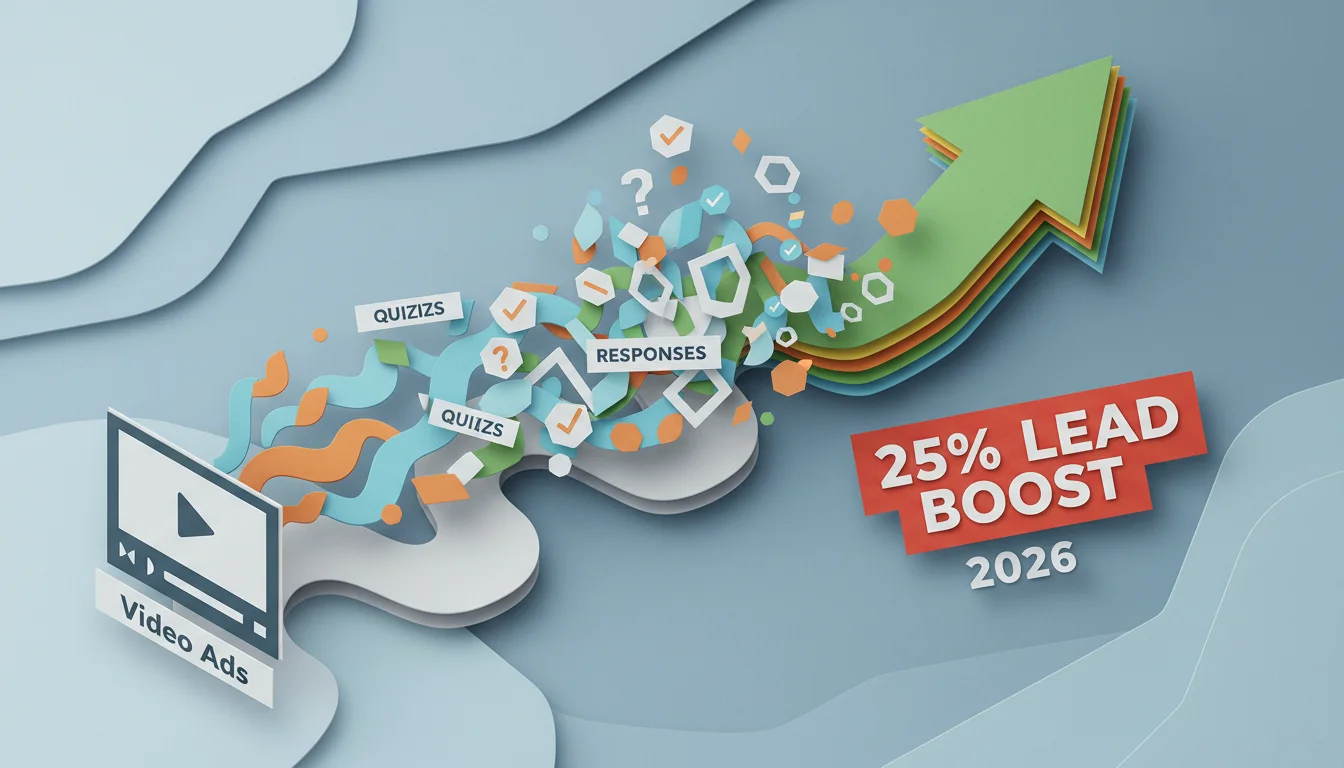
- Integrate quiz responses directly into your CRM system to enable immediate, personalized follow-up campaigns and improve lead qualification by 25%.
- Prioritize clear data privacy policies and obtain explicit user consent for data collection to build trust and ensure compliance with regulations like GDPR and CCPA.
The integration of interactive quizzes in video ads has fundamentally reshaped how marketers approach data collection. We are past the era of passive viewing; today’s consumers expect engagement. This shift transforms video content from a broadcast medium into a dynamic conversation, offering unparalleled opportunities to understand your audience deeply.
The Evolution of Video Engagement and Data Collection
For years, video advertising relied on metrics like views, impressions, and click-through rates. These are vanity metrics. They tell you if someone saw your ad, but rarely what they thought, what they wanted, or why they clicked. The problem with traditional video is its one-way nature. You push content; the audience consumes it. There’s no feedback loop, no real insight into individual viewer preferences. Interactive elements change this dynamic entirely. By embedding questions, polls, and quizzes directly into video content, advertisers create a two-way street. This isn’t just about making ads more interesting; it’s about turning every view into a potential data point. Consider a video ad for a new skincare line. Instead of simply showcasing products, an embedded quiz can ask, “What’s your primary skin concern: dryness, oiliness, or sensitivity?” This single question immediately segments the viewer, providing actionable data far beyond a mere click. This level of insight was once only achievable through lengthy surveys or focus groups, now it’s integrated directly into the ad experience. According to a recent IAB report on interactive video trends, engagement rates for videos incorporating interactive elements can be up to 30% higher than their static counterparts, underscoring the power of this approach for capturing audience attention and, crucially, their data.
Designing Effective Interactive Quizzes for Data Capture
The success of interactive quizzes hinges on thoughtful design. It’s not enough to simply ask questions; you need to ask the right questions in the right way. The goal is to gather meaningful data without disrupting the viewer’s experience or feeling intrusive. Short, multiple-choice questions often perform best, especially when positioned at natural breaks in the video narrative. For instance, a video demonstrating a new software feature might pause to ask, “Which of these challenges does your team face most often?” with pre-defined options. This immediate feedback helps tailor subsequent content or follow-up communications. Question types should be varied to collect different data points. Use demographic questions cautiously and only when relevant, perhaps disguised within a preference query (e.g., “Which type of content do you prefer: short tutorials or in-depth webinars?”). Psychographic questions, probing interests and motivations, are often more valuable for personalization. Think about questions that reveal purchase intent (“Are you planning a home renovation in the next 6 months?”) or product preferences (“Which color scheme resonates most with your brand?”). The key is relevance. If a question feels out of place, viewers will disengage. A HubSpot research report found that quizzes with 3 to 5 questions tend to have the highest completion rates, suggesting a balance between data depth and user patience. We’ve seen this ourselves: overly long quizzes, anything beyond 7 questions, see a steep drop-off in participation.
Integrating Quiz Data into Your Marketing Ecosystem
Collecting data is only half the battle; integrating it effectively is where the real power lies. Quiz responses should flow directly into your customer relationship management (CRM) system or marketing automation platform. This isn’t optional; it’s fundamental. Imagine a viewer completing a quiz in a video ad for financial planning services, indicating they are primarily concerned with retirement savings. That data point should immediately trigger an automated email sequence offering relevant resources on retirement planning, rather than generic investment advice. This personalization is what drives conversions. Modern advertising platforms, particularly those with strong video capabilities, offer robust integration options. For example, Google Ads provides detailed documentation on integrating various interactive ad formats with third-party analytics and CRM tools. This allows for real-time data transfer, enabling immediate segmentation and targeted follow-up. Without this seamless integration, the data remains siloed and largely useless. You’re left with insights that can’t be acted upon at scale. The goal is to build comprehensive customer profiles, enriched by these micro-interactions, allowing for hyper-targeted campaigns that resonate deeply with individual prospects.
Ethical Considerations and Data Privacy
With increased data collection comes increased responsibility. In 2026, data privacy regulations are stricter than ever. Compliance with the General Data Protection Regulation (GDPR) in Europe and the California Consumer Privacy Act (CCPA) in the United States (among many others globally) is not just good practice, it’s a legal requirement. When implementing interactive quizzes, clear communication about data usage is paramount. Your video ads, or the landing pages they direct to, must explicitly state what data is being collected, how it will be used, and offer clear options for consent. Transparency builds trust. If users feel their data is being collected surreptitiously or used inappropriately, they will disengage. This isn’t just about avoiding fines; it’s about maintaining brand reputation. A Nielsen report on consumer trust in advertising consistently shows that brands perceived as trustworthy achieve higher customer loyalty and conversion rates. We advise clients to include a brief, clear privacy statement directly within the quiz interface or as an introductory screen. For instance, “By answering these questions, you agree to receive personalized content related to your interests. Your data will be handled according to our privacy policy.” (with a link to the full policy, of course). This proactive approach mitigates risk and fosters a more positive user experience.
Measuring Success and Optimizing Performance
The real value of interactive quizzes in video ads becomes apparent when you measure their impact and continuously optimize. Key performance indicators (KPIs) extend beyond simple completion rates. Look at the quality of leads generated, the conversion rates of personalized follow-up campaigns, and the lifetime value of customers acquired through this method. Are the leads from interactive videos more qualified than those from traditional forms? We often see a 20-25% improvement in lead qualification when interactive quizzes are effectively deployed. A/B testing is indispensable. Experiment with different quiz questions, their placement within the video, the number of questions, and even the visual design of the quiz interface. Does a quiz at the beginning of the video capture more broad interest, or does one at the end, after product features have been demonstrated, yield higher intent? Test, analyze, and iterate. Tools like Google Analytics 4 (support.google.com/analytics/answer/9355853) can be configured to track quiz interactions as custom events, providing granular data on user behavior. This iterative optimization ensures your interactive video strategy remains efficient and effective, continuously refining your data collection methods for maximum impact. The integration of interactive quizzes into video advertising provides a powerful mechanism for deep audience understanding and personalized engagement, transforming passive viewers into active participants and rich data sources.
What types of data can interactive quizzes collect in video ads?
Interactive quizzes can collect a wide range of data, including demographic information (if asked directly), psychographic insights (interests, motivations), product preferences, pain points, purchase intent, and brand awareness levels. The specific data depends entirely on the questions asked.
How do interactive quizzes improve lead quality?
By asking targeted questions, quizzes allow users to self-qualify. This provides marketers with specific insights into a user’s needs and intent, enabling more personalized follow-up and significantly reducing the time spent on unqualified leads. You’re getting warmer leads from the start.
What’s the ideal length for an interactive quiz in a video ad?
While there’s no strict rule, quizzes with 3 to 5 questions generally achieve the highest completion rates. Keeping quizzes concise respects the viewer’s time and maintains engagement, balancing data collection with user experience.
Are there any specific platforms that support interactive quizzes in video ads?
Many major advertising platforms, including Google Ads, Meta Business (for Facebook and Instagram video ads), and various programmatic video ad networks, offer features or integrations that support interactive video elements, including quizzes and polls. Specialist interactive video platforms also exist.
What privacy considerations are crucial when collecting data via video quizzes?
It is crucial to be transparent about data collection, clearly state how data will be used, and obtain explicit user consent. Adhering to regulations like GDPR and CCPA is mandatory, requiring clear privacy policies and mechanisms for users to manage their data preferences.


