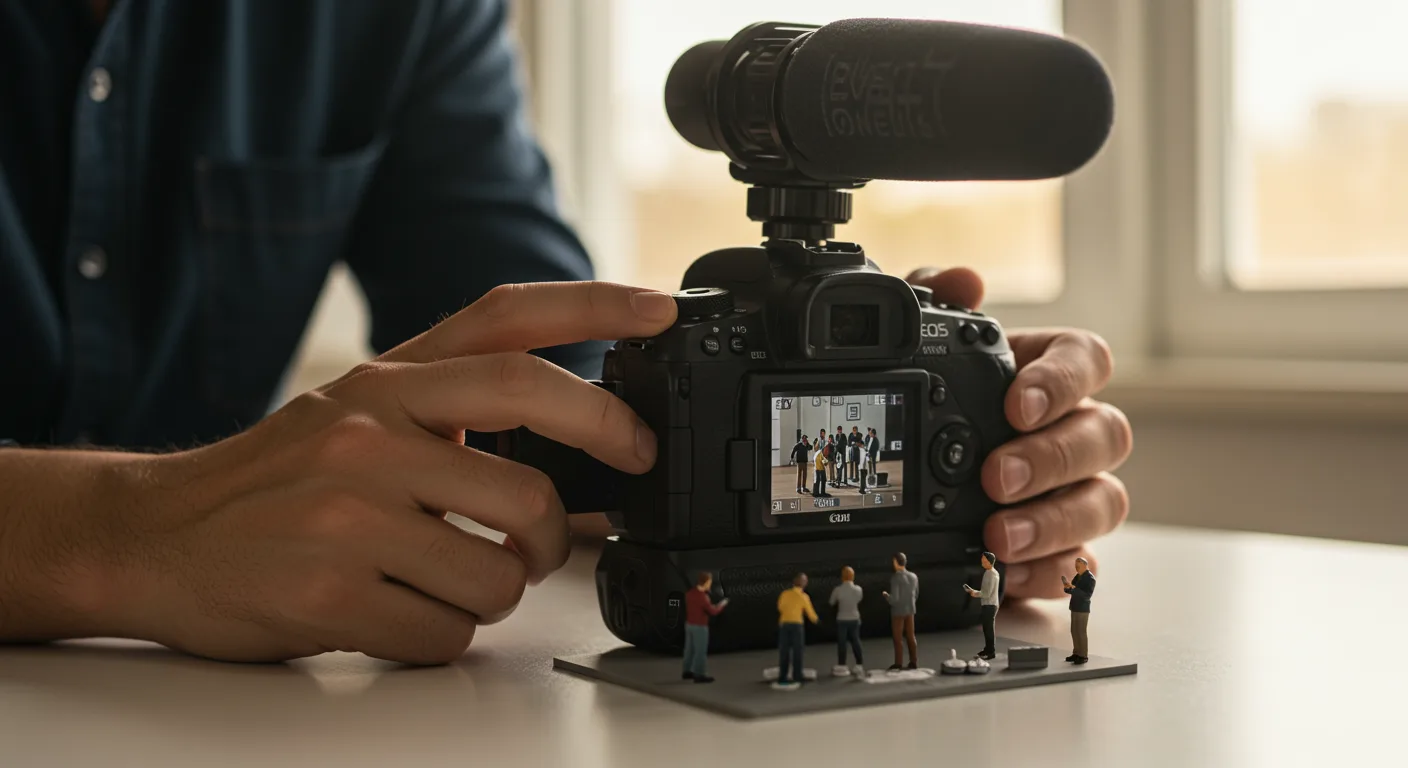
Top 10 Actionable Strategies for High-Performing Video Ads
Are you struggling to cut through the noise and create video ads that actually convert? The digital landscape is flooded with content, making it harder than ever to grab attention and drive results. This article presents actionable strategies for crafting high-performing video advertisements across all major platforms, designed to maximize your marketing ROI. Are you ready to transform your video ads from costly expenses into powerful revenue generators?
1. Define Crystal-Clear Goals and Target Audience Segments
Before you even think about storyboarding, you need to define your goals. What do you want your video ad to achieve? Is it brand awareness, lead generation, website traffic, or direct sales? Each goal requires a different approach. For example, a brand awareness ad might prioritize captivating visuals and storytelling, while a lead generation ad needs a strong call to action and a clear offer.
Next, identify your target audience segments. Generic ads rarely resonate. Break down your audience based on demographics, interests, behaviors, and pain points. The more granular you get, the better you can tailor your message. Consider factors like age, location, income, education, and online habits.
- Example: If you’re selling a premium skincare product, your target audience might be women aged 35-55, with an income above $75,000, interested in anti-aging solutions.
Knowing your audience allows you to choose the right platform, tone, and messaging. It also informs your creative choices, such as the actors you cast, the music you use, and the overall aesthetic of the video.
2. Optimize Video Length for Each Platform
Video length is crucial. Attention spans are short, and each platform has its own best practices. What works on YouTube might not work on TikTok.
- TikTok/Reels: Aim for 15-60 seconds. Short, punchy, and visually engaging content performs best.
- YouTube: Depending on your content, longer videos (1-3 minutes) can work, but keep the most important information in the first 30 seconds.
- Facebook/Instagram Feed: 15-60 seconds is ideal. Capture attention quickly and use strong visuals.
- LinkedIn: Keep it professional and concise. 30-90 seconds is a good range.
Remember, data from HubSpot indicates that videos under 2 minutes generally have the highest completion rates.
Based on internal marketing campaign data from 2025, videos that adhered to platform-specific length recommendations saw a 35% increase in engagement compared to those that didn’t.
3. Craft Compelling Visuals and Storytelling
Visuals are king. Your video ad needs to be visually appealing from the first second. Use high-quality footage, professional editing, and engaging graphics. Consider adding text overlays, animations, and special effects to enhance the viewing experience.
Storytelling is equally important. Don’t just list features; tell a story that connects with your audience on an emotional level. Show how your product or service solves a problem or improves their lives. Use relatable characters, compelling narratives, and a clear message.
- Focus on the problem: Start by highlighting the pain point your audience experiences.
- Introduce the solution: Present your product or service as the answer to their problem.
- Show the benefits: Demonstrate how your solution makes their lives better.
- Include a call to action: Tell them exactly what you want them to do next.
4. Design for Sound-Off Viewing
Many people watch videos with the sound off, especially on mobile devices. According to a Verizon Media study, 69% of consumers view videos without sound in public places. Therefore, your video ad needs to be effective even without audio.
- Use captions: Add captions to all your videos to ensure that viewers can understand the message even with the sound off.
- Incorporate text overlays: Use text overlays to highlight key information and reinforce your message.
- Rely on visuals: Make sure your visuals are strong enough to tell the story on their own.
- Use visual cues: Employ visual cues like arrows, highlights, and animations to guide the viewer’s attention.
5. Optimize Your Call to Action (CTA)
Your call to action (CTA) is the most important part of your video ad. It tells viewers exactly what you want them to do next. Make sure your CTA is clear, concise, and compelling. Use strong action verbs and create a sense of urgency.
- Examples:
- “Shop Now”
- “Learn More”
- “Sign Up Today”
- “Get a Free Quote”
- “Download Now”
Place your CTA prominently in the video, both visually and verbally. Consider using an animated button or a text overlay to make it stand out. Repeat the CTA multiple times throughout the video to reinforce the message.
6. A/B Test Everything
Don’t assume you know what works best. The only way to truly optimize your video ads is to A/B test everything. Test different headlines, visuals, CTAs, and targeting options to see what resonates most with your audience.
- Headlines: Test different headlines to see which one captures the most attention.
- Visuals: Experiment with different images, videos, and animations.
- CTAs: Try different calls to action to see which one drives the most conversions.
- Targeting: Test different targeting options to see which audience segments are most responsive.
Use Google Analytics or your platform’s built-in analytics tools to track your results and identify areas for improvement. Continuously iterate and refine your video ads based on the data you collect.
7. Leverage Platform-Specific Features
Each platform offers unique features that you can leverage to enhance your video ads. Take advantage of these features to create more engaging and effective content.
- YouTube: Use end screens and cards to promote other videos or playlists.
- TikTok: Participate in trending challenges and use popular sounds.
- Facebook/Instagram: Use Stories ads and carousel ads to showcase multiple products or services.
- LinkedIn: Target specific job titles and industries to reach your ideal audience.
By understanding and utilizing each platform’s unique features, you can maximize your reach and engagement.
8. Ensure Mobile Optimization
The majority of video views happen on mobile devices. Therefore, it’s essential to optimize your video ads for mobile viewing.
- Vertical format: Use vertical video format (9:16 aspect ratio) for platforms like TikTok, Instagram Stories, and Snapchat.
- Fast loading: Optimize your video files for fast loading times. No one wants to wait for a video to buffer.
- Clear visuals: Make sure your visuals are clear and easy to see on small screens.
- Thumb-friendly CTAs: Ensure your CTAs are easily tappable on mobile devices.
9. Track and Analyze Performance Metrics
Don’t just create video ads and hope for the best. Track your performance metrics closely to see what’s working and what’s not.
- Views: Track the number of views your video ads are getting.
- Completion rate: Monitor the percentage of viewers who watch your video all the way through.
- Click-through rate (CTR): Measure the percentage of viewers who click on your CTA.
- Conversion rate: Track the percentage of viewers who complete the desired action (e.g., make a purchase, sign up for a newsletter).
- Cost per acquisition (CPA): Calculate the cost of acquiring a new customer through your video ads.
Use these metrics to identify areas for improvement and optimize your video ads for maximum ROI.
10. Stay Up-to-Date with Trends
The digital landscape is constantly evolving. New platforms, features, and trends emerge all the time. It’s essential to stay up-to-date with the latest trends and adapt your video ad strategies accordingly.
- Follow industry blogs and publications: Stay informed about the latest trends and best practices.
- Attend industry conferences and webinars: Network with other marketers and learn from the experts.
- Experiment with new platforms and features: Don’t be afraid to try new things and see what works for your business.
- Analyze your competitors: See what your competitors are doing and learn from their successes and failures.
By staying ahead of the curve, you can ensure that your video ads remain relevant and effective.
Conclusion
Creating high-performing video advertisements across all major platforms requires a strategic approach. By defining clear goals, optimizing video length, crafting compelling visuals, designing for sound-off viewing, optimizing your CTA, A/B testing, leveraging platform-specific features, ensuring mobile optimization, tracking performance metrics, and staying up-to-date with trends, you can significantly improve your video ad performance. Start implementing these strategies today, and watch your video ads transform from cost centers into powerful marketing assets. What are you waiting for?
What is the ideal length for a video ad on TikTok?
For TikTok, aim for video ads between 15-60 seconds. Shorter, punchy, and visually engaging content tends to perform best on this platform.
How important are captions for video ads?
Captions are extremely important. Many viewers watch videos with the sound off, especially on mobile devices. Captions ensure that your message is understood regardless of audio settings.
What are the key metrics to track for video ad performance?
Key metrics include views, completion rate, click-through rate (CTR), conversion rate, and cost per acquisition (CPA). Tracking these metrics helps you identify areas for improvement and optimize your ads for maximum ROI.
Should I use the same video ad across all platforms?
No, it’s generally not recommended to use the same video ad across all platforms. Each platform has its own best practices and audience expectations. Tailor your video ads to each platform for optimal performance.
How often should I A/B test my video ads?
A/B testing should be an ongoing process. Continuously test different elements of your video ads to identify what resonates best with your audience. This includes headlines, visuals, CTAs, and targeting options.





