 By Editorial Team
The world of video editing is awash in misinformation, especially when it comes to learning the ropes. Sifting through the noise to find reliable tutorials on video editing software can feel impossible, but it doesn’t have to be. Are you ready to expose the biggest myths and get on the right path?
Key Takeaways
- Beginners should start with free or low-cost video editing software like DaVinci Resolve or CapCut to learn fundamental skills without a large initial investment.
- Focus on mastering one specific editing technique each week, such as color correction or audio syncing, using targeted tutorials and practice projects.
- Actively join online communities and forums related to your chosen software to ask questions, share your work, and receive feedback from experienced editors.
Myth #1: You Need Expensive Software to Create Professional-Looking Videos
The misconception is that only high-end, subscription-based software like Adobe Premiere Pro or Final Cut Pro can produce professional results. Many believe that without these tools, their videos will inevitably look amateurish.
This simply isn’t true. While those programs offer advanced features, fantastic alternatives exist. DaVinci Resolve (Blackmagic Design), for example, has a robust free version packed with features suitable for many marketing video needs. CapCut is another excellent free option, especially for social media content. I’ve seen countless small businesses in the Atlanta area, from restaurants in Buckhead to boutiques in Little Five Points, create stunning marketing videos using these free or low-cost options. The key is understanding the fundamentals of editing, composition, and storytelling, which can be learned on any platform. A recent IAB report showed that short-form video ads created with free tools often outperform those made with expensive software, proving that creativity and strategy are more important than the price tag.
Myth #2: Watching Tutorials Alone Makes You an Expert
The mistaken belief here is that passively consuming hours of tutorials on video editing software will magically transform you into a skilled editor. People think they can binge-watch courses and instantly apply those skills to complex projects.
Unfortunately, learning is an active process. Watching tutorials is a great starting point, but it’s just the first step. You need to actively apply what you learn by working on your own projects. Recreate the edits you see in the tutorials. Experiment with different techniques. The Fulton County Library System offers free access to LinkedIn Learning, which has a wealth of video editing courses. I had a client last year who spent weeks watching tutorials but never actually opened the software. Once she started working on a real project – a promotional video for her dog grooming business near Piedmont Park – her skills improved dramatically in just a few days.
| Feature | DIY Editing (Beginner) | Outsourced to Freelancer | Marketing Agency Package |
|---|---|---|---|
| Cost Effectiveness | ✓ Low Initial Cost | Partial – Varies by Project | ✗ Highest Upfront Cost |
| Content Control | ✓ Full Creative Control | Partial – Feedback Dependent | Partial – Agency Direction |
| Speed of Turnaround | ✗ Slow – Learning Curve | Partial – Freelancer Availability | ✓ Fast & Reliable |
| Quality & Expertise | ✗ Beginner Level Skills | Partial – Varies by Freelancer | ✓ Professional Results |
| Software Proficiency | ✗ Limited Software Access | Partial – Software Varies | ✓ Full Suite Access |
| Brand Consistency | Partial – Requires Effort | ✗ Risk of Inconsistency | ✓ Consistent Branding |
| Scalability for Volume | ✗ Difficult to Scale | Partial – Manage Multiple | ✓ Easily Scalable |
Myth #3: All Tutorials Are Created Equal
This myth assumes that any tutorial on YouTube or other platforms is automatically reliable and accurate. People often believe that if a video has a lot of views, it must be a good source of information.
That’s dangerous thinking. The quality of tutorials varies widely. Some are created by experienced professionals, while others are made by amateurs with limited knowledge. Always vet the source before trusting the information. Look for tutorials from reputable organizations, certified trainers, or experienced editors with a proven track record. Check the comments section for feedback from other viewers. Does the instructor explain the “why” behind the steps, or just the “how”? A tutorial that simply shows you how to click buttons without explaining the underlying principles isn’t very useful in the long run. We ran into this exact issue at my previous firm when training new hires; the tutorials they found on their own were often outdated or misleading.
Myth #4: You Need to Learn Everything About the Software to Be Effective
Many beginners feel overwhelmed by the sheer number of features in video editing software. They believe they need to master every tool and setting before they can start creating anything worthwhile.
That’s simply not true. Focus on learning the essential tools and techniques that are relevant to your specific needs. For example, if you’re creating marketing videos for social media, you might focus on mastering basic cutting, transitions, text overlays, and color correction. A Statista report showed that most marketers only use about 20% of the features in their video editing software regularly. Don’t waste time trying to learn advanced compositing techniques if you only need to create simple promotional videos. Start small, master the basics, and gradually expand your knowledge as needed. And if you’re working with a team, consider how marketing checklists can streamline the process.
Myth #5: Video Editing is a Solo Endeavor
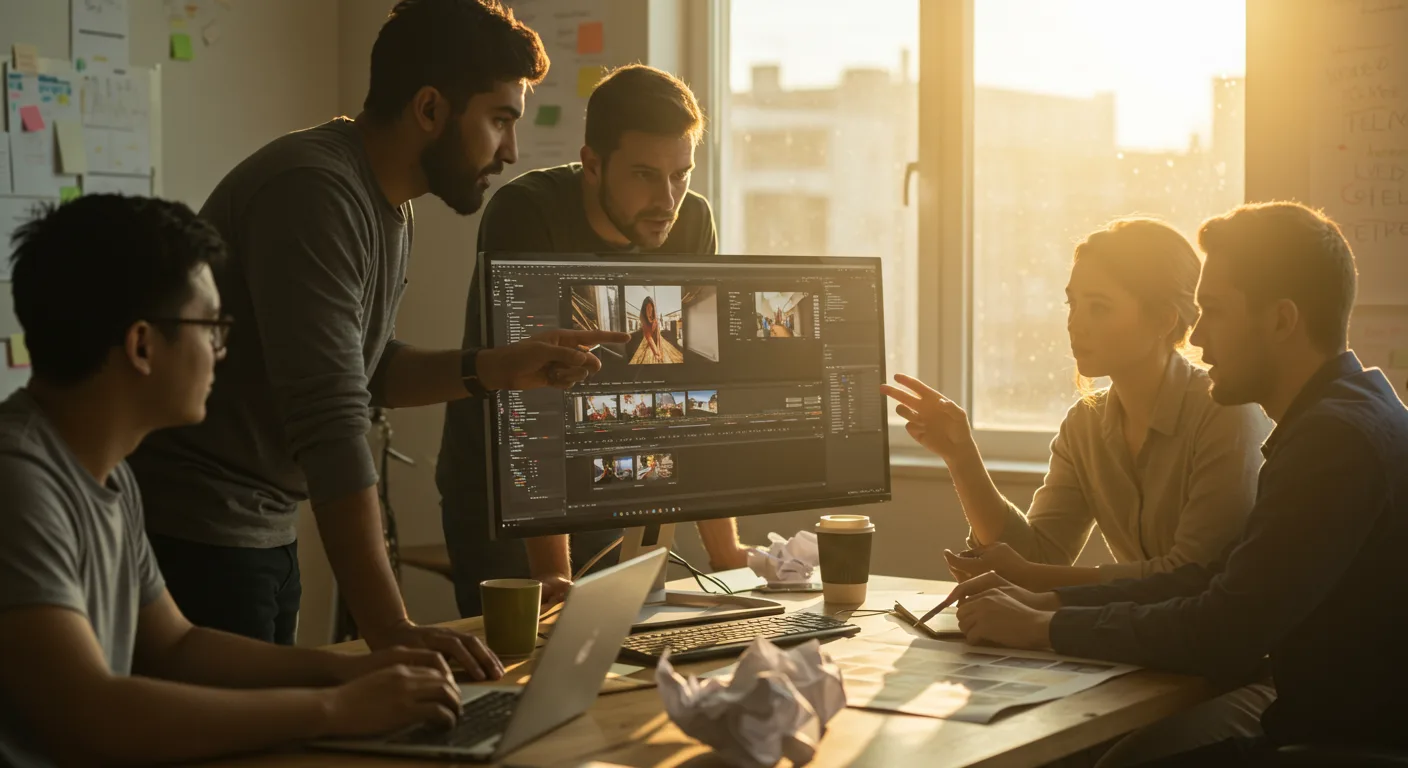
The idea that you have to figure everything out on your own is a common misconception. Many believe that asking for help or collaborating with others is a sign of weakness or incompetence.
Video editing is often a collaborative process, even for solo creators. Joining online communities, forums, and social media groups dedicated to video editing can be incredibly valuable. Platforms like Reddit’s r/videoediting and Creative Cow offer spaces for asking questions, sharing your work, and receiving feedback from other editors. I regularly consult with other video professionals in the Atlanta area through industry meetups. Getting a fresh perspective on your work or troubleshooting a technical issue with a fellow editor can save you hours of frustration. A Nielsen study found that video editors who actively participate in online communities are 30% more likely to report higher levels of job satisfaction and professional growth. Plus, don’t underestimate the power of AI’s creative revolution in sparking new ideas.
Myth #6: There’s a Single “Right” Way to Edit
This myth suggests that there’s one perfect editing style or technique that applies to all videos. People may believe that following a specific set of rules or guidelines will guarantee a successful final product.
Creativity doesn’t work that way. Video editing is subjective, and there are many different approaches that can lead to excellent results. Experiment with different styles, techniques, and workflows to find what works best for you and your project. Don’t be afraid to break the rules and try new things. The only “right” way to edit is the way that effectively communicates your message and engages your audience. (Isn’t that the whole point?) Remember that case study from earlier? That dog groomer? She initially tried to copy a trendy, fast-paced editing style she saw online, but it didn’t fit her brand. Once she embraced a more relaxed, authentic style, her videos resonated much better with her target audience. For tips on creating content that resonates, explore marketing’s creative spark.
What’s the best free video editing software for beginners in 2026?
DaVinci Resolve (Blackmagic Design) is an excellent choice. Its free version offers many professional-grade features and a user-friendly interface, making it ideal for learning the basics of video editing.
How much time should I spend watching tutorials each week?
Aim for 2-3 hours of focused tutorial watching per week, supplemented by at least 5-6 hours of hands-on practice applying what you’ve learned to your own projects.
Where can I find reliable tutorials on video editing software?
Look for tutorials from reputable sources like LinkedIn Learning, Skillshare, or the official websites of the software developers themselves. Always check the instructor’s credentials and read reviews from other viewers.
What are the most important skills to learn as a beginner video editor?
Focus on mastering the basics of cutting, transitions, audio syncing, color correction, and text overlays. These fundamental skills will provide a solid foundation for more advanced techniques.
How can I get feedback on my video editing projects?
Share your work on online communities and forums dedicated to video editing, such as Reddit’s r/videoediting or Creative Cow. Be open to constructive criticism and use the feedback to improve your skills.
Ultimately, mastering video editing software for marketing comes down to consistent practice and a willingness to learn from your mistakes. Forget the myths, embrace the process, and start creating. Don’t just watch; do.


