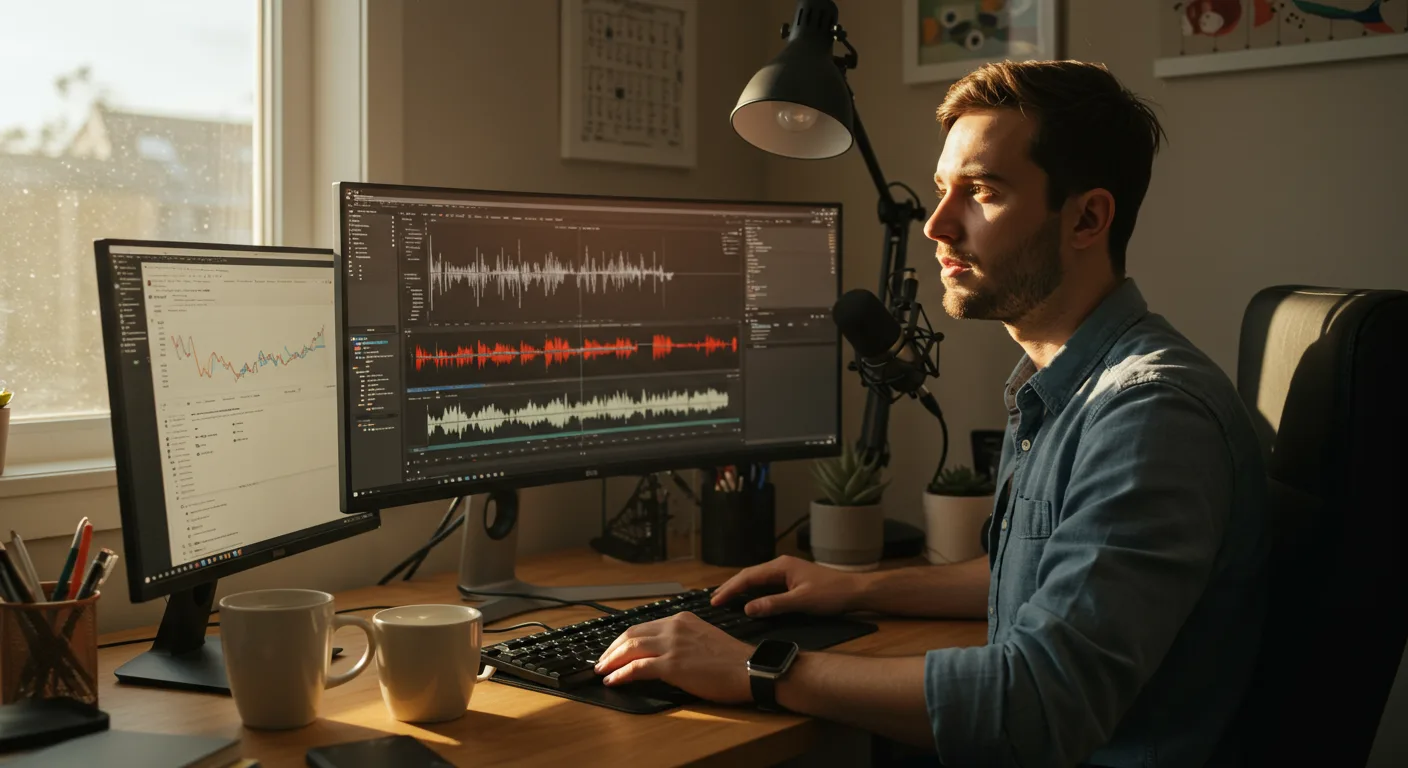
Want to create marketing videos that actually convert? Mastering the right software is essential, but where do you even begin? The sheer volume of tutorials on video editing software, specifically tailored for marketing, can feel overwhelming. Are you ready to cut through the noise and find resources that deliver real results?
Key Takeaways
- Adobe Premiere Pro offers the most comprehensive suite of tools for professional marketing video editing, but comes with a steeper learning curve and higher cost.
- For beginners, Filmora provides a user-friendly interface and a library of pre-made assets, making it quick to create engaging marketing content.
- When learning video editing for marketing, focus on mastering core skills like trimming, color correction, and audio mixing before diving into advanced techniques like motion graphics.
- Consider investing in a paid online course from platforms like Skillshare or LinkedIn Learning for structured learning and personalized feedback on your video editing projects.
Choosing the Right Video Editing Software for Marketing
Selecting the right video editing software is the foundation of your marketing video strategy. The “right” software depends entirely on your budget, skill level, and the complexity of the projects you plan to undertake. No one-size-fits-all solution exists. For instance, a small business owner creating simple social media ads won’t need the same capabilities as a marketing agency producing high-end commercials. Let’s consider a few common options.
Adobe Premiere Pro is the industry standard for professional video editing. It offers a vast array of tools, unparalleled customization, and seamless integration with other Adobe Creative Cloud applications. However, Premiere Pro has a steep learning curve and a significant monthly subscription cost. This makes it better suited for experienced editors or those willing to invest considerable time in training. I had a client last year, a real estate firm in Buckhead, that insisted on using Premiere Pro despite having no prior video editing experience. They ended up spending more time troubleshooting software issues than creating actual marketing content. A cautionary tale!
On the other end of the spectrum, you have user-friendly options like Filmora and iMovie. These programs are designed for beginners, with intuitive interfaces and drag-and-drop functionality. Filmora, in particular, boasts a library of pre-made templates, effects, and music, making it easy to create engaging marketing videos quickly. The downside? These programs lack the advanced features and customization options of Premiere Pro. This can limit your creative control as your skills develop. But for getting started quickly and easily, they are an excellent choice.
Top Platforms for Video Editing Tutorials
Once you’ve selected your software, it’s time to learn the ropes. Fortunately, a wealth of tutorials is available online. The key is to find resources that are relevant to your specific needs and learning style. Here’s a breakdown of some of the most popular platforms:
- YouTube: A vast, free resource for video editing tutorials. Search for specific techniques, software features, or project-based tutorials. The sheer volume of content can be overwhelming, so focus on channels with high-quality production values and clear, concise instruction.
- Skillshare: Offers a subscription-based model with access to thousands of video editing courses taught by industry professionals. Provides a more structured learning experience than YouTube, with project-based assignments and opportunities for feedback.
- LinkedIn Learning: Similar to Skillshare, but with a focus on professional development. Offers courses on video editing for marketing, covering topics such as video strategy, content creation, and analytics.
- Official Software Websites: Adobe, Filmora, and other software developers offer their own tutorials and documentation. These resources are often the most accurate and up-to-date, but may not be as engaging as tutorials from independent creators.
Here’s what nobody tells you: free tutorials often lack depth and assume a certain level of prior knowledge. Don’t be afraid to invest in a paid course for a more structured and comprehensive learning experience. It can save you time and frustration in the long run.
| Factor | Option A | Option B |
|---|---|---|
| Ease of Use (Learning) | Steep learning curve | Gentle learning curve |
| Tutorial Availability | Limited, technical focus | Extensive, marketing focused |
| Direct Social Media Integration | Requires plugins | Built-in, streamlined process |
| Template Library (Marketing) | Few relevant templates | Large, diverse marketing templates |
| Price (Monthly) | $29.99 | $19.99 |
Essential Video Editing Skills for Marketing
While each software has its own unique features, certain core skills are essential for any marketing video editor. Mastering these fundamentals will allow you to create compelling and effective content, regardless of the software you use.
- Trimming and Cutting: The ability to precisely trim and cut video clips is fundamental to creating a polished final product. Learn how to remove unwanted footage, create smooth transitions, and control the pacing of your videos.
- Color Correction and Grading: Color correction involves adjusting the colors in your video to achieve a consistent and natural look. Color grading is a more advanced technique that involves manipulating colors to create a specific mood or style.
- Audio Mixing and Enhancement: High-quality audio is just as important as visuals. Learn how to remove background noise, adjust audio levels, and add music and sound effects to enhance your videos.
- Text and Graphics: Adding text and graphics can help to convey key messages, highlight important information, and create a more visually engaging experience. Master the art of creating compelling titles, lower thirds, and call-to-actions.
Don’t underestimate the power of good audio. A visually stunning video with poor audio will be quickly dismissed. Invest in a decent microphone and learn basic audio editing techniques.
Case Study: From Zero to Marketing Video Hero
Let’s look at a concrete example. Imagine Sarah, a marketing specialist at a local Atlanta bakery, “Sweet Stack” near the intersection of Peachtree and Lenox. Sweet Stack wanted to boost its social media presence and attract more customers. Sarah had zero video editing experience. She started with Filmora, drawn to its user-friendly interface. She focused on tutorials specific to creating short, engaging videos for platforms like Instagram and TikTok.
Her first project was a simple 15-second video showcasing Sweet Stack’s signature cupcakes. She learned to trim the video, add text overlays with the bakery’s name and website, and include upbeat background music. It took her about 5 hours to create the first video using free YouTube tutorials. After posting, they saw a 15% increase in website visits from social media within the first week. Encouraged, Sarah invested in a Skillshare course on video editing for social media marketing. The course covered topics such as creating compelling thumbnails, optimizing videos for different platforms, and using video analytics to track performance.
Over the next three months, Sarah consistently created and posted new videos, experimenting with different styles and formats. She learned to use color grading to create a consistent brand aesthetic, and she mastered the art of adding motion graphics to make her videos more dynamic. By the end of the quarter, Sweet Stack’s social media engagement had increased by 40%, and their online sales had doubled. This success illustrates the power of combining the right software with targeted learning.
Staying Updated with Video Editing Trends
The world of video editing is constantly evolving, with new software features, techniques, and trends emerging all the time. To stay ahead of the curve, it’s essential to stay updated with the latest developments. One excellent way to do this is by following industry blogs and publications. Sites like “VideoMaker” and “PremiumBeat” offer valuable insights into the latest trends and best practices. Furthermore, attending industry conferences and workshops can provide opportunities to network with other video editors and learn from experts in the field. For example, events like NAB Show in Las Vegas often feature sessions on video editing and post-production.
Another crucial aspect is to regularly experiment with new features and techniques. Don’t be afraid to try new things and push the boundaries of your creativity. The more you experiment, the more you’ll learn and the better you’ll become at video editing. Finally, pay attention to what other brands and creators are doing. Analyze their videos, identify what works well, and adapt those techniques to your own videos. This can help you to stay relevant and create content that resonates with your target audience. According to a Nielsen report from earlier this year, short-form video content saw a 60% increase in engagement in the past year, highlighting the importance of staying agile and adapting to evolving audience preferences Nielsen. Speaking of trends, are you using vertical video to hook viewers?
What is the best video editing software for beginners?
Filmora is an excellent choice for beginners due to its user-friendly interface and extensive library of pre-made templates and effects. It allows you to create engaging videos quickly without a steep learning curve.
Are free video editing tutorials worth it?
Free tutorials can be a good starting point, but they often lack depth and assume prior knowledge. Consider investing in a paid course for a more structured and comprehensive learning experience.
How important is audio in marketing videos?
High-quality audio is just as important as visuals. Poor audio can ruin an otherwise great video. Invest in a decent microphone and learn basic audio editing techniques.
What core skills should I focus on when learning video editing?
Focus on mastering trimming, color correction, audio mixing, and adding text/graphics. These fundamentals will allow you to create compelling content regardless of the software you use.
How can I stay updated with the latest video editing trends?
Follow industry blogs and publications, attend conferences and workshops, experiment with new features, and analyze what other brands and creators are doing.
The journey to becoming a skilled video editor for marketing is ongoing, but with the right resources and dedication, you can create videos that drive results. Don’t be afraid to experiment, make mistakes, and learn from your experiences. Your next viral video could be just around the corner. Start today: pick ONE skill, find a tutorial, and spend 30 minutes practicing. You’ll be amazed at the progress you can make.



