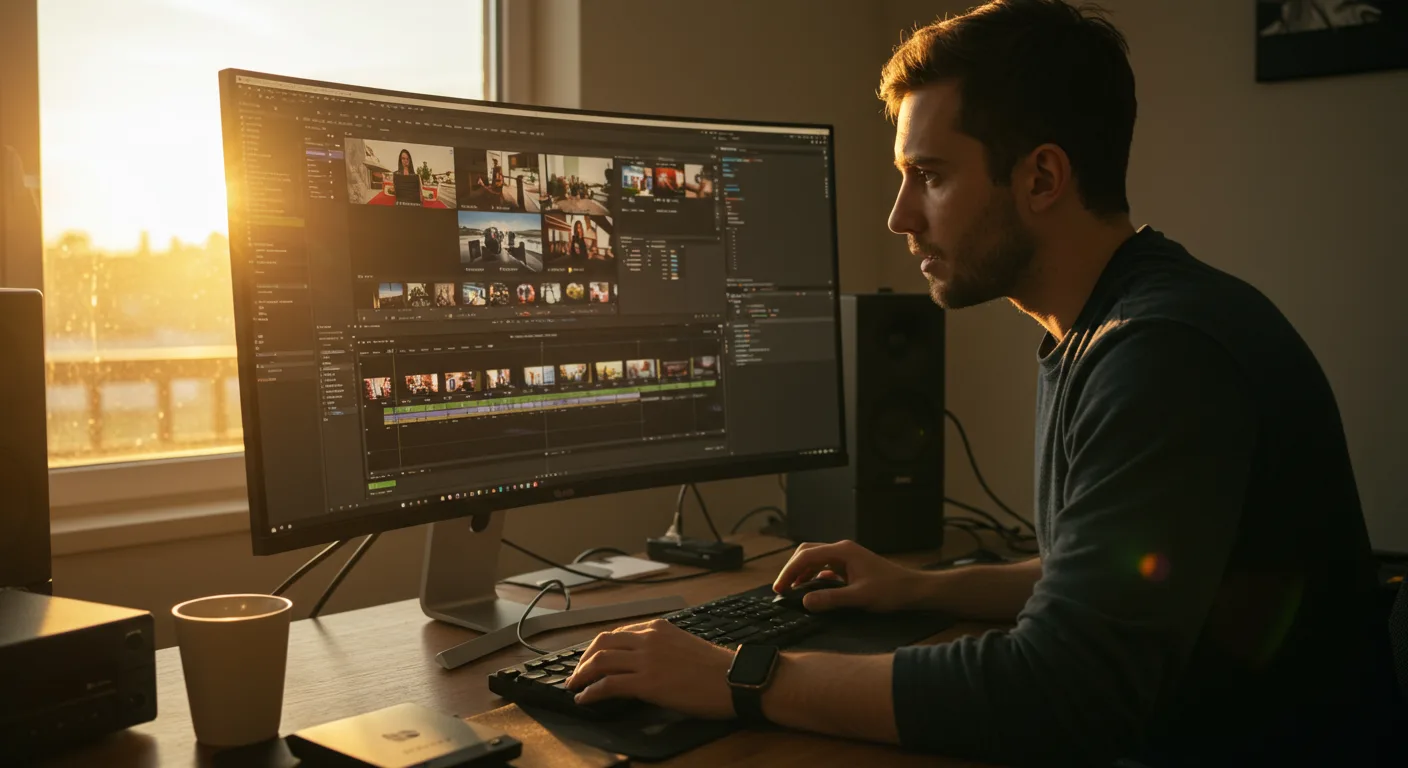
The Complete Guide to Tutorials on Video Editing Software (e.g., Marketing)
Are you ready to transform your marketing strategy with compelling video content? Mastering video editing software is no longer optional—it’s a necessity. But with so many options, where do you even begin? Let’s cut through the noise and find the tutorials you need to create marketing videos that truly convert.
Key Takeaways
- Adobe Premiere Pro is considered an industry standard for professional video editing, offering a wide range of features suitable for complex projects.
- Free options like DaVinci Resolve offer powerful editing capabilities, making them a viable alternative for those on a tight budget.
- Before starting a project, take the time to outline your video’s goals and target audience, which will help you choose the right software and editing techniques.
Sarah, the marketing manager at “Sweet Peach Treats,” a local bakery with three locations in the Buckhead neighborhood of Atlanta, was facing a challenge. Their social media presence was stale. Engagement was down, and their delicious-looking pastries weren’t translating to foot traffic. Sarah knew video was the answer, but she was intimidated. The last time she touched video editing software, it was Windows Movie Maker in 2008.
Sarah needed tutorials on video editing software to create engaging marketing content. She wasn’t alone; many marketers find themselves in the same boat. And if you’re in Atlanta, you may need to rethink your Atlanta small business marketing to include video.
Choosing the Right Software: A Critical First Step
Before diving into tutorials, you must pick the right tool. There’s no one-size-fits-all solution. Consider your budget, skill level, and project requirements. Here’s a breakdown of popular options:
- Adobe Premiere ProAdobe Premiere Pro: The industry standard. It’s powerful, feature-rich, and integrates seamlessly with other Adobe Creative Cloud apps. However, it comes with a subscription fee, which can be a barrier for some.
- Final Cut Pro: A popular choice for Mac users, known for its intuitive interface and powerful features. Similar to Premiere Pro, it’s a professional-grade tool with a price tag to match.
- DaVinci Resolve: This software has gained traction in recent years. It offers a free version with surprisingly robust features, making it ideal for beginners or those on a budget. The paid Studio version unlocks even more advanced capabilities.
- Filmora: A user-friendly option with a simpler interface than Premiere Pro or Final Cut Pro. It’s a good choice for quick edits and social media videos.
- iMovie: If you’re on a Mac and need something extremely simple, iMovie is a free option that comes pre-installed. It’s perfect for basic edits and quick projects.
Sarah opted for DaVinci Resolve. The free version offered enough power for her needs, and she appreciated the wealth of free tutorials available online.
Finding the Right Tutorials: YouTube and Beyond
Once you’ve chosen your software, it’s time to find tutorials. YouTube is an obvious starting point. Search for “[Software Name] tutorial for beginners” or “[Software Name] marketing video editing.”
However, don’t limit yourself to YouTube. Other valuable resources include:
- Official Software Websites: Adobe, Blackmagic Design (DaVinci Resolve), and others offer official tutorials and documentation. These are often the most accurate and up-to-date resources.
- SkillshareSkillshare and Udemy: These platforms offer paid courses on video editing. While they require an investment, they often provide more structured and in-depth learning experiences.
- Blogs and Forums: Many websites and online communities are dedicated to video editing. These can be great places to find tips, tricks, and solutions to specific problems.
Sarah started with the official DaVinci Resolve training videos on Blackmagic Design’s website. She then supplemented her learning with YouTube tutorials on specific topics, like color grading and adding text animations. For Atlanta marketers, understanding CapCut might also be valuable, even if they use other tools.
Essential Editing Techniques for Marketing Videos
Here are some essential editing techniques every marketing video should master:
- Cutting and Trimming: Learn how to remove unwanted footage and create a smooth flow. This is fundamental.
- Transitions: Use transitions sparingly and purposefully. Simple cuts are often better than flashy transitions. Avoid cheesy wipes and dissolves unless they fit your brand aesthetic.
- Audio Editing: Good audio is critical. Learn how to remove background noise, adjust volume levels, and add music or sound effects. A quiet microphone in a quiet room is always preferable to trying to fix audio in post.
- Text and Graphics: Add text overlays to highlight key messages or add visual interest. Use graphics to illustrate data or concepts.
- Color Correction and Grading: Adjust the colors of your footage to create a consistent and visually appealing look.
- Motion Graphics: Adding motion to your text and graphics can make your videos more engaging. Simple animations can go a long way.
I had a client last year, a real estate agent in Morningside, who was struggling to get views on his property videos. The footage itself was good, but the editing was amateurish. We focused on improving his audio, adding professional-looking text overlays, and using subtle transitions. Within a month, his video views increased by 150%. Remember, authenticity still beats high production value in many cases.
A Case Study: Sweet Peach Treats’ Video Transformation
Sarah spent two weeks immersing herself in video editing tutorials. She started with the basics, learning how to import footage, make cuts, and add simple transitions. She then moved on to more advanced techniques, like color grading and adding motion graphics.
Her first project was a short video showcasing Sweet Peach Treats’ new summer menu. She filmed the pastries in-house using her smartphone, focusing on close-up shots of the colorful ingredients and finished products.
Using DaVinci Resolve, Sarah:
- Cut and trimmed the footage to create a fast-paced, engaging sequence.
- Added upbeat music to create a positive mood.
- Included text overlays highlighting the names and prices of the new pastries.
- Used subtle zoom animations to draw attention to key details.
- Corrected the colors to make the pastries look even more delicious.
The result? The video was a hit. Within a week, it had generated over 5,000 views on Instagram and Facebook. More importantly, Sweet Peach Treats saw a 20% increase in sales of the featured pastries. Sarah’s initial fear of video editing had transformed into confidence. She’s now planning a series of videos showcasing the bakery’s history, staff, and baking process. This also highlights the importance of creative marketing strategies.
Avoiding Common Pitfalls
Learning video editing isn’t always easy. Here are some common pitfalls to avoid:
- Overdoing it with effects: Less is often more. Focus on clean edits and subtle enhancements.
- Ignoring audio: Poor audio can ruin an otherwise great video.
- Failing to plan: Before you start editing, create a storyboard or outline to guide your process.
- Using copyrighted material: Be careful about using music or footage that you don’t have the rights to. There are plenty of royalty-free options available.
- Not backing up your work: Save your project files regularly and create backups to avoid losing your progress.
Here’s what nobody tells you: video editing can be tedious. There will be moments of frustration. But stick with it. The results are worth it.
Embrace the Learning Curve
Mastering video editing software takes time and practice. Don’t get discouraged if you don’t see results immediately. Keep learning, keep experimenting, and keep creating. The more you practice, the better you’ll become. And remember, even the most experienced video editors started somewhere. To boost your ROI, consider smarter video ads powered by AI and data.
Video editing software is a powerful tool for marketing. By investing the time to learn it, you can create compelling content that drives engagement and sales. You can transform your marketing strategy and elevate your brand. Don’t be afraid to experiment, make mistakes, and learn from them. That’s how you’ll truly master the art of video editing.
What’s the best video editing software for beginners in marketing?
DaVinci Resolve’s free version offers a great balance of features and ease of use for beginners. It’s powerful enough for most marketing tasks and has plenty of free tutorials available.
How much time does it take to learn basic video editing?
With consistent effort, you can learn the basics of video editing in a few weeks. Dedicate a few hours each week to watching tutorials and practicing your skills.
What are the most important video editing skills for marketing?
Focus on cutting and trimming, audio editing, adding text and graphics, and color correction. These skills will have the biggest impact on the quality of your marketing videos.
Where can I find royalty-free music for my videos?
Several websites offer royalty-free music, including Epidemic Sound, Artlist, and PremiumBeat. Always check the licensing terms before using any music in your videos.
What equipment do I need to start video editing?
You’ll need a computer that meets the minimum system requirements of your chosen software, a good microphone, and headphones. A dedicated video editing monitor can also be helpful.
Stop consuming and start creating. Pick one technique mentioned above, find a tutorial, and apply it to a short video today. You’ll be surprised how quickly you can improve.






