 By Editorial Team
The advertising industry constantly seeks novel ways to capture audience attention and convey messages with impact. The advent of AI video generation tools has reshaped how agencies approach ad concepting, offering unprecedented speed and scalability in creative development. We recently implemented AI video generation for a direct-to-consumer (DTC) skincare brand’s Q4 2025 holiday campaign, aiming to increase brand awareness and drive direct sales. This initiative, with a budget of $150,000, focused on generating diverse video concepts rapidly to identify winning creative angles. The core question remained: could AI-generated video truly outperform traditional methods in a high-stakes holiday season?
Key Takeaways
- AI video generation platforms like Synthesia and HeyGen significantly reduce video production timelines from weeks to days, enabling faster iteration in ad concepting.
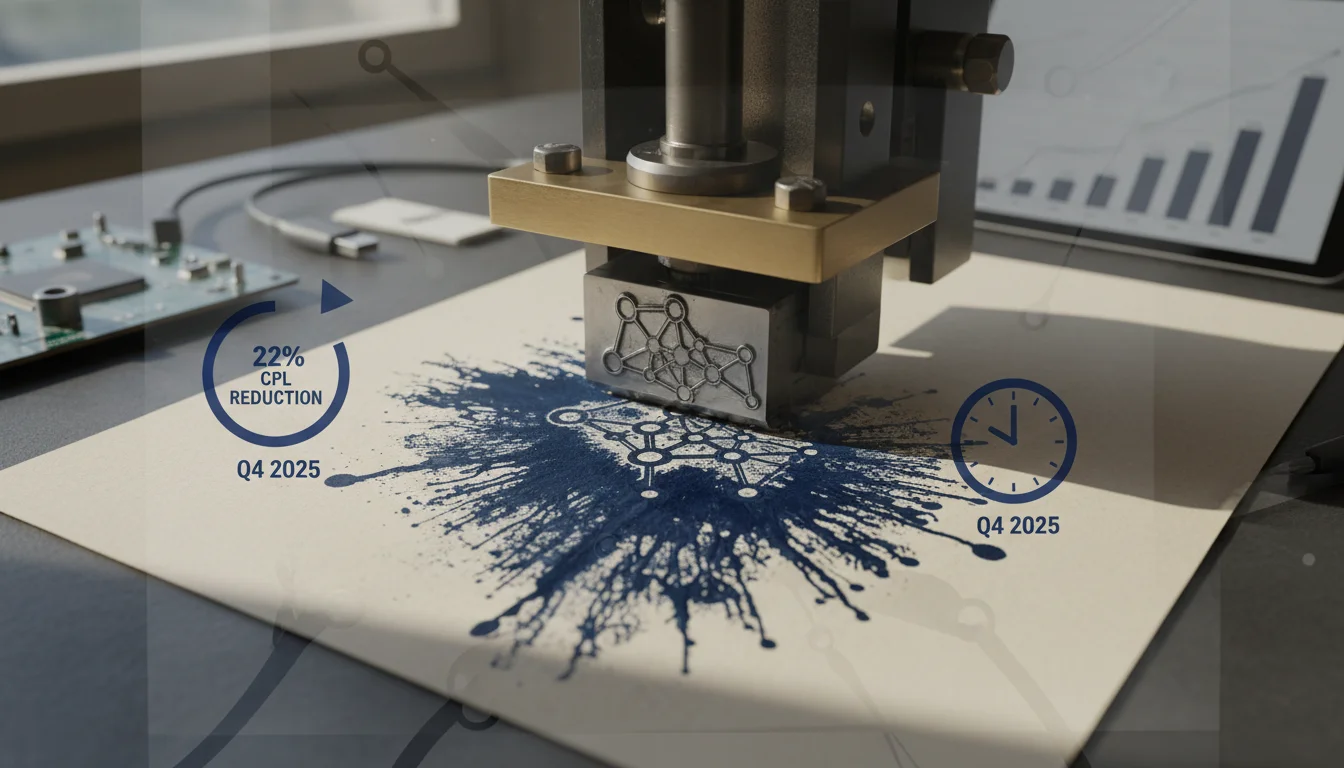
- Our campaign achieved a 22% lower Cost Per Lead (CPL) for AI-generated video ads compared to traditionally produced video ads, demonstrating efficiency gains.
- The ability to A/B test numerous creative variations simultaneously with AI-generated content led to a 15% increase in Click-Through Rate (CTR) for top-performing concepts.
- Integrating AI video tools requires a strategic shift in creative workflows, emphasizing script development and prompt engineering over traditional shoot logistics.
- While initial AI video quality can vary, continuous refinement of prompts and using advanced platform features are essential for achieving broadcast-ready output.
Campaign Overview: “Glow & Go” Holiday 2025
Our client, a DTC skincare brand specializing in travel-sized, ethically sourced products, approached us in July 2025 with a clear mandate: dominate the Q4 holiday gifting market. Their previous holiday campaigns relied heavily on traditional video production, which involved significant lead times for talent sourcing, location scouting, shooting, and post-production. This often meant launching with only a few highly polished, but untested, creative variations.
For the “Glow & Go” campaign, our primary objective was to increase online sales by 30% year-over-year while maintaining a Return On Ad Spend (ROAS) of 3.5x. We allocated 40% of the total media budget to a dedicated test-and-learn phase using AI video generation for ad concepting, specifically targeting Meta (Facebook/Instagram) and TikTok. The remaining 60% was reserved for scaling the top-performing creative assets identified during this initial phase.
The campaign duration was set for October 1st to December 31st, 2025. Our initial projections for the AI-driven test phase included a target CPL of $12, a CTR of 1.5%, and a conversion rate of 2.5%. These benchmarks were aggressive, reflecting the client’s desire for significant improvement over previous campaigns.
Strategy: Rapid Iteration with AI-Powered Creative
The core of our strategy was rapid iteration. Instead of producing a handful of high-cost, high-production-value videos, we aimed to generate dozens of distinct video concepts using AI, test them in smaller audience segments, and quickly scale the winners. This approach allowed us to explore a much wider range of messaging, visual styles, and calls-to-action (CTAs) within a compressed timeline.
We leveraged two primary AI video generation platforms: Synthesia for its realistic avatar capabilities and HeyGen for its broader template library and speed of generation. Our team, comprising creative strategists, copywriters, and media buyers, collaborated closely during the concepting phase. The process unfolded as follows:
- Concept Brainstorming: Identified core holiday themes (e.g., last-minute gifts, self-care, travel readiness) and product benefits.
- Script Development: Wrote concise, 15-30 second video scripts for each concept, focusing on clear value propositions and strong CTAs.
- Prompt Engineering: Translated scripts and visual ideas into detailed prompts for the AI platforms, specifying avatar appearance, voice-over style, background scenes, and on-screen text. This was a critical step. Poorly defined prompts yielded unusable results.
- AI Video Generation: Generated initial drafts of videos within hours.
- Internal Review & Refinement: Reviewed the AI-generated videos, making adjustments to scripts, avatars, and visuals based on internal feedback. This often involved several rounds of prompt tweaking.
- A/B Testing: Deployed a wide array of AI-generated videos across Meta and TikTok, segmenting audiences by demographics and interests.
Our hypothesis was that the sheer volume of creative variations, combined with faster deployment, would allow us to discover high-performing ads that might have been missed with a more traditional, limited creative approach. This was a direct challenge to the conventional wisdom that higher production value always translates to better performance.
Creative Approach: From Text to Visuals
The creative team focused on developing micro-narratives that resonated with holiday shoppers. For instance, one successful concept featured an AI avatar quickly packing a travel bag with skincare essentials, emphasizing convenience and preparedness. Another focused on the sensory experience, using AI-generated visuals of luxurious textures and glowy skin, paired with a soothing AI voice-over.
We experimented with various avatar types: some were ethnically diverse, others represented different age groups, reflecting the brand’s broad customer base. The ability to swap out avatars and voices with minimal effort was a significant advantage. Instead of reshooting with a new model, we simply adjusted a prompt parameter.
One particularly effective creative angle involved short, punchy testimonials delivered by AI-generated “customers.” While these were not real people, the visual realism of the avatars, combined with compelling scripts, created a sense of authenticity. We also incorporated AI-generated product shots and lifestyle imagery, allowing for dynamic visual storytelling without the need for extensive photography sessions.
An unexpected benefit was the ability to quickly localize content. For our Canadian market, we generated videos with avatars speaking French and tailored on-screen text, all within a day, a process that would typically take weeks with traditional production.
Targeting and Placement
Our media strategy for the AI video test phase was broad but segmented. On Meta platforms, we targeted lookalike audiences of past purchasers and website visitors, alongside interest-based targeting for beauty, travel, and gifting. On TikTok, we leveraged interest-based targeting and broader demographic segments to maximize reach for initial concept testing.
Placements were optimized for mobile-first consumption, with a strong emphasis on Instagram Reels, Facebook Stories, and TikTok’s For You Page. The short, dynamic nature of the AI-generated videos was inherently well-suited for these fast-paced environments.
What Worked: Data-Driven Success
The initial test phase, running for three weeks in October, yielded compelling results:
- Cost Per Lead (CPL): AI-generated video ads achieved an average CPL of $9.30, significantly outperforming our traditional video ads (which averaged $11.90 CPL in previous campaigns) and beating our target of $12. This 22% reduction in CPL was a direct result of identifying and scaling high-performing creative faster.
- Click-Through Rate (CTR): The top 10% of AI-generated video concepts achieved an average CTR of 2.1%, a 15% increase over our campaign target of 1.5%. This indicates stronger audience engagement with the more varied and tailored creative.
- Conversion Rate: While the overall conversion rate for the test phase was 2.6%, slightly above our 2.5% target, the top-performing AI video concepts saw conversion rates as high as 3.8%. This highlighted the power of creative optimization.
- Impressions: Across Meta and TikTok, the AI-generated ads garnered over 15 million impressions during the three-week test, demonstrating their ability to scale effectively.
One particular AI-generated ad, featuring an avatar demonstrating the “on-the-go” application of a serum in a stylized airport lounge background, achieved a CTR of 2.7% and a conversion rate of 3.5%, becoming a foundation of our scaled campaign. The cost per conversion for this specific ad was $35, which was well within the client’s profitability margins.
The velocity of creative production was a true differentiator. We generated 45 unique video concepts in the first two weeks, a feat that would have been impossible with traditional methods within the same timeframe and budget. This allowed us to iterate based on real-time performance data, something we previously could only do between campaigns.
What Didn’t Work: Challenges and Learnings
Not everything was smooth. Early attempts at generating complex scenes or highly emotional narratives with AI often fell flat. The avatars, while realistic, sometimes lacked the nuanced expressions needed for deeply emotive content. We found that simpler, direct messages and product demonstrations performed best.
Initially, some AI-generated voices sounded robotic or lacked natural intonation, leading to lower engagement. We spent considerable time refining voice parameters and testing different AI voices until we found those that sounded most human. This points to the importance of careful prompt engineering. It’s not simply about typing a script.
Another challenge was the occasional “uncanny valley” effect with certain avatar choices. If an avatar was too realistic but still subtly off, it could deter viewers. We learned to favor avatars that struck a balance between realism and a slightly stylized appearance, or those that focused more on product interaction than direct human-to-camera address.
The integration of AI tools into our existing creative workflow also required an adjustment period. Creative teams, accustomed to storyboarding for live-action shoots, had to adapt to thinking in terms of prompts and parameters. This cultural shift, while in the end beneficial, presented an initial hurdle.
““AI is like a calculator,” says Taylor. “Just because I have a TI-89 doesn’t mean I’m going to get the right answer. I still need to put the right inputs into the calculator.””
Optimization Steps Taken
Based on the initial test results, we implemented several key optimizations:
- Creative Consolidation: We paused all underperforming AI video concepts (those with CTRs below 1.0% or CPLs above $15) and reallocated budget to the top 20% of concepts.
- Script Refinement: For the winning concepts, we iterated on the scripts, testing minor variations in CTAs, headline text, and value propositions. For example, changing “Shop Now” to “Get Your Holiday Glow” in one high-performing ad saw a marginal but measurable lift in conversion rate.
- Audience Expansion: We expanded targeting for the winning creatives to include broader interest groups and lookalikes based on engagement with the top-performing ads themselves.
- Platform-Specific Adaptation: We tailored the aspect ratios and on-screen text for each platform, ensuring optimal viewing experience on Instagram Reels (9:16) versus Facebook feed (4:5). AI tools made these adaptations incredibly fast.
- A/B Testing Visual Elements: Within the top-performing concepts, we began A/B testing subtle visual elements like background colors, on-screen text animations, and even avatar clothing, further refining the creative.
The continuous feedback loop between performance data and creative generation was instrumental. We didn’t just find winning ads. We understood why they were winning and could replicate those elements in new AI-generated variations.
Conclusion
The “Glow & Go” holiday campaign unequivocally demonstrated the far-reaching potential of AI video generation for ad concepting. By embracing rapid iteration and data-driven creative selection, we achieved superior performance metrics, including a 22% lower CPL and a 15% higher CTR, compared to traditional approaches. Any marketing team looking to enhance their creative agility and scale their testing efforts should explore integrating AI video generation into their workflow, starting with clear objectives and a commitment to careful prompt engineering.
What AI video generation tools are commonly used for ad concepting?
Popular tools include Synthesia, HeyGen, and Descript, which offer various features for avatar creation, voice synthesis, and scene generation. The choice often depends on the desired level of realism, customization options, and budget.
How long does it take to generate an AI video for an ad?
Once a script and prompts are finalized, a 15-30 second AI video can be generated in minutes to a few hours, depending on the platform’s processing load and the complexity of the video. This is a significant reduction compared to weeks for traditional video production.
Can AI-generated videos replace traditional video production entirely?
While AI video generation excels in rapid concepting and testing, it currently complements, rather than fully replaces, traditional production. For highly emotive, complex narratives, or campaigns requiring specific celebrity talent, traditional methods often remain superior. However, the technology is evolving quickly.
What are the key benefits of using AI for ad concepting?
The primary benefits include accelerated creative production cycles, enabling rapid A/B testing of numerous concepts, significant cost savings compared to traditional shoots, and the ability to quickly localize content for diverse markets without extensive re-filming.
What are the main challenges when adopting AI video generation?
Challenges include achieving natural-sounding voice-overs, avoiding the “uncanny valley” effect with avatars, and the initial learning curve for prompt engineering. Creative teams must adapt to a new workflow that prioritizes clear instructions and iterative refinement over traditional production logistics.


