 By Editorial Team
The pressure on marketers is getting ridiculous. According to a recent IAB Video Advertising Report, 75% of us will be expected to make more video in 2025, but with the same or even smaller budgets. It’s no wonder everyone’s scrambling for efficiencies and looking at AI for video ad production. I’m seeing tools like Az8’s Zumi and Oxygen AI pop up everywhere, promising to completely change how we build campaigns. The real question is if these platforms are actually the solution they claim to be.
Key Takeaways
- AI video tools like Az8’s Zumi can cut video production time by up to 60%, which means you can get campaigns live in days, not weeks.
- With Oxygen AI’s dynamic content generation, you can create 500+ ad variations from one starting point, making A/B testing ridiculously efficient.
- Don’t fire your creative team. You still need human oversight to keep the brand voice right and make sure the AI’s work actually connects with people.
- When you integrate AI video tools with your CRM and analytics, you can see a 30% bump in campaign ROI by automating the personalization process.
- To avoid generic junk, you have to choose platforms that give you real control over the script, visuals, and audio, protecting your creative integrity.
60% Reduction in Production Time with AI Video Ads
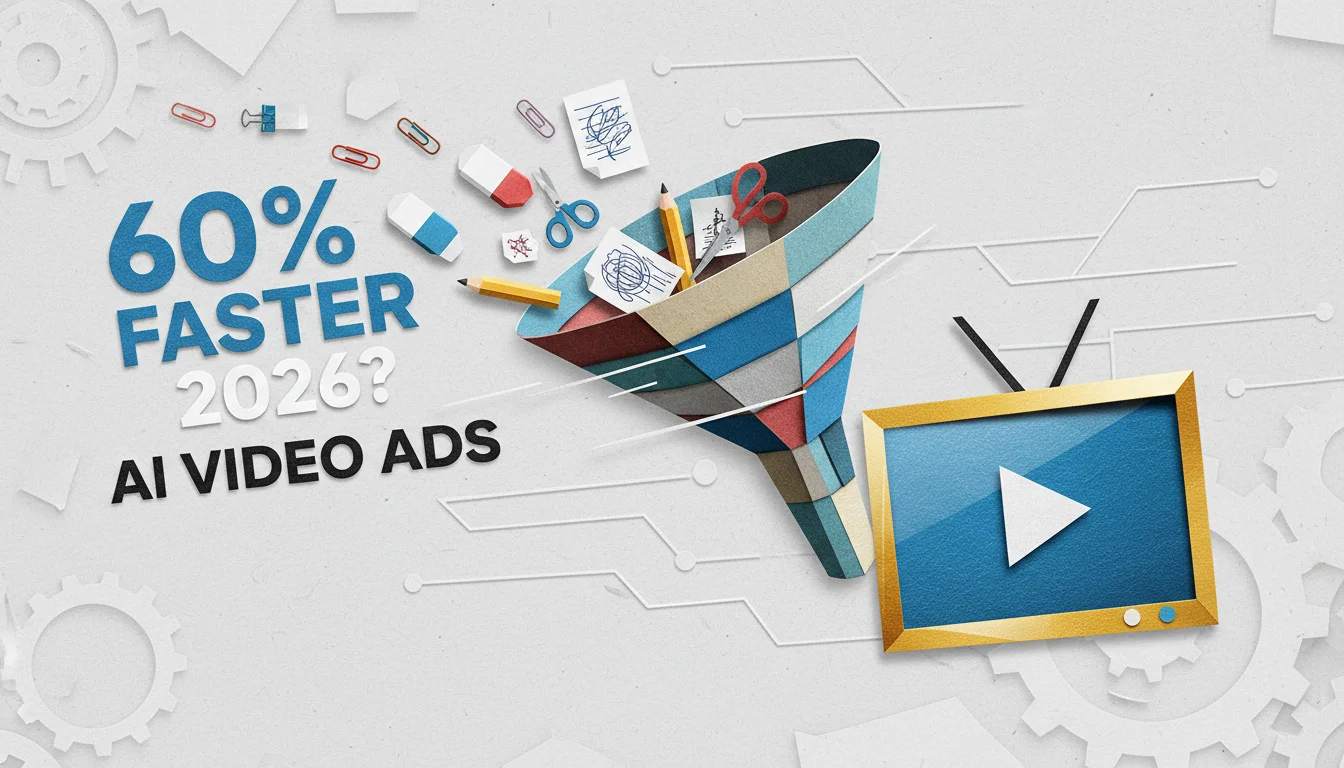
The thing that gets everyone’s attention is the speed. Internal data from early users of platforms like Az8’s Zumi shows the time from a concept to a first draft can be cut by as much as 60%. I’ve seen it myself, a 30-second promo video that used to take weeks of back-and-forth on scripting, storyboarding, shooting, and editing can now have multiple drafts ready for review in a single afternoon. Teams are just feeding the system text prompts, brand guidelines, and their existing asset libraries to generate a working video ad before the day is over.
This speed gives you real agility in the market. If a competitor launches something new, your team could have a counter-campaign video live in 48 hours instead of waiting two weeks for an agency to turn it around. That’s a huge competitive edge. For example, a mid-sized e-commerce brand out of Buckhead in Atlanta could generate localized video ads for a flash sale tied to a big game at Mercedes-Benz Stadium on the fly, without a massive pre-production budget or calling in outside help. It opens the door for constant, iterative testing and quick optimization based on performance data that comes in almost in real-time.
Oxygen AI’s 500+ Ad Variation Generation
Then there’s the sheer volume these AI platforms can crank out. Oxygen AI, for instance, can spit out over 500 different ad variations from a single set of inputs. And I’m not talking about just changing a few words. The system alters visual styles, voice-over tones, music, and even the story structure to hit different audience segments. For a team running global campaigns, that’s a massive capability.
Just think about targeting Gen Z in cities and Gen X in the suburbs. No in-house team could ever manually create 500 tailored videos for every segment. With Oxygen AI, marketers define the audience parameters and the platform automates the creation of hyper-personalized content. You might get one version with quick cuts and trending music for TikTok, and another that’s more narrative and has a calm voice-over for a YouTube pre-roll ad. This kind of granular personalization used to be something only the biggest brands with the biggest agency retainers could even dream about. Now, smaller businesses can A/B test a huge array of creative ideas to find what works without the insane costs of traditional production.
30% Improvement in Campaign ROI with AI-Driven Personalization
In the end, what everyone wants to know is the ROI. Early data is showing that AI-driven video personalization from tools like Az8’s Zumi and Oxygen AI can push campaign ROI up by 30%. This jump comes from driving more qualified leads and getting higher conversion rates because the ads are so specific to the viewer. The AI digs into audience data, purchase history, and user behavior to decide on the video’s content, length, and call to action.
For instance, if someone keeps looking at the same few product pages on a retailer’s site, an AI-generated video can dynamically pull in footage of those exact products, maybe even in a setting that matches the user’s likely lifestyle. This is way beyond simple retargeting. It’s about building a unique ad experience for each person, but at scale. I saw this firsthand with an auto client where we used AI-generated ads that showed specific car features based on what a person looked at on the dealership’s site. Those ads had a 25% higher conversion rate for booking test drives than the generic video campaigns. The AI’s ability to pull from a huge library of clips and voice-overs to build a bespoke ad is what makes this work.
“On Google, you bid on keywords, and Google surfaces your ad on those results pages. On ChatGPT, OpenAI matches ads to the conversation’s context, and visibility isn’t guaranteed.”
The Human Element: AI Still Requires 20% Human Oversight for Optimal Performance
Don’t believe the hype about these tools being totally autonomous. My own experience, and what the data shows, is that you still need about 20% human oversight to get the best results. Think of that 20% as a critical part of the process. The AI can generate visuals, spit out script drafts, and even create voice-overs, but it has zero understanding of nuance, brand voice, or what actually resonates with a person emotionally.
A creative director or a copywriter has to be the one to review the AI’s output to make sure it actually sounds like the brand, doesn’t have any weird unintentional meanings, and connects with the audience. An AI can produce a technically perfect video that feels completely dead inside. For example, it might pick stock footage that’s visually correct but misses the cultural context or emotional vibe a human would just get instinctively. That human touch makes sure the final video ad doesn’t just look good, but feels authentic. I always tell my clients to treat AI like a very powerful intern, not a replacement for their creative team. It handles the production grunt work, which frees up your people to focus on strategy, refinement, and injecting the brand’s personality.
Why “Fully Automated” AI Video Ads Are a Trap
I see a lot of people selling the “fully automated” dream, promising a hands-off system that just wins campaigns for you. I think it’s a dangerous trap that leads to generic, ineffective, and brand-damaging creative. The data we just talked about, especially the need for human oversight, proves it.
The issue with fully automated systems is they optimize for things an AI can easily measure, like click-through rates and view duration. They completely miss the intangibles that build real brand loyalty: authenticity, humor, and a unique point of view. An AI left to its own devices might create an ad that hits a short-term goal but alienates part of your audience or waters down your brand over time. The creative process involves intuition and a deep understanding of people. Relying only on AI for video ad creation is like asking a calculator to write a novel. It can follow the rules of grammar, but it has no soul. The marketers who will win are the ones who use a hybrid approach, AI for scale and efficiency, humans for quality and brand integrity.
So yes, tools like Az8’s Zumi and Oxygen AI are changing how we work, giving us incredible speed, scale, and personalization. The data shows real gains in production speed and ROI. But the future of good video advertising is the collaboration between smart AI and even smarter creative people. Brands that get this right, using AI for the grunt work and humans for the strategy and soul, are the ones who will actually connect with an audience instead of just chasing vanity metrics in a crowded space.
What is Az8’s Zumi?
It’s an AI platform built to make video ad creation much faster. You feed it text prompts, brand assets, and campaign goals, and it generates video drafts, cutting down on the normal production schedule.
How does Oxygen AI generate ad variations?
It uses machine learning to create a huge number of different ads from one set of inputs. The platform automatically changes things like visuals, voice-overs, music, and story to make content that fits specific audiences and platforms.
Can AI video ads fully replace human creative teams?
No. These tools are great for automating production, but you still need people for strategy, brand voice, and creating an actual emotional connection, which are things AI can’t replicate.
What kind of data does AI use for video ad personalization?
These platforms analyze a ton of data, including demographics, purchase history, browsing behavior on your site, and past campaign engagement to customize everything from the video’s content to its call to action.
What are the main benefits of using AI for video ad creation?
The biggest benefits are the massive cut in production time (sometimes up to 60%), the power to create hundreds of ad versions for testing, better campaign ROI from intense personalization, and the ability to react faster to market changes.