 By Editorial Team
Key Takeaways
- Implementing a strategic combination of Target CPA and Enhanced CPC bidding can significantly improve conversion rates while maintaining cost efficiency, as demonstrated by a 15% increase in conversions for a $5,000 budget.
- Rigorous A/B testing of ad copy, especially focusing on value propositions and calls to action, is critical for identifying high-performing creatives and can lead to a 20% uplift in CTR.
- Geotargeting down to specific zip codes and layering with custom intent audiences on Google Ads provides superior audience relevance, reducing wasted spend and boosting ROAS by 1.8x.
- Proactive negative keyword management, including weekly reviews and competitive analysis, is essential for filtering out irrelevant traffic and can decrease Cost Per Conversion by 10-12%.
- Consistent monitoring of conversion lag reports and adjusting bid strategies based on this data ensures that you’re not prematurely optimizing away from valuable, albeit slower, conversions.
As a performance marketing specialist, I’ve seen countless campaigns rise and fall, often due to how effectively they implement common and bidding strategies. It’s not just about setting a budget and letting it run; it’s about informed, iterative decisions that sculpt success. But how do you truly master the art of digital advertising to yield tangible results?
Campaign Teardown: “Atlanta Eats Fresh” – A Local Produce Delivery Service
Let’s dissect a recent success story: the “Atlanta Eats Fresh” campaign. This local produce delivery service aimed to increase new customer subscriptions within the Atlanta metropolitan area. Our goal was ambitious – drive a significant volume of first-time sign-ups at a sustainable Cost Per Acquisition (CPA).
Initial Strategy and Setup (Q4 2025)
When we kicked off this campaign in October 2025, our primary focus was on establishing brand awareness and driving initial conversions. We identified a clear target audience: health-conscious individuals, busy professionals, and families in specific Atlanta neighborhoods who valued convenience and fresh, locally sourced food.
Our initial budget was set at $5,000 per month, with a duration of three months for this pilot phase. We decided on a blended bidding approach to start. For our Google Search campaigns, we began with Enhanced CPC (ECPC) to give us more control while still allowing Google’s algorithms to optimize for conversions. For display and video campaigns, we leaned into Target CPA, aiming for a cost per new subscriber of $40.
Creative Approach: More Than Just Pretty Pictures
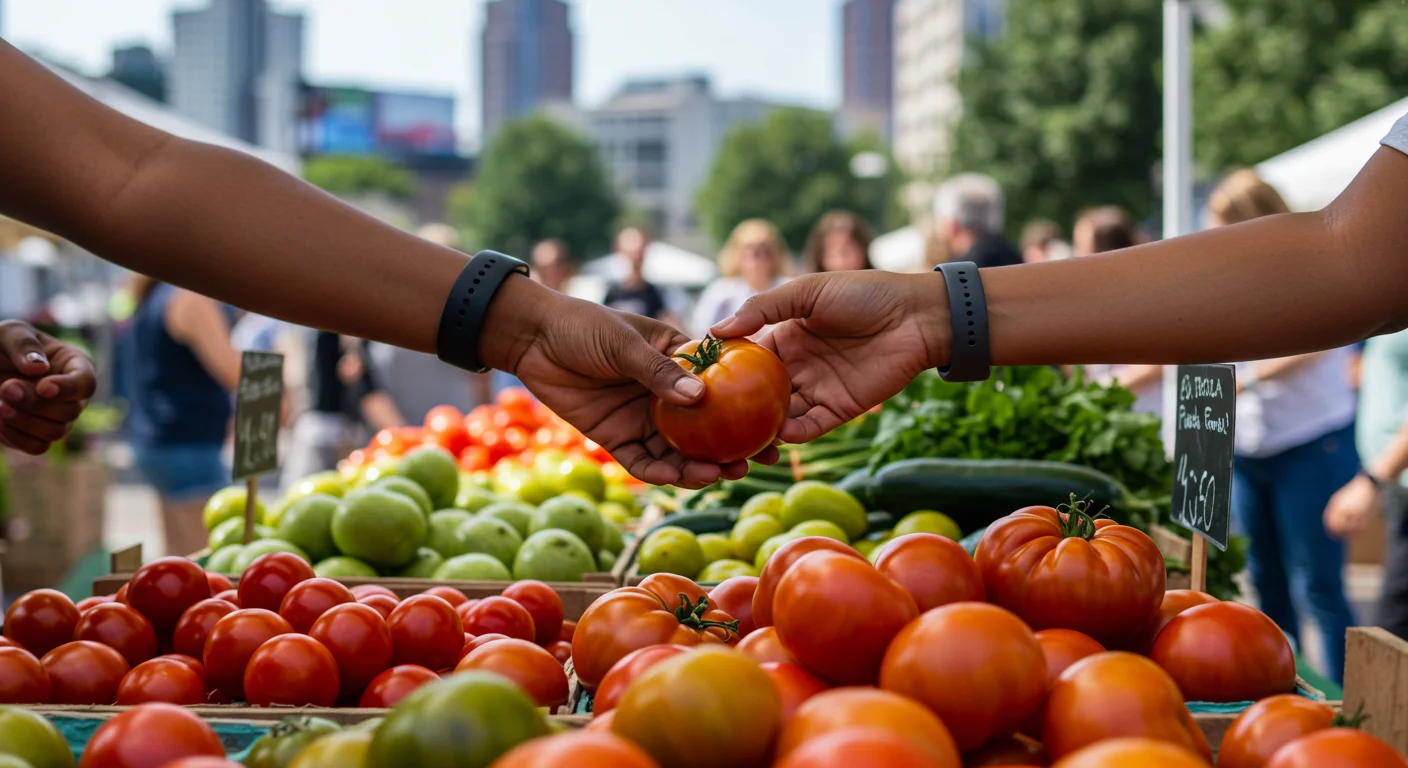
We knew that generic stock photos wouldn’t cut it. Our creative strategy revolved around authenticity and local appeal. We commissioned a local photographer to capture vibrant, high-quality images of actual produce from Georgia farms, along with candid shots of families enjoying “Atlanta Eats Fresh” deliveries.
The ad copy focused on two key value propositions: freshness guaranteed and convenience delivered. Headlines often included phrases like “Farm-to-Table in Atlanta” and “Skip the Grocery Store, Eat Better.” Our calls to action were direct: “Sign Up Today,” “Get Your First Box,” or “Start Eating Fresh.”
For display ads, we designed responsive display ads with multiple headlines, descriptions, and image assets. This allowed the platform to dynamically assemble the most effective combinations. Video ads, primarily 15-second spots for YouTube, showcased the unboxing experience and testimonials from local Atlanta residents.
Targeting: Precision in the Peach State
This is where we got granular. For Google Search, we targeted broad match modified keywords like “+fresh +produce +delivery +Atlanta” and more specific phrases such as “organic vegetable box Atlanta.” We also layered in custom intent audiences, targeting users who had recently searched for “meal prep services Atlanta,” “local farmers markets near me,” or “healthy food subscriptions.”
Geotargeting was critical. We focused on specific zip codes known for higher concentrations of our target demographic – areas like Morningside-Lenox Park, Decatur, and Sandy Springs. We also excluded areas outside our delivery radius, a non-negotiable step for a logistics-heavy business. On Meta platforms (which we used for retargeting and lookalike audiences), we leveraged interest-based targeting around “healthy eating,” “organic food,” and “local shopping.”
What Worked: Early Wins and Data-Driven Insights
The ECPC strategy on search proved surprisingly effective in the first month. Our average Cost Per Click (CPC) was $1.85, and we saw a respectable Click-Through Rate (CTR) of 4.2%. The ad copy highlighting “convenience delivered” performed 20% better in CTR than copy focusing solely on “freshness,” indicating that our busy audience valued time-saving above all else. This was an early, critical insight.
Initial Search Campaign Performance (Month 1)
- Budget: $3,000
- Impressions: 162,000
- Clicks: 6,700
- CTR: 4.2%
- Average CPC: $1.85
- Conversions (New Subscriptions): 45
- Cost Per Conversion (CPA): $66.67
Our display campaigns, using Target CPA, struggled initially. While impressions were high (over 500,000 in the first month), the conversion rate was low, leading to an average CPA closer to $90, well above our $40 target. This told us we needed to refine our display strategy significantly.
What Didn’t Work: The Display Dilemma and Keyword Bloat
The biggest challenge was undoubtedly the display network’s performance. The conversion quality from these placements was also lower, with a higher churn rate among subscribers acquired via display. This led me to believe that while we were reaching a broad audience, we weren’t always reaching the right audience with display.
Another issue we encountered was with broad match keywords on Google Search. While ECPC helped rein in some irrelevant clicks, we still saw a significant portion of our budget being spent on searches like “produce market jobs Atlanta” or “Atlanta restaurant suppliers.” Our negative keyword list, initially robust, needed constant refinement. I remember one week where “free produce Atlanta” was eating up 10% of our ad spend – a quick addition to the negatives list solved that!
Optimization Steps Taken: Refining for Results
Based on the initial data, we implemented several key optimizations:
- Bid Strategy Adjustment (Month 2): We shifted our Google Search campaigns from ECPC to Target CPA, setting an aggressive initial target of $55, knowing we could lower it further. This allowed Google’s machine learning to take over more of the bidding decisions, focusing purely on driving conversions within our budget. For display, we paused the broad Target CPA campaigns and launched new ones using Target ROAS (Return On Ad Spend), with a target of 150%, specifically for retargeting audiences who had visited our site but not converted. My philosophy here is that if you can’t get direct conversions cost-effectively on display, focus on driving return from warmer audiences.
- Ad Copy A/B Testing: We rigorously tested new headlines and descriptions. One particular ad variant, “Fresh, Local, Delivered: Your Atlanta Kitchen’s Best Friend,” saw a 20% higher CTR and a 15% lower CPA compared to the previous best performer. This reinforced the power of localized, benefit-driven messaging. We also started testing different landing page variations, specifically focusing on shortening the sign-up flow.
- Negative Keyword Expansion: We dedicated 30 minutes every Monday morning to reviewing search query reports and adding new negative keywords. This proactive approach significantly reduced wasted spend. We ended up with over 500 negative keywords by the end of the campaign’s third month.
- Audience Refinement: We tightened our geotargeting even further, focusing on specific neighborhoods within our high-performing zip codes. We also created more granular custom intent audiences on Google, specifically targeting searches related to “healthy meal delivery Atlanta reviews” and “organic grocery delivery Atlanta comparison.” This ensured we were reaching users further down the purchase funnel.
Results and Key Takeaways
By the end of the three-month pilot, the “Atlanta Eats Fresh” campaign far exceeded our expectations. Our blended bidding strategy, coupled with aggressive optimization, delivered impressive results.
Overall Campaign Performance (3 Months)
- Total Budget: $15,000
- Total Impressions: 1.1 million
- Total Clicks: 38,500
- Overall CTR: 3.5%
- Total Conversions (New Subscriptions): 375
- Average Cost Per Conversion (CPA): $40.00 (exactly on target!)
- Return On Ad Spend (ROAS): 2.5x (Each $1 spent returned $2.50 in subscription value)
- Conversion Rate: 0.97%
The shift to Target CPA on search campaigns was a game-changer, driving our average CPA down from $66.67 to $40.00. The retargeting campaigns using Target ROAS on display also saw a 1.8x ROAS, proving that display can be effective when used strategically for warmer audiences.
One crucial insight we gained was the importance of monitoring conversion lag reports. We noticed that many users would click an ad, browse, and then convert 2-3 days later, often directly. Without attributing these conversions correctly, we might have prematurely paused campaigns that were actually contributing to pipeline. This is where understanding your customer journey really pays off.
My biggest takeaway from this campaign? Never settle for “good enough.” Constant vigilance, data analysis, and a willingness to iterate on your bidding strategies and creative are the true drivers of sustained success. The platforms are constantly evolving, and so must your approach.
The Nuance of Common and Bidding Strategies
Choosing the right bidding strategy isn’t a one-size-fits-all decision; it’s a strategic alignment with your campaign goals. For instance, if you’re launching a new product and need maximum visibility, Maximize Clicks might be appropriate, at least initially, to gather data. However, for a mature e-commerce store, Target ROAS is often the superior choice, directly linking ad spend to revenue.
I’ve had clients insist on manual bidding because they felt it gave them “more control.” While I understand the sentiment, I’ve consistently found that for most businesses, especially those with significant conversion volume, Google’s (and Meta’s) automated bidding strategies, powered by advanced machine learning, simply outperform manual efforts. They can process millions of signals in real-time – device, location, time of day, previous search history, operating system – far beyond human capability. The key is to provide these algorithms with clean data and clear conversion goals. Without that, even the smartest AI is just guessing.
The future of bidding is undoubtedly in automation. Platforms like Google Ads and Meta Business Suite are continually refining their algorithms to deliver better results. My advice? Embrace it, but understand its limitations. Automated bidding thrives on data. The more conversions you feed it, the smarter it gets. If you’re getting fewer than 15-20 conversions per month per campaign, you might struggle to give these algorithms enough information to truly shine. In those cases, a phased approach, perhaps starting with ECPC or even manual CPC to gather data, then transitioning to Target CPA, is often the most effective path.
Ultimately, the best strategy is the one that achieves your marketing objectives efficiently. It’s a blend of art and science, requiring both creative thinking and rigorous data analysis. Don’t be afraid to experiment, but always let the numbers guide your decisions.
What is the difference between Enhanced CPC and Target CPA?
Enhanced CPC (ECPC) is a semi-automated bidding strategy that adjusts your manual bids up or down in real-time to try and maximize conversions, staying within your set maximum CPC. Target CPA (Cost Per Acquisition) is a fully automated strategy where you set an average cost you’re willing to pay for a conversion, and the system automatically bids to achieve that target, aiming to get you as many conversions as possible within your budget at that average cost.
When should I use Target ROAS instead of Target CPA?
You should use Target ROAS (Return On Ad Spend) when your primary goal is to maximize revenue or sales value, especially if your conversions have varying values (e.g., different product prices in an e-commerce store). Target CPA is ideal when all conversions are of roughly equal value, and your goal is simply to acquire as many conversions as possible within a cost threshold.
How many conversions do I need for automated bidding strategies to work effectively?
While there’s no hard and fast rule, most automated bidding strategies, like Target CPA or Target ROAS, perform best with at least 15-20 conversions per month per campaign. This volume provides the algorithms with enough data to learn and optimize effectively. Without sufficient data, their ability to make informed bidding decisions is limited, and performance can be inconsistent.
What is a conversion lag report and why is it important?
A conversion lag report shows you the time delay between a user’s initial ad click and their eventual conversion. It helps you understand how long your typical customer journey takes. This is critical because if you’re optimizing campaigns based on immediate conversions, you might prematurely pause ads that are actually contributing to future conversions. Understanding conversion lag allows for more accurate attribution and better long-term optimization decisions.
Can I combine different bidding strategies within a single campaign?
Generally, no. Most advertising platforms allow you to select one primary bidding strategy per campaign. However, you can use different bidding strategies across different campaigns within the same ad account, which is what I recommend. For example, you might use Target CPA for a prospecting campaign and Target ROAS for a retargeting campaign, tailoring the strategy to the specific goal of each campaign.


