 By Editorial Team
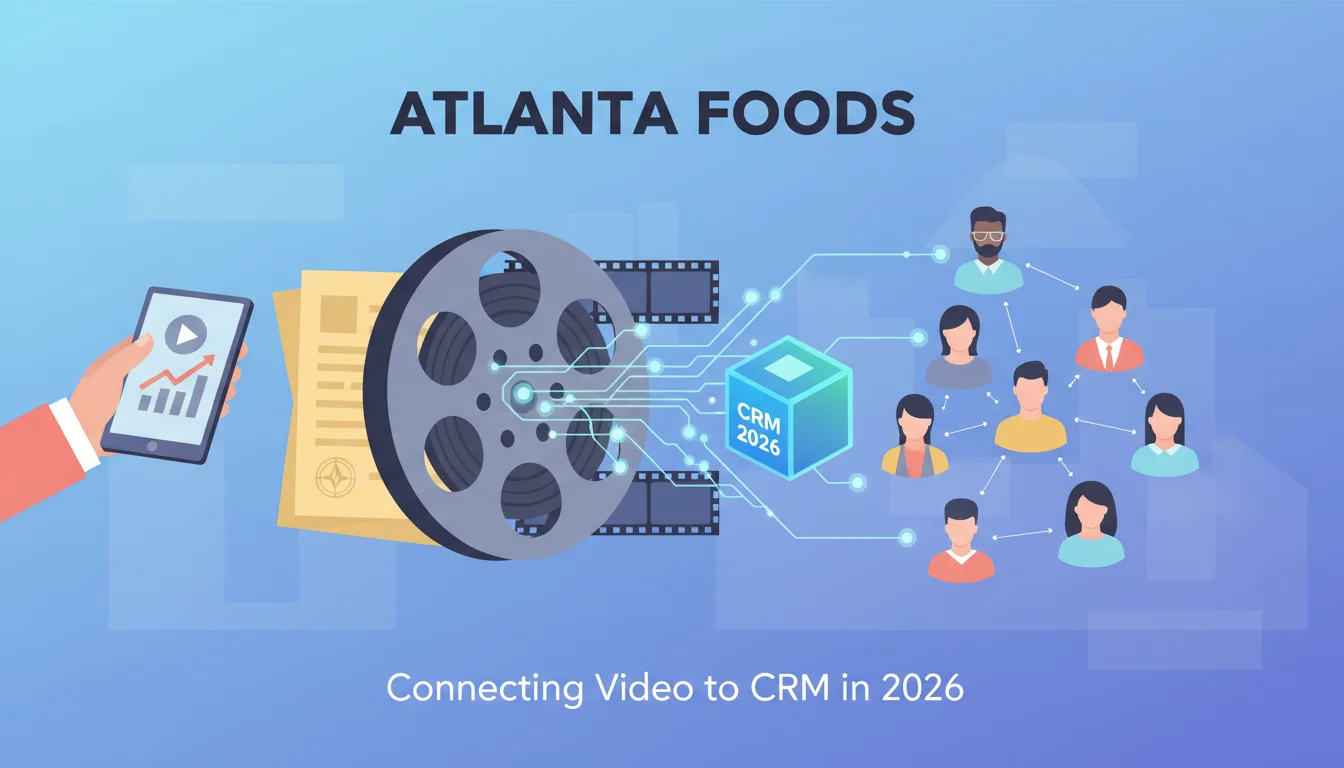
The year 2026 brought a new level of scrutiny to advertising spend, particularly for channels like video. For businesses like “Atlanta Artisanal Foods” (a fictional gourmet food delivery service based out of Candler Park, specializing in locally sourced ingredients), understanding the true impact of their visually rich campaigns was becoming a critical differentiator. They invested heavily in captivating video ads showing their farm-to-table ethos, but connecting those video insights directly to their customer relationship management (CRM) system remained a persistent challenge, leaving them with fragmented data and unanswered questions about customer journeys.
Key Takeaways
- Implement server-side tracking for video ad platforms to capture granular user interaction data, ensuring strong data collection even with evolving privacy restrictions.
- Map specific video ad engagement metrics, such as quartile views and call-to-action clicks, directly to custom fields within your CRM to enrich customer profiles.
- Establish automated workflows within your CRM to trigger personalized follow-ups or segment users based on their video consumption patterns.
- Use CRM data to inform video ad retargeting strategies, creating highly specific audience segments for subsequent campaigns.
- Regularly audit data flow between video platforms and your CRM, verifying data integrity and consistency to maintain reliable insights.
The Disconnected Narrative: Atlanta Artisanal Foods’ Challenge
Sarah Chen, the marketing director for Atlanta Artisanal Foods, sat at her desk in their Inman Park office, reviewing the latest performance reports. Their video ads, primarily run on platforms like YouTube and connected TV (CTV) services, consistently generated high view counts and strong engagement rates. One particular campaign, featuring a local farmer from Grant Park discussing sustainable practices, had gone viral within their target demographic. “We see the views, we see the likes,” Sarah explained during our consultation last month, “but when a customer places an order a week later, how do we definitively link that back to the video they watched? Our CRM just shows ‘organic search’ or ‘direct traffic,’ not ‘watched the farmer video and then converted’.” This disconnect created a significant blind spot, making it difficult to attribute revenue accurately and refine their video content strategy.
The problem wasn’t a lack of data. It was a lack of meaningful connection. Their CRM, Salesforce, held a wealth of customer information: purchase history, email interactions, support tickets. The video platforms provided detailed metrics on impressions, clicks, and watch time. The chasm lay in bridging these two distinct data sets. Without direct CRM integration, Atlanta Artisanal Foods couldn’t answer fundamental questions like: Did customers who watched the full “farm-to-table” video spend more on average? Were they more likely to become repeat buyers? Did a specific video ad contribute to a higher lifetime value?
Establishing the Data Pipeline: Server-Side Tracking and APIs
The first step in resolving this fragmentation involved strengthening the data pipeline. Client-side tracking, while ubiquitous, faced increasing limitations due to browser privacy enhancements and ad blockers. For video advertising, especially across multiple platforms, a more strong solution was necessary. “We pushed for a server-side tracking implementation,” I advised Sarah. This involves sending data directly from the ad platform’s servers to a dedicated data warehouse or directly to the CRM via APIs, bypassing many of the client-side restrictions. For YouTube campaigns, this often means configuring Google Ads Conversion Tracking with enhanced conversions, allowing for more precise matching of ad interactions to CRM records.
The process required careful planning. We worked with Atlanta Artisanal Foods’ development team to ensure their website’s back-end could properly receive and transmit user identifiers. For CTV campaigns, where direct pixel placement is often impossible, using server-to-server (S2S) integrations with their demand-side platform (DSP) was paramount. This ensured that when a user engaged with a video ad on a streaming service, an identifier could be passed through to their system, ready for subsequent matching in the CRM. This isn’t a quick flip of a switch. It demands technical expertise and a clear understanding of data privacy regulations, especially with CCPA and GDPR continuing to shape data handling in 2026.
Mapping Video Metrics to CRM Fields
Once the data could flow, the next challenge was defining what data points were most valuable for CRM integration. It’s not enough to simply know a video was viewed. We focused on specific video insights that indicated genuine engagement and intent. “Think beyond just a click,” I emphasized. “A user who watches 75% of your 60-second video about the sustainable sourcing of your ingredients is a significantly more qualified lead than someone who watches 5 seconds and skips.”
For Atlanta Artisanal Foods, we identified key metrics to map as custom fields within their Salesforce instance:
- Video Ad ID: To identify the specific creative.
- Quartile Completion: Tracked at 25%, 50%, 75%, and 100% completion. This provided a gradient of engagement.
- Call-to-Action (CTA) Clicks: Direct clicks on overlay CTAs within the video.
- Engagement Rate: A custom calculation based on views, likes, and shares.
- Platform of Origin: YouTube, Hulu, Roku, etc.
This granular data allowed them to enrich individual customer profiles. Instead of just seeing “John Doe purchased artisanal cheese,” their CRM now showed “John Doe (ID: 12345) purchased artisanal cheese, previously watched ‘Sustainable Cheese Making’ video (ID: VAD007) to 75% completion via YouTube on 2026-03-15.” This level of detail transformed a basic purchase record into a behaviorally informed customer journey segment.
Automating Workflows for Personalized Experiences
The true power of CRM integration lies in its ability to drive automation and personalization. With video engagement data now flowing into Salesforce, Atlanta Artisanal Foods could create sophisticated workflows. For example:
- Targeted Email Sequences: If a customer watched 75% or more of the “Sustainable Cheese Making” video but hadn’t purchased cheese within 48 hours, an automated email would be triggered, offering a discount on their artisanal cheese selection and linking directly to the product page.
- Sales Team Prioritization: Leads who demonstrated high video engagement (e.g., watched multiple product-specific videos to completion) were flagged as “video-qualified leads” and prioritized for outreach by the sales team.
- Dynamic Website Content: Through integration with their content management system, users who had engaged with specific video themes would see related product recommendations or blog posts prominently displayed on their next website visit.
This level of automation, driven by specific video insights, allowed Atlanta Artisanal Foods to deliver highly relevant messages at the right time, significantly improving conversion rates. Sarah reported a 15% increase in conversion rates for segments targeted with video-informed email campaigns within three months of implementation. This isn’t just about efficiency. It’s about making the customer feel understood and valued, which builds brand loyalty.
Refining Retargeting and Audience Segmentation
The integrated data also revolutionized their retargeting strategies. Traditionally, retargeting was based on website visits or general ad clicks. Now, Atlanta Artisanal Foods could create hyper-segmented audiences based on specific video consumption behaviors. Consider the difference:
- Broad Retargeting: Anyone who visited the “cheese” category page.
- Video-Informed Retargeting: People who watched the entire “Sustainable Cheese Making” video but did not purchase, or those who watched multiple videos about different product categories.
This allowed them to craft much more precise follow-up ads. For those who watched the cheese video but didn’t buy, they might see an ad featuring a new cheese pairing recipe. For those who watched several videos across different categories (e.g., bread, jam, and coffee), they could be shown an ad for a curated “gourmet pantry starter kit.” This specificity reduces ad waste and increases the likelihood of conversion. According to a eMarketer report from late 2025, personalized ad experiences are expected to drive a 20% higher return on ad spend by 2027 compared to generic campaigns.
One aspect often overlooked, in my opinion, is the feedback loop this creates for content creation. When you can directly see which video themes and lengths resonate most with your highest-value customers within your CRM, you have an undeniable blueprint for future content. Atlanta Artisanal Foods now uses their CRM data to inform their video production calendar, prioritizing topics and styles that have a proven track record of driving conversions.
Maintaining Data Integrity and Future-Proofing
The ongoing maintenance of this integrated system is just as important as its initial setup. Data integrity is paramount. “Garbage in, garbage out” applies emphatically here. Regular audits of the data flow between video platforms and the CRM are essential. This means checking for discrepancies in conversion numbers, ensuring unique identifiers are correctly matched, and verifying that custom fields are populating as expected. This isn’t a set-it-and-forget-it solution. It requires continuous monitoring and adjustment.
Plus, the digital advertising field is always shifting. New privacy regulations, platform updates, and technological advancements mean that what works today might need adjustments tomorrow. Staying informed about changes to ad platform APIs, CRM features, and data privacy frameworks is a continuous responsibility. Atlanta Artisanal Foods now schedules quarterly reviews with their marketing and development teams to assess the health of their CRM integration for video and identify any necessary updates. This proactive approach ensures their investment in deeper video insights continues to pay dividends.
The journey from disconnected video views to actionable CRM insights transformed Atlanta Artisanal Foods’ marketing efforts. By carefully connecting their video ad performance to individual customer records, they gained an unparalleled understanding of their audience, allowing for highly personalized communication and more efficient ad spend. This strategic CRM integration isn’t just about better reporting. It’s about building stronger, more informed customer relationships.
What is server-side tracking and why is it important for video ad CRM integration?
Server-side tracking involves sending data directly from the ad platform’s server to your data warehouse or CRM, rather than relying solely on client-side browser events. It’s important because it offers greater data reliability and accuracy, especially with increasing browser privacy restrictions and ad blocker usage that can interfere with client-side pixels, ensuring more consistent video insights flow into your CRM.
Which specific video ad metrics are most valuable to integrate into a CRM?
Beyond basic impressions and clicks, valuable metrics for CRM integration include video ad ID, quartile completion rates (e.g., 25%, 50%, 75%, 100%), call-to-action clicks within the video, and the platform of origin. These provide deeper video insights into actual user engagement and intent, enriching customer profiles.
How can CRM integration for video ads lead to better personalization?
By integrating video ad engagement data into your CRM, you can segment customers based on their specific viewing habits. This allows for automated, personalized follow-ups, such as emails offering discounts on products featured in videos they watched, or dynamic website content tailored to their video consumption, creating more relevant customer experiences.
What role do APIs play in connecting video ads to CRM systems?
APIs (Application Programming Interfaces) are important for facilitating the direct, programmatic transfer of data between video ad platforms and CRM systems. They enable the automated exchange of video insights and customer identifiers, which is fundamental for smooth CRM integration and building a complete customer view.
What are the ongoing maintenance considerations for video ad CRM integration?
Ongoing maintenance involves regularly auditing data flows to check for discrepancies, verifying that custom CRM fields are populating correctly, and staying updated on changes to ad platform APIs and privacy regulations. This ensures the continuous accuracy and reliability of your video insights and CRM data.


