 By David Carson
Key Takeaways
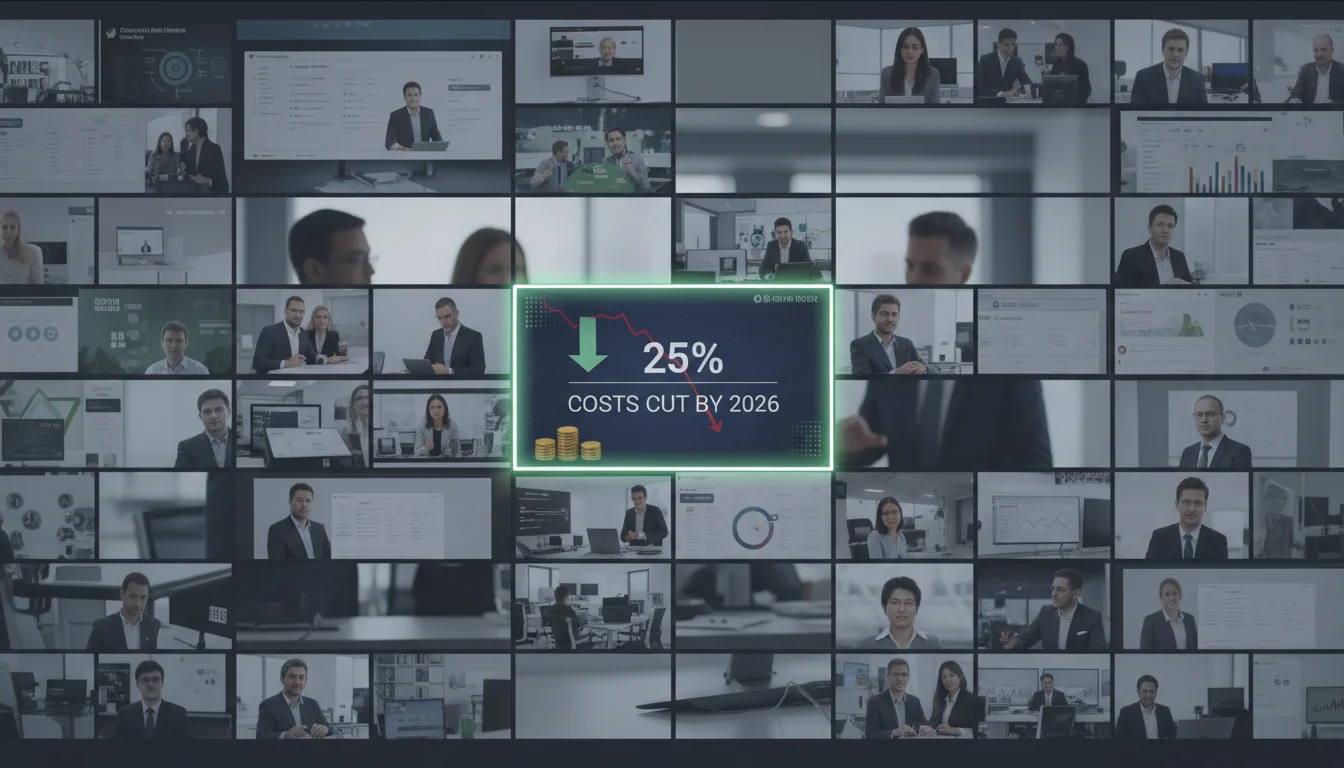
- B2B video ads significantly reduce customer acquisition costs, with companies reporting up to a 25% decrease by 2026 through targeted campaigns.
- Implementing a full-funnel video strategy, from short-form awareness videos to detailed product demonstrations, increases conversion rates by an average of 15% for complex B2B solutions.
- Video content hosted on owned digital infrastructure, rather than solely on third-party platforms, provides superior analytics and retargeting capabilities, improving lead nurturing efficiency by 20%.
- Personalized video outreach, particularly for account-based marketing efforts, achieves response rates 3x higher than generic email campaigns.
- Consistent A/B testing of video ad creatives, calls-to-action, and landing page integrations can boost campaign ROI by 10% within the first six months.
Video ads for B2B growth are no longer an optional add-on. They are a foundational component of modern digital infrastructure, driving lead generation and pipeline acceleration. Businesses that neglect video in their marketing mix risk falling behind competitors who understand its power to engage, educate, and convert. The question isn’t if you need video, but how effectively you’re using it to connect with decision-makers and demonstrate value.
The Shifting B2B Buyer Journey and Video’s Role
The B2B buyer journey has fundamentally changed. Decision-makers today conduct extensive research independently before ever engaging with a sales representative. They seek information, solutions, and validation online, often preferring visual content over text-heavy whitepapers. This self-service research phase means businesses must provide compelling, easily digestible content at every touchpoint. Video excels here, offering a dynamic way to convey complex ideas, show product functionality, and build trust. A recent study by HubSpot (HubSpot, 2026) indicates that 75% of B2B buyers prefer watching a video to reading text when learning about a product or service. This preference isn’t a trend. It’s the new standard for information consumption. Consider the typical B2B purchase cycle for a high-value software solution or a specialized industrial component. It often involves multiple stakeholders, extensive technical specifications, and a significant investment. Text alone struggles to convey the nuances of a complex integration process or the impact of a new AI-driven analytics platform. Video, however, can provide a guided tour, demonstrate real-world applications, and even feature testimonials from satisfied clients. This visual storytelling capability reduces perceived risk and accelerates the buyer’s understanding, shortening sales cycles. The ability to show, not just tell, becomes paramount when your solution addresses intricate business challenges.
Building a Complete B2B Video Strategy
An effective B2B video strategy spans the entire marketing funnel, from initial awareness to post-purchase support. It’s not about creating one viral video. It’s about a consistent, purposeful approach to visual communication. At the top of the funnel, short, engaging videos on platforms like LinkedIn (LinkedIn Marketing Solutions) or YouTube (Google Ads) can introduce your brand and its core value proposition. These might be explainer animations or thought leadership snippets, designed to capture attention and spark curiosity. The goal here is broad reach and brand recognition within your target industry. As prospects move down the funnel, the video content shifts. Mid-funnel videos should educate and nurture. This includes product demonstrations, case studies, and “how-to” guides that address specific pain points. Imagine a video detailing how your cybersecurity platform integrates with existing IT infrastructure, or how your supply chain software reduces logistical bottlenecks. These videos provide concrete evidence of value and help prospects visualize themselves using your solution. Further down, for those nearing a purchasing decision, personalized video messages from sales representatives can be incredibly impactful. Tools that allow for quick, custom video creation have become essential for sales teams aiming to break through the noise.
Measuring Impact: Analytics and ROI in B2B Video
The true power of video ads in B2B lies in their measurable impact on lead generation and overall business growth. Unlike traditional marketing, digital video provides granular data on viewer engagement. You can track metrics such as view-through rates, completion rates, click-through rates to landing pages, and even specific interaction points within the video itself. This data is invaluable for refining your strategy. For example, if you notice a significant drop-off at the two-minute mark in your product demo, it signals an opportunity to re-edit that section or split it into shorter segments. Integrating video analytics with your existing CRM and marketing automation platforms is non-negotiable. When a prospect watches 75% of your product overview video, that activity should trigger a specific follow-up sequence or alert your sales team. This intelligent automation ensures that engagement signals are acted upon promptly, moving prospects efficiently through the sales pipeline. A report from eMarketer (eMarketer, 2026) projected that B2B video advertising spend would increase by 18% this year, largely driven by the demonstrable ROI businesses are seeing from these targeted campaigns. They aren’t just spending more. They’re seeing tangible returns on that investment in the form of qualified leads and closed deals. For more on proving impact, consider reading about 5 ways to prove video ad ROI.
Technical Considerations for B2B Video Infrastructure
Hosting and distributing your B2B video content requires careful planning of your digital infrastructure. While platforms like YouTube offer wide reach, relying solely on them can limit your control and analytics capabilities. Consider investing in a dedicated video hosting solution (Wistia) or integrating video directly into your own website and content management system. This approach provides a cleaner, brand-consistent viewing experience and allows for more sophisticated tracking pixels and retargeting options. For example, if a prospect watches a specific feature video on your site, you can then serve them targeted ads on other platforms related to that feature. Plus, ensure your video assets are optimized for various devices and connection speeds. A pixelated, slow-loading video is worse than no video at all in a professional context. This means encoding videos in multiple resolutions, using content delivery networks (CDNs) (Cloudflare) for faster delivery, and implementing adaptive streaming technologies. For businesses targeting a global audience, subtitling and localization are also critical. Don’t overlook accessibility either. Providing closed captions and transcripts expands your reach and demonstrates a commitment to inclusivity. These technical aspects might seem secondary, but they underpin the success of any video marketing effort. To ensure quality control and scalability, consider best practices for scalable video ads.
Advanced Tactics: Personalization and ABM with Video
Moving beyond generic campaigns, advanced B2B video strategies incorporate personalization and account-based marketing (ABM). Imagine a video specifically addressed to a key decision-maker at a target account, referencing their company’s unique challenges and how your solution directly addresses them. This level of personalization can dramatically increase engagement and response rates. Sales teams can record short, custom videos for prospects, embedding them directly into emails or LinkedIn messages. This human touch cuts through the digital noise and establishes a more personal connection. For ABM campaigns, video can be deployed strategically at different stages for specific accounts. Early in the process, a video might introduce your company to a target organization’s leadership. Later, a detailed video outlining a custom solution proposal can be shared with the technical team. The key is to make the video feel bespoke, not mass-produced. This often involves using a prospect’s name, company logo, or even specific industry data within the video itself. While this requires more effort per video, the higher conversion rates for high-value B2B accounts often justify the investment. Implementing a strong B2B video ad strategy is no longer a luxury. It’s a necessity for businesses aiming to connect with decision-makers and drive meaningful growth. By focusing on a full-funnel approach, using detailed analytics, and embracing personalization, companies can transform their digital infrastructure into a powerful lead-generating engine. This requires a solid video ad strategy to overcome common challenges like high skip rates.
What types of video content are most effective for B2B lead generation?
Explainer videos, product demonstrations, case studies, and thought leadership interviews are highly effective for B2B lead generation because they educate prospects, show solutions, and build credibility.
How can I measure the ROI of my B2B video ad campaigns?
Measure ROI by tracking metrics such as view-through rates, click-through rates to landing pages, conversion rates from video viewers to qualified leads, and in the end, the revenue generated from leads influenced by video campaigns, comparing these against your production and ad spend.
Should I host my B2B videos on YouTube or my own website?
While YouTube offers broad reach, hosting videos on your own website or a dedicated platform like Wistia provides superior analytics, brand control, and retargeting capabilities, allowing for more integrated and customized viewer experiences.
How does personalization enhance B2B video ad effectiveness?
Personalization, such as addressing a prospect by name or referencing their specific company challenges within a video, significantly increases engagement and response rates by making the content feel directly relevant and tailored to their needs.
What are common pitfalls to avoid when creating B2B video ads?
Avoid overly promotional content, neglecting clear calls-to-action, producing low-quality visuals or audio, failing to optimize for mobile viewing, and not having a distribution strategy beyond simply uploading the video.


