 By Editorial Team
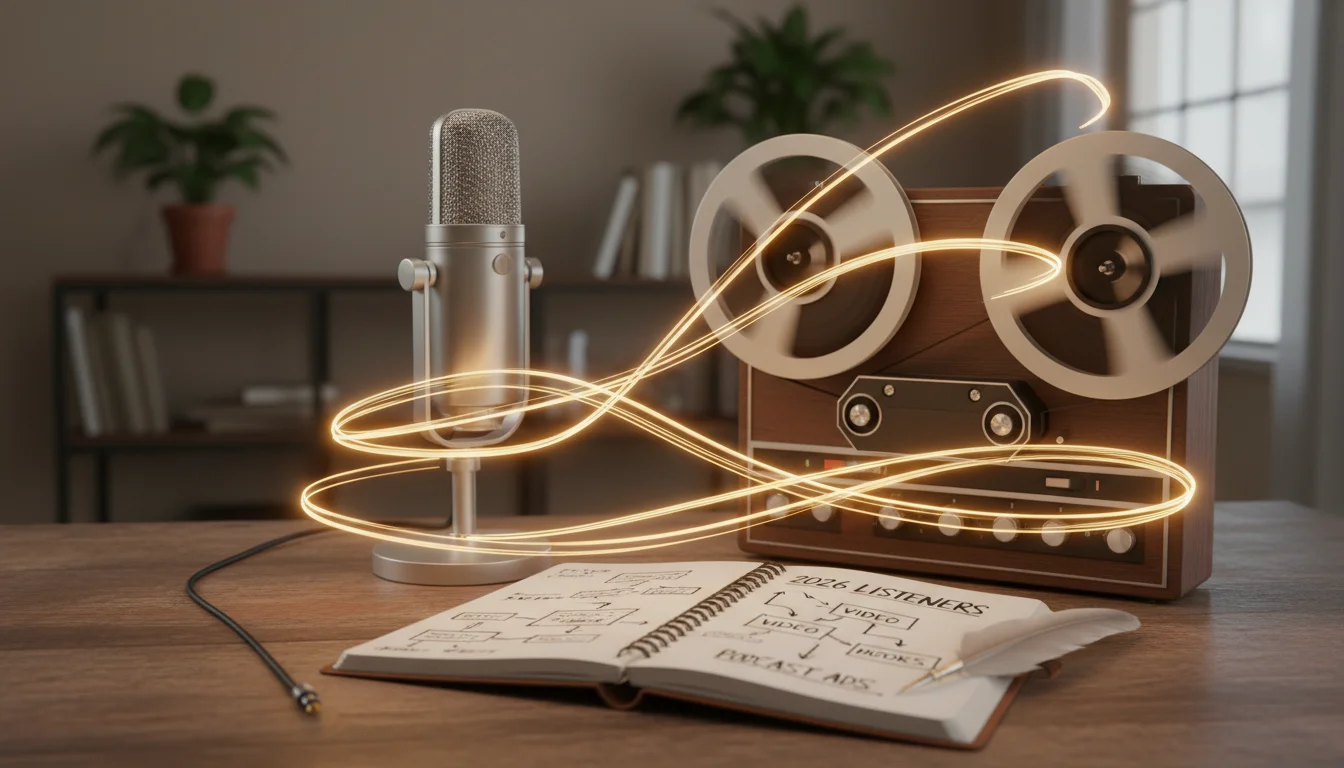
By 2026, the game in digital advertising is changing, and a big part of that is the growth of YouTube podcast ads. This is a real opportunity for brands. It’s an audio-visual format that lets businesses connect with engaged audiences in a way that combines sight and sound, something old-school podcast ads just can’t do.
Key Takeaways
- YouTube’s push into podcasting with dedicated pages and RSS feed integrations is making it a major destination for listeners, with an IAB report estimating it’ll hit 80 million monthly listeners by mid-2025.
- You can use Google Ads to target specific podcast genres or even individual shows on YouTube with detailed demographic and behavioral data, and it’s common to see impression viewability rates climb past 75%.
- Campaigns that work well combine strong visuals with a clear audio call to action, and they’re delivering an average click-through rate that’s 1.5 times higher than static image ads on the platform.
- Because it’s YouTube, you get comments and community features that let you engage directly with people and get instant feedback on your ads.
- You should plan on dedicating 15% to 25% of your total podcast ad budget to YouTube-specific campaigns if you want to really take advantage of its unique audience and format.
Take the case of “GreenThumb Organics,” an e-commerce brand selling sustainable gardening supplies. For years, they’d been pouring money into traditional social media ads and search engine marketing. Their marketing director, Sarah Chen, was stuck fighting higher acquisition costs for worse returns. “We were spending more to reach fewer new customers,” she said at an industry panel recently. “Our message felt lost in the endless scroll. We needed a channel where people were actively listening, actively engaged, and where we could truly tell our story.”
Sarah’s team had tried audio-only podcast advertising on platforms like Spotify and Apple Podcasts, but the results were inconsistent. They got some brand recall, sure, but direct conversions just weren’t happening. The big issue was the lack of visuals. Their unique product designs and eco-friendly packaging were key selling points, but that message never landed with an audience that couldn’t see them. The question was fundamental: how are you supposed to show off the cool aesthetic of your organic gardening tools or the beauty of your heirloom seed packets without a screen?
The answer, Sarah found, was on a platform they were already using for other things: YouTube. The company was making an aggressive move into podcasting by integrating RSS feeds and building out dedicated podcast pages, which was fundamentally changing the field for audio content. YouTube’s own official guidance on podcast ingestion made it obvious this was a core strategic play, not some side project. They wanted to be a main destination for podcasts.
So GreenThumb Organics shifted a big piece of their ad budget over to YouTube podcast ads. Their first attempt was just to repurpose their old audio spots by slapping a static logo on the screen. That was a mistake. “We learned quickly that just slapping our logo on a black screen wasn’t going to cut it,” Sarah admitted. “The audience on YouTube expects a visual experience, even if they’re primarily listening.”
They needed a smarter strategy, one that understood how to blend audio and video for a podcast audience. This led them to look at specialized agencies that could help them figure out this hybrid format. For instance, a mobile and digital marketing agency like Moburst provides services like Product Consulting that can be a huge help in a situation like this. When a brand like GreenThumb is trying to figure out how to present physical products in a new ad format, an agency can give practical advice on everything from creative strategy to user experience, making sure the ad creative actually fits the platform and what its users expect. That kind of expert advice can be the difference between an ad that people skip and one that they actually watch.
The GreenThumb team started by digging through YouTube to find podcasts that fit their brand: shows about sustainability, home improvement, gardening, and healthy living. They found a handful of channels with really active communities where people were already sharing tips and showing off their gardens. It was a natural environment for their products.
Crafting Compelling Audio-Visual Narratives
The main job was making ads that didn’t feel weird or out of place during a YouTube podcast. GreenThumb’s new approach centered on short, easy-to-watch video segments that ran during ad breaks. These weren’t just product demos, they were mini-stories. One of their best ads was a time-lapse of a seed sprouting into a plant, set to some calm music, with a voiceover talking about GreenThumb’s organic seed collection. Another ad showed a diverse group of people enjoying their gardens, with GreenThumb’s ergonomic tools featured subtly in their hands. The whole point was to make the visuals compelling enough to catch the eye of someone who might just be listening in the background, all while delivering a very clear call to action.
This wasn’t just guesswork. A Nielsen report from late 2023 showed that audio-visual ads on platforms like YouTube can bump up ad recall by as much as 22% compared to audio-only ads, which is especially true for products with a strong visual appeal. That single piece of data informed GreenThumb’s entire creative strategy.
Targeting was the other huge piece of the puzzle. Using the detailed audience segmentation in Google Ads, GreenThumb could target people based on their viewing history, their search queries related to gardening, and even their engagement with specific podcast genres. They leaned heavily on custom intent audiences, which let them reach users who had recently searched for things like “organic fertilizer reviews” or “best gardening tools for beginners.” This level of precision meant their ads were being shown to people who were already warm leads, leading to much higher engagement. For more on maximizing engagement, you can check out strategies for Video Marketing: Sync for 2026 Engagement Wins.
The results spoke for themselves. Within six months of rolling out their new YouTube podcast ads strategy, GreenThumb Organics saw a 30% increase in website traffic that came from YouTube. Even better, the conversion rate for those visitors jumped by 18%. “It was about getting the right eyes, at the right time, with the right message,” Sarah reflected, “and presenting it in a way that felt natural to their consumption habits.”
They also played around with different ad lengths and placements. Pre-roll ads of 15 to 30 seconds worked well for general brand awareness. Mid-roll ads, which they placed in natural breaks during longer podcasts, gave them more room for storytelling, sometimes running up to 60 seconds. They used post-roll ads (which are less common) for specific promotions, like getting people to sign up for their newsletter.
Measuring What Worked and Improving
GreenThumb didn’t just track clicks. They monitored a whole range of key performance indicators (KPIs), including view-through rates, engagement metrics like likes and comments on the ads themselves, and brand lift studies to measure changes in brand perception. One of the most interesting things they found was that ads featuring real user testimonials performed way better, often pulling in an extra 10% in click-through rates compared to their product-focused creative. It was a clear signal of how powerful social proof is within the YouTube community. For any brand thinking about using similar tactics, looking into UGC Video Ads: 2026 Strategy to Boost CTR 20% would be a smart move.
An unexpected win came from the YouTube comment section. Viewers would ask specific product questions or share their own gardening experiences right on the ad, giving GreenThumb’s marketing team a direct line to customer feedback. They used this to refine their messaging and even get ideas for future products. You just don’t get that kind of direct interaction with traditional audio-only podcast ads.
If you want to replicate what GreenThumb did, there are a few key takeaways. First, these aren’t just another video ad placement. You have to remember the context: people are often listening, so your audio has to be great, but the visuals need to add real value, not just be wallpaper. Second, spend money on good creative. A cheap-looking ad will stick out like a sore thumb next to a professionally produced podcast. Third, use YouTube’s targeting capabilities. Generic targeting gets you generic (and worthless) results. Finally, test everything, all the time. What works for one podcast’s audience might completely fail with another.
The move toward audio-visual podcast consumption on platforms like YouTube is a major evolution in digital marketing. The brands that get this and adjust their strategies will be the ones that connect with these highly engaged audiences. GreenThumb Organics’ story is proof that with a smart approach and a bit of experimentation, YouTube podcast ads can open up entirely new channels for growth and customer connection. It’s a great example of how the best advertising ideas often come from looking at a familiar platform in a new way and building something that fits how people actually use it. For a different angle on video ad success, see how an effective AI Overviews: Video Ad Strategy Wins in 2026.
So what exactly are YouTube podcast ads?
They’re video advertisements that run inside or next to podcast content on YouTube. Instead of being audio-only like traditional podcast ads, they use both video and audio, letting you tell a much richer story about your brand or product.
Why is YouTube getting into podcasts a good thing for advertisers?
Because YouTube is turning into a central hub for podcast listening, it gives advertisers a massive, engaged audience all in one place. You get access to all of Google’s powerful ad tools, great analytics, and the ability to use audio-visual creative, which gives you a huge advantage.
What are the targeting options for these ads?
You can use all of Google Ads’ extensive targeting features, including demographics (age, gender, parental status), interests (like “gardening enthusiasts”), custom intent audiences based on what people recently searched for, and even placing your ads on specific podcast channels or videos.
Are they really better than regular audio-only podcast ads?
For a lot of brands, yes, particularly if you have a product that’s better seen than just described. The mix of audio and video tends to lead to higher ad recall and engagement. As Nielsen data shows, actually seeing the product can make a big difference.
Any tips for making good YouTube podcast ads?
Make sure your audio is excellent but that your visuals actually add to the story. Focus on storytelling, show your product in action, keep the visuals moving, and have a clear and simple call to action. You should also constantly test different ad lengths and creative approaches to see what your target audience responds to.
“On Google, you bid on keywords, and Google surfaces your ad on those results pages. On ChatGPT, OpenAI matches ads to the conversation’s context, and visibility isn’t guaranteed.”


