 By Editorial Team
According to a recent IAB report, 78% of digital video ad spend in 2025 was allocated to retargeting efforts, a clear indicator of its perceived efficacy in driving conversions. For marketers in 2026, understanding how to effectively implement Facebook video ads within a refined retargeting strategy is no longer optional. It is fundamental to achieving measurable ROI. But with platforms continually evolving, what specific tactics truly deliver results?
Key Takeaways
- Implement value-based audience segmentation using custom events to target users based on their engagement depth, not just page views.
- Prioritize dynamic video ad creatives that automatically adjust product recommendations based on individual user browsing history.
- Allocate at least 30% of your retargeting budget to sequential storytelling through video, moving users through a defined funnel.
- Use Meta’s Advanced Matching features to improve customer match rates for offline conversion data, boosting audience accuracy.
- Regularly audit your retargeting exclusion lists to prevent ad fatigue and ensure spending is focused on high-potential leads.
The 2026 Shift: From Broad Strokes to Granular Segments
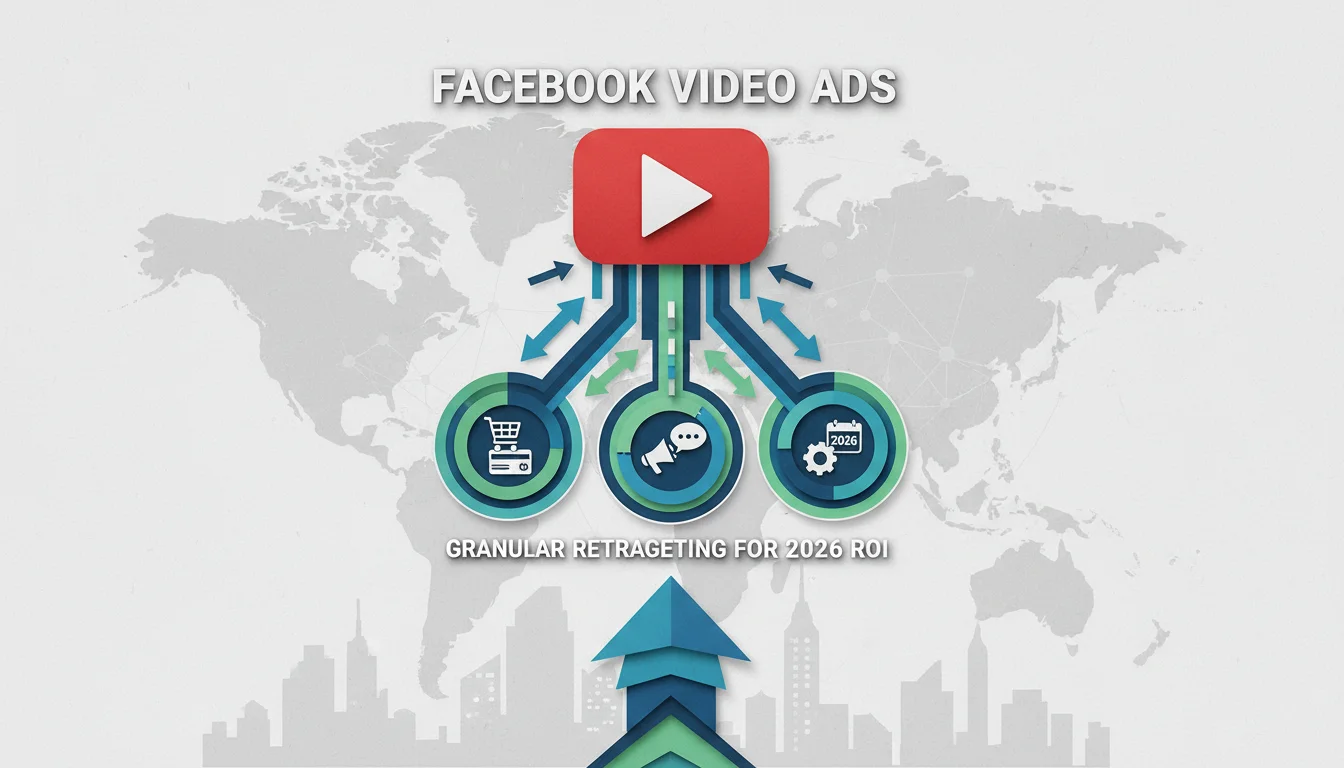
The days of simply retargeting anyone who visited your website are long gone. In 2026, the data indicates that audience segmentation is the bedrock of successful Facebook video ad retargeting campaigns. A study by eMarketer (emarketer.com) highlighted that campaigns employing three or more distinct audience segments saw a 27% higher conversion rate compared to those using fewer. My experience aligns with this. A one-size-all approach to retargeting video ads often leads to wasted impressions and diminished returns. Instead, we need to think about user intent and engagement depth. Consider a user who watched 90% of a product demo video versus someone who watched only 10%. Their intent and interest levels are vastly different, and your retargeting message should reflect that. We routinely create custom audiences based on video engagement percentages (e.g., viewed 75% or more of a specific video), time spent on site, specific product page views, and even cart abandonment without initiation of checkout. This level of granularity allows for hyper-relevant video content that addresses specific pain points or reinforces value propositions precisely when a user is most receptive.
Dynamic Video Ads: Personalization at Scale
One of the most impactful developments in Facebook video ads for retargeting has been the refinement of dynamic video ad capabilities. Nielsen’s “Global Trust in Advertising” report (nielsen.com) consistently shows that personalized ads resonate more strongly with consumers. In 2026, this isn’t just about showing a product they viewed. It’s about presenting a compelling video narrative around it. Imagine a user browses three different blenders on your e-commerce site. A dynamic video ad can automatically generate a short video showing those specific blenders, perhaps highlighting their unique features or a comparison. This level of automation, powered by your product catalog and Meta’s Dynamic Ads system, dramatically reduces the manual effort involved in creating countless ad variations. The key here is ensuring your product feed is carefully maintained and your video templates are designed for flexibility. If your product feed is messy, or your video creative isn’t modular, you’ll struggle to capitalize on this. It’s a technical prerequisite many overlook.
Sequential Storytelling: Guiding the Customer Journey
The conventional wisdom often suggests hitting users with the strongest conversion message immediately in retargeting. I disagree. For higher-consideration products or services, a single ad rarely closes the deal. Instead, sequential storytelling with video is proving to be a more effective strategy. Data from HubSpot’s marketing statistics (hubspot.com/marketing-statistics) indicates that consumers often need multiple touchpoints before making a purchase. This means structuring your retargeting campaigns to deliver a series of video ads, each building upon the last, guiding the user through a defined sales funnel. For instance, the first video might be a brand awareness piece for users who engaged minimally. The second could be a product feature deep-dive for those who showed more interest. The third, a testimonial or a limited-time offer for those who added to cart but didn’t purchase. This approach acknowledges the non-linear nature of modern purchasing decisions and uses video’s inherent ability to convey emotion and information effectively over time. Setting up these sequences correctly within Meta’s Campaign Budget Optimization (CBO) and ad set targeting allows for a controlled progression.
Using Offline Data for Superior Matching
In 2026, the lines between online and offline customer interactions are increasingly blurred. One of the most underutilized tactics for enhancing Facebook video ad retargeting is the integration of offline conversion data. According to Meta’s Business Help Center (facebook.com/business/help) documentation, uploading customer lists with purchase history, CRM data, or even brick-and-mortar visit data can significantly improve audience matching. By using Meta’s Advanced Matching feature, you can feed hashed customer information (like email addresses or phone numbers) into the system. This allows Meta to match a higher percentage of your offline customers with their Facebook profiles, creating more strong custom audiences. For example, if a customer visited your physical store but didn’t purchase, you can retarget them with a video ad showing new arrivals or a special in-store promotion. This bridges the gap between channels and ensures your video ad spend is reaching actual, high-value prospects, regardless of where their journey began. Neglecting this integration leaves a substantial portion of potential conversions on the table.
Beyond the Click: Post-Conversion Retargeting and Exclusion
Many marketers view retargeting as solely a pre-conversion play. This is a mistake. In 2026, effective retargeting extends beyond the initial purchase, focusing on customer lifetime value (CLTV) and preventing ad fatigue. The goal isn’t just to make a sale, but to foster loyalty and encourage repeat business. After a conversion, you should immediately exclude those purchasers from your primary conversion-focused retargeting campaigns. Showing someone an ad for a product they just bought is not only annoying but also a waste of budget. Instead, segment these customers into a new audience. Retarget them with video ads showing complementary products, loyalty program benefits, or educational content that helps them get the most out of their recent purchase. For example, a video tutorial on how to use a newly purchased software. This builds goodwill and positions your brand as a helpful resource. Regularly auditing your exclusion lists to ensure recent buyers are not being repeatedly targeted with irrelevant ads is a basic, yet frequently overlooked, maintenance task that pays dividends in both customer experience and budget efficiency. The field of Facebook video ads and retargeting is constantly shifting, but by focusing on granular segmentation, dynamic creative, sequential storytelling, smart offline data integration, and intelligent post-conversion strategies, marketers can build highly effective campaigns that deliver tangible returns in 2026.
What is the optimal video length for Facebook retargeting ads?
While there’s no single “optimal” length, data suggests shorter videos (15-30 seconds) often perform best for initial retargeting touchpoints, grabbing attention quickly. Longer videos (1-2 minutes) can be effective for deeper engagement in a sequential campaign, particularly when showing product benefits or testimonials to warmer audiences.
How frequently should I show retargeting ads to a user?
Ad frequency depends on your product, price point, and audience. A good starting point is 3-5 impressions per user per week. Monitor your frequency metrics and ad fatigue indicators (like declining click-through rates or increasing cost per click) to adjust. High-value, complex products might tolerate slightly higher frequency for sequential messaging.
What types of video content work best for retargeting?
Product demos, customer testimonials, user-generated content, behind-the-scenes glimpses, and limited-time offer announcements perform well. The key is to match the video content to the user’s stage in the buying journey. For instance, a user who abandoned a cart might respond best to an ad highlighting a special discount or free shipping.
Can I retarget users who interacted with my Instagram profile using Facebook video ads?
Yes, through Meta Business Suite, you can create custom audiences based on interactions with your Instagram business profile, including video views, profile visits, and post engagement. These audiences can then be used for retargeting campaigns on both Facebook and Instagram, using the integrated platform capabilities.
How can I prevent ad fatigue in my retargeting campaigns?
Implement strict frequency caps, regularly refresh your video creatives, and segment your audiences to show different messages to different groups. Critically, ensure you’re excluding recent purchasers and those who have already converted from your active retargeting pools. Varying your ad formats and messaging also helps keep content fresh.


