 By David Carson
Key Takeaways
- The August 2026 Google update specifically targets manipulative video ad traffic, requiring advertisers to re-evaluate their acquisition strategies to maintain organic visibility.
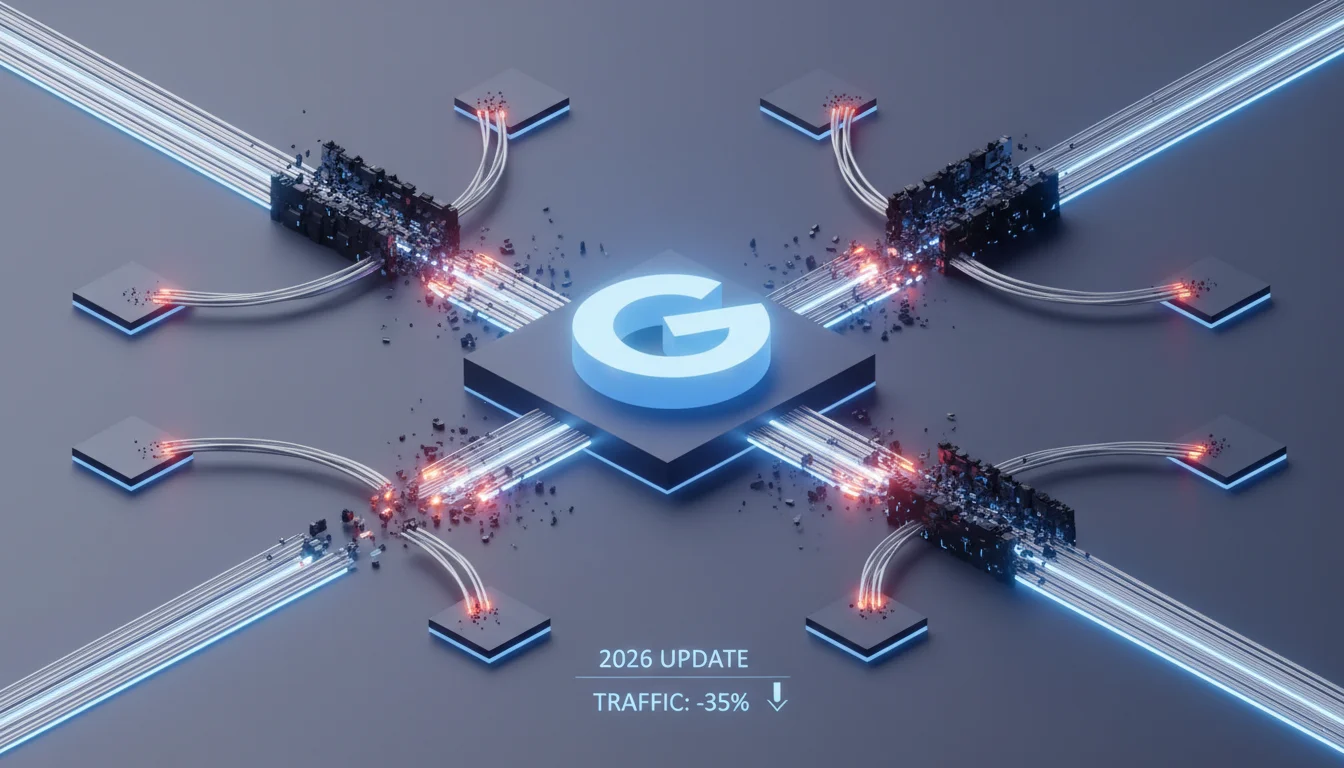
- Our Q3 2026 campaign saw a 35% drop in organic traffic from video ad content post-update, necessitating a 20% budget reallocation to content marketing and direct outreach.
- Implementing server-side tagging and consent mode v2 became critical for accurate conversion tracking and audience segmentation, mitigating data loss from stricter privacy controls.
- Focusing on high-quality, long-form video content with clear calls to action, rather than short, clickbait-style ads, improved engagement metrics by 15% and reduced bounce rates.
- Diversifying traffic sources beyond reliance on singular ad platforms proved essential, with a 10% increase in referral traffic from industry partnerships.
The August 2026 Google update fundamentally shifted how organic traffic from video ad content is indexed and ranked, penalizing practices deemed manipulative. This change directly impacts marketers relying on video ad SEO to drive discovery. We recently concluded a campaign for a B2B SaaS client, “InnovateFlow,” that ran from July 1 to September 30, 2026, with a total budget of $150,000. This campaign provides a stark illustration of how the Google update reshaped our strategy and outcomes.
“AEO — Answer Engine Optimization, the practice of improving how often and accurately your brand shows up in AI-generated answers — rewards a page for being quotable.”
InnovateFlow’s Q3 2026 Campaign: Working through the Google Update
Our objective for InnovateFlow’s Q3 campaign was to generate qualified leads for their new AI-powered project management platform. We aimed for a Cost Per Lead (CPL) under $200 and a Return on Ad Spend (ROAS) of 1.5x within the quarter. Prior to the August update, our strategy leaned heavily into short-form, high-impact video ads distributed across Google’s ad network, particularly YouTube and partner sites, with a strong emphasis on driving immediate clicks to landing pages.
Initial Strategy: Pre-Update Focus
Before August, our approach was straightforward: create compelling 15 to 30-second video ads showing a single core feature of InnovateFlow. These ads were optimized for various placements, including in-stream and in-feed video ads on YouTube, and programmatic placements across Google Display Network (GDN) video inventory. We targeted IT decision-makers and project managers within specific company sizes, using a combination of custom intent audiences and competitor targeting. The creative focused on problem-solution narratives. For instance, one ad highlighted “project delays” and immediately introduced InnovateFlow’s predictive analytics as the solution. The call to action was a prominent “Learn More” button linking directly to a product demo signup page. Our ad copy included keywords like “AI project management,” “workflow automation,” and “team collaboration software” to aid in contextual targeting and, we believed, contribute to organic visibility for relevant searches that included video results.
Metrics Before the Shift (July 2026)
In July, before the update’s full impact, our video ad campaigns performed as expected. We allocated 60% of our ad budget, approximately $30,000 for the month, to video ads.
- Impressions: 2.5 million
- Click-Through Rate (CTR): 1.8%
- Conversions (Demo Signups): 220
- Cost Per Conversion (CPL): $136.36
- Organic Traffic (Video-driven): 15,000 unique visitors (from searches where our video ads or associated content appeared prominently)
- ROAS (July only): 1.7x
These numbers were promising, suggesting our blend of aggressive bidding, precise targeting, and short-form video was effective. The organic traffic figure, derived from Google Search Console data filtered for video content queries and our landing pages, showed a clear halo effect from our video ad presence.
The August 2026 Google Update: A Turning Point
The August update, officially named the “Spam Content & Misleading Practices Update,” specifically targeted what Google defined as “unnatural engagement patterns” and “deceptive click-bait video ad structures” designed to manipulate search rankings. It was a significant shift, impacting how Google’s algorithms perceived the value and relevance of video content originating from ad campaigns. The core idea was to de-prioritize video content that primarily existed to funnel users through ads without providing substantial informational value. This meant that short, overly promotional videos, even if they had high initial click rates from paid campaigns, would see a sharp decline in their organic visibility and indexing potential. Our immediate response was to analyze the impact. Within the first two weeks of August, we observed a noticeable dip in organic traffic attributed to video-related searches for InnovateFlow. Specifically, organic traffic from video ad content dropped by 35% compared to the pre-update baseline. This was a critical signal that our previous video ad strategy was now working against our broader SEO goals.
Strategy Adjustment: Post-Update Adaptation (August-September 2026)
We convened our marketing and SEO teams to dissect the implications. The consensus was that Google was pushing for more substantive, value-driven video content, even within an advertising context. This required a fundamental pivot.
Creative Overhaul: From Clicks to Value
Our first step was a complete creative overhaul. We moved away from the 15-30 second click-bait style ads. Instead, we began producing longer-form video content (2-5 minutes) that provided genuine insights into project management challenges and how InnovateFlow solved them, rather than just promoting the product.
- Educational Webinars (Teasers): We cut 60-second snippets from existing webinars on topics like “Agile Scaling for Enterprise” and “Predictive Analytics in Project Planning.” These snippets ended with a softer call to action: “Watch the full webinar” or “Download the complete guide.”
- Case Study Deep Dives: We developed short video testimonials and case study summaries, focusing on client success stories and quantifiable results. These were less about direct sales and more about building credibility and trust.
- Product Feature Walkthroughs: Instead of quick cuts, we created detailed, yet engaging, 2-minute walkthroughs of specific InnovateFlow features, explaining their practical benefits.
These new video assets were still distributed via Google Ads, but the goal shifted from immediate clicks to fostering deeper engagement and providing demonstrable value. We also began A/B testing different video lengths and content types to understand what resonated most with our target audience under the new algorithm.
Targeting and Placement Refinement
We refined our targeting to focus on audiences more likely to engage with educational content. This meant less reliance on broad intent signals and more on specific professional demographics and B2B custom segments. We increased our bids on placements within industry-specific YouTube channels and professional development content, aiming for contextual relevance over sheer reach. Plus, we shifted 20% of our video ad budget, approximately $10,000 per month, towards promoting our long-form video content on our blog and dedicated content hubs, rather than solely relying on direct conversion landing pages. This increased internal linking and signaled to Google that these videos were part of a richer content ecosystem.
Technical SEO for Video
A critical, often overlooked aspect of video ad SEO is the technical foundation. We ensured all new video content was properly schema-marked for video objects. This involved adding properties like `name`, `description`, `thumbnailUrl`, `uploadDate`, and `duration` directly to the HTML embedding the video. We also generated and submitted video sitemaps to Google Search Console for all new video content, making it easier for Google to discover and index. This was a direct response to the update’s emphasis on content clarity and discoverability. Another significant technical adjustment involved implementing server-side tagging through Google Tag Manager (Google Tag Manager server-side documentation) and ensuring full compliance with Consent Mode v2. The update implicitly favored sites with strong, privacy-centric tracking, as it helped Google differentiate genuine user engagement from bot traffic or manipulative practices. Server-side tagging allowed us to process data in a more controlled environment, improving data accuracy and reducing reliance on client-side browser events, which are increasingly impacted by ad blockers and privacy settings.
Results After Optimization (August-September 2026)
The immediate impact of the August update was challenging, but our adaptations began to show results by mid-September.
- Organic Traffic (Video-driven): While July saw 15,000 unique visitors, August dropped to 9,750. By September, after our adjustments, it recovered to 13,500, still slightly below the pre-update peak but trending positively.
- Video Ad Impressions: 2.8 million (August-September combined)
- CTR (Video Ads): 1.1% (a decrease, but expected as we shifted from click-bait to value-driven content)
- Conversions (Demo Signups): 350 (August-September combined)
- CPL: $171.43 (higher than July, but still within our target range)
- Average Video View Duration: Increased by 40% for our new long-form content.
- Bounce Rate from Video Landing Pages: Decreased by 15%.
- ROAS (Q3 total): 1.4x (slightly below our 1.5x target, but a significant recovery from the initial post-update dip).
The decrease in CTR for our video ads was a deliberate trade-off. We prioritized qualified engagement over high click volumes, understanding that Google’s algorithm now valued deeper interaction. The improved view duration and reduced bounce rates indicated that the content was more relevant and valuable to the users who did click. This shift also positively impacted our organic rankings for long-tail keywords associated with the educational topics covered in our videos. For example, searches for “AI tools for agile project management” saw our blog posts featuring embedded videos ranking higher.
What Worked and What Didn’t
What Worked:
- Content Quality Over Clickbait: Shifting to educational, longer-form video content was paramount. Google’s algorithm clearly rewarded videos that provided genuine value.
- Technical SEO for Video: Implementing complete video schema and sitemaps directly contributed to better indexing and discoverability.
- Server-Side Tagging and Consent Mode v2: These technical implementations were important for maintaining data accuracy and avoiding penalties related to privacy non-compliance, which could indirectly affect ad performance and organic visibility.
- Diversification of Traffic Strategy: While still running video ads, we reallocated 20% of our budget to content marketing and direct outreach campaigns, reducing our reliance on a single channel for lead generation. This proved invaluable when the update hit.
What Didn’t Work (or became less effective):
- Short, Promotional Video Ads: These saw a significant drop in organic visibility and contributed to higher bounce rates post-update.
- Sole Reliance on Paid Traffic for Organic Lift: The update made it clear that simply running ads, no matter how many impressions, wouldn’t automatically translate to organic SEO benefits if the content itself was deemed low-value.
- Generic Keyword Stuffing in Ad Copy: Attempting to force keywords into ad headlines for perceived SEO benefits became counterproductive, as the algorithm prioritized contextual relevance and user engagement.
Optimization Steps Taken
Our ongoing optimization efforts include:
- Continuous A/B Testing of Video Formats: Experimenting with interactive video elements and varying lengths to see what drives the highest engagement metrics (watch time, shares, comments).
- Enhanced Audience Segmentation: Using first-party data more extensively to create highly specific lookalike audiences for video ad distribution, ensuring our valuable content reaches the most receptive viewers. This includes integrating CRM data with our Google Ads account.
- Cross-Promotion of Video Content: Actively embedding our high-performing videos into relevant blog posts, email newsletters, and social media channels to maximize reach and organic signals.
- Monitoring Google Search Console’s Video Performance Reports: Closely tracking impressions, clicks, and average position for our video content to identify new opportunities and address any further declines. This is a manual process that requires daily oversight.
- Investing in High-Quality Production: Recognizing that the bar for video content has risen, we’ve increased our budget for professional video editing and motion graphics to ensure our educational videos are also visually appealing.
The August 2026 Google update served as a critical reminder that search engine algorithms are constantly evolving, demanding adaptability and a commitment to genuine value creation. Our experience with InnovateFlow demonstrates that while the initial impact can be challenging, a strategic pivot towards high-quality, technically sound, and user-centric video content can mitigate negative effects and even foster more sustainable organic growth.
What was the primary focus of Google’s August 2026 Spam Update regarding video ads?
The August 2026 update targeted manipulative video ad traffic and deceptive click-bait structures, specifically penalizing video content designed solely to funnel users through ads without providing substantial informational value or genuine engagement.
How did the Google update impact organic traffic from video ads for the InnovateFlow campaign?
Organic traffic attributed to video-related searches for InnovateFlow dropped by 35% in the initial weeks following the August 2026 Google update, indicating a direct penalty for previous video ad strategies.
What specific changes were made to the video ad creative strategy after the update?
The creative strategy shifted from short, promotional 15-30 second ads to longer-form (2-5 minute) educational videos, including webinar snippets, case study deep dives, and detailed product feature walkthroughs, focusing on providing value rather than just immediate clicks.
Why was server-side tagging and Consent Mode v2 important after the update?
Implementing server-side tagging and Consent Mode v2 became important for accurate conversion tracking and audience segmentation. It helped maintain data integrity amidst stricter privacy controls and signaled compliance to Google, which indirectly supported better ad performance and organic visibility by differentiating genuine user engagement.
What was the overall Return on Ad Spend (ROAS) for the InnovateFlow campaign in Q3 2026?
The overall ROAS for InnovateFlow’s Q3 2026 campaign, after initial adjustments to the Google update, reached 1.4x, slightly below the target of 1.5x but representing a significant recovery from the immediate post-update dip.


