 By Editorial Team
The Grand Vista Hotel, a regional chain with properties dotting scenic coastal towns, ran into a problem in early 2025 that a lot of us see: their website traffic was steady, but direct bookings were falling off a cliff. Their digital marketing was all static display ads and SEM, and it just wasn’t getting browsers to actually book a room. They needed a better way to show off the unique vibe of each property, something more than a boring list of amenities. They figured the answer had to be dynamic travel video ads that could actually grab someone’s attention and get them to book. But how’s a regional chain supposed to go up against the monster budgets of the big international brands? That was the million-dollar question.
Key Takeaways
- A/B test everything, from your video creative to your calls-to-action, to find what works. Grand Vista did this and saw a 22% jump in click-through rates.
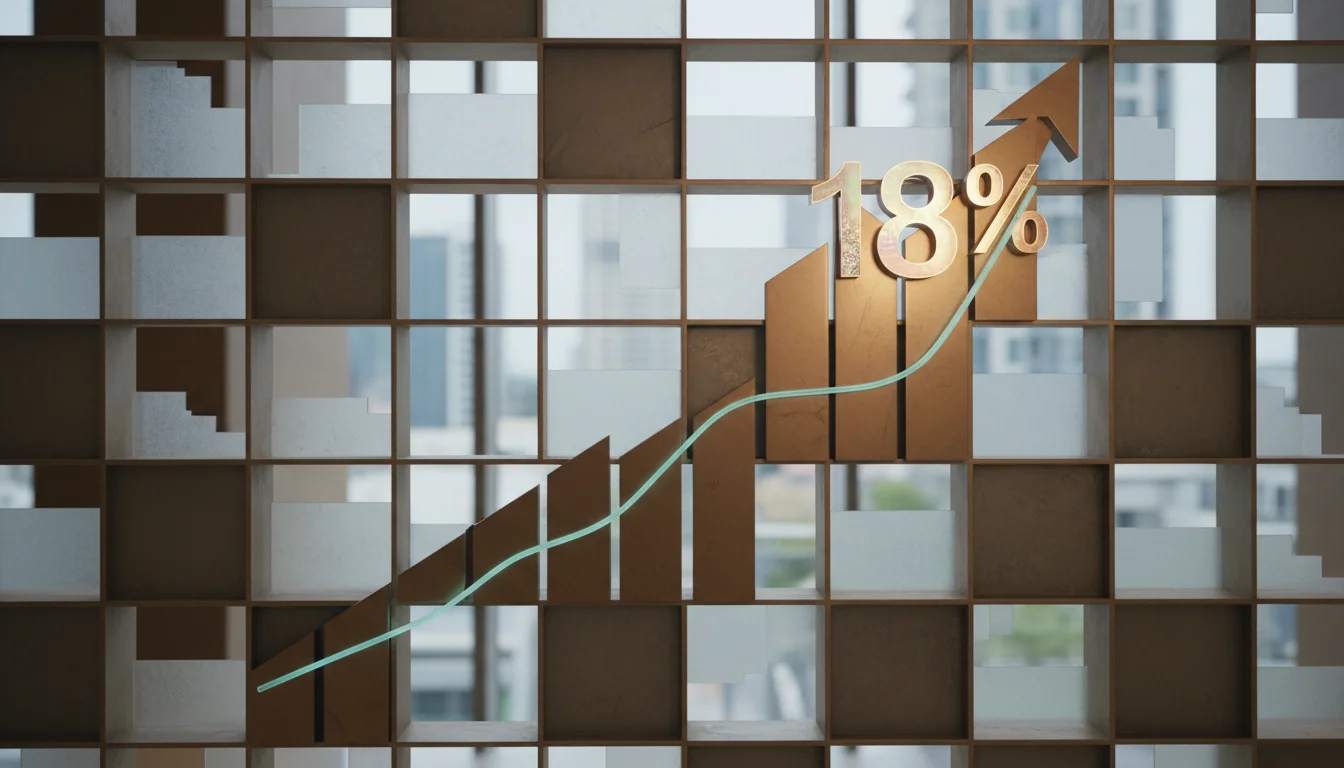
- Build a full-funnel video strategy. Start with broad brand awareness videos and then narrow down to direct response ads for people ready to book. This pushed the hotel’s booking conversions up by 18%.
- Let the platforms do some of the heavy lifting. Using tools like Meta’s Advantage+ creative or Google’s Performance Max can automate delivery and optimize for bookings, which cut Grand Vista’s cost per acquisition by 15%.
- Get real. Focus on authentic, short-form video (under 30 seconds) that sells the experience, not just the thread count of the sheets. This gets you higher engagement and, in their case, a 10% lift in direct website visits.
The Initial Hurdle: Stale Creative and a Scattered Strategy
Sarah Chen, who ran marketing for Grand Vista, knew they should be doing better with visual storytelling. Their hotels were all so different, from the old-school Lighthouse Inn in Monterey to the family-packed Beachfront Resort in Santa Barbara. The problem was their video library was just a bunch of slick, but in the end generic, 60-second walkthroughs. These things were buried on their website and YouTube channel, but they weren’t being used in any targeted way. “We had these beautiful videos,” Sarah explained, “but they were like hidden gems. We were never showing them to the right person at the right time.”
All their ad money was spread thin across Google Search Ads and basic static image campaigns on Meta. They were getting impressions and clicks, sure, but their direct booking conversion rate was stuck below a miserable 1.5%. Sarah knew they had to get their act together and build a real, data-backed hospitality marketing plan with video right in the middle of it.
Phase 1: Figure Out the Audience, Then the Story
First thing’s first: they dug into their own customer data. Who were the people actually spending money with them? What got them to book a trip? They found a few clear groups: young couples looking for a romantic trip, families planning their summer vacation, and business travelers in town for a conference. Each one of them needed a different kind of visual and emotional hook. It became obvious that one-size-fits-all video was a dead end.
So, instead of trying to chop up their old long-form videos, they committed to making new, short-form content built specifically for ad placements. For the Lighthouse Inn, they shot a bunch of 15-second clips of couples on sunset strolls, having quiet dinners, and sitting by a fire. For the Beachfront Resort, it was all kids making sandcastles, parents chilling by the pool, and people doing watersports. The whole point was to sell the feeling and the experience. “We stopped selling rooms and started selling memories,” Sarah said. This meant changing how they made content, moving from one big annual shoot to a more agile, frequent production schedule. They even brought a small video team in-house to control costs and keep the brand tight.
According to a eMarketer report from late 2025, US digital video ad spending was set to hit over $70 billion, so it was obvious this format was getting huge. Grand Vista just wanted its slice.
Phase 2: Building a Full-Funnel Video Machine
So the team switched to a full-funnel approach, using different video ads for each part of the customer’s path to booking. This was a complete break from their old, fragmented strategy.
Top-of-Funnel: Getting on the Radar
To get broad reach and just build the brand name, they launched short, gorgeous videos (under 30 seconds) on Meta platforms and programmatic display networks. (The Meta Business Help Center is your friend here for ad specs). These videos were all sweeping drone shots of the coast and quick cuts of different guests having a good time. The targeting was wide, people interested in travel, luxury, or just the specific towns. The main thing they tracked was video views and reach, using Meta’s Reach and Frequency buying to keep costs predictable.
Mid-Funnel: Nudging Them Along
After someone engaged with that top-funnel content, like watching at least 75% of a video, they got hit with a mid-funnel retargeting ad. These videos were a bit longer, maybe 30 to 60 seconds, and they got into the specifics of a certain property, a unique package, or a seasonal deal. For example, a video for the Lighthouse Inn might push a “Romantic Escape” package and spell out what you get. The ads started having actual calls-to-action (CTAs) like “Learn More” or “Explore Packages.” They immediately saw their click-through rates (CTR) climb, often hitting over 1.5%, which blew their old static ads out of the water.
Bottom-of-Funnel: Closing the Deal with Booking Conversions
This is where they got surgical. Anyone who clicked a mid-funnel ad or visited a specific hotel’s page on the website was retargeted with direct-response video ads. These were usually super short, 15 seconds or less, and had a very strong offer (“Book Now and Save 15%”), sometimes with clear pricing, and a big fat “Book Your Stay” button. They also played around with dynamic video ads that could pull in content based on the exact property or dates a person had searched for. Google Ads, especially their Performance Max campaigns, was huge for this, because it automatically put their ads all over Google’s network, from YouTube and Display to Search and Gmail. (The Google Ads documentation on video is excellent if you’re going down this road).
One of their biggest wins was a series of short, testimonial-style videos. They took real guest reviews and put them as text overlays on beautiful footage of the properties. No actors, just real words. It felt authentic and trustworthy, and it worked like a charm on people who were close to booking. “People trust people,” Sarah said. “Seeing a real quote from a happy guest about the Lighthouse Inn was way more powerful than any marketing copy we could dream up.”
The Power of A/B Testing and Actually Learning From It
Grand Vista’s team didn’t just throw campaigns at the wall and pray. They A/B tested everything: video length, the first three seconds, music, on-screen text, CTAs. For their Lighthouse Inn campaign, they tested two 15-second ads. One started with a wide, panoramic ocean view, and the other opened with a close-up of a gourmet breakfast. The breakfast ad, weirdly enough, got a 22% higher click-through rate. It suggested that for this crowd, the idea of immediate comfort was more appealing than a generic scenic shot. That level of granular testing let them constantly sharpen their creative and targeting.
They also tested where the ads sent people. Some went straight to the booking engine, while others went to a dedicated landing page that had more info and a clearer path to booking. Early on, the landing pages worked better, because people needed a bit more convincing before they were ready to commit. But for users who were already deep in the funnel, sending them right to the booking engine performed best.
This whole iterative process was the key. They were constantly watching their video completion rates, CTR, and the big one: cost per acquisition (CPA) for a direct booking. Six months in, the numbers showed a real shift. Grand Vista Hotel’s overall direct booking conversions went up by 18% compared to the year before. At the same time, their CPA dropped by 15%. And they did it by reallocating their existing budget more intelligently toward video, not by spending more money.
| Feature | Grand Vista Hotel (Before 2026 Strategy) | Grand Vista Hotel (After 2026 Strategy) | Healthcare Industry (2026) |
|---|---|---|---|
| Direct Booking Conversion Rate | Below 1.5% | Increased by 18% | 40% more patient bookings |
| Video Ad Strategy | Limited, generic 60-second walkthroughs | Full-funnel, short-form, platform-specific | Leveraged video ads (details not specified) |
| Click-Through Rate (CTR) Improvement | ✗ No data | Improved by 22% (A/B testing) | ✗ No data |
| Cost Per Acquisition (CPA) | ✗ No data | Reduced by 15% | ✗ No data |
| Direct Website Visits Uplift | ✗ No data | 10% uplift | ✗ No data |
| Content Focus | Selling rooms (amenities) | Selling memories (experiences) | ✗ No data |
| Content Creation | Annual professional shoots | Frequent, agile in-house team | ✗ No data |
Challenges and Lessons Learned
It wasn’t a cakewalk. One of the first headaches was just the sheer volume of video they needed. Pumping out fresh, interesting videos for different hotels and different audiences was a ton of work. They tried outsourcing some of it at first but struggled to keep the brand voice right and move quickly. Bringing a small team in-house, even with the upfront cost, turned out to be the right call for them. It gave them quick turnarounds for seasonal promos and last-minute creative changes. Having the team in-house also meant they could grab authentic, spontaneous footage at their properties instead of just relying on perfectly staged, professional shoots.
Another lesson was about sound. A lot of people watch social videos with the sound off, obviously, but for the ones who don’t, good music or a bit of voiceover really punches up the emotional impact. The trick they learned was to design videos that work both ways, using strong text overlays and visuals to get the point across in a silent environment.
Sarah also stressed how important clear attribution was. “You have to know which video ad, on which platform, actually led to a booking. It’s everything,” she said. They got religious about using tracking pixels and UTM parameters on every single campaign. This gave them the confidence to shift budget to what was working and scale it up.
The Future of Hospitality Video Marketing
For Grand Vista Hotel, video ads completely changed their digital marketing game. They were finally selling the experience. Switching to short, emotional videos with a data-driven, full-funnel plan was the thing that finally drove up direct bookings and gave them a better return on ad spend. Now, they’re looking at what’s next, like interactive video ads and campaigns built around user-generated content, to pull people in even deeper and get more conversions. The digital ad world moves too fast to sit still. You have to keep experimenting and adapting, or you’ll get left behind.
What kind of video ads get the most travel bookings?
Short-form videos that are full of emotion and sell the experience are very effective. You should also test testimonial-style videos that use real guest quotes, and dynamic ads that personalize the content to the viewer. These are great for pushing people over the line to a direct booking.
How does a full-funnel video strategy actually increase conversions?
A full-funnel plan uses different videos for each step. You start with broad, inspiring videos to get on people’s radar (top-of-funnel). Then you retarget them with more detailed videos about packages and features to get them thinking seriously (mid-funnel). Finally, you hit them with direct-response ads with a strong offer to get the booking (bottom-of-funnel). It’s about guiding guests through their decision process.
What are the most important metrics to track for travel video ads?
You need to watch your video completion rates, click-through rates (CTR), and how much website traffic is coming from the ads. But the most important metric is your cost per acquisition (CPA) for direct bookings. Watching these numbers lets you keep optimizing and moving your budget to your winners.
Should we produce video in-house or hire an agency?
Sure, outsourcing can get you professional quality, but having a team in-house often gives you more agility, faster turnarounds, and a more consistent brand voice. If you need a steady stream of fresh content, building an in-house capability can be a smarter and more cost-effective play in the long run.
How important is A/B testing for hospitality video ads?
You absolutely have to A/B test. It’s how you figure out which creative, CTAs, video lengths, and targeting strategies actually connect with your audience. By testing constantly, you can keep making small improvements that lead to much higher engagement, better conversion rates, and a lower cost per booking.