 By Editorial Team
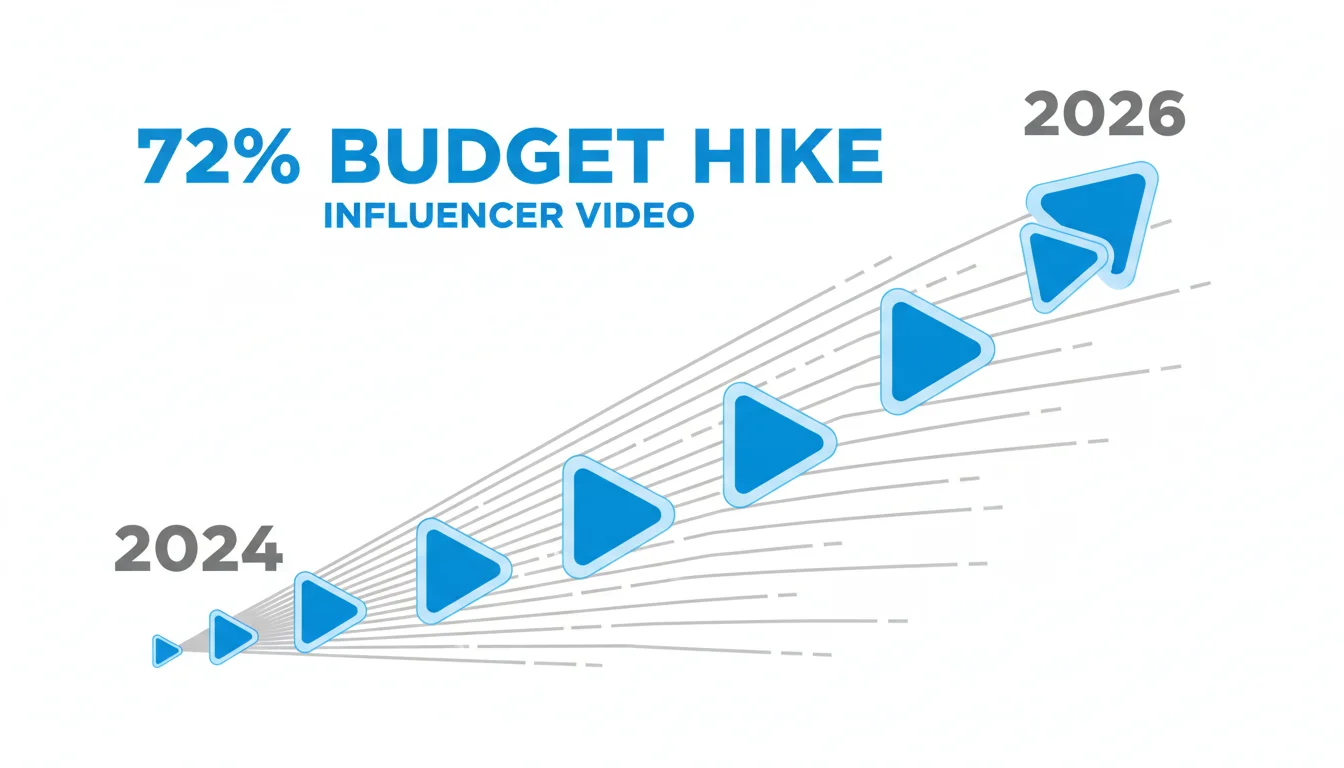
A full 72% of marketers are planning to up their influencer marketing spend in 2026, and it’s all because of video. This isn’t just about throwing a few bucks at creators for one-off posts anymore. Brands are now weaving influencer content into their main advertising plans, using tools like Facebook Brand Collabs Manager to do it right. The real work is figuring out how to run these campaigns to get the best possible return on that spend.
Key Takeaways
- According to industry benchmarks, video ads run through Facebook Brand Collabs Manager get an engagement rate 3.5 times higher than static posts.
- The most successful campaigns come from authentic creator partnerships, in fact, 60% of top-performers feature creators who were already genuine fans of the product.
- If you put at least 25% of your influencer budget toward paid amplification of creator content, you can expect to see conversion rates jump by 40% over campaigns that stick to organic reach alone.
- Using Facebook’s granular targeting tools with influencer content is a proven winner, hitting an average return on ad spend (ROAS) of 2.8:1 and easily beating out campaigns with broader targeting.
- To get the most out of your video ads, you have to analyze performance and tweak your creative briefs constantly, sometimes weekly, to hit your campaign goals.
The Engagement Multiplier: Video’s Dominance in Influencer Marketing
The 2026 data is clear: video content absolutely crushes static images on engagement. A report from the Interactive Advertising Bureau (IAB) (iab.com/insights) backs this up, showing video ads in influencer campaigns pull in an engagement rate 3.5 times higher than their static counterparts. This tracks with what we all see every day. People respond to movement and stories, which is exactly what video delivers, and when an influencer that people already follow and trust shows off a product in a video, the effect is even stronger. I’ve seen it a hundred times in my own campaigns, a creator actually *using* a product will always generate more comments, shares, and saves than one just holding it for a photo, which in the end means your ad budget isn’t just funding content people scroll right past.
Authenticity Drives Performance: The Creator-Product Fit
The fit between the creator and the product is everything. A 2025 eMarketer (emarketer.com) study found that in 60% of the best campaigns, the creators were already genuine fans of the product before the deal was signed. You have to find the right fit, not just the biggest name with the most followers. When a creator works a product into their content naturally, it comes across as a real recommendation instead of a clunky ad. People aren’t stupid. They can tell when a partnership is forced. I’ve personally watched huge campaigns with big-name influencers completely bomb because the product made no sense for their personal brand. On the flip side, I’ve seen smaller creators with a dedicated audience and a real love for a product knock it out of the park. It all comes down to doing your homework on the creator and being crystal clear in your briefs so that real enthusiasm comes through.
The Power of Paid Amplification: Beyond Organic Reach
Just hoping an influencer’s organic reach will be enough is a huge mistake. Data from HubSpot’s 2026 marketing statistics report (hubspot.com/marketing-statistics) shows that brands putting at least 25% of their influencer budget into paid amplification get a 40% bump in conversion rates. This is basic math. You take the best videos the influencers make and put money behind them on Facebook’s ad platform to push them out to a wider, yet very specific, audience. Facebook Brand Collabs Manager is built for this, letting you run the creator’s post as a branded ad under their name while you control the targeting. You get access to precise segmentation, lookalike audiences, and retargeting that organic posts could never touch. If you don’t pay to amplify the content, even a great influencer video ad is just shouting into the void.
Precision Targeting: The Untapped Potential
Too many brands use influencer campaigns for vague “awareness” and call it a day. The real money is made when you pair an influencer’s authentic video with Facebook’s deep targeting options. A 2025 Nielsen report (nielsen.com) found that this combination delivers an average return on ad spend (ROAS) of 2.8:1, blowing broad-targeted campaigns out of the water. We’re getting into psychographics and behavioral data here, not just age and location. Inside Facebook Brand Collabs Manager, you can see a creator’s audience insights and then build custom audiences based on that data. So if your influencer’s followers are all into eco-friendly products and hiking, your sustainable gear brand can create lookalike audiences based on those exact interests. That’s how you get your video ads in front of people who will actually buy something, turning views into sales.
Why “Set It and Forget It” is a Myth in Influencer Video Advertising
The idea that you can launch an influencer video ad and just walk away is a fantasy. I’ve seen too many campaigns fizzle out because the brand thought the work was done once the ad went live. You have to live in the data. For a video ad to really work, you need constant performance analysis and you have to be willing to adjust the creative brief, sometimes every week. You’re watching your engagement, your CTR, your conversions, and your cost per acquisition like a hawk. If an ad is underperforming, you need to know why. Is the hook weak? Is the CTA confusing? Is the video too long and people are dropping off? A small change to the ad copy, a new thumbnail, or a slight shift in the audience target can turn a failing ad into a winner. The best campaigns are the ones that are constantly being analyzed and tweaked, using the real-time reports you can get from Facebook Brand Collabs Manager. Your advertising deserves the same constant attention as your product development.
Things change fast in digital advertising, but influencer video ads just keep working, especially when you manage them properly with a tool like Facebook Brand Collabs Manager. It really boils down to finding authentic creators, being smart with your paid amplification, and never stopping your optimization. Do that, and you’ll get real, measurable results from your investment.
What is Facebook Brand Collabs Manager?
It’s Facebook’s platform for connecting brands with creators. You use it to find partners, manage branded content campaigns like video ads, and analyze how they’re performing.
How does influencer video content differ from traditional video ads?
Influencer videos work the product into the creator’s own style and story, so it feels more like a natural recommendation. Traditional video ads are usually made by the brand itself and feel much more like a straightforward commercial.
Can I use an influencer’s video ad for paid promotion outside of their organic reach?
Yes, and you absolutely should. Facebook Brand Collabs Manager lets you turn a creator’s video into a branded ad that you can push to a highly targeted audience. This is how you get way beyond their organic followers and seriously boost conversions.
What metrics should I track for influencer video ad campaigns?
You need to be watching engagement rate (likes, comments, shares), click-through rate (CTR), and conversion rate. Most importantly, track your cost per acquisition (CPA) and return on ad spend (ROAS). Also keep an eye on video view duration to see where people lose interest.
Is it better to work with a large influencer or several smaller ones for video ads?
It depends on the goal, but working with a handful of smaller, niche micro-influencers often beats putting all your budget on one big name. You get more authentic content, a more engaged audience, and you spread your risk out. The results are often better for video ads aiming for real connection.


