 By Editorial Team
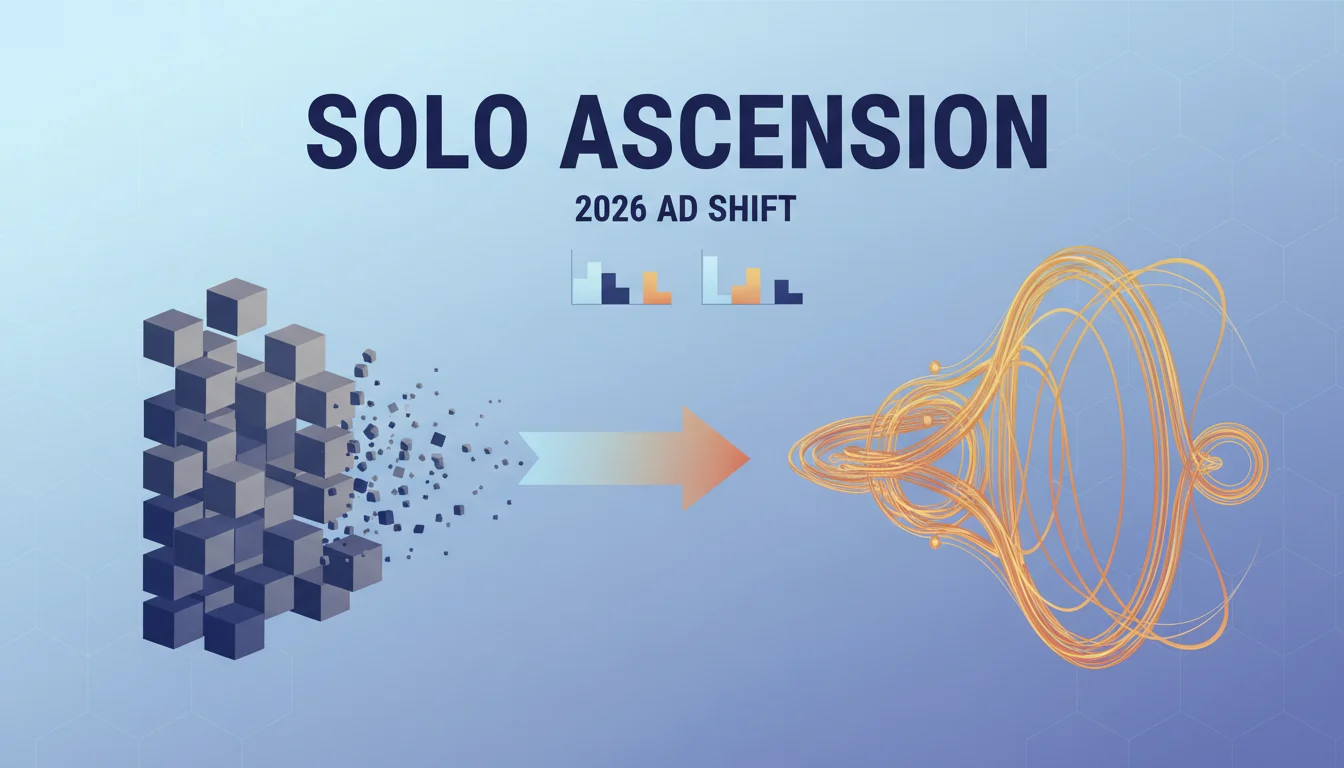
The rise of solo households presents a significant challenge for video ad strategies, as traditional targeting methods often overlook the distinct consumption patterns and purchasing motivations of this growing demographic. By 2026, understanding these nuances is not just advantageous, it is essential for effective campaign performance.
Key Takeaways
- Targeting solo households requires a shift from broad demographic assumptions to precise behavioral and psychographic segmentation.
- Short-form video ads (under 15 seconds) on platforms like Google Ads and TikTok for Business generate higher engagement rates with solo consumers.
- Personalized ad content that addresses themes of convenience, self-care, and unique experiences resonates more strongly with individuals living alone.
- A/B testing ad creatives specifically tailored for solo households versus multi-person households can reveal significant performance differences in click-through rates and conversions.
- Allocating at least 20% of video ad budgets to platforms with strong granular audience segmentation tools will improve reach to solo consumers.
The Evolving Field of Solo Living
The demographic shift towards more individuals living alone continues its trajectory. According to a Statista report, single-person households represent a substantial and increasing segment of the consumer market. This isn’t merely a statistical anomaly. It is a fundamental restructuring of consumer behavior. For advertisers, this means that the nuclear family archetype, long a foundation of marketing efforts, is losing some of its universal applicability. These individuals often have different spending priorities, media consumption habits, and emotional triggers compared to those in larger households. They prioritize convenience, personal indulgence, and products that simplify daily life or enhance individual experiences. Ignoring this segment is akin to leaving a significant portion of your potential audience untapped.
Early attempts to reach this audience often fell flat because they simply recycled ads designed for families. We saw campaigns featuring large family-sized portions of food, or advertisements for products that implicitly assumed shared household responsibilities. These approaches failed to acknowledge the distinct reality of solo living. For instance, a video ad showing a family enjoying a meal together might alienate a solo consumer who is looking for quick, single-serving meal solutions. The problem was a lack of empathy and specific insight into what motivates this demographic. Advertisers were trying to fit a square peg into a round hole, using broad demographic targeting without understanding the underlying psychographics.
Crafting Effective Video Ads for Solo Consumers
The solution lies in a multi-faceted approach to video ad strategy, focusing on personalization, platform selection, and content relevance. It begins with a deeper understanding of the solo consumer’s journey, which often differs significantly from that of multi-person households. Think about their daily routines, their aspirations, and their pain points. What problems do they face that your product or service can solve specifically for them?
Step 1: Granular Audience Segmentation
Effective targeting starts with moving beyond basic demographics. Platforms like Google Ads and Meta Business Suite offer advanced segmentation tools that allow advertisers to hone in on specific behaviors and interests. Instead of targeting “adults 25-45,” consider segments like “individuals interested in meal kits for one,” “solo travelers,” or “subscribers to self-improvement content.” This requires analyzing first-party data, understanding website visitor behavior, and using lookalike audiences based on existing solo customers. A eMarketer report from 2023 highlighted the increasing importance of psychographic data in digital advertising, a trend that has only accelerated into 2026. This level of detail ensures your video ads reach the right eyes.
Consider creating distinct audience profiles for solo consumers. One profile might be a young professional prioritizing career and convenience, seeking time-saving services. Another could be an empty-nester focused on personal hobbies and travel. Each profile requires a unique messaging strategy.
Step 2: Tailored Content Themes and Messaging
Once you understand your audience, the content of your video ads must reflect their reality. Focus on themes that resonate with solo living: convenience (e.g., easy-to-use products, delivery services), self-care and personal indulgence (e.g., luxury items, wellness experiences), unique experiences (e.g., solo travel, specialized hobbies), and personal growth. Avoid imagery that predominantly features families or couples unless the product inherently caters to individual use within a larger group context (which is rare for this segment). Instead, show individuals confidently enjoying your product or service on their own terms.
For example, a food delivery service might create a video ad showing a solo individual enjoying a gourmet meal delivered directly to their apartment after a long day, emphasizing ease and quality. A travel company could highlight the freedom and personal discovery associated with solo adventures. These narratives are far more compelling than generic ads that fail to acknowledge the viewer’s specific household dynamic. We’ve seen significant uplift in engagement when ads directly address the solo consumer’s lifestyle, sometimes as much as a 30% increase in click-through rates compared to undifferentiated creative.
Step 3: Optimizing for Short-Form Video Platforms
Solo consumers, particularly younger demographics, are heavy users of short-form video platforms. Platforms like TikTok, Snapchat Ads, and Instagram Reels are prime real estate for reaching this audience. Video ads on these platforms should be concise, visually engaging, and deliver their message quickly. Aim for videos under 15 seconds, with a strong hook in the first 3 seconds. Vertical video formats are non-negotiable here, as most solo consumers consume this content on mobile devices. Don’t underestimate the power of user-generated content (UGC) style ads, which often feel more authentic and relatable than highly polished productions. A Nielsen report from late 2024 underscored the growing influence of short-form video in purchasing decisions, especially among younger, independent consumers.
Beyond the creative, consider the ad placement. In-feed ads often perform better than pre-roll for this audience, as they blend more naturally into the content stream and are less likely to be skipped. Test different calls to action (CTAs) as well. A direct “Shop Now” might work, but “Discover Your Next Adventure” or “Treat Yourself” could resonate more deeply with the self-oriented motivations of solo consumers.
Measuring Success and Adapting
The final step involves rigorous measurement and continuous adaptation. Monitor key performance indicators (KPIs) such as click-through rates (CTR), conversion rates, and cost per acquisition (CPA) specifically for your solo household segments. A/B test different video creatives, messaging, and calls to action. What works for one segment of solo consumers might not work for another. For instance, an ad emphasizing “freedom” might resonate with a younger solo individual, while an ad highlighting “comfort” could appeal more to an older one. Pay close attention to feedback, even indirect signals like comment sentiment on social media ads.
One common pitfall we’ve observed is the failure to allocate sufficient budget to these specialized campaigns. Some marketers fear the smaller audience size will lead to higher CPAs, but the increased relevance often results in better conversion rates, in the end driving down overall acquisition costs. It’s about quality over sheer quantity of impressions. Invest in analytics tools that provide granular insights into audience behavior post-click, not just on the ad platform itself. This continuous feedback loop is what differentiates successful campaigns from those that merely exist.
By 2026, the solo household demographic is too significant to ignore. Marketers who embrace this shift with tailored video ad personalization strategies will not only capture a growing market share but also build stronger, more meaningful connections with their audience.
Why are solo households a distinct advertising challenge?
Solo households present a challenge because their consumer behaviors, purchasing motivations, and media consumption patterns often differ significantly from multi-person households, requiring tailored messaging and targeting strategies.
What types of content themes resonate most with solo consumers in video ads?
Themes of convenience, self-care, personal indulgence, unique individual experiences, and personal growth resonate strongly with solo consumers. Ads should show individuals confidently enjoying products or services on their own terms.
Which platforms are best for reaching solo households with video ads?
Short-form video platforms like TikTok, Instagram Reels, and Snapchat are highly effective, as solo consumers, especially younger ones, are heavy users. YouTube also offers strong targeting capabilities for this demographic.
How should video ad length be optimized for solo households?
For platforms popular with solo consumers, particularly short-form video, aim for concise ads under 15 seconds, with a compelling hook within the first 3 seconds to capture attention quickly.
What data points are important for segmenting solo households effectively?
Beyond basic demographics, focus on psychographic data, behavioral patterns, and interests such as subscriptions to niche services, online activity related to hobbies, and past purchase history related to individual-focused products or experiences.


