 By Editorial Team
It was 2025. Sarah, the marketing director at “GreenThumb Gadgets,” a startup with a smart indoor gardening system, had a problem we all know: cutting through the digital noise. Their new hydroponic countertop unit was solid, but their usual digital ad campaigns were tanking. Sarah knew their target demo, 25-45 year old city dwellers, lived on social media and binged short-form video. So the real question was how to make their Twitter video ads actually work in a feed that refreshes itself every few seconds.
Key Takeaways
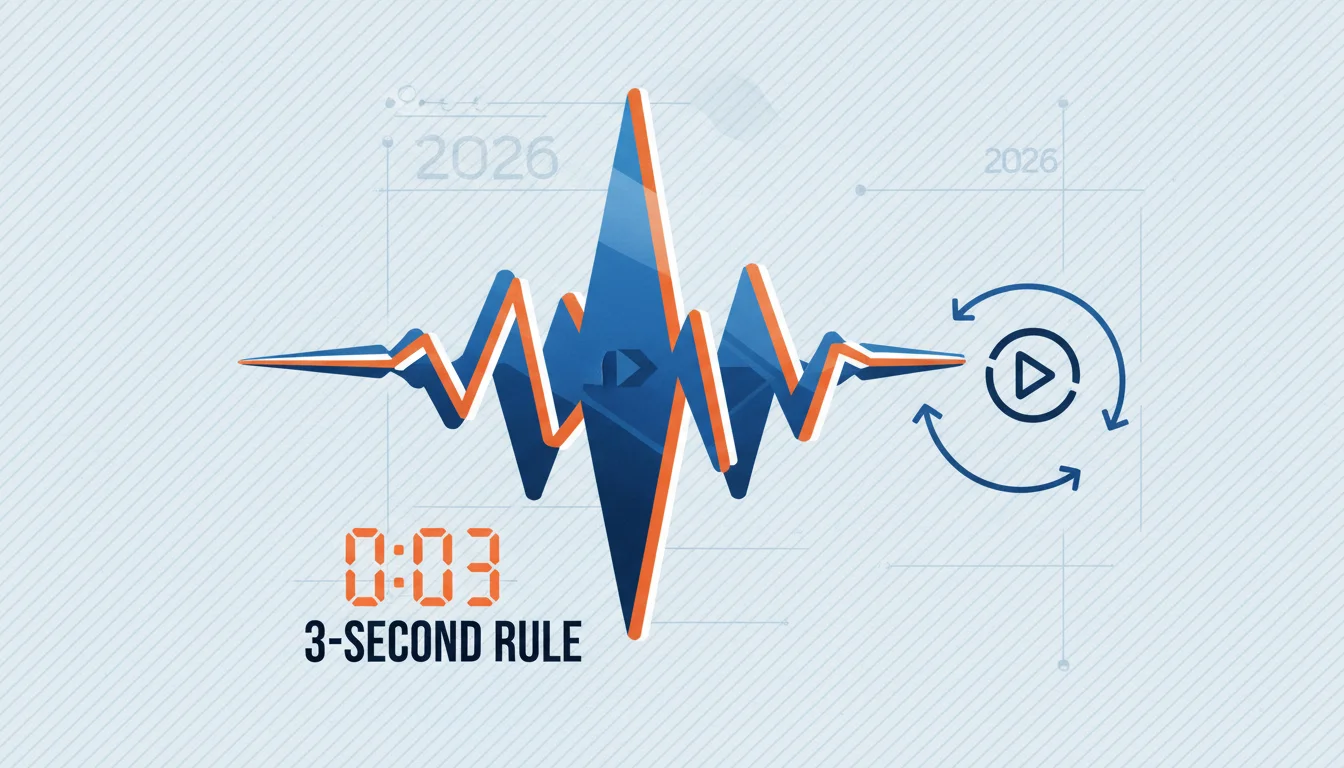
- The first 3 seconds are everything. Nail them, because 70% of your viewers are gone after that.
- A/B test at least three different video ad creatives every single week to find the hooks and CTAs that actually convert.
- Put 60% of your Twitter video ad budget toward custom audiences you’ve built from website visitors and existing customer lists.
- Use Twitter’s real-time trend targeting to connect your video content to what people are already talking about. It can boost contextual relevance by up to 40%.
- Keep your video ads between 6 and 15 seconds. It’s the sweet spot for engagement and completion rates, especially if you want a direct response.
The Initial Struggle: Generic Content in a Dynamic Environment
GreenThumb Gadgets had tried video before. Their first attempts on Twitter were just chopped-up 30-second versions of longer YouTube ads. A lot of these started with a slow-motion logo reveal or a drawn-out product explanation, which is a classic mistake. “We were essentially taking a long-form story and chopping it into bite-sized pieces, hoping it would still make sense,” Sarah reflected. “It didn’t.” The numbers were brutal: average view duration was often less than 5 seconds, and their click-through rates (CTR) were stuck around 0.5%, doing almost nothing for their website traffic goals. They were just burning money.
This just showed they didn’t get the platform. Twitter’s feed isn’t a curated show you sit down to watch. It’s a firehose of information. People scroll fast, looking for a quick hit of value or entertainment. An ad that doesn’t grab you by the collar in the first second is dead on arrival. A 2025 IAB report on digital video consumption confirmed that over 70% of mobile video ad viewers decide if they’re going to keep watching within the first three seconds. That’s a tough reality for marketers who are used to having a bit more time to make their point.
Shifting Strategy: Embracing Real-Time Marketing and Short-Form Content
Sarah knew they needed a complete overhaul. Her team started digging into campaigns that were actually working on Twitter and saw a clear pattern. The best ads weren’t just tiny commercials. They felt native to the platform’s speed and tone. This meant getting into real-time marketing and designing video specifically for short-form content consumption.
Their first real change was rewriting their creative brief. “Create a 30-second ad” became “create a 6-15 second video that stops thumbs and gets a click.” That one change forced them to think differently. Every single frame had to earn its spot. They boiled it down to three rules:
- Immediate Hook: The first 1-2 seconds had to be visually arresting or ask a question that made you want the answer.
- Show, Don’t Tell: Just show the product’s benefit happening, don’t waste time with a voiceover explaining it.
- Clear Call to Action (CTA): Put a simple, strong CTA on the screen early and leave it there.
GreenThumb Gadgets also began monitoring Twitter’s trending topics like a hawk. Sarah’s team saw they could make their ads feel more relevant by connecting with bigger conversations. For example, when “sustainable living” was trending, they ran a bunch of quick videos showing their hydroponic system cuts water use by 90% compared to a normal garden. They found genuine points of connection between their product and what people were already interested in. When this is done authentically, it gives engagement a serious lift. A recent eMarketer analysis even showed that ads using this kind of contextual relevance saw a 35% bump in engagement over generic campaigns.
The Creative Overhaul: Iterating with Data
The GreenThumb Gadgets team started prototyping, fast. They stopped trying to make one perfect, polished ad. They focused on speed and iteration, creating multiple short video ads every week, each with a different hook, look, or CTA. For instance, one ad would open with a time-lapse of a plant exploding with growth in their unit, another used a quick “Tired of wilted herbs?” problem/solution setup, and a third just ran a short clip from a user testimonial. This was a structured A/B testing approach.
They lived inside Twitter Ads Manager, tracking view-through rate (VTR), cost per view (CPV), and, most critically, the click-through rate to their product pages. What they found was that videos with a direct, almost aggressive demo of the product’s setup and use crushed everything else. A 10-second clip of someone unboxing the unit and getting it running in under a minute consistently beat the more “aspirational” lifestyle ads. This insight was gold: their audience wanted utility and they wanted it now.
One ad in particular went nuts. It opened on a tight shot of fresh basil being snipped from their unit, paired with a loud, crisp *snap* sound effect and the text overlay “Fresh Herbs. No Green Thumb Needed. (Seriously.)”. Their CTR jumped to 1.8%. That one tiny detail, the sound effect, made a huge difference because it conveyed the actual sensory experience of the product in a way a static image never could. Those granular details often separate a decent campaign from a great one.
Targeting Precision: Reaching the Right Eyes
Great creative was only half the battle. GreenThumb Gadgets also got surgical with their targeting. They quit using broad demographic targeting and dug into Twitter’s better options. They built custom audiences from their website traffic, specifically retargeting people who looked at product pages but didn’t buy. They also uploaded their customer lists to create lookalike audiences, letting Twitter’s algorithm find new people who behaved like their best existing customers. This precision meant their new, punchy videos were actually being seen by people who were likely to care.
On top of that, they layered in interest-based targeting, going after users who followed accounts about gardening, home decor, and smart home tech. They also used keyword targeting to hit anyone actively tweeting about “indoor garden,” “hydroponics,” or “grow vegetables at home.” This multi-layered segmentation jacked up their ad relevance scores, which directly lowered their cost per click (CPC) and made the whole operation more efficient. Great distribution is just as important as great creative. The best video in the world is a complete waste if you show it to the wrong people.
Measuring Success and Scaling Up
After three months of the new strategy, the results were night and day. GreenThumb Gadgets saw their average ad view duration climb by 60%, and their CTR more than tripled to an average of 1.9% on their best campaigns. Even better, the conversion rate from those ad clicks to actual sales went up by 45%. The days of burning budget were over, replaced by a clear return on ad spend (ROAS) that made it easy to ask for more budget.
Sarah emphasized this was a continuous process. “We never stopped testing,” she said. What worked last month might fall flat this month because the feed is always changing, user tastes shift, and new trends pop up constantly. You have to stay on your toes. They got into a weekly rhythm: review performance data, brainstorm new video ideas based on what’s trending, and schedule the next batch of A/B tests. This constant loop of creating, testing, and analyzing became the foundation of their entire Twitter strategy.
Their journey offers a pretty clear lesson. Success on Twitter video ads comes from understanding the platform’s insanely fast pace, fully committing to short-form content principles, and grabbing real-time marketing opportunities when they appear. It takes constant experimentation, a focus on data, and the ability to adapt quickly. For GreenThumb Gadgets, Twitter went from being a money pit to a powerful customer acquisition channel.
Ideal length for Twitter video ads in 2026?
Stick between 6 and 15 seconds. Shorter videos almost always get higher completion rates and are way better for direct response goals where you just need to land a single message and get a click. Don’t overstay your welcome.
Making Twitter video ads stand out in the first few seconds?
You have to get their attention instantly. Use a really strong visual hook, ask a direct question on-screen, or show something surprising in the first 1-2 seconds. Think dynamic motion, bold text overlays, or a super-fast demo of your product’s main benefit. Your only job is to stop the scroll.
Most effective targeting options for Twitter video ad campaigns?
The most effective targeting is layered. Combine custom audiences (like retargeting your website visitors or uploading a customer list) with lookalike audiences. Then, add interest-based targeting (people who follow relevant accounts) and keyword targeting (people tweeting specific terms). Using them together creates hyper-relevant segments.
Using sound in my Twitter video ads?
Assume most people will watch with the sound off, so your video has to work without it (use captions or clear text overlays). That said, sound is still important. A good sound effect or music track can make a huge difference for the people who do have their sound on, adding a layer of polish and engagement that helps you stand out.
Refreshing Twitter video ad creatives?
To beat ad fatigue and keep performance up, you should be refreshing your video creatives every week or two. If you’re not constantly testing new hooks, visuals, and calls to action, your campaigns will go stale fast and your costs will rise. It’s a treadmill, but it works.