 By Editorial Team
The holiday ad blitz was on, a flickering sea of generic spots all shouting the same thing. Sarah, marketing director at the e-commerce brand “Urban Threads,” felt that familiar knot in her stomach as she stared at the Q4 2026 projections. Their video ad performance had completely flatlined, even with a strong product line and loyal customers. Holiday marketing noise was just drowning out their polished but totally undifferentiated video campaigns. They were getting lost. The big question in the room was how Urban Threads could actually connect with individual shoppers during the most cutthroat sales period of the year, when everyone was talking about using AI video ads for insane personalization.
Key Takeaways
- AI-driven video ad platforms typically boost return on ad spend (ROAS) by 15-20% during Q4 sales spikes when measured against static video campaigns.
- With dynamic video generation, you can create thousands of unique ad variations that tailor product recommendations and messaging directly from a user’s browsing history and demographic data.
- Plan to allocate 30-40% of the Q4 video ad budget to AI-powered personalized campaigns if you want to actually maximize engagement and conversions.
- You can find the best-performing ad configurations in about 72 hours by A/B testing AI-generated video elements like CTA overlays and product shows.
- The real key is integrating your first-party customer data into the AI platform which lets you create hyper-relevant videos based on specific shopper preferences and their past buys.
The creative team at Urban Threads was good, but their best work was getting swallowed by the holiday ad glut. “We’re spending more and getting nothing back in conversions,” Sarah confessed to her team. “Our videos look great, but they’re one-size-fits-all. We have to talk to each customer, not a vague demographic.” The problem felt huge: how could they possibly make thousands of unique, engaging video ads without a runaway production budget or completely burning out the creative department? This was way beyond just sticking a customer’s name in an email. It was about serving them a video of the exact product they were likely to buy, with a look they’d respond to, right when they were about to click ‘purchase’. So naturally, personalized video, driven by AI, started taking over every strategy meeting.
The Promise of Dynamic Content Generation
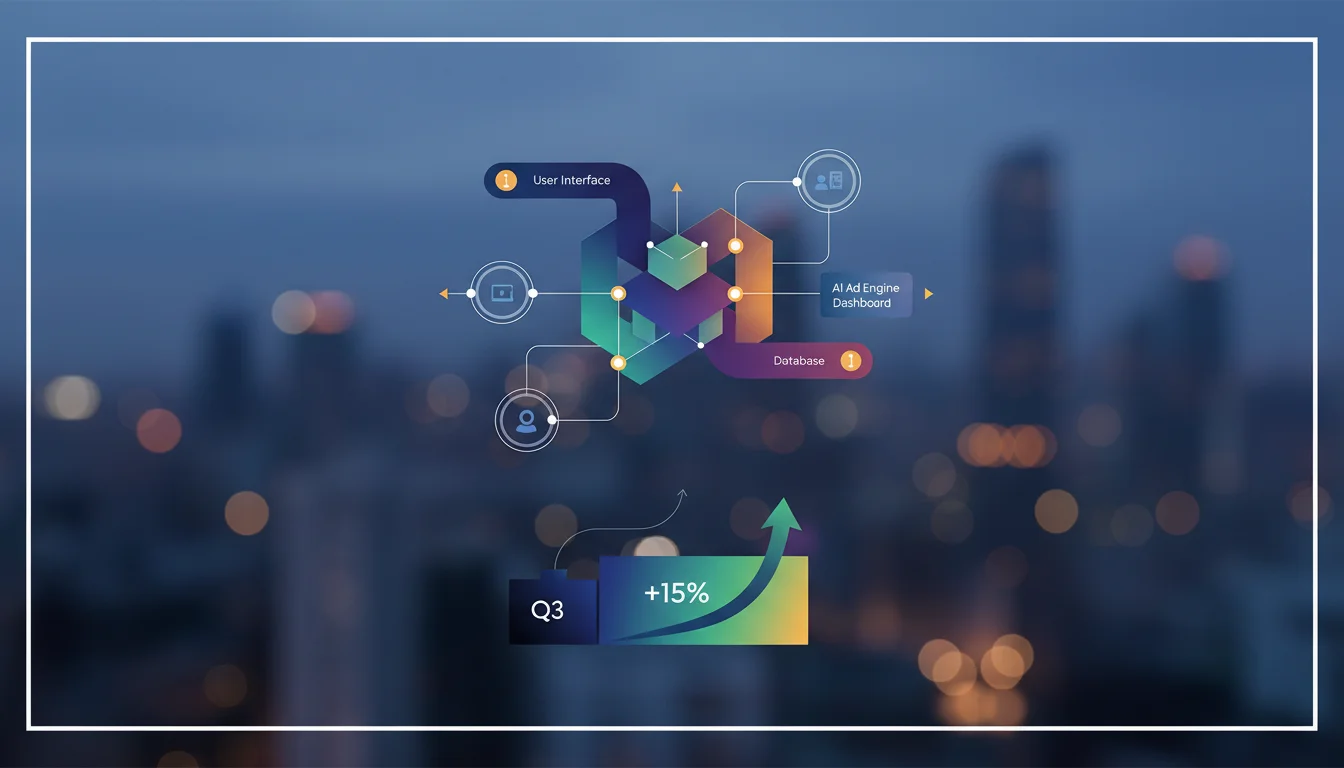
By 2026, the sophistication of AI tools had finally reached a practical tipping point. Platforms like Synthesia and Pictory AI were now offering dynamic content assembly, enabling real-time video creation based on granular user data. Sarah’s team dug in, researching how these platforms could ingest customer profiles, browsing behavior, and purchase history straight from their CRM and e-commerce platform. Their objective was to automatically assemble video ads with specific products, personalized messages, and even different background music or voiceovers, all tailored to one person. Imagine a customer who’d been looking at denim jackets suddenly seeing an ad with a model wearing that exact jacket, paired with a complementary scarf from the store, and a CTA for a flash sale on that item. That was the capability they needed.
“The data shows that dynamic creative optimization boosts conversion rates by over 10% versus static ads,” reported David, Urban Threads’ head of analytics. “During Q4, when you’re fighting for every percentage point, that’s a massive gain.” Of course, the first hurdle was just getting their existing data infrastructure to talk to these new AI platforms. It definitely wasn’t plug-and-play and required a dedicated sprint from their dev team to get the data flowing and sort out the API connections. The AI engines needed clean, actionable data points like recent product views, abandoned cart items, previous purchase categories, and even basic demographics like age and location. Better data meant sharper personalization. Simple as that.
Crafting the Campaign: Beyond Basic Segmentation
Urban Threads ran its AI video ad pilot on a specific part of their holiday collection: premium knitwear and cold-weather accessories. These products, with their higher average order values and strong visual pop, were perfect for video. The team’s first job was building a library of video assets, product shots from every angle, lifestyle clips of models, different voiceover reads, and a selection of music tracks. These were the Lego bricks the AI would use. Instead of producing thousands of finished videos, they just needed modular components that the AI could mix and match. This component-based approach was a complete overhaul of their production pipeline, shifting them away from linear storytelling.
They built the campaign around a few key personalization triggers. For example, if a user looked at a specific cashmere sweater a few times, the AI would build a video featuring that sweater, maybe with a voiceover about its softness or ethical sourcing, and a subtle CTA for a flash sale. If someone had bought a beanie in the past, the AI might serve them a video of matching gloves or scarves with a “complete the look” message. This kind of targeting went so much deeper than old-school demographic or interest-based buckets. It was about predicting what a person wanted based on the digital trail they left behind. “It makes the customer feel like we see them,” Sarah said in a review. “Not as a data point, but as a person with their own taste. That’s where you build a real connection and, honestly, that’s what gets the sale.”
A big question was brand consistency. When an AI is pumping out thousands of variations, how do you make sure every ad still feels like it came from “Urban Threads”? The answer was to give the AI strict brand guidelines: specific color palettes, approved fonts for text overlays, and only certain voiceover tones. These “brand guardrails” gave the AI room to be creative without producing total chaos. They even A/B tested different AI-generated voice tones and found a warmer, more conversational style beat a formal one, bumping click-through rates on those ads by 5%. This kind of constant testing and tweaking was essential to dial in performance.
The Q4 Sales Spike: Real-Time Optimization
As Q4 got crazy, the data pouring into the AI platform was insane. The system just kept learning and adapting in real-time. If a video for “hoodies and joggers” was crushing it with 18-24 year olds in cities, the AI automatically sent more ads like it to that audience. If an ad for a certain product was a dud, the AI would pull back or try out different creative elements to see if it could fix it. This feedback loop ensured their ad spend was constantly shifting to whatever creative was working best at that moment. An IAB report from 2022 said marketers using dynamic creative see a 15% conversion lift on average. With the better AI of 2026, Urban Threads was shooting for more.
Sarah remembered a crazy moment during Black Friday week. The AI flagged an out-of-nowhere search trend for “sustainable wool sweaters” among their 35-45 year old customers. Within hours, the system had already built and launched new video ads featuring their ethically sourced merino wool collection, complete with on-screen text about their sustainability certs. It pushed these ads out to the right people on platforms like Google Ads and Meta. This kind of rapid pivot, which would be impossible with traditional production, let Urban Threads jump on a micro-trend and grab sales they would have otherwise missed entirely. The ROAS for these AI campaigns over Black Friday was 18% higher than their static videos, which proved the whole concept right there.
It wasn’t all smooth sailing. There were still big challenges. Making sure they complied with data privacy rules like GDPR and CCPA was a huge deal. They had to put strong anonymization and consent tools in place to protect customer data while still giving the AI enough to work with. That took a ton of collaboration between their legal, marketing, and tech people. The creative team also had a learning curve, since they had to stop thinking about making finished videos and start thinking about designing modular parts and trusting the AI to put them together. It was a big mindset shift from direct control to what you might call intelligent orchestration.
The Resolution: A Record-Breaking Q4
By the time the dust settled on Q4 2026, Urban Threads had its best holiday season ever. Their total video ad ROAS was up 22% over the previous year, and the AI-driven personalized campaigns were responsible for most of that growth. Even the anecdotal feedback was better, with customers saying the brand just seemed to “get” them, which showed up in higher engagement and lower bounce rates on product pages coming from those ads.
Sarah often thought back to the team’s early skepticism. “A lot of us were worried it would make our brand feel robotic and cold,” she mused. “But it did the opposite. Speaking to people’s individual tastes actually made our brand feel more personal and relevant.” This wasn’t about replacing human creativity. It was about scaling it, letting the creative team focus on big ideas and beautiful assets while the AI handled the massive task of micro-personalization. The success of their AI video ads didn’t just save one quarter. It gave them a whole new marketing playbook, proving that smart personalization is how you get real growth in a packed market.
For any brand trying to drive sales in Q4, using AI for video personalization isn’t just a nice-to-have anymore. It’s a core strategy for connecting with customers and getting a serious sales lift in a retail environment that’s only getting more competitive.
What are AI video ads?
They’re ads created by AI that automatically personalizes the content, messaging, and visuals for each viewer. It uses their data, like browsing history and past purchases, to make thousands of unique versions on the fly.
How can AI video ads boost Q4 sales?
During the holidays, they cut through the noise by showing individual shoppers hyper-relevant content. This grabs their attention, leading to more engagement, better click-through rates, and in the end more sales during the most competitive time of year.
What kind of data is needed for effective personalized video ads?
You need good first-party data. This means customer purchase history, what they’ve looked at on your site, items left in abandoned carts, basic demographics, and any real-time interaction data you can get from your website or app.
What platforms are available for creating AI video ads?
There are a bunch of platforms out there now. Some well-known ones are Synthesia and Pictory AI, but major ad networks are also building their own proprietary tools that use AI for dynamic ad creation and delivery.
Are there challenges in implementing AI video ad strategies?
Yes, definitely. The main ones are technical integration with your current data systems, keeping your brand looking and sounding consistent across all the ad variations, and making absolutely sure you’re compliant with privacy laws like GDPR and CCPA.


