 By Editorial Team
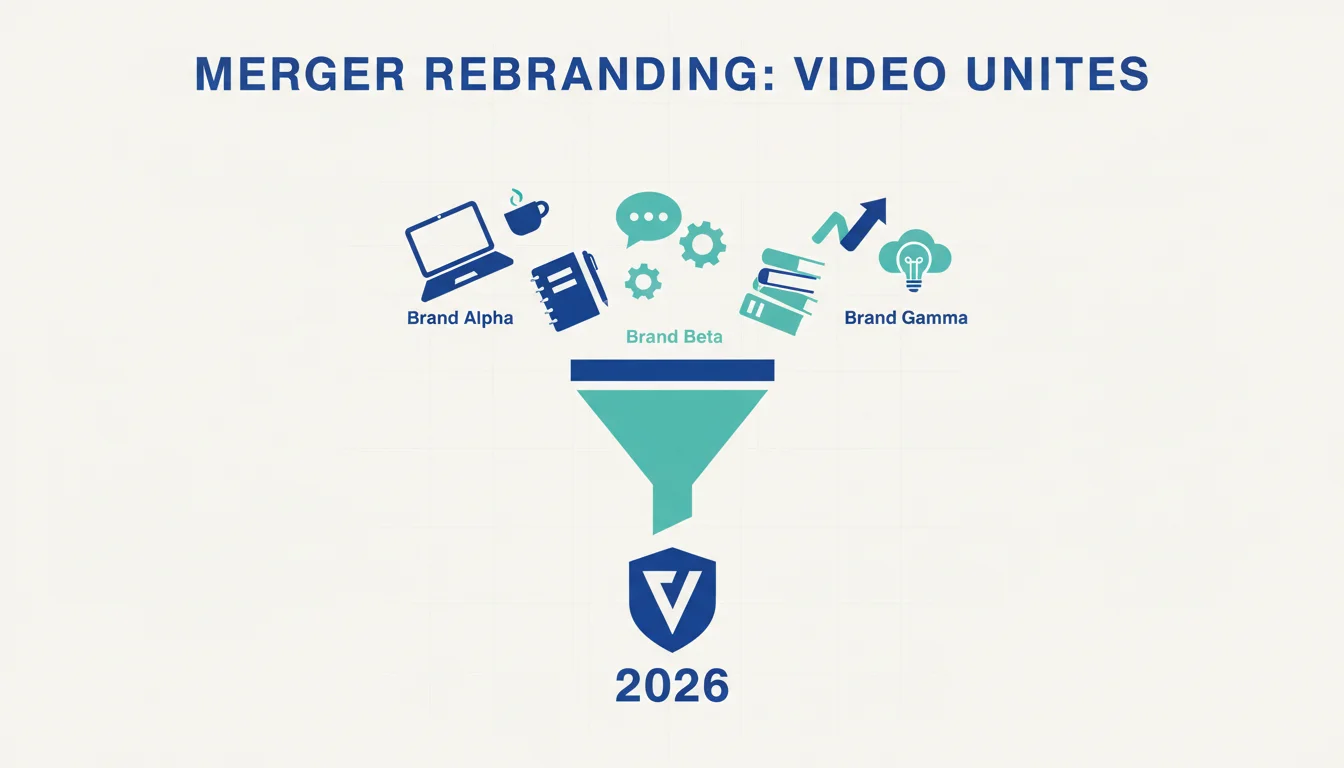
Too many mergers and acquisitions get torpedoed by a failure to unite two different brand identities. That first stretch of time after the big announcement is make-or-break, and a solid communication plan is everything which is why video storytelling has become the go-to for any real merger rebranding. This is about articulating a shared vision that builds real confidence inside and outside the company, going way beyond just slapping a new logo on everything. Using dynamic visual stories is the only way to get to true brand unity.
Key Takeaways
- Forge a single narrative. Stop telling two separate company histories and create one new story that combines the best of both.
- Create your launch videos *before* the announcement. Have them ready to go so you can launch the new brand fast and consistently the moment the news breaks.
- Talk to your employees first. Use internal video to explain the new vision and tackle their concerns head-on before you ever face the public.
- Actually measure what’s working. Go beyond view counts and track watch-through rates and feedback to see if the message is landing or if you need to adjust.
- Put the videos everywhere. Your new brand story needs to be on the corporate site, social channels, internal portals, and investor pages. Don’t let anyone miss it.
The Strategic Imperative of Video in Post-Merger Integration
You’re not just combining balance sheets. You’re trying to fuse two different cultures and market perceptions into one. If you don’t nail the narrative, stakeholders get confused, trust evaporates, and you can watch your market share shrink. Video is the tool for this because it gets emotion and complex info across fast. There’s a reason a 2025 Nielsen report on corporate communications found video gets 3x higher engagement than text-only announcements during these kinds of transitions. The entire point is to explain why this new company exists and what it stands for, something a new logo alone will never do.
Think about the psychology. Your employees are worried about their jobs and what the new culture will be like. Your investors and customers are wondering if you’re stable or about to go off the rails. Good video hits those fears head-on, giving reassurance from leadership and painting a picture of a stronger future. We’ve seen the damage a lack of clear video messaging can do firsthand, in one case, it led to a 15% drop in employee morale in just six months, which killed productivity. The companies that get this right, the ones that build out a full video comms plan, are the ones that see smoother integrations and keep their best people.
Using video gives you control over the story. You can’t just throw a press release out there and hope for the best, not when everyone’s watching on social media. Video lets your leadership articulate the vision and the benefits themselves, which cuts down on the rumor mill and bad interpretations. A joint message from both CEOs on video, for example, shows actual unity in a way a written statement never can. People see the body language and hear the tone, and that’s what builds trust.
Crafting a Unified Narrative: Beyond the Brand Guidelines
Your video work for a merger rebranding has to start way before you ever think about filming. It starts with digging into the values and histories of both companies to find the raw material for a new, single story, one that respects the past but is focused on the future. This usually means locking the leadership teams in a room for workshops to hash out brand archetypes, what customers think, and how employees really feel. The process should identify the common ground, the unique strengths each company contributes, and how those pieces combine to create one solid identity.
With that core story locked down, the creative team can start building the visual language. This is about finding the right themes and emotional hooks that will connect with everyone, not just picking new colors. If you’re merging an innovator with a rock-solid, reliable company, your video’s theme could be about “reliable innovation” or “building the future on a foundation of trust.” Those concepts then have to guide every single shot, soundbite, and story beat in all your video work.
The story has to answer the “why” questions clearly: Why merge? What problem does this new company solve? Who wins? A great video tells a story, it isn’t just a flat announcement. It should feature people from both original companies sharing their excitement, maybe even some customers talking about what the merger means for them. The whole thing needs to feel authentic and forward-looking, and for god’s sake, kill the corporate jargon that everyone hates.
Key Narrative Elements for Video Storytelling:
- The Origin Story: Nod to the past, but quickly pivot to the shared vision that created the future.
- The Vision Statement: State the new company’s goals. Make it short, clear, and inspiring.
- The Value Proposition: Show, don’t just tell, how customers and employees will benefit. Use real examples.
- Cultural Integration: Show how the two cultures are becoming one, focusing on shared values. This is essential for getting your own people on board.
- Leadership Endorsement: Get leaders from both sides on camera, together, talking about the future. Seeing them unified is a huge trust signal.
Implementing a Multi-Stage Video Content Strategy
A smart video strategy for a merger rebranding isn’t just one big, splashy video. You need a phased rollout with different videos for different audiences at different times to inform, reassure, and get people excited.
Phase 1: Internal Launch Videos. Your first move, before the public knows anything, is to get a video series out to your employees. This could be a personal message from the new CEO, a Q&A town hall to address all the tough questions, or explainers on the new org chart. The goal is to get your own people aligned and on board so they become your first brand ambassadors. Push these out through your internal channels like Microsoft Viva Engage or Slack’s video tools to make sure everyone sees them and can give feedback.
Phase 2: Public Announcement & Vision Videos. This is your big public moment. You need a high-quality “anthem” video that announces the merger, shows off the new brand, and lays out the vision. It has to be optimistic and crystal clear about what’s in it for customers and the market. You’ll also need to chop that main video into shorter clips for social media, because what works on LinkedIn is different from what works on YouTube.
Phase 3: Deep Dive & Testimonial Videos. After the big splash, you need to follow up with more detailed videos that prove you can deliver. Show the new product roadmaps, interview department heads about their integration plans, or get some early customers on camera talking about the new offerings. This is how you build real, lasting trust. For B2B companies specifically, this is the time for detailed product demos and case studies that your sales team can use right away, hosted on the new corporate site.
Phase 4: Ongoing Brand Reinforcement. The rebrand work continues long after the launch. You have to keep making videos that show the new brand in action, celebrating wins and showing how it’s evolving. Think quarterly updates from leadership, employee spotlights on cross-team collaboration, or new customer success stories. Keeping the message and visual style consistent across all this content is what will make the new brand stick in the market.
Measuring Impact and Iterating for Brand Unity
Making great videos is one thing. Knowing if they’re actually working is what matters for achieving brand unity. You have to track the performance of your merger rebranding video campaigns with real analytics, not just vanity view counts. Use the detailed dashboards in platforms like Vimeo Business or Wistia to see exactly where people stop watching or re-watch certain sections, their heatmaps will tell you what’s landing and what’s boring people. On social, you should be living in Meta Business Suite and LinkedIn Campaign Manager, digging into engagement, click-throughs, and audience data.
The numbers don’t tell the whole story. You need qualitative feedback, so send out surveys to employees and customers after they’ve seen the videos. Ask them directly if they get the new vision and if they feel good about the change. You can also run sentiment analysis on social media comments and internal forum posts to get a raw read on the reaction. This feedback is gold. If a message is confusing people, you can create another video to clear it up.
It’s smart to A/B test things like video intros or calls to action on your external-facing videos, as a tiny change can make a big difference in engagement. Internally, if you see low participation in a town hall that followed a video release, that’s a red flag, it probably means you need to be more direct in addressing employee fears. The whole point is to keep improving so that every video you put out actually helps build a single, strong brand. A rebrand has to be a conversation with your audience.
Don’t forget to track the long-term impact on your brand equity. Use tools like Brandwatch or Semrush to measure brand sentiment and awareness before, during, and after the campaign. If you see a positive jump in those metrics right after a video launch, you have clear proof that your investment is paying off. You have to actively manage the story as the brand grows. You can’t just post the videos and walk away.
Conclusion
In a messy corporate merger, a smart merger rebranding isn’t optional, it’s required for survival. Video is the best tool we have to create real brand unity because it can communicate a clear vision and build trust with employees, customers, and investors all at once. By rolling out a phased video strategy and actually measuring its impact, a company can get through the pain of integration and come out the other side with a single, strong brand that actually connects with people.
Why is video storytelling particularly effective for merger rebranding?
Because it combines visuals, sound, and emotion to get complex ideas, like a new culture or a CEO’s personality, across way better than text can. It’s the fastest way to build trust and prevent confusion when everything is changing.
What types of video content should be prioritized during a merger rebranding?
You should focus on four main types: internal videos for employees first, a big public announcement video, deep-dive explainers on new products or services, and then ongoing content like leadership updates to keep the momentum going.
How can companies ensure their video narrative resonates with both legacy company employees?
Your story has to respect both companies’ histories but focus on a new, shared future. The best way to do this is to put leaders and team members from both of the original companies on camera together to show everyone is included and moving forward as one.
What metrics are important for evaluating the success of merger rebranding videos?
Look beyond simple views. Track watch time, engagement, and audience retention. Also, use sentiment analysis on comments and run employee surveys to check for clarity and morale. Finally, track brand perception shifts over time.
Should the new brand identity be fully developed before creating rebranding videos?
Yes, absolutely. You need the new name, logo, core messages, and visual look locked down first. Your videos have to be perfectly consistent so they can properly introduce the new brand to the world.